
Seismic wave design: structural forms referencing protective arcs
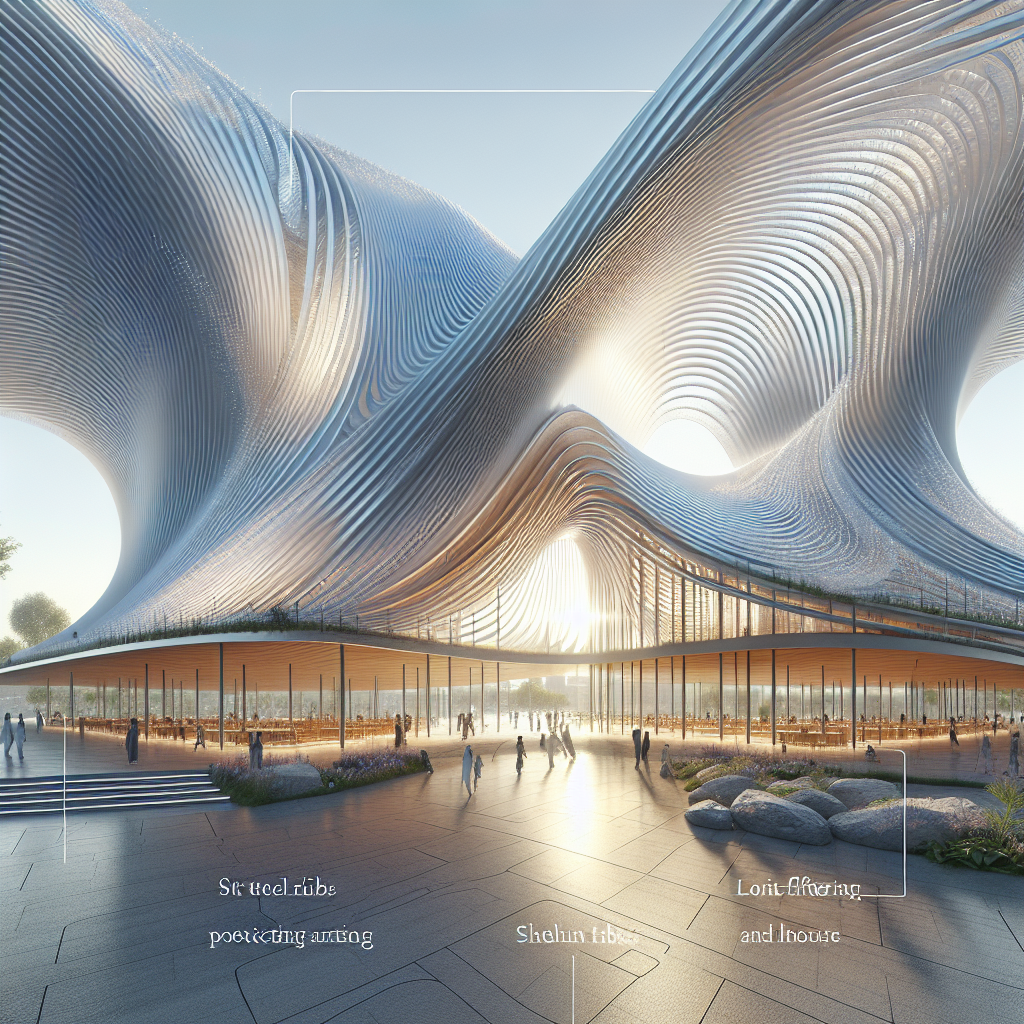
Seismic Wave Design: Structural Forms Referencing Protective Arcs
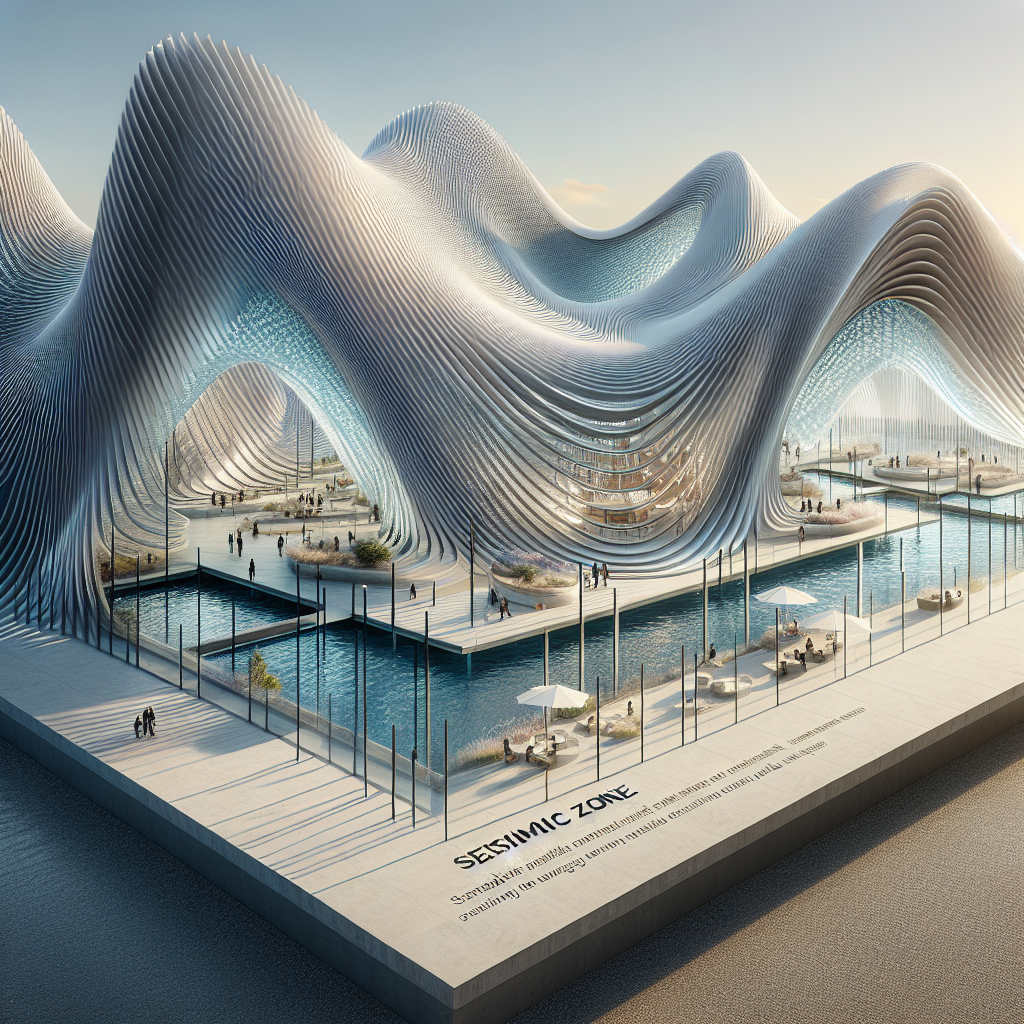
In the evolving language of contemporary architecture, few metaphors are as potent—or as timely—as the seismic wave. Once a symbol of destruction, it is now being reinterpreted as a model for resilience, adaptability, and poetic form. Across the globe, architects and engineers are exploring how seismic wave design can inform new structural typologies that not only withstand natural forces but visually embody the idea of protection through protective arcs—sweeping, shell-like geometries that cradle space and life within.
The Rise of Seismic-Inspired Architecture
The concept of seismic wave design emerges from the study of how energy travels through the Earth’s crust during an earthquake. According to the seismic wave model, energy radiates outward in undulating patterns—arcs of motion that dissipate force through curvature. Translating this principle into architecture has led to a new generation of buildings that merge engineering logic with expressive form.
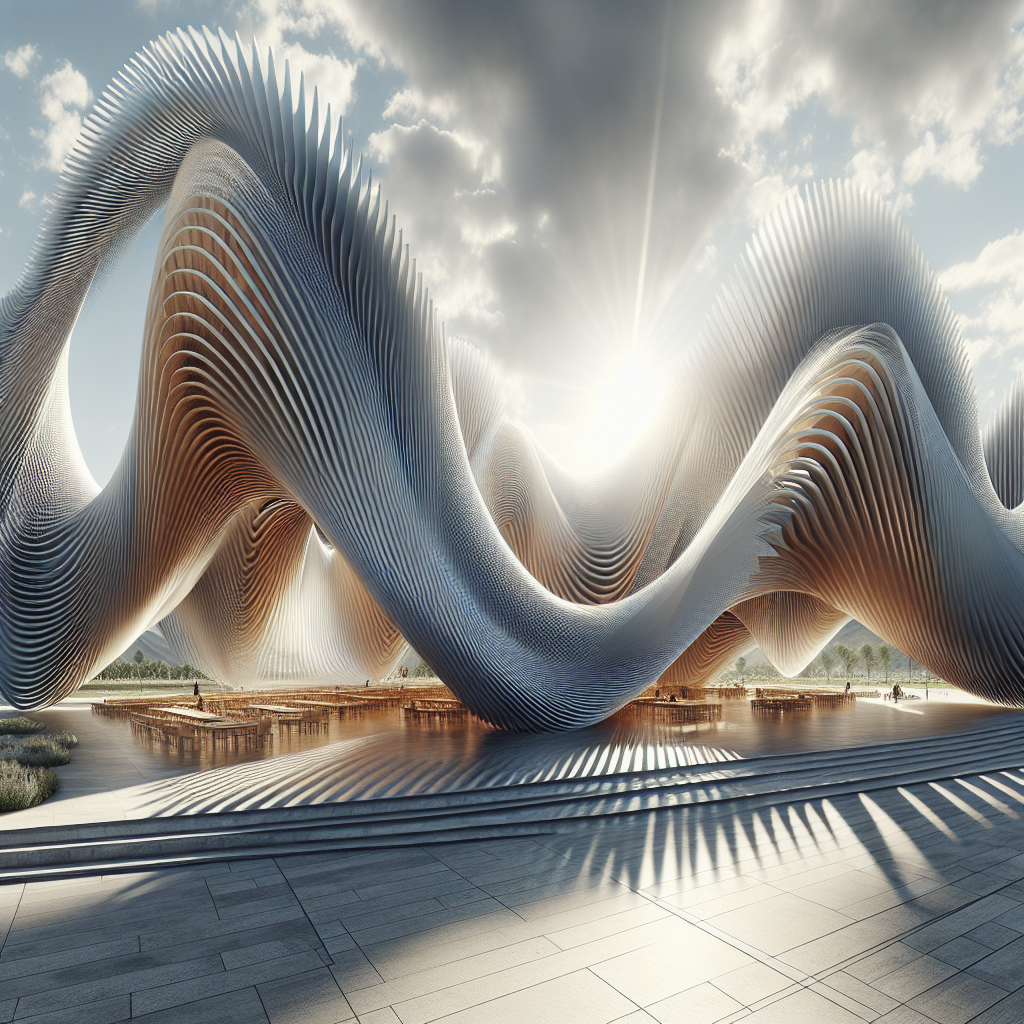
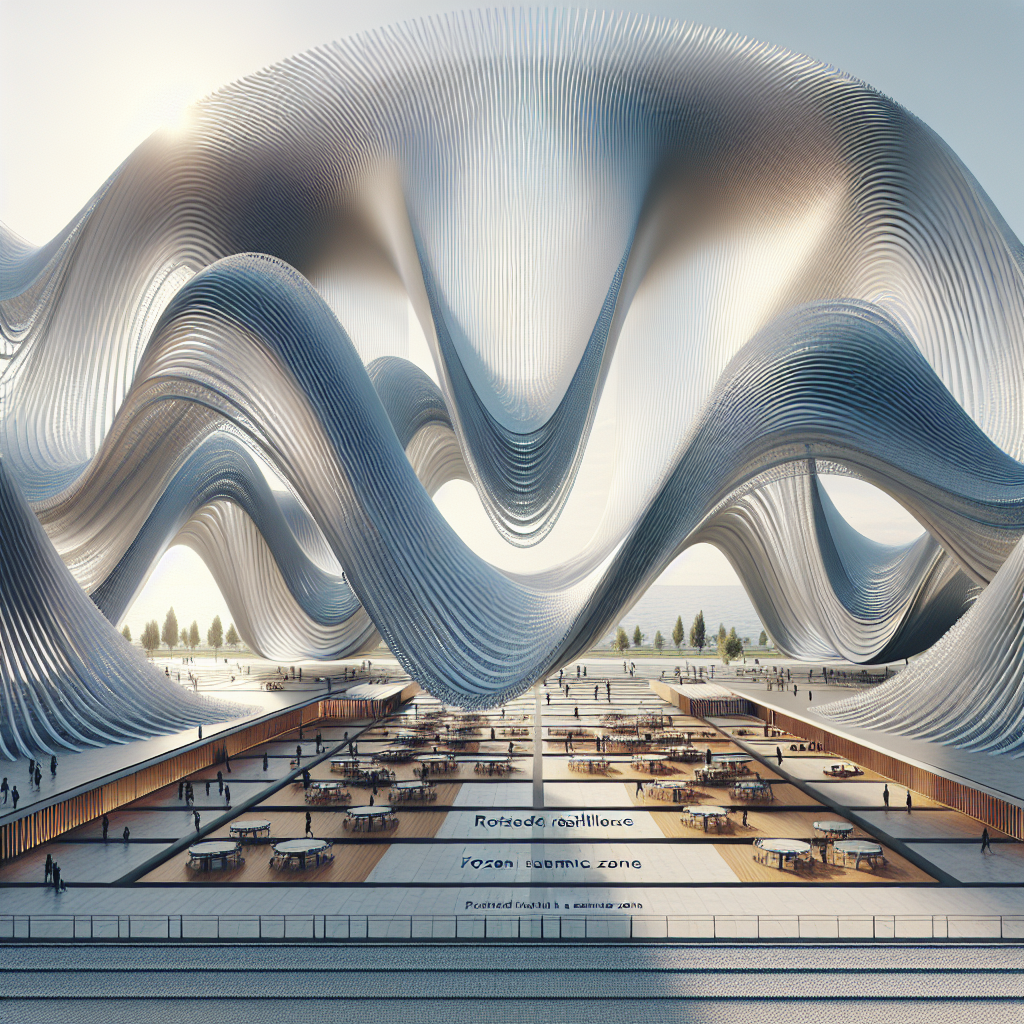
These designs often feature curvilinear shells, parabolic vaults, and layered membranes that distribute stress evenly, reducing the concentration of load at any single point. The result is a structural language that feels simultaneously dynamic and serene—like a frozen ripple of energy. The protective arc, in this context, becomes both a literal and symbolic gesture: a sheltering form that channels movement into stability.
Protective Arcs: The Geometry of Safety
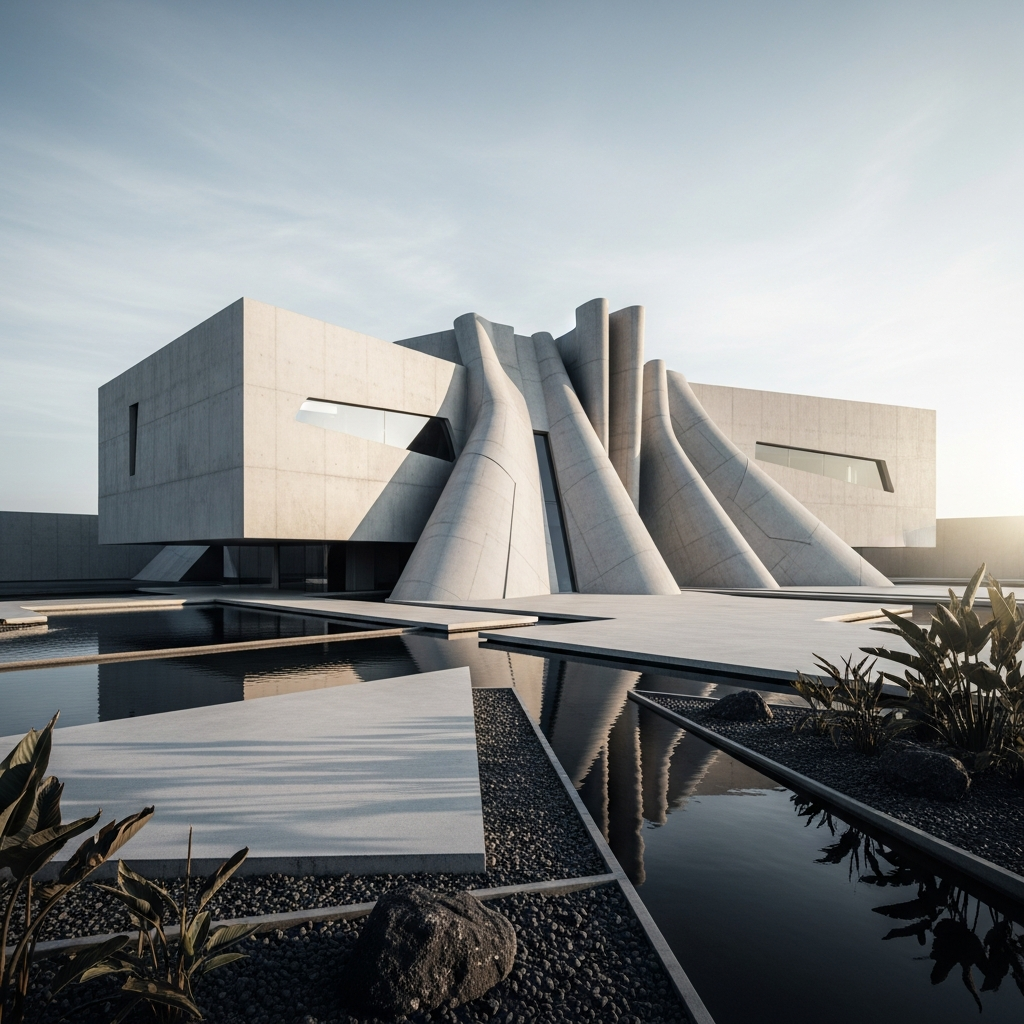
In seismic architecture, the protective arc functions as a structural and psychological buffer. It recalls ancient vaults and domes yet speaks to a distinctly modern sensibility—one informed by data modeling, parametric design, and advanced materials. Architects are rediscovering the primal reassurance of the arch, reinterpreting it through digital fabrication and performance-driven analysis.
Projects such as the National Museum of Seismic Resilience in Sendai, Japan, and the Earthquake Memorial Pavilion in Santiago, Chile, exemplify this approach. Both employ layered arcs that absorb lateral forces while creating interiors suffused with filtered light. These arcs are not ornamental; they are integral to the building’s skeleton, embodying the idea that strength can be sculptural.
The curvature of these forms also resonates with the natural world—a theme explored in biophilic design research, which links organic geometries to human well-being. The arc, in its most primal sense, is the gesture of protection: a mother’s arm, a canopy of trees, a geological fold shielding life beneath.
Engineering the Wave: From Parametric Logic to Material Innovation
Behind the elegance of seismic wave design lies a sophisticated interplay of mathematics and material science. Using parametric modeling, architects simulate how seismic energy might flow through a structure, allowing them to shape forms that redirect stress rather than resist it head-on. This approach mirrors the adaptive strategies found in nature—where flexibility often ensures survival more effectively than rigidity.
Recent advances in materials such as fiber-reinforced concrete, cross-laminated timber, and shape-memory alloys have expanded the possibilities for creating wave-like structures that are both lightweight and robust. The rise of timber in high-rise construction has been particularly influential, offering a renewable material with natural elasticity—an essential property in seismic zones.
These innovations are complemented by computational tools that analyze the dynamic response of buildings in real time. Engineers can now “tune” structures much like musical instruments, adjusting their resonance frequencies to harmonize with the ground beneath them. The result is a new kind of architectural choreography—one that dances with the Earth rather than defies it.
Case Study: The Arc Pavilion, Istanbul
One of the most compelling recent examples of seismic wave design is the Arc Pavilion in Istanbul, completed in 2025 by the Turkish firm Studio Ekinci. Situated near the North Anatolian Fault, the pavilion’s undulating roof is composed of interlocking steel ribs that mimic the propagation of seismic waves. Each rib is slightly offset, creating a rippling effect that seems to freeze motion mid-flow.
The structure’s interior is a study in calm contrast: beneath the dynamic shell lies a meditative space lined with pale travertine and acoustic panels shaped like concentric ripples. The pavilion serves as both a community shelter and an educational center on earthquake preparedness—a dual function that underscores the union of aesthetics and ethics in contemporary design.
Visitors describe the experience as standing inside a wave—a space that feels alive yet protective. This emotional resonance reflects a broader shift in architectural thinking: resilience is no longer a purely technical goal but a spatial and emotional one.
From Disaster Resistance to Design Philosophy
The notion of designing for seismic resilience has evolved far beyond compliance with building codes. It now represents a philosophical stance—an acknowledgment of impermanence and adaptability. As explored in resilient building design research, architects are increasingly embracing uncertainty as a design driver rather than a constraint.
This shift parallels the growing emphasis on resilience engineering, which focuses on systems that recover gracefully from disruption. In architectural terms, this means creating structures that can flex, absorb, and transform—qualities that seismic wave design naturally embodies.
The protective arc thus becomes a metaphor for coexistence: between humans and nature, between technology and emotion, between permanence and flux. It invites a new aesthetic vocabulary—one that celebrates motion, curvature, and continuity as expressions of strength.
Seismic Aesthetics in Interior Design
The influence of seismic wave design extends beyond structural engineering into the realm of interiors. Designers are experimenting with wave-like ceilings, fluid partitions, and lighting systems that trace the rhythm of seismic energy. These elements create immersive environments that evoke both movement and stillness—a visual reminder of the forces that shape our world.
In luxury residences and cultural institutions alike, curved walls and vaulted corridors are being used to soften spatial transitions and evoke a sense of embrace. The aesthetic is tactile and atmospheric: plaster finishes with ripple textures, acoustic panels shaped like arcs, and furniture that echoes the geometry of tectonic folds. It’s a language of protection translated into form.
This sensibility aligns with broader trends in contemporary architecture, where emotional resonance and sensory engagement are increasingly valued alongside technical innovation. The seismic wave, once invisible, now becomes a visible motif—a sculptural narrative of energy, resilience, and renewal.
Future Directions: Designing with Earth’s Pulse
As climate volatility and urban density continue to challenge the built environment, the principles of seismic wave design are likely to influence a wider range of architectural typologies—from coastal pavilions to vertical housing. The idea of the protective arc could inform not only earthquake-resistant structures but also flood-adaptive and wind-responsive systems, extending its relevance to the broader discourse on environmental resilience.
Emerging research in biomimicry and material science suggests that future buildings may integrate sensors and responsive skins that adjust their curvature in real time, echoing the adaptive behavior of natural organisms. Such developments could transform seismic wave design from a static metaphor into a living system—architecture that literally moves with the Earth.
Ultimately, seismic wave design invites architects to rethink their relationship with the planet’s dynamic forces. It challenges the modernist ideal of control and permanence, proposing instead a poetics of motion and empathy. In the arc’s embrace, we find not only safety but also a profound sense of belonging—to the ground beneath us and to the rhythms that sustain it.
In this new architectural paradigm, resilience is not resistance—it is resonance.