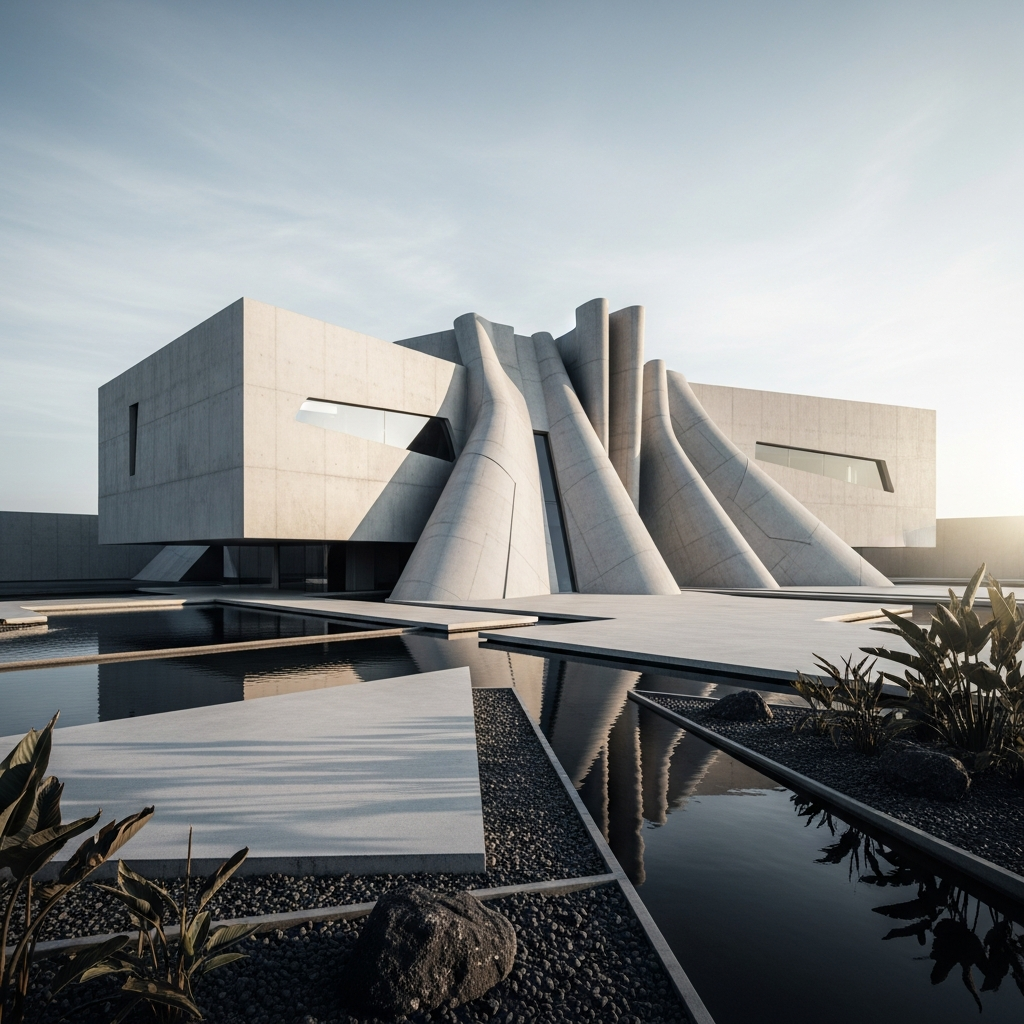

Post-Human Design: What Comes After Human-Centered Architecture?
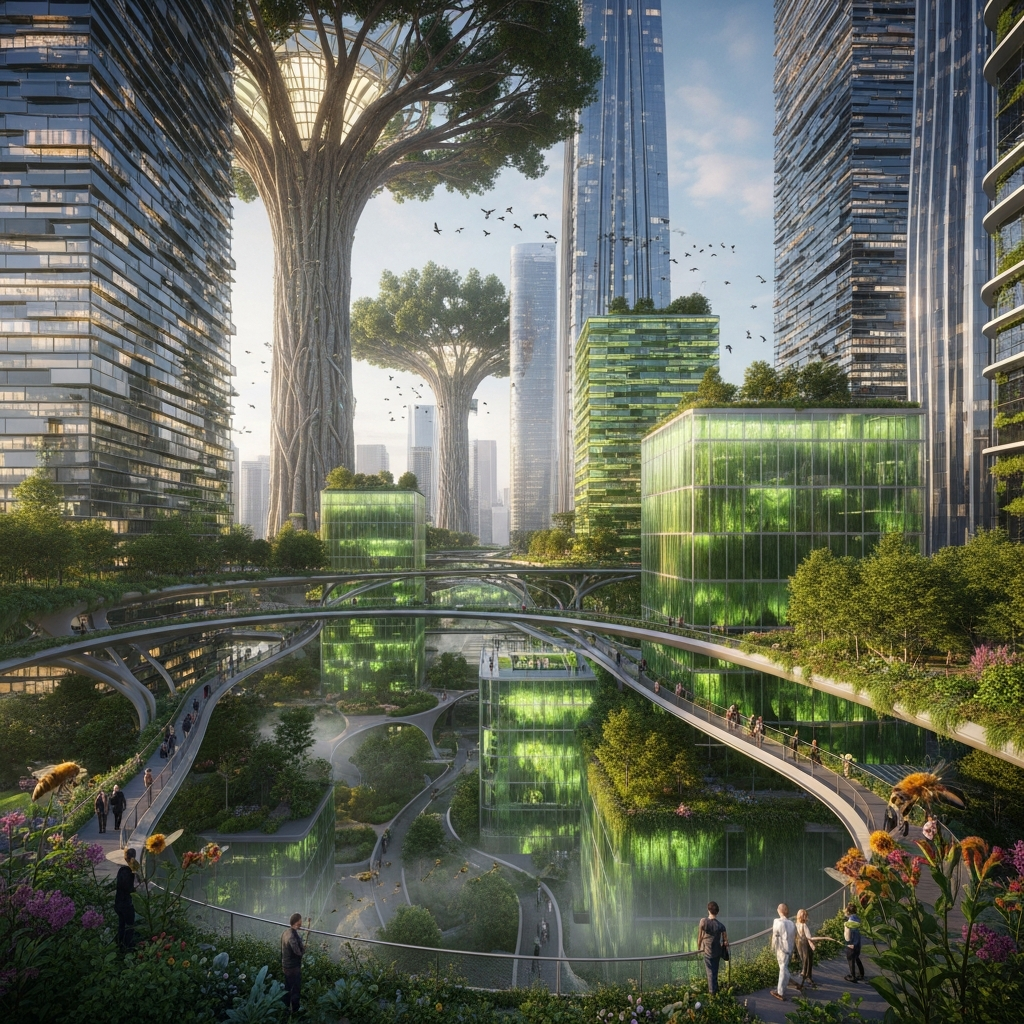
Post-Human Design: What Comes After Human-Centered Architecture?
For decades, human-centered design has been the guiding principle of architecture—a philosophy that places the individual at the heart of every spatial decision. Yet as the twenty-first century unfolds, a new paradigm is emerging: one that questions whether the human should remain the sole protagonist in the architectural narrative. The rise of artificial intelligence, climate-responsive systems, and multispecies ecologies is prompting designers to ask a radical question: what comes after us? Welcome to the era of post-human design—a movement redefining architecture not as a static human habitat, but as a living, adaptive, and interdependent organism.
The End of Anthropocentrism
Architecture has long been a mirror of human ambition. From the monumental temples of antiquity to the glass towers of modernity, our built environments have celebrated the human as the measure of all things. Yet this anthropocentric lens is increasingly seen as inadequate in addressing the complex, interconnected crises of our time—climate change, biodiversity loss, and technological acceleration. As philosopher Rosi Braidotti argues in her posthumanist framework, the human is no longer a stable or central category, but part of a broader network of species, systems, and technologies.
In architectural terms, this shift means moving beyond ergonomics and user experience toward a design ethic that acknowledges non-human actors—plants, microbes, machines, and data streams—as co-authors of space. The building becomes not merely a shelter for humans, but a participant in an ecological and digital continuum.
From Human-Centered to Planet-Centered Design
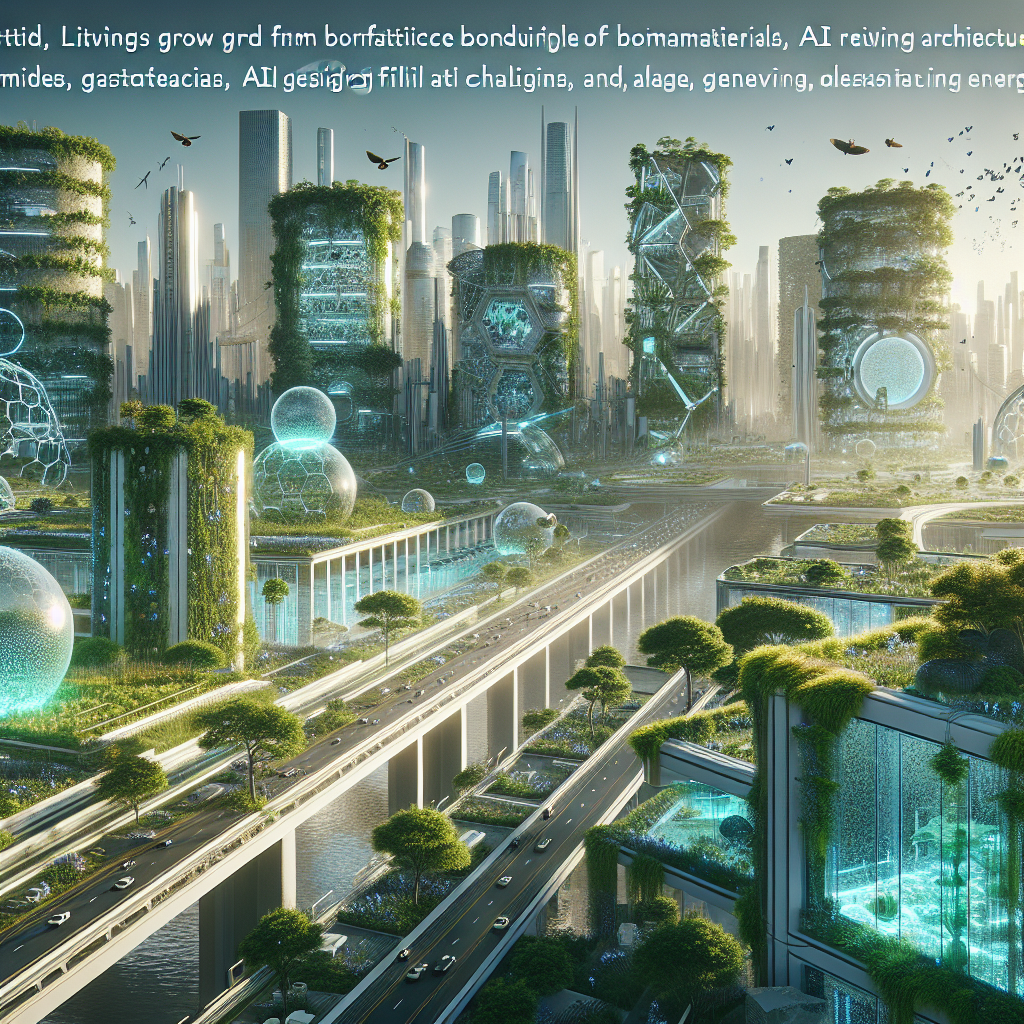
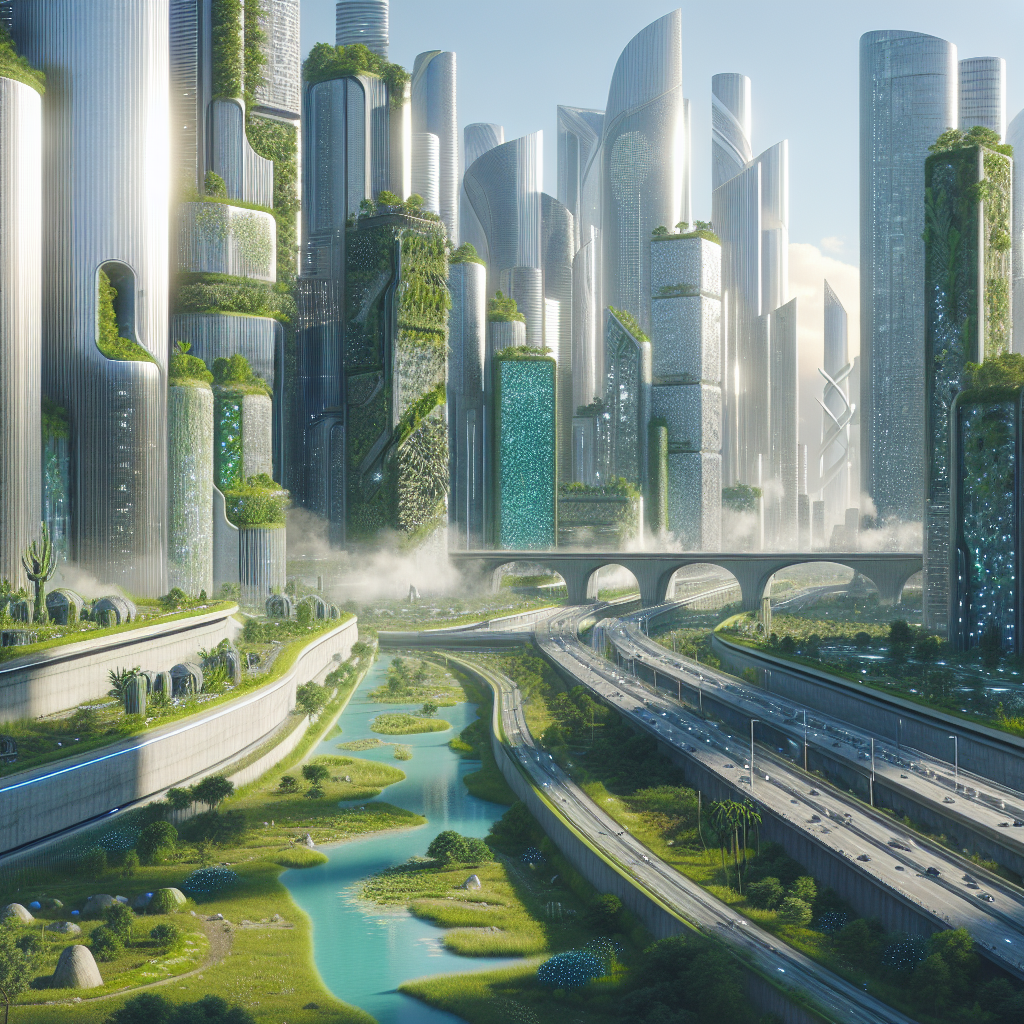
Post-human design reorients architecture from the comfort of the individual to the health of the planet. It is an evolution of sustainability, but with a deeper philosophical core. Where biophilic design sought to reconnect humans with nature, post-human design seeks to dissolve the boundary altogether. The building becomes an extension of the biosphere—responsive, regenerative, and symbiotic.
Consider the work of architects experimenting with biodegradable materials or self-healing concrete infused with bacterial agents. These materials blur the line between the organic and the synthetic, suggesting a future where architecture can grow, decay, and repair itself like a living organism. Similarly, projects that integrate kinetic facades—panels that shift with sunlight or wind—demonstrate how buildings can behave as adaptive entities rather than inert shells.
AI as Co-Designer
Artificial intelligence is not merely a tool for optimization; it is becoming a creative partner. In AI-driven architecture, algorithms analyze environmental data, predict user behavior, and generate forms that evolve over time. This approach marks a departure from the architect as sole author, embracing instead a collaborative intelligence that includes machines as active participants in the design process.
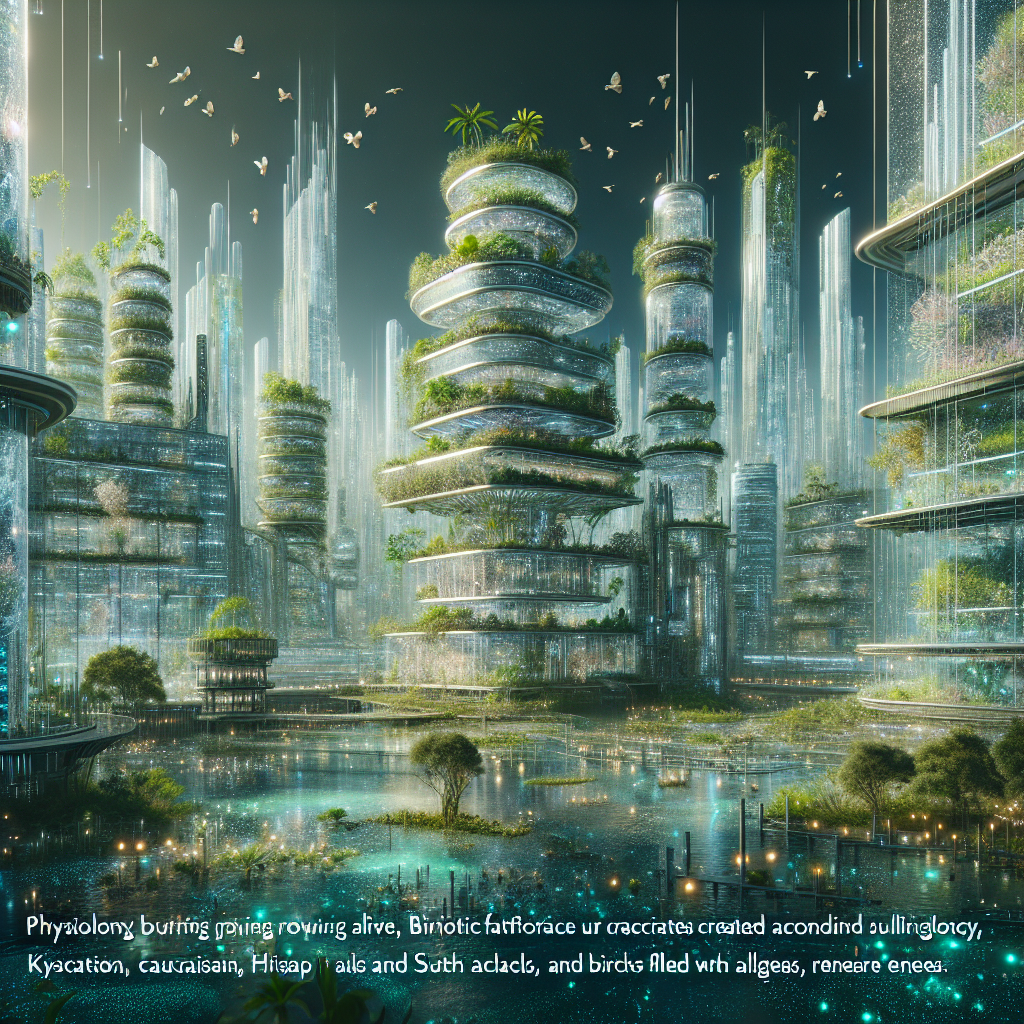
Generative design software, for instance, can simulate thousands of spatial configurations based on energy efficiency, material performance, and even emotional response metrics. The result is a new aesthetic—fluid, algorithmic, and non-linear—reflecting the complexity of digital ecosystems. These designs often resemble natural morphologies: coral-like facades, fractal skylines, and cellular interiors that feel more grown than built.
Architecture for Non-Human Life
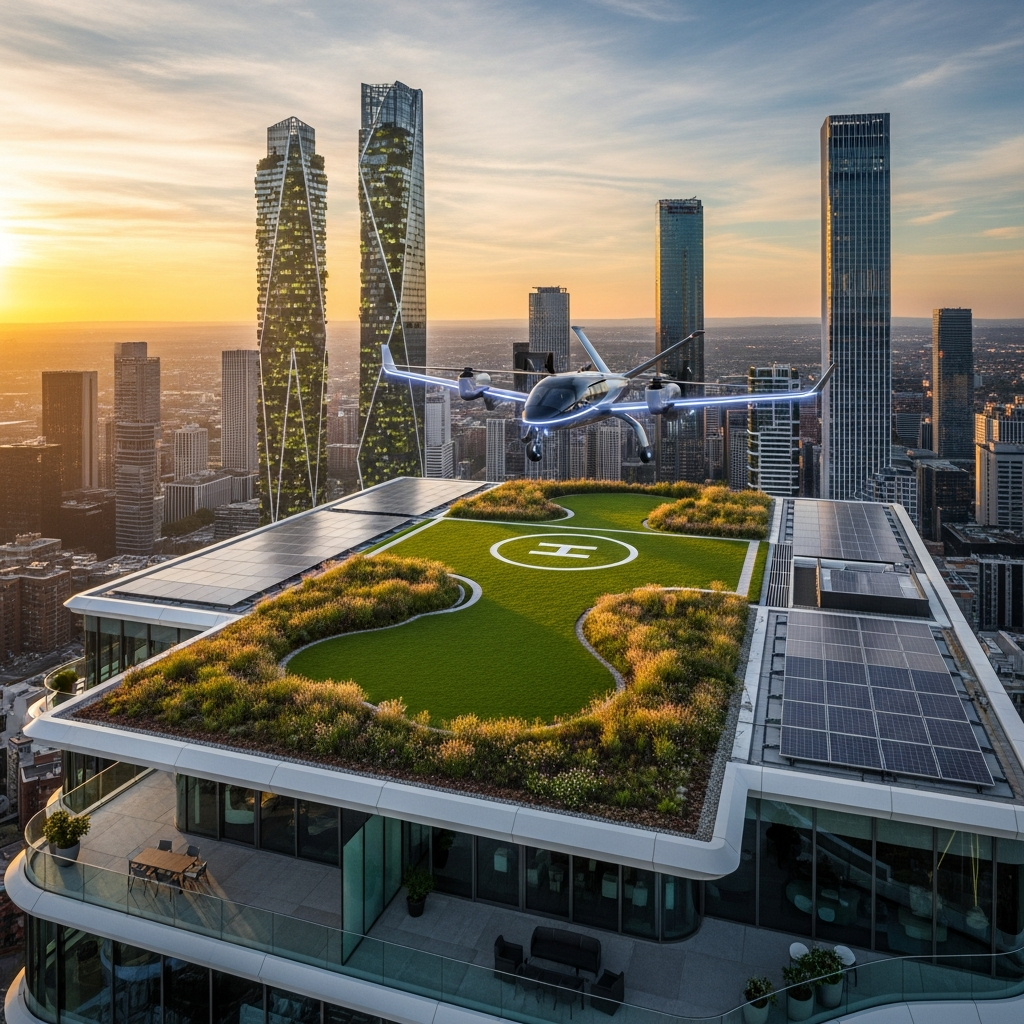
Post-human design also invites us to consider architecture as a habitat for other species. In cities increasingly dominated by concrete and glass, the notion of multispecies coexistence is gaining traction. Bee-friendly rooftops, bird-safe glazing, and moss-covered facades are no longer decorative gestures but ethical imperatives. The Anthropocene demands that architecture become a mediator between human activity and ecological resilience.
Recent urban experiments in “rewilding architecture” illustrate this shift. In Singapore, vertical gardens and sky parks host entire ecosystems within high-rise structures. In Copenhagen, the CopenHill waste-to-energy plant doubles as a ski slope and biodiversity corridor. These projects embody a new architectural morality—one that measures success not by human comfort alone, but by the flourishing of all life forms that inhabit or interact with the built environment.
Temporal and Adaptive Thinking
Post-human architecture is inherently temporal. It acknowledges that buildings, like organisms, have lifecycles. They are born, evolve, and eventually return to the earth. This perspective challenges the modernist obsession with permanence and control. Instead, it embraces impermanence, adaptability, and decay as design virtues.
Architects are experimenting with modular and disassemblable systems that can be reconfigured or recycled as needs change. This approach aligns with the principles of the circular economy, where waste is designed out of the system entirely. In this context, a building is not a finished product but a dynamic framework—an evolving interface between human and non-human processes.
Emotional Intelligence and Sensory Design
As technology becomes more pervasive, the emotional and sensory dimensions of architecture gain renewed importance. Post-human design explores how environments can respond empathetically to human and non-human needs alike. Smart materials that change color with temperature, walls that absorb sound to reduce stress, or lighting systems that mimic circadian rhythms—all contribute to a multisensory ecosystem of care.
Some designers are even integrating biosensors into architecture, allowing spaces to “feel” the presence of occupants and adjust accordingly. This fusion of technology and empathy suggests a future where architecture itself becomes a form of emotional intelligence—an active participant in the well-being of its inhabitants.
Ethics, Agency, and the Future of the Architect
The post-human turn also raises profound ethical questions. If architecture is co-created by algorithms, ecosystems, and autonomous systems, where does authorship reside? What responsibilities do architects hold toward non-human entities or digital intelligences? These questions redefine professional practice, urging architects to act not as masters of form but as curators of relationships—between data and matter, nature and code, human and machine.
As cybernetic systems increasingly govern our cities, the architect’s role may evolve into that of a systems designer—one who orchestrates feedback loops between the built environment and its many actors. This perspective transforms architecture from an object-based discipline into a process-based one, grounded in continuous adaptation and ethical awareness.
Case Studies: The Emerging Post-Human Landscape
Several pioneering projects already embody this philosophy. The Living’s “Hy-Fi” tower in New York, constructed from biodegradable mycelium bricks, exemplifies architecture as a living organism. Similarly, the “Bio Intelligent Quotient House” in Hamburg integrates algae bioreactors into its facade, generating energy while purifying air. These projects challenge the static notion of a building, presenting instead a vision of architecture as metabolic, responsive, and self-sustaining.
Meanwhile, speculative projects such as NASA’s Mars habitation prototypes, explored in space architecture research, push the boundaries of post-human thinking beyond Earth itself. These designs must accommodate not only human survival but also the creation of symbiotic ecosystems capable of sustaining life in alien environments.
Beyond the Human Horizon
Post-human design is not a rejection of humanity but an expansion of its empathy and imagination. It invites architects to design with humility—to recognize that we are participants in a vast, interdependent network of life and intelligence. The future of architecture lies not in monumentalizing the human, but in choreographing coexistence among all forms of being.
In this emerging paradigm, the city becomes a living interface, the building a responsive organism, and the architect a mediator between worlds—biological, digital, and ecological. The question is no longer how architecture can serve us, but how it can serve the planet, the network, and the continuum of life itself.
Post-human design is not a distant utopia; it is already unfolding in laboratories, studios, and construction sites across the globe. It challenges us to imagine architecture not as a monument to human dominance, but as a gesture of planetary stewardship—a design language for a world where the human is no longer the center, but one voice among many in the chorus of existence.
Keywords: post-human design, human-centered architecture, AI in architecture, sustainable design, multispecies architecture, responsive architecture, circular economy, adaptive buildings, ecological design.
Published on 01/19