
Architectural Robotics: When Buildings Start to Move and Think
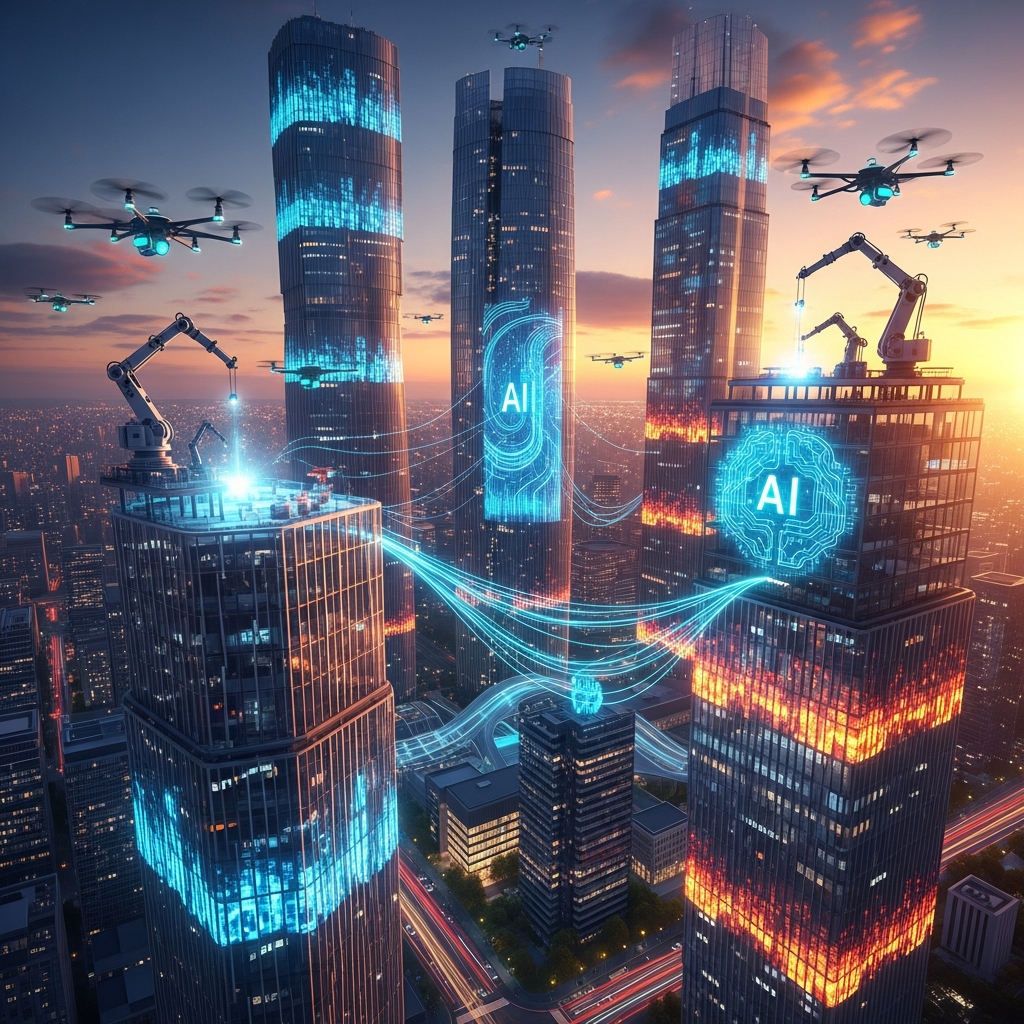
Architectural Robotics: When Buildings Start to Move and Think
Architecture has always been a reflection of its era—stone and steel once symbolized permanence, while glass and light embodied transparency and openness. Today, as artificial intelligence and robotics permeate the built environment, architecture is entering a new epoch: one defined by movement, cognition, and responsiveness. The static building is evolving into a dynamic organism—an intelligent structure capable of adapting, learning, and even predicting human needs. This is the dawn of architectural robotics.
The Rise of Intelligent Architecture
Architectural robotics represents the fusion of robotics, artificial intelligence, and responsive design within the built environment. It extends beyond smart home automation to encompass entire buildings that sense, interpret, and react to their surroundings. These systems integrate sensors, actuators, and machine learning algorithms to enable structures to self-regulate temperature, light, and spatial configuration in real time.
In essence, the architectural envelope becomes a living interface—an ecosystem of interactivity. The concept builds upon the foundations of responsive architecture, where kinetic facades adjust to sunlight or airflow, but takes it further by embedding cognitive capabilities. Imagine a façade that not only moves with the sun but learns from seasonal patterns, optimizing energy use while enhancing occupant comfort.
From Kinetic Facades to Cognitive Buildings
The journey toward architectural robotics began with kinetic architecture—structures designed to move. Early pioneers like Chuck Hoberman, known for his expanding geometric mechanisms, and Santiago Calatrava, whose sculptural designs often mimic biological motion, laid the groundwork for this evolution. Today, robotic systems are transforming these mechanical gestures into intelligent behaviors.
One of the most striking examples is the Al Bahar Towers in Abu Dhabi, whose mashrabiya-inspired façade opens and closes in response to sunlight. Each triangular module acts autonomously, reducing solar gain by up to 50%. This project marked a turning point, proving that movement could serve both aesthetic and environmental purposes. Similar innovations are emerging globally—from the rotating panels of the Media-TIC Building in Barcelona to the shape-shifting walls of experimental pavilions developed at ETH Zurich’s Institute of Technology in Architecture.
These systems no longer rely solely on pre-programmed routines. Through machine learning, they analyze data over time—weather patterns, occupancy rates, and even user behavior—to make autonomous decisions. In doing so, architecture becomes less a product and more a process: a continuous negotiation between human intention and environmental intelligence.
Robotics in Construction and Adaptation
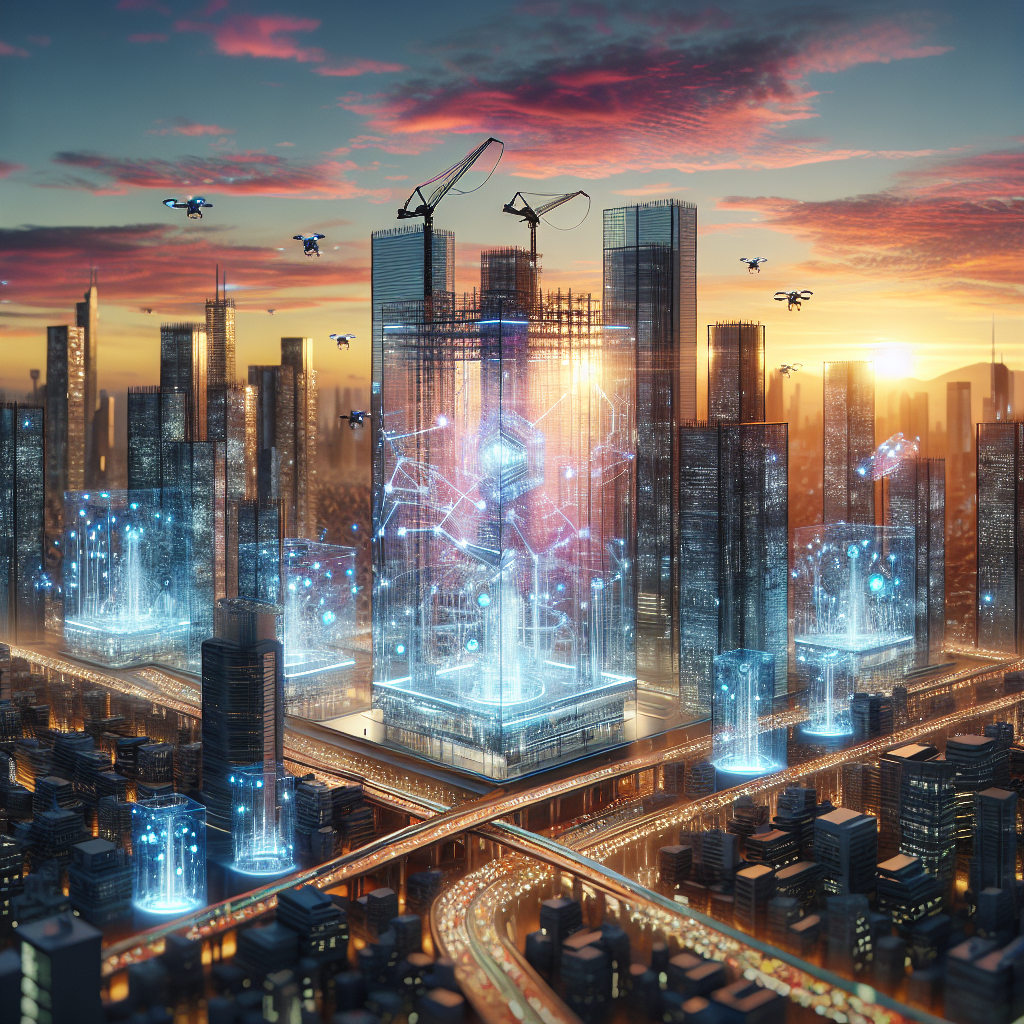
Beyond responsive facades, robotics is revolutionizing how buildings are constructed and maintained. Robotic arms now lay bricks with precision, drones inspect façades for micro-cracks, and autonomous 3D printers fabricate complex geometries once deemed impossible. The 3D-printed housing revolution is only the beginning—architectural robotics extends this logic to adaptive maintenance and reconfiguration.
Consider the research of MIT’s Media Lab, where robotic modules can self-assemble into habitable structures. These modular systems anticipate a future where buildings can expand, contract, or reconfigure themselves based on changing needs. A workspace could morph into a residential unit overnight; a wall could slide to create privacy or open to foster collaboration. The implications for urban density, sustainability, and resource efficiency are profound.
Such adaptability resonates with the growing movement toward modular design, where flexibility and reusability define the architecture of tomorrow. Robotic adaptability takes this further—introducing a layer of autonomy that allows spaces to evolve without human intervention.
Buildings That Think: The Cognitive Layer
While kinetic systems address movement, the cognitive layer introduces awareness. Cognitive architecture leverages AI-driven systems to interpret sensory data and respond intelligently. It’s not merely about automation—it’s about decision-making. A cognitive building might dim lights not because it’s programmed to do so at sunset, but because it detects occupant fatigue and adjusts illumination to support circadian rhythms.
These systems rely on vast networks of sensors embedded in walls, floors, and ceilings. They measure everything from CO₂ levels to acoustic comfort, translating environmental data into actionable insights. The building becomes a silent collaborator, optimizing itself for well-being and performance. This aligns with the principles of biophilic design, where the built environment nurtures human health through natural and responsive interactions.
In Tokyo, the Robot-House Project explores this intersection of robotics and domesticity. The home’s robotic systems learn the routines of its inhabitants—preparing coffee as they wake, adjusting air quality as they sleep. It’s a subtle choreography of human and machine, one that blurs the boundary between architecture and service.
Ethics, Aesthetics, and the New Role of the Architect
As buildings gain agency, the architect’s role is shifting from designer to orchestrator of intelligent systems. The challenge lies not only in engineering but in defining the ethics and aesthetics of autonomy. How much control should a building have? Can a structure’s intelligence be transparent, explainable, and human-centered?
These questions echo debates in AI ethics and design philosophy. The architect must now consider the emotional and psychological implications of living within sentient environments. A building that “thinks” must also communicate—its movements and responses should feel intuitive, not intrusive. The design language of architectural robotics, therefore, extends beyond form to behavior.
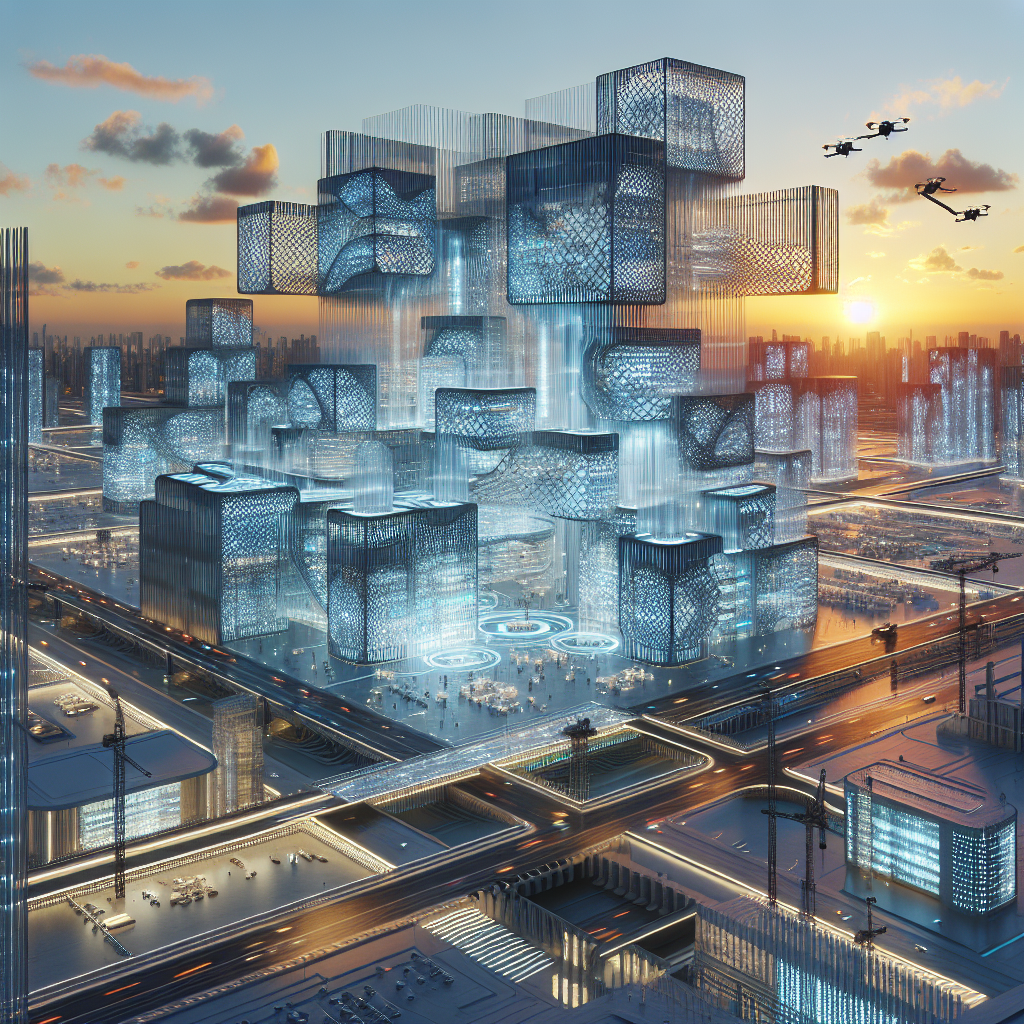
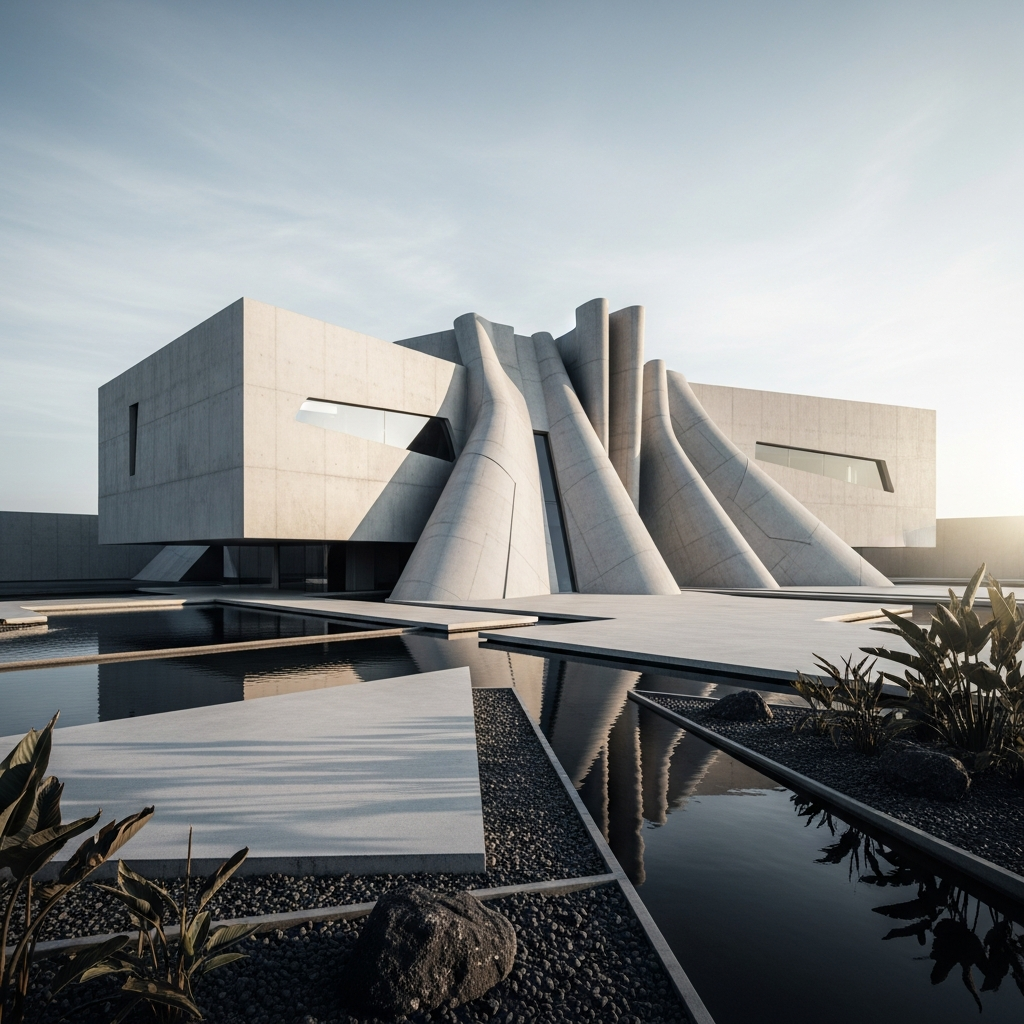
Visually, this new architecture often embraces a hybrid aesthetic: part organic, part mechanical. Smooth, biomimetic surfaces conceal intricate networks of sensors and actuators. Light plays across moving panels, creating an ever-changing façade that mirrors the pulse of the city. The result is a form of living minimalism—a purity of line animated by invisible intelligence.
Urban Implications: Cities That React
When scaled to the urban level, architectural robotics could redefine the fabric of cities. Imagine districts where buildings communicate with one another, sharing data to balance energy loads or manage microclimates. Responsive façades could coordinate to reduce heat islands, while adaptive infrastructure could reroute pedestrian flows during peak hours.
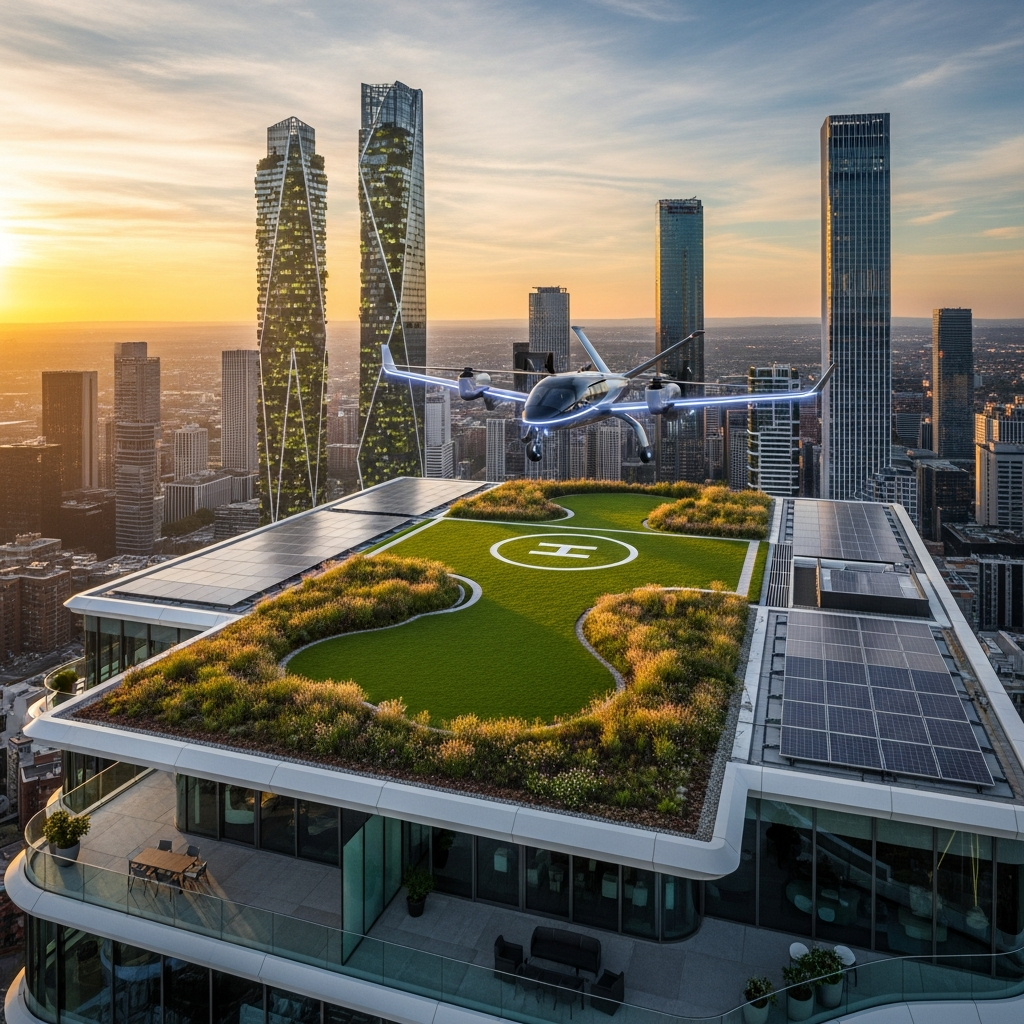
Such visions align with the broader evolution of AI-driven urban planning, where algorithms optimize spatial efficiency and sustainability. The city becomes a networked organism—responsive, resilient, and symbiotic. In this context, architectural robotics is not a niche experiment but a foundational layer of the smart city.
According to a 2025 report by McKinsey, the global market for intelligent building systems is projected to exceed $120 billion by 2030, driven by the convergence of AI, IoT, and sustainable design imperatives. This growth signals a paradigm shift: the built environment is no longer a passive backdrop but an active participant in urban life.
Designing for Motion and Mind
To design for movement and cognition requires a new architectural vocabulary—one that integrates mechanical precision with emotional intelligence. Architects must choreograph motion as they once composed form, ensuring that every transformation serves both function and feeling. The future building is not just efficient; it is empathetic.
In this emerging field, collaboration is key. Architects, roboticists, data scientists, and psychologists must converge to craft environments that think and move with purpose. As we embrace this new frontier, architecture becomes less about constructing objects and more about cultivating relationships—between people, machines, and the spaces they share.
Architectural robotics invites us to reimagine the built world as a living partner—one that breathes, learns, and evolves alongside us. The walls around us are no longer silent; they are beginning to whisper, to respond, and, perhaps soon, to dream.
Keywords: architectural robotics, responsive architecture, kinetic facades, intelligent buildings, cognitive architecture, smart cities, AI in architecture, adaptive design, robotic construction, sustainable architecture.