
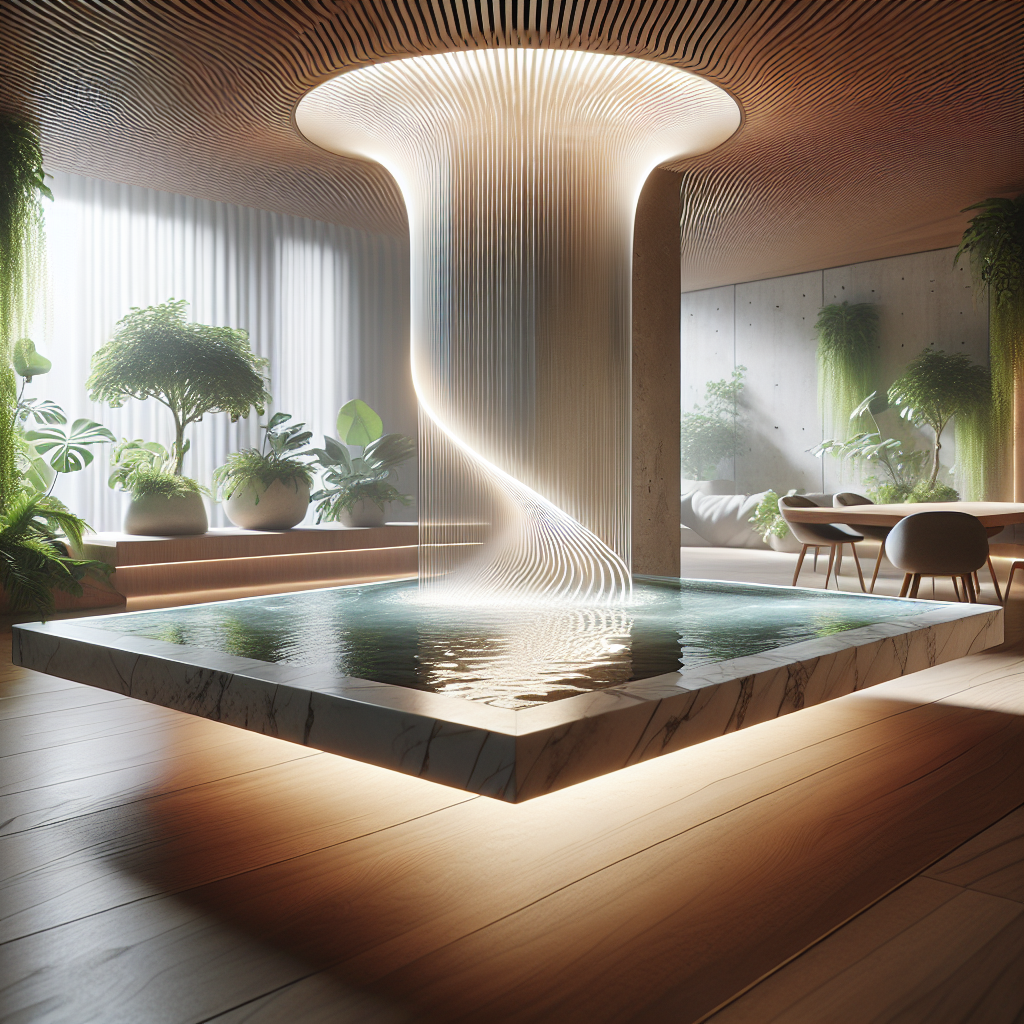
The waterfall table: constant flowing water integrated in furniture surfaces
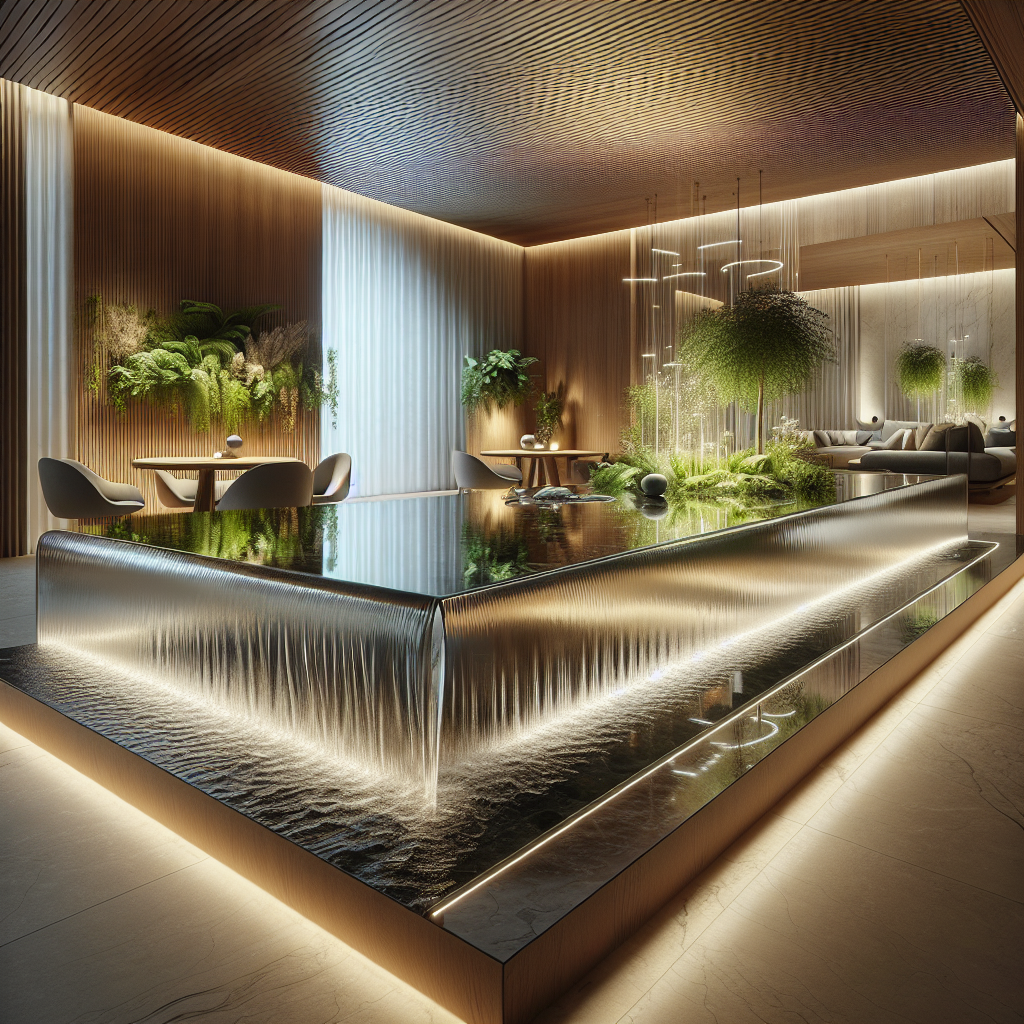
The Waterfall Table: Where Flowing Water Meets Functional Design
In the ever-evolving dialogue between nature and design, few objects capture the essence of movement, serenity, and craftsmanship as profoundly as the waterfall table. This innovative piece of furniture—where constant flowing water is integrated directly into the tabletop—represents a striking convergence of biophilic design, advanced engineering, and sculptural artistry. It is not merely a table; it is a living installation, a kinetic sculpture that transforms static interiors into dynamic, multisensory environments.
The Concept: Fluidity as a Design Language
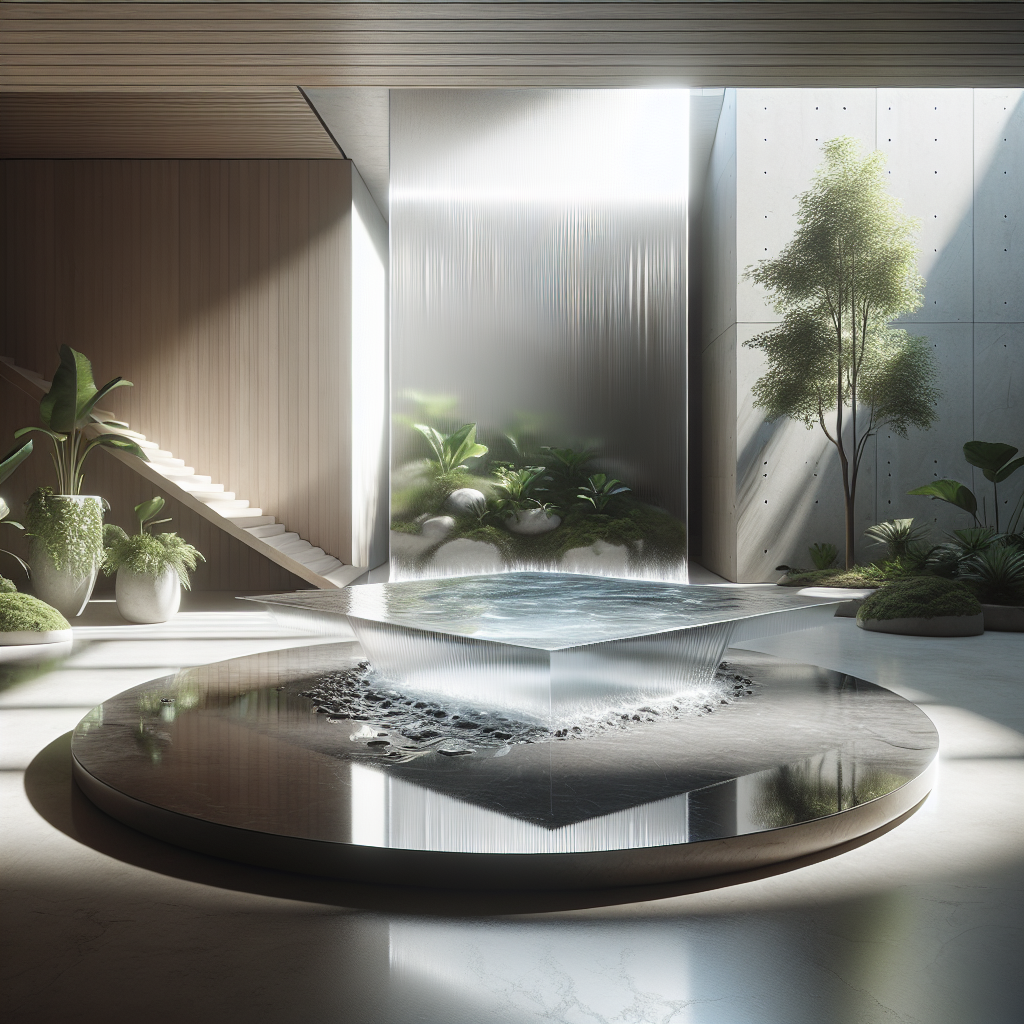
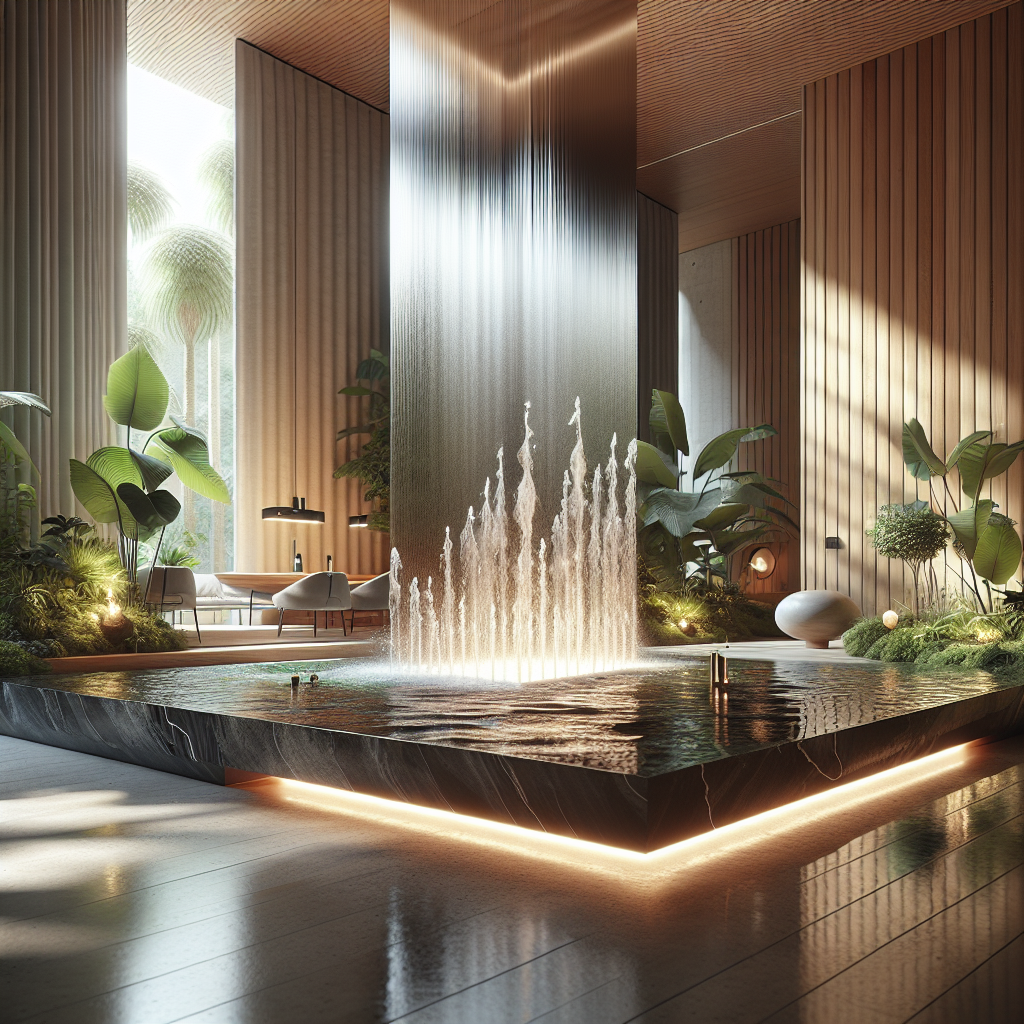
The waterfall table embodies a poetic idea: to bring the element of water—traditionally confined to fountains, pools, or natural landscapes—into the heart of domestic and commercial interiors. Its surface becomes a stage for perpetual motion, where a thin film of water glides across glass, stone, or resin, refracting light and producing a soft, rhythmic soundscape. This interplay of texture, sound, and reflection transforms the table into a living organism within the room.
In design terms, it is a manifestation of what architects and theorists call biophilic design—the practice of integrating natural elements into built environments to enhance human well-being. Studies have shown that exposure to natural stimuli, including the sound and sight of water, can reduce stress, improve concentration, and foster creativity. The waterfall table thus operates not only as a functional object but as a tool for emotional and psychological restoration.
Engineering the Flow: Precision Beneath the Surface
Behind the apparent simplicity of a seamless water sheet lies a complex network of pumps, filters, and sensors. The engineering challenge is to maintain a consistent, laminar flow that is both silent and sustainable. Designers often employ closed-loop systems—where water is continuously recirculated—to minimize waste and ensure cleanliness. Some models integrate UV sterilization or natural filtration through activated charcoal, echoing the sustainable principles explored in biodegradable architecture.
Material selection is equally critical. Tempered glass offers transparency and light diffusion, while polished marble or basalt adds tactile richness. In more experimental versions, designers use hydrophobic coatings to guide water movement, creating intricate ripple patterns that mimic the behavior of natural streams. The result is a surface that feels alive, constantly reconfiguring itself under the subtle choreography of gravity and design intent.
From Concept to Craft: The Designers Leading the Movement
Several contemporary studios have embraced the waterfall table as a medium for exploring the intersection of art, nature, and technology. In Milan, a collaboration between hydrologists and furniture artisans led to a collection where each table’s flow pattern was algorithmically generated, ensuring no two pieces were identical. In Tokyo, a minimalist interpretation used a single sheet of water cascading over a brushed aluminum surface, its sound calibrated to match the rhythm of human breathing—an homage to biophilic wellness principles.
In North America, boutique studios are integrating smart-home connectivity, allowing users to adjust water speed, temperature, and lighting via mobile apps. These innovations align with the broader trend of smart home technology transforming domestic environments into responsive ecosystems. The waterfall table, in this context, becomes both a sensory centerpiece and a symbol of technological sophistication.
The Aesthetic Experience: Light, Sound, and Motion
Visually, the waterfall table introduces a rare quality to interiors: kinetic tranquility. The constant shimmer of water refracts ambient light, producing a dynamic interplay of reflections that evolve throughout the day. In dimly lit spaces, integrated LED systems can transform the table into a glowing landscape—soft blues evoking twilight pools, or warm ambers recalling sunset reflections on stone.
Acoustically, the gentle murmur of flowing water creates a natural white noise effect, masking urban sounds and fostering calm. This auditory layer resonates with the principles of soundscape design, which emphasizes the psychological impact of environmental sound. In open-plan offices or hospitality spaces, the waterfall table can subtly redefine spatial perception, delineating zones through sound rather than walls.
Water as a Symbol: Cultural and Philosophical Dimensions
Throughout history, water has symbolized purity, renewal, and transformation. From the Japanese garden to Islamic courtyard fountains, it has been used architecturally to evoke contemplation and balance. The waterfall table extends this lineage into the contemporary interior, merging ancient symbolism with modern sensibilities. It invites touch, reflection, and pause—qualities increasingly rare in our digitally accelerated environments.
In this sense, the waterfall table resonates with the broader cultural shift toward mindful design—a movement that values sensory engagement and emotional resonance over mere visual spectacle. Much like the Wabi-Sabi aesthetic, it celebrates impermanence and fluidity, reminding us that beauty often lies in transience and change.
Sustainability and Water Ethics
Integrating water into furniture inevitably raises questions about sustainability. Designers are increasingly addressing these concerns through closed-loop systems, low-energy pumps, and water-efficient designs. Some prototypes even harvest condensation from indoor humidity, effectively creating self-sustaining micro-ecosystems. This approach aligns with the ethos of circular design, where every resource is continuously reused and repurposed.
Moreover, the waterfall table serves as a subtle educational tool—reminding users of water’s preciousness. In an era of climate volatility and resource scarcity, embedding water awareness into everyday objects transforms design into advocacy. It’s a poetic yet practical statement: sustainability can be both functional and emotionally resonant.
Applications in Contemporary Interiors
In residential contexts, the waterfall table often anchors living rooms or meditation spaces, functioning as both furniture and focal point. In hospitality design, it introduces a sensory signature—an element of calm that differentiates high-end lounges, spas, and boutique hotels. Corporate environments use it as a biophilic intervention, enhancing well-being and productivity through multisensory engagement.
Architecturally, the integration of moving water within interiors reflects a growing interest in responsive environments—spaces that adapt to human presence and natural rhythms. The waterfall table can be synchronized with lighting systems, HVAC sensors, or ambient soundscapes, forming part of a holistic approach to experiential design. This aligns with the same ethos driving innovations in responsive architecture.
The Future of Fluid Furniture
As materials science and digital fabrication advance, the potential for integrating fluid dynamics into furniture expands dramatically. Imagine surfaces that adjust water flow based on room acoustics, or tables that purify air through evaporative cooling. The convergence of sustainability, sensory design, and technology points toward a future where furniture becomes an active participant in environmental regulation and emotional well-being.
Already, designers are experimenting with micro-hydraulic systems that use minimal water volumes while maximizing visual effect. These innovations echo the same experimental spirit that propelled the rise of sand-printing technology and other material revolutions in design. The waterfall table, in this light, is not a novelty—it is a prototype for a new typology of living, breathing furniture.
Final Reflections: The Poetry of Flow
In a world increasingly defined by digital stillness and visual overload, the waterfall table reintroduces the poetry of flow. It is a reminder that design, at its best, engages all senses and connects us to elemental forces. By merging the tactile with the technological, the static with the fluid, it redefines what furniture can be: not just a surface for use, but a medium for contemplation.
As the boundaries between architecture, art, and ecology continue to blur, the waterfall table stands as a symbol of that convergence—a quiet revolution flowing across the surface of contemporary design.
Keywords: waterfall table, biophilic design, fluid furniture, kinetic design, sustainable interiors, responsive environments, modern furniture innovation
Get the Mainifesto weekly — curated design debates, speculative ideas and the week's best articles every Saturday.