
Kinetic bathrooms: spa-like retreats with programmable water features
Kinetic Bathrooms: Spa-Like Retreats with Programmable Water Features
In the evolving landscape of luxury interior design, the bathroom has transcended its utilitarian origins to become a sanctuary of sensory experience. Today’s kinetic bathrooms—spaces defined by motion, light, and responsive technology—are transforming daily rituals into moments of artful rejuvenation. By merging programmable water features with intelligent design systems, architects and designers are crafting spa-like retreats that engage both body and mind. This is not simply about luxury; it’s about the choreography of wellness through design.
The Rise of the Kinetic Bathroom
The concept of kinetic design—architecture and interiors that move or adapt in response to users or environmental conditions—has long fascinated innovators. From kinetic facades that adjust to sunlight to responsive furniture that morphs to ergonomic needs, movement has become a new form of expression in contemporary design. In the bathroom, this philosophy finds its most intimate application. Here, water becomes the medium of transformation: a dynamic element that can be programmed, shaped, and directed to suit mood, time of day, or personal preference.
According to a 2024 report by the Global Wellness Institute, the wellness real estate market surpassed $400 billion, with spa-inspired home features ranking among the top drivers of growth. The bathroom—once an afterthought—is now a central stage for technological and aesthetic experimentation. The rise of smart showers, digital faucets, and programmable hydrotherapy systems signals a shift toward spaces that are as responsive as they are restorative.
Water as Architecture
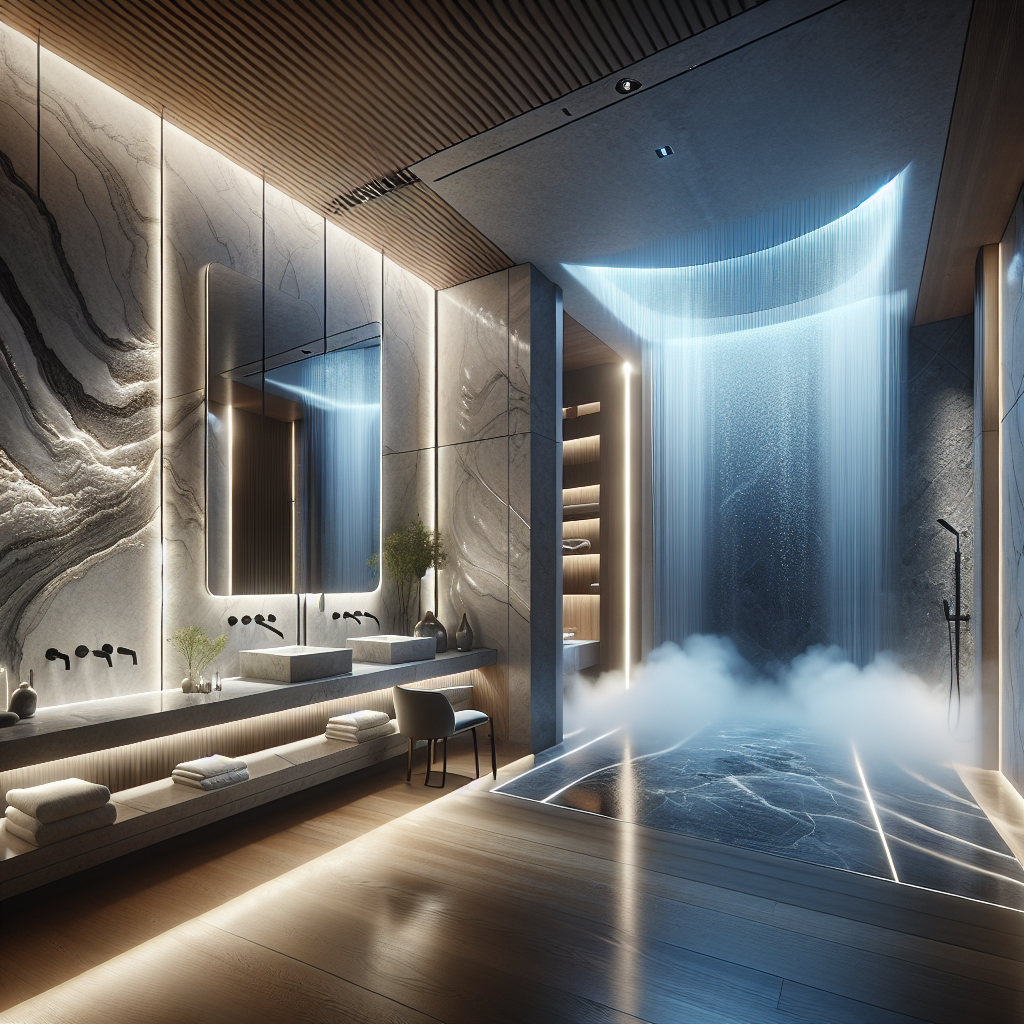
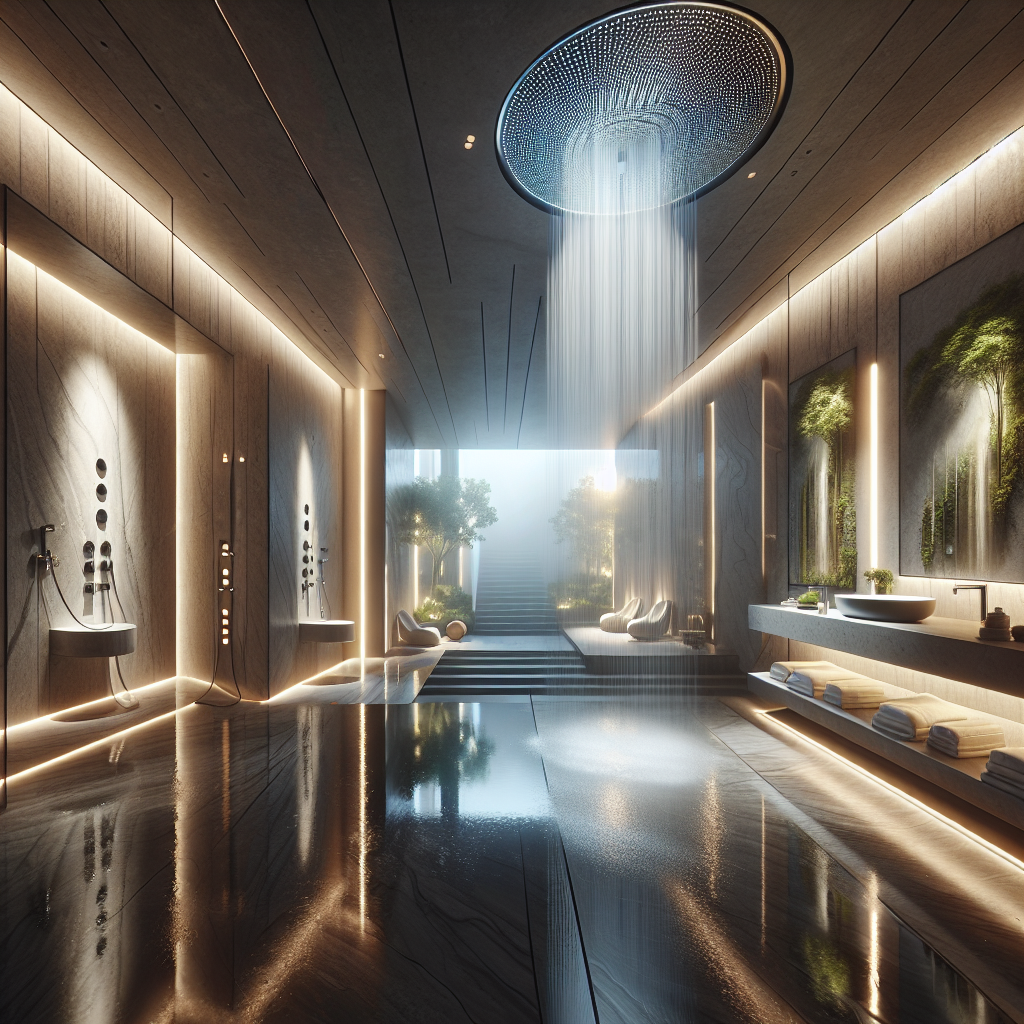
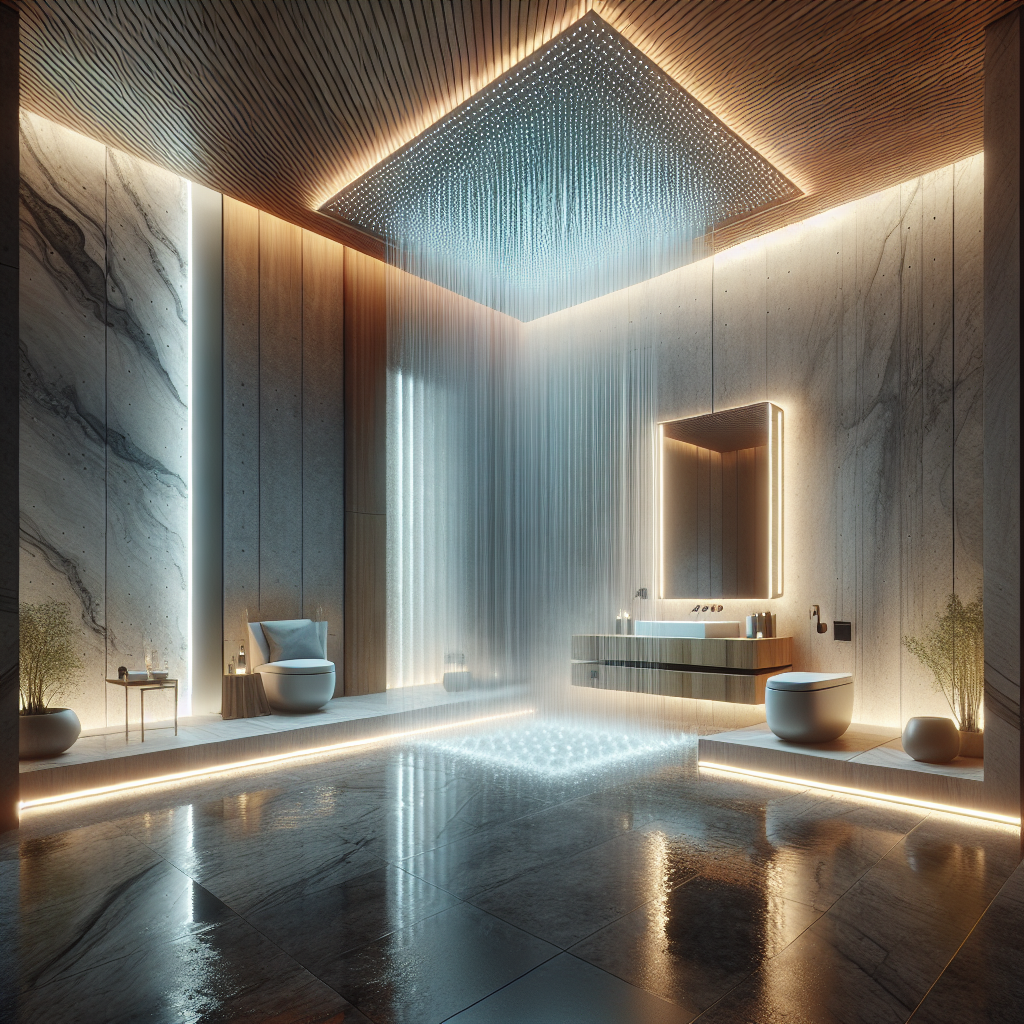
In kinetic bathrooms, water is not merely functional—it is architectural. Imagine a ceiling-mounted rainfall system that mimics natural precipitation patterns, its intensity modulated by voice command or biometric sensors. Picture walls that ripple with digital projections of light and mist, transforming the space into a living sculpture. These experiences are not futuristic fantasies; they are already being realized in high-end residential and hospitality projects across Europe and Asia.
Designers are increasingly drawing inspiration from biomimicry, studying the fluid dynamics of waterfalls, ocean waves, and rainstorms to replicate their soothing effects indoors. This approach aligns with the growing interest in biophilic design, which emphasizes the psychological and physiological benefits of connecting with nature. The result is a bathroom that feels alive—one that breathes, flows, and responds.
Programmable Water Features: The New Ritual
At the heart of the kinetic bathroom lies the programmable water feature. These systems allow users to customize temperature gradients, flow patterns, and even aromatherapy infusions. A morning shower might begin with a cool mist to awaken the senses, gradually warming into a cascading downpour that envelops the body in steam. Evening routines, conversely, might favor gentle pulses of warm water synchronized with ambient lighting and soft soundscapes.
Brands like Dornbracht, Kohler, and Grohe have pioneered digital shower systems that integrate with smart home ecosystems. Using touchscreens or mobile apps, users can design “water choreography”—personalized sequences that blend pressure, temperature, and rhythm. The result is a multisensory experience akin to a spa treatment, but within the privacy of one’s home.
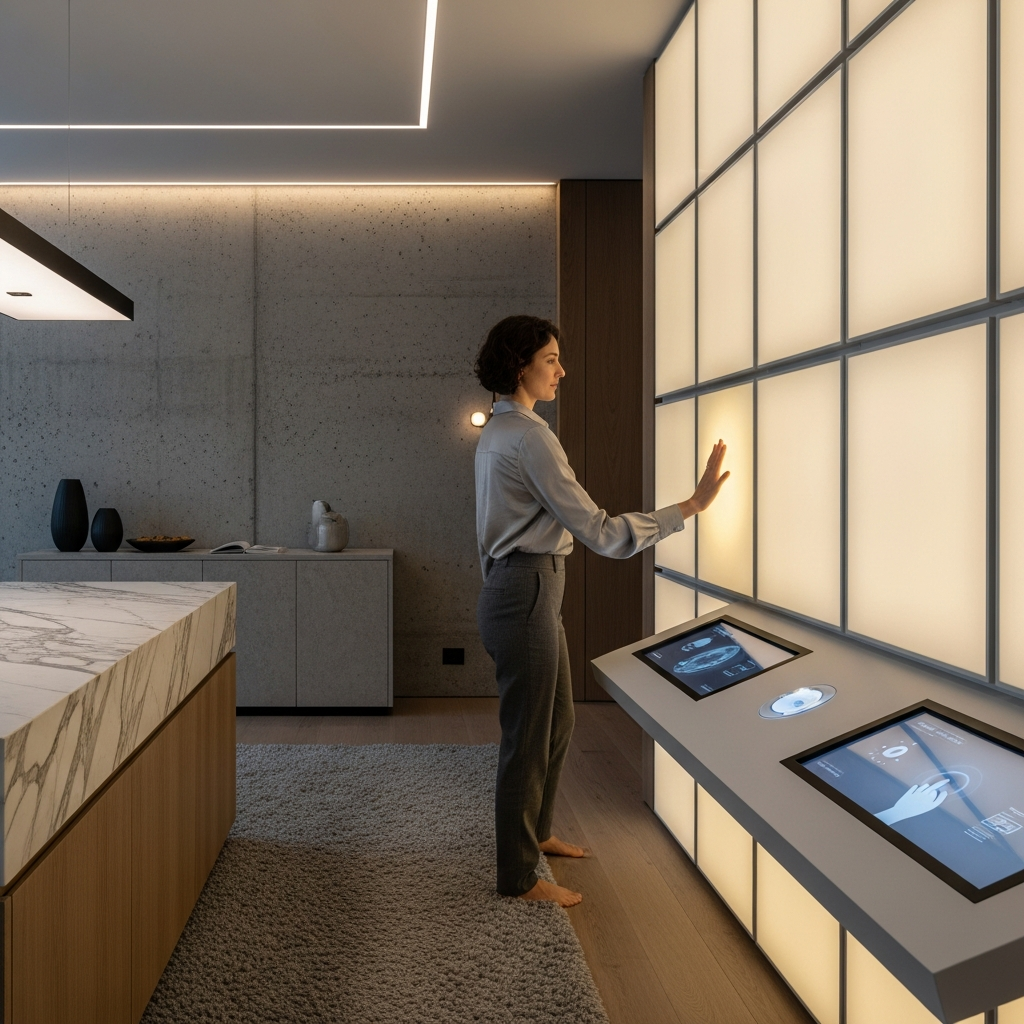
In some avant-garde projects, water features extend beyond the shower. Kinetic bathtubs with variable-depth controls, illuminated basins that respond to hand movements, and mirror-integrated vapor diffusers are redefining what a bathroom can be. These innovations echo the ethos of responsive design, where architecture adapts fluidly to human behavior.
Materiality and Atmosphere
The success of a kinetic bathroom depends not only on technology but also on material sensibility. Designers are favoring tactile surfaces—smooth limestone, honed marble, brushed metal—that complement the fluidity of water. Lighting plays a crucial role: programmable LEDs shift from cool daylight tones to warm amber hues, enhancing circadian balance and emotional comfort.
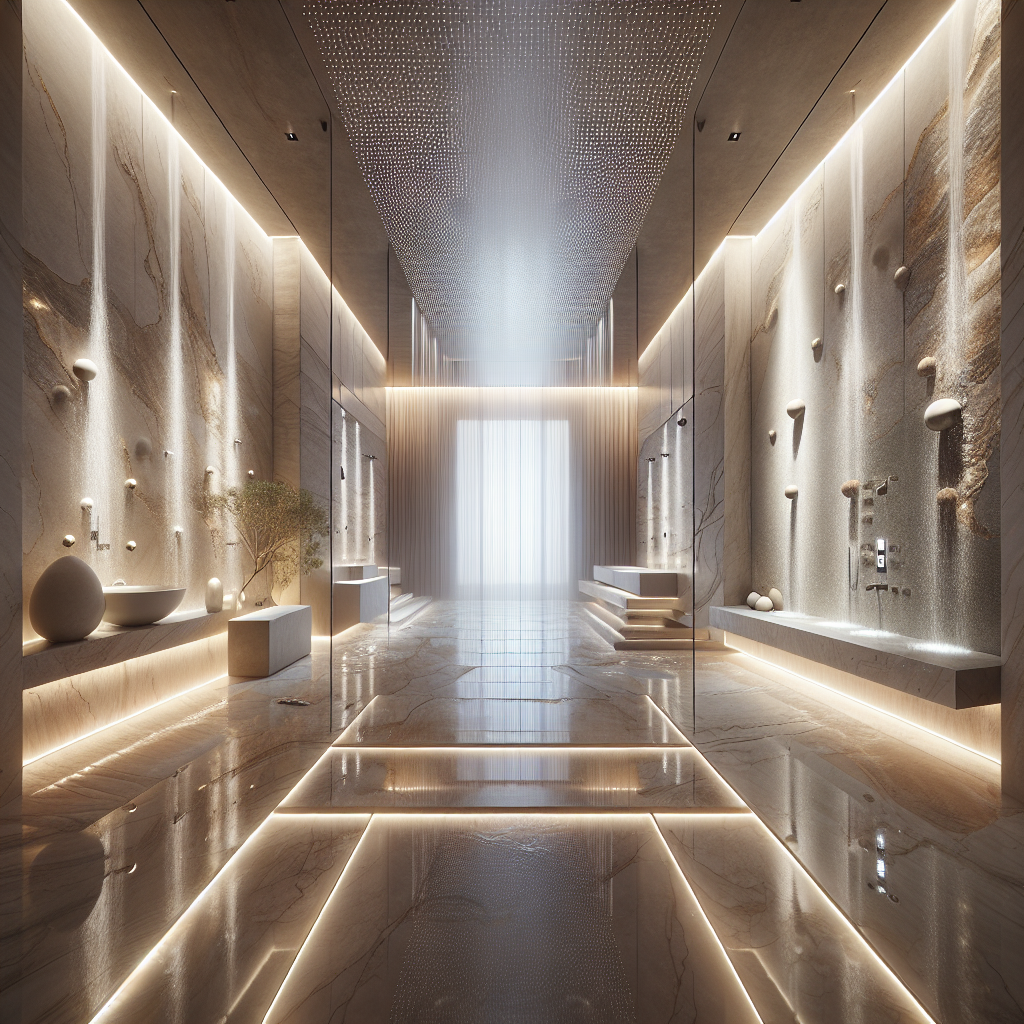
In Tokyo’s Aman Spa, for instance, water channels carved into basalt stone guide streams across the floor, creating a rhythmic soundscape that blurs the boundary between built form and natural flow. Similarly, Milan-based studio Salvatori has explored textural stone surfaces that refract water into shimmering patterns, turning walls into kinetic canvases. These projects exemplify how material and motion can merge to create spaces of profound calm.
Technology Meets Tranquility
While the kinetic bathroom relies on sophisticated engineering, its ultimate goal is serenity. Smart sensors adjust humidity and temperature to maintain optimal comfort, while integrated air purification systems ensure a clean environment. Voice assistants can activate specific “modes”—such as “Morning Energy” or “Evening Calm”—that orchestrate lighting, sound, and water in harmony.
These systems often draw on principles of ergonomics and human-centered design, ensuring that technology enhances rather than overwhelms. The best kinetic bathrooms feel intuitive, not intrusive. They are environments where the user’s gestures and moods guide the space’s behavior, creating a seamless dialogue between human and habitat.
Sustainability and Smart Water Management
As with all design innovations, sustainability remains paramount. Advanced filtration and recirculation systems minimize water waste, while smart meters track consumption in real time. Some luxury residences are experimenting with greywater recycling, using purified shower runoff to irrigate rooftop gardens or flush toilets—an approach that aligns with the principles explored in design’s role in tackling the global water crisis.
Moreover, kinetic bathrooms often employ energy-efficient heating systems and low-flow fixtures that do not compromise experience. The emphasis is on conscious luxury—a design philosophy that values indulgence without excess. As climate awareness deepens, the ability to balance sensory pleasure with environmental responsibility will define the next generation of high-end interiors.
Case Studies: Where Design and Wellness Converge
In Copenhagen’s Vipp Shelter, a minimalist prefab retreat, the bathroom is encased in glass, overlooking a forest lake. A rainfall showerhead embedded in the ceiling mimics the sound of gentle drizzle, while programmable lighting mirrors the hues of the surrounding landscape. The result is a meditative experience that blurs the line between interior and exterior worlds.
Meanwhile, in Dubai’s Jumeirah Bay residences, kinetic water walls double as sculptural dividers, their flows shifting in response to ambient temperature. These installations demonstrate how programmable water can become both an aesthetic and functional element—cooling the air, humidifying the space, and offering visual tranquility.
The Future of Sensory Architecture
The kinetic bathroom is part of a broader movement toward sensory architecture—spaces that engage multiple senses to promote well-being. As AI and data-driven design evolve, future bathrooms may anticipate user needs through biometric feedback, adjusting conditions before we even articulate them. Imagine a space that detects stress levels and responds with a curated water sequence, ambient scent, and sound frequency designed to restore equilibrium.
This convergence of design, neuroscience, and technology marks a profound shift in how we conceive domestic environments. The bathroom, once a purely functional zone, is becoming a site of emotional and physiological recalibration—a personal spa attuned to the rhythms of its inhabitant.
Conclusion: The Art of Living Fluidly
In an age defined by overstimulation, the kinetic bathroom offers a counterpoint: a sanctuary of movement and stillness, precision and poetry. It embodies the idea that design can be both intelligent and intuitive, that technology can serve serenity rather than distraction. As programmable water features become more accessible, they will redefine not only how we bathe, but how we inhabit space itself.
Ultimately, the kinetic bathroom is less about innovation for its own sake and more about the choreography of daily life. It invites us to live fluidly—to embrace the ebb and flow of experience as both art and ritual.
Keywords: kinetic bathrooms, programmable water features, spa-like retreats, smart bathroom design, responsive interiors, luxury wellness architecture
Get the Mainifesto weekly — curated design debates, speculative ideas and the week's best articles every Saturday.