
Cloaked in color: hidden entrances camouflaged with gradient paints
Cloaked in Color: Hidden Entrances Camouflaged with Gradient Paints
In contemporary architecture, entrances have long been treated as statements—thresholds that announce, invite, or impress. Yet a growing countercurrent in design is reimagining the doorway not as a point of emphasis, but as a quiet disappearance. Through the use of gradient paints and chromatic blending techniques, architects and designers are crafting hidden entrances that dissolve into their surroundings, creating a seamless interplay between surface, color, and perception. This trend—equal parts aesthetic experiment and conceptual provocation—challenges our assumptions about visibility, privacy, and the very act of entering a space.
The Art of Disappearance
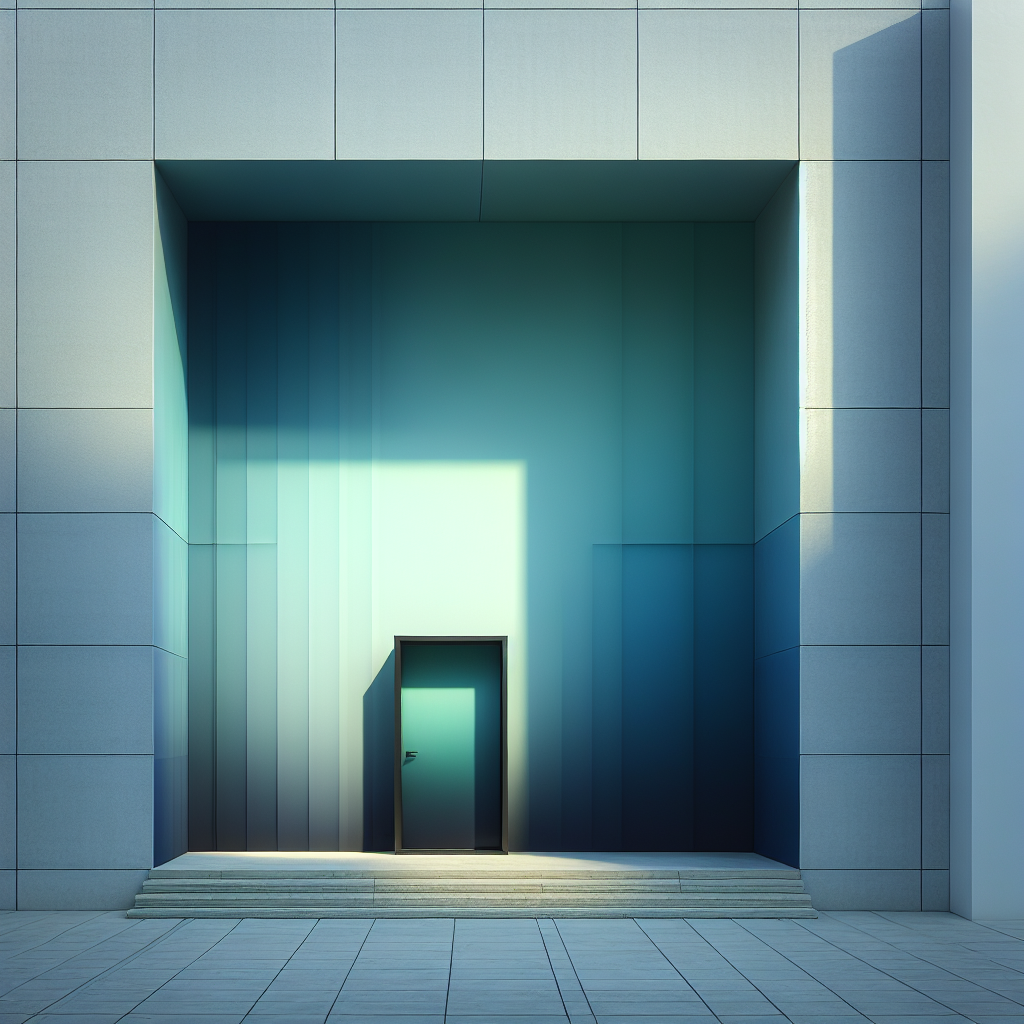
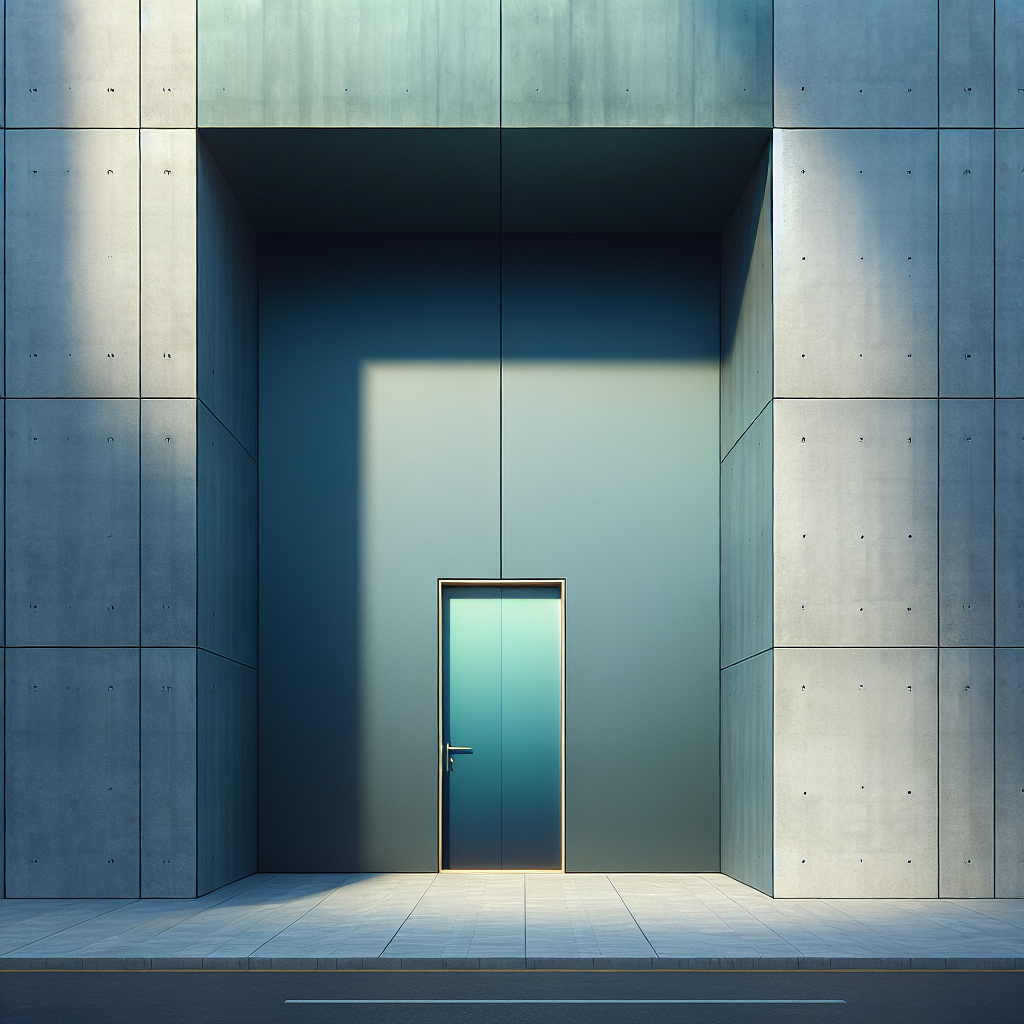
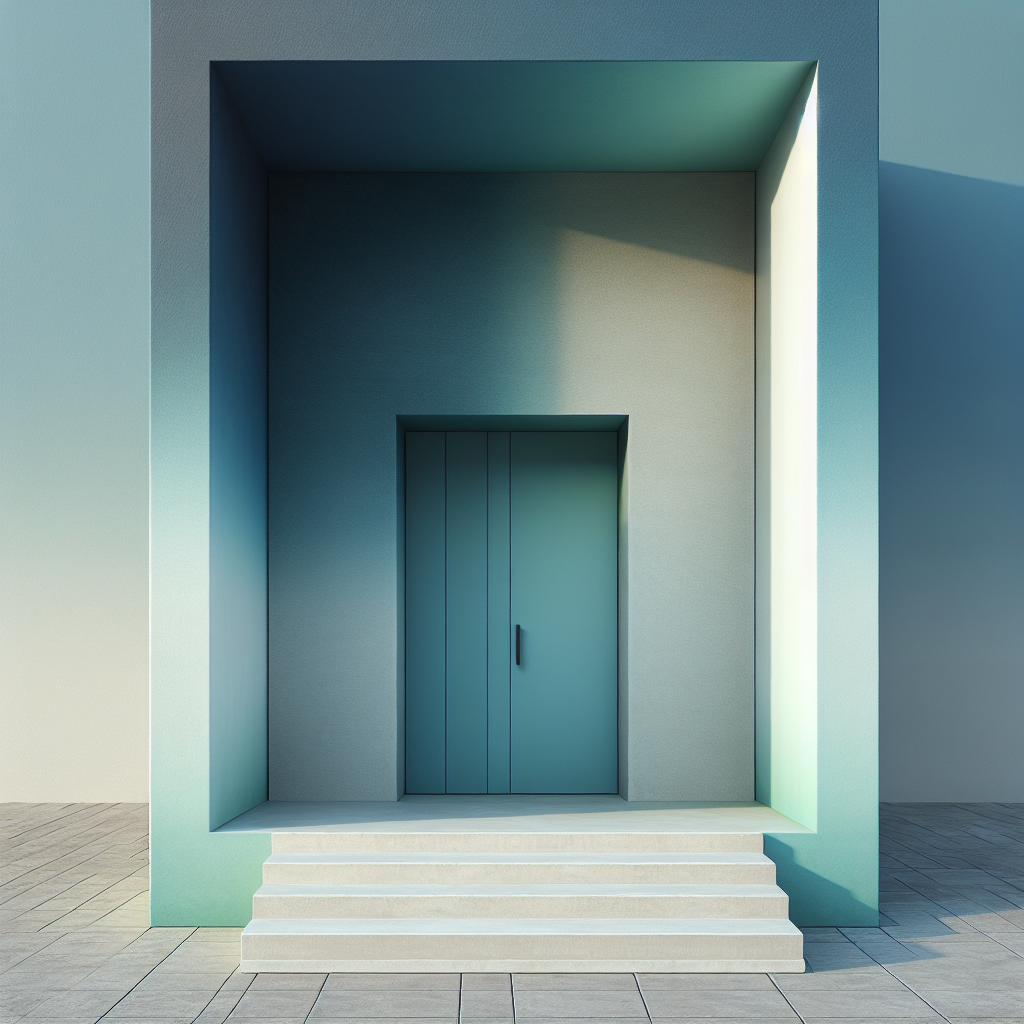
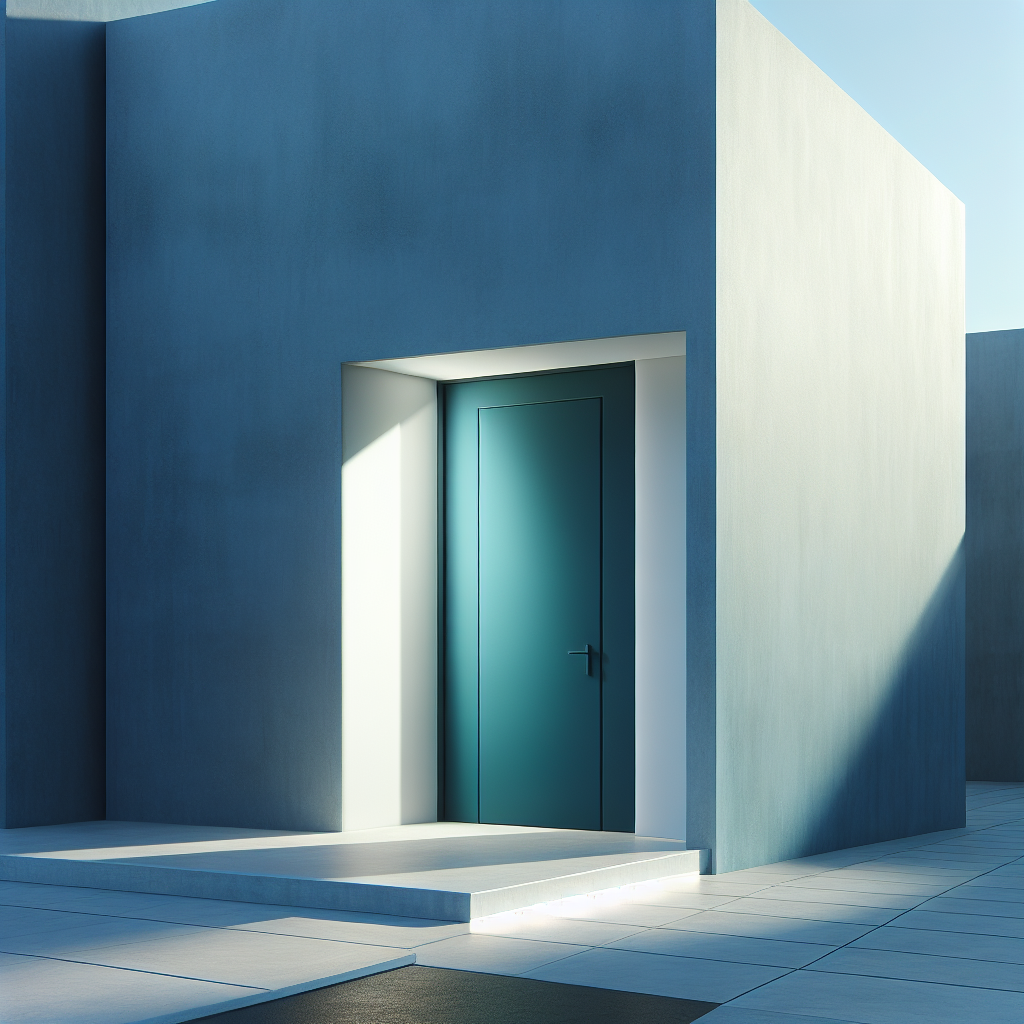
To understand the allure of the camouflaged entrance, one must first appreciate the psychological tension between revelation and concealment. The idea of hiding an entryway within a wall of color is not merely decorative—it’s experiential. A gradient façade that shifts from deep ultramarine to pale celadon can obscure a door’s outline so completely that the threshold becomes perceptually invisible until movement or light betrays its presence. The result is a moment of discovery, a fleeting sense of magic that redefines spatial boundaries.
In a cultural landscape saturated with visual noise, this quiet disappearance offers a form of architectural mindfulness. It invites users to slow down, to look more closely, to question what they see. The hidden entrance becomes a metaphor for subtlety in design—a gesture that values restraint over spectacle. This philosophy resonates with the broader movement toward chromatic harmony in architecture, where color is not an afterthought but a structural language in itself.
From Paint to Perception: The Science Behind the Gradient
Gradient paint technology has evolved dramatically in recent years, thanks to innovations in pigment chemistry and digital application methods. Unlike traditional color blocking, gradient systems rely on the precise layering of micro-pigments that shift hue depending on light angle and surface curvature. Some use iridescent or optically coated particles to achieve subtle transitions that mimic natural phenomena—sunset skies, mineral oxidation, or ocean depths.
Architectural studios are increasingly collaborating with material scientists to produce façades that respond dynamically to environmental conditions. In humid climates, thermochromic coatings can alter color intensity, further blurring the distinction between wall and door. The result is a living surface—an architecture that breathes, adapts, and conceals in rhythm with its surroundings. This technological sophistication aligns with the broader trend of responsive architecture, where buildings engage in an ongoing dialogue with their environment.
Case Studies: The Invisible Threshold
One of the most striking examples of this emerging aesthetic can be found in a private residence in Kyoto, where architect Keisuke Maeda used a continuous gradient from charcoal to misty gray to conceal a side entrance. The effect is both poetic and practical: the door vanishes into the façade during daylight, only revealing itself under the warm glow of evening light. Visitors describe the experience as “entering through a shadow.”
In Copenhagen, the design collective Norm Architects collaborated with a local pigment lab to create a retail space where the main entrance is disguised within a seamless wall of pale terracotta that deepens toward the base. The gradient not only hides the door but also subtly guides the eye upward, emphasizing the building’s vertical rhythm. This interplay of concealment and directionality transforms a simple act—walking through a door—into a choreographed encounter with color and form.
Meanwhile, in Los Angeles, a gallery by Studio Ossidiana employs a façade that transitions from metallic lavender to translucent pearl. The entrance, embedded within this chromatic field, appears and disappears depending on the viewer’s position. It’s a nod to the trompe-l’œil tradition, reinterpreted through contemporary material science.
Philosophy of the Hidden
Beyond their visual intrigue, hidden entrances camouflaged with gradient paints raise deeper questions about spatial ethics and user experience. In an age obsessed with transparency and openness, what does it mean to hide? Concealment can be a form of protection, a way to create intimacy within the urban fabric. It can also serve as a critique of overexposure—an architectural whisper in a world of shouts.
Architects like Fala Atelier and Bureau de Change have explored this tension in projects that blur the line between façade and function. Their work suggests that invisibility can be a luxury—a spatial privilege that grants control over one’s environment. The gradient becomes a veil, a chromatic filter that mediates between public and private realms.
This approach echoes the sensibilities of wabi-sabi aesthetics, where impermanence and subtlety are celebrated. A door that disappears into its wall embodies this philosophy, reminding us that beauty often resides in what is not immediately seen.
Crafting the Perfect Camouflage
Achieving a truly seamless hidden entrance requires a synthesis of disciplines—architecture, color theory, material science, and craftsmanship. The process begins with a careful study of light: how it moves across the surface, how it interacts with adjacent materials, and how it changes throughout the day. Gradient application is typically executed using fine-mist spray systems or robotic arms capable of micro-layering pigments at controlled densities.
Texture plays a crucial role as well. A matte finish absorbs light and deepens the illusion of continuity, while a satin or semi-gloss surface introduces subtle reflections that can either reveal or conceal the door’s edges. Some designers incorporate micro-engraved patterns that further distort perception, transforming the entrance into a living optical field.
These techniques align with the broader experimentation seen in reflective and illusion-based design, where perception becomes the primary medium. The hidden entrance, in this context, is not just a functional feature—it’s a performative act of architecture.
Urban Implications and Future Directions
As cities become denser and façades more performative, the notion of the hidden entrance takes on new relevance. In mixed-use developments, camouflaged doors can delineate private from public zones without resorting to signage or barriers. In cultural institutions, they can create moments of surprise and delight, turning circulation into an experiential journey.
Moreover, gradient-painted façades contribute to the visual softening of urban environments. By diffusing hard edges and blending structures into their context, they reduce visual clutter and foster a sense of calm. This aligns with the growing emphasis on biophilic and sensory design, which seeks to reconnect humans with subtle, nature-inspired aesthetics.
Looking ahead, advancements in smart coatings and digital fabrication will likely expand the possibilities of chromatic camouflage. Imagine façades that shift color in response to pedestrian movement, or doors that reveal themselves only when approached. These speculative scenarios hint at a future where architecture becomes both sentient and poetic—responsive not only to climate but to curiosity.
A New Kind of Opulence
In the end, the hidden entrance cloaked in gradient color represents a new kind of luxury—one defined not by ostentation, but by nuance. It’s an architecture of restraint, where the boundary between art and function dissolves into a continuous field of hue. The gesture is quiet, but its impact profound: a reminder that in design, the most powerful statements are often those whispered in color.
As architects continue to explore the emotional and perceptual dimensions of space, the gradient-painted entrance stands as a symbol of this evolution—a fusion of craft, technology, and imagination that redefines what it means to cross a threshold.
Keywords: hidden entrances, gradient paints, camouflaged architecture, color in architecture, chromatic façades, architectural camouflage, responsive design, illusion-based design
Published on 12/16/2025
Get the Mainifesto weekly — curated design debates, speculative ideas and the week's best articles every Saturday.