
Rolling vantage points: balconies that pivot for changing city views

Rolling Vantage Points: Balconies That Pivot for Changing City Views
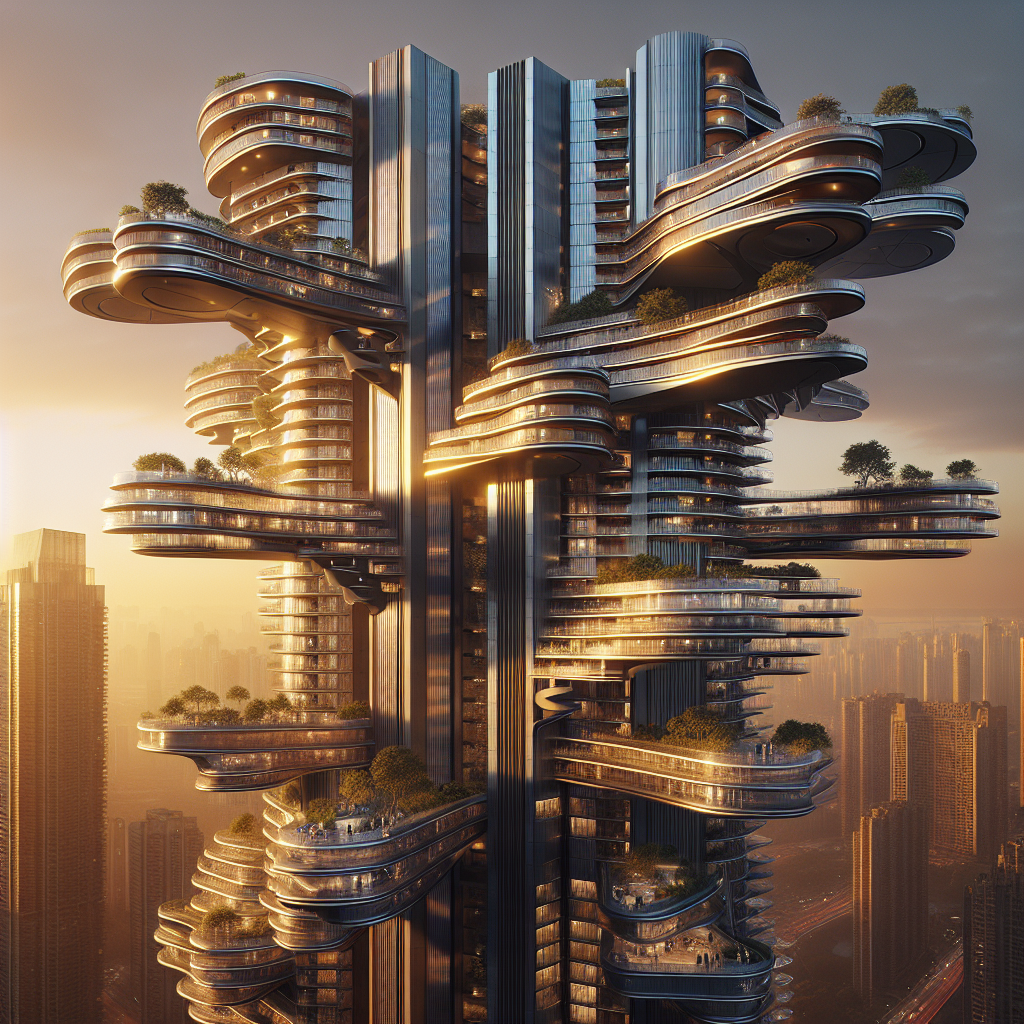
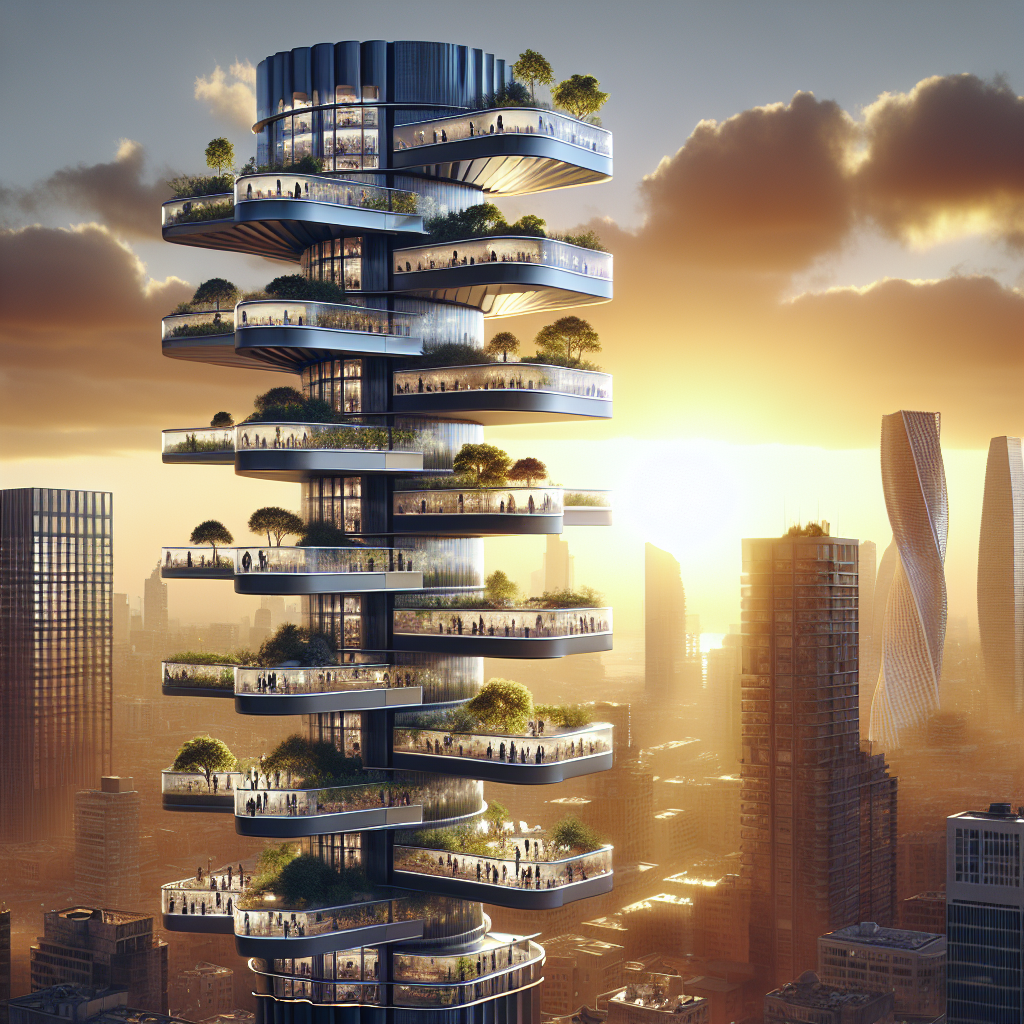
In the evolving lexicon of urban architecture, the balcony—once a static architectural appendage—has begun to move. Quite literally. The emergence of pivoting balconies, or “rolling vantage points,” is redefining how residents interact with their cities, offering a dynamic, mechanical poetry of motion that turns façades into living, breathing organisms. As architects continue to explore the intersection of movement, sustainability, and user experience, these rotating platforms are becoming the new frontier of kinetic architecture.
The Architecture of Motion
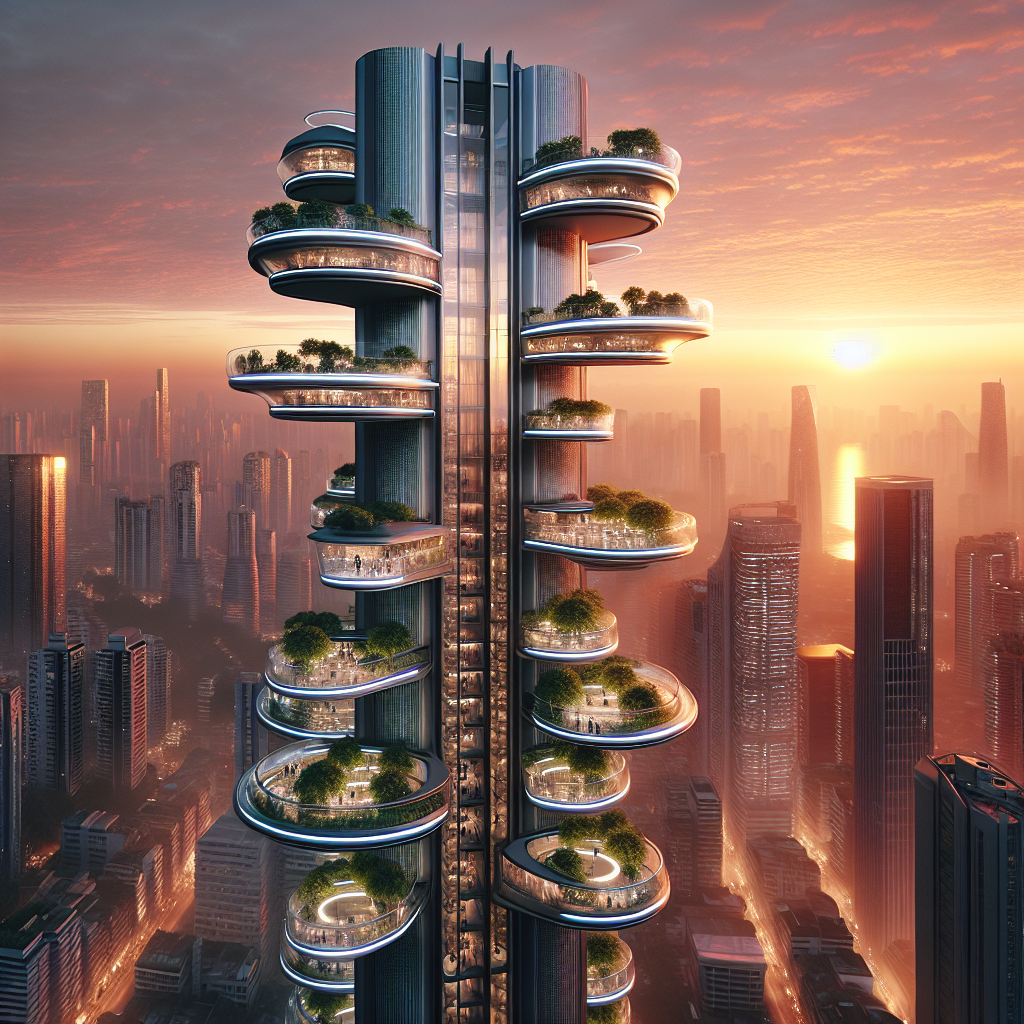
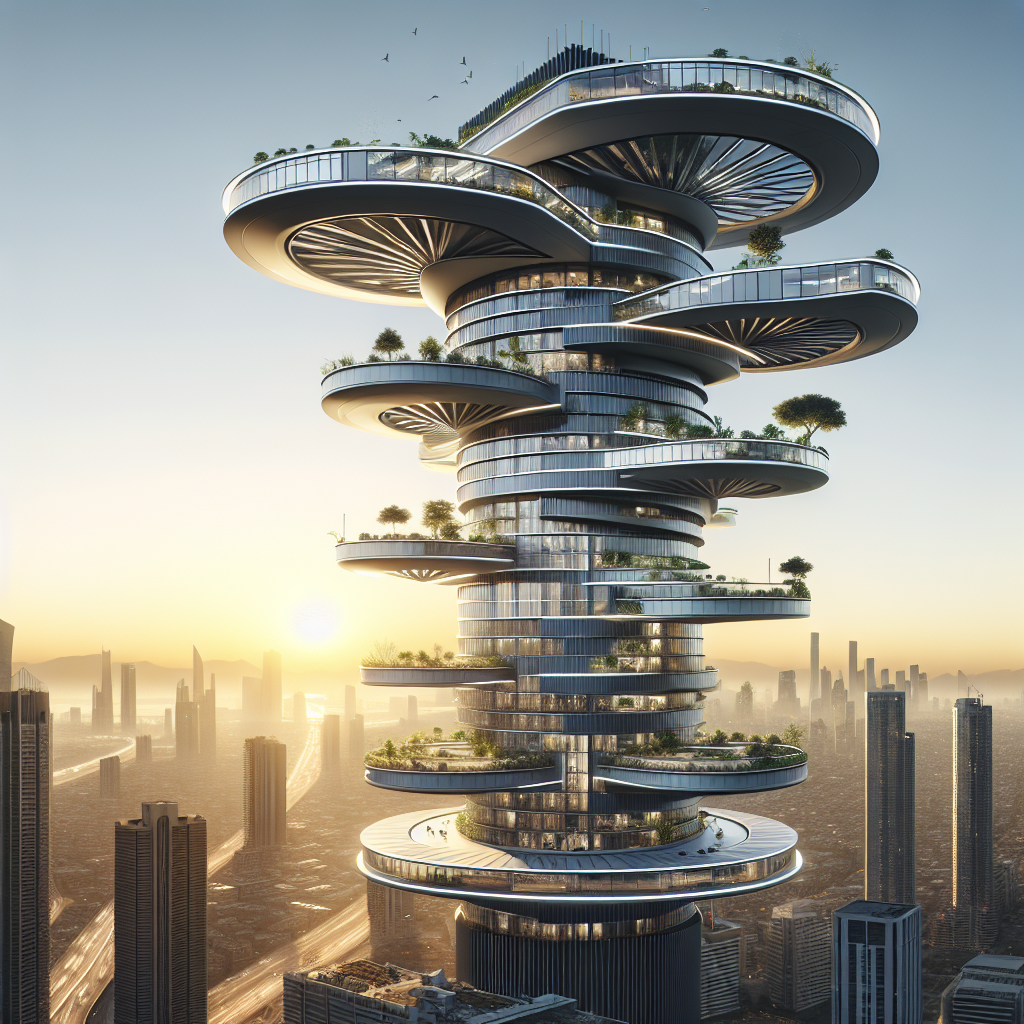
Balconies have long been symbols of urban life—thresholds between private and public realms, offering both retreat and spectacle. Yet, for decades, their design remained largely unchanged: a fixed slab projecting from a façade. The introduction of rotating balcony systems—engineered to pivot, roll, or swivel—has transformed this typology into a performative element of architecture. Drawing inspiration from kinetic façades and adaptive shading systems, these mobile structures enable residents to reorient their view, chase sunlight, or retreat into shade with a simple mechanical gesture.
At the heart of this innovation lies a convergence of engineering precision and architectural imagination. Advanced bearing systems, lightweight carbon-fiber frames, and smart automation allow balconies to rotate 90 to 360 degrees, depending on the design. Some are motorized, responding to environmental sensors; others rely on manual rotation, offering a tactile, almost ritualistic engagement with the building’s exterior. This evolution mirrors the broader movement toward responsive architecture, where buildings adapt in real time to their inhabitants and surroundings.
Case Studies: From Concept to Cityscape
One of the earliest explorations of the rotating balcony concept can be traced to experimental housing prototypes in Northern Europe, where architects sought to maximize limited sunlight during winter months. In Copenhagen, a residential complex designed by Studio Lumo features pivoting glass balconies that rotate toward the sun, creating a dynamic façade that shifts throughout the day. The effect is mesmerizing: the building’s exterior becomes a kinetic mosaic of reflection and transparency, each balcony catching light differently as it turns.
In Tokyo, a city renowned for its spatial ingenuity, the architectural firm Nendo introduced a prototype for a modular rotating balcony system that doubles as a vertical garden. Each unit can pivot independently, allowing residents to choose between an open-air terrace or a shaded, plant-filled alcove. This concept aligns with the growing influence of biophilic design, merging mechanical innovation with natural integration.
Meanwhile, in Dubai, a city synonymous with architectural spectacle, a high-rise development features motorized balconies that rotate 180 degrees to offer panoramic views of both desert and sea. The system is powered by solar energy, a nod to the principles of solar-powered design and sustainable urban living. Here, the balcony becomes more than an amenity—it becomes a symbol of adaptability in a climate-challenged world.
Engineering the Experience
The mechanics behind pivoting balconies are as elegant as they are complex. Most systems employ a central rotational axis integrated into the building’s structural frame, supported by precision-engineered bearings and load-distribution mechanisms. Safety remains paramount: motion sensors prevent rotation during high winds, while locking systems secure the balcony in place when not in use. Materials such as reinforced aluminum, laminated glass, and weather-resistant composites ensure durability without compromising aesthetic refinement.
Yet the true innovation lies in the user experience. Imagine a morning coffee ritual where one turns the balcony toward the sunrise, or an evening gathering where the platform pivots to frame the city’s illuminated skyline. This choreography of movement transforms the balcony into an instrument of personal expression—a customizable lens through which to experience the urban panorama.
Urban Implications: The Moving Façade
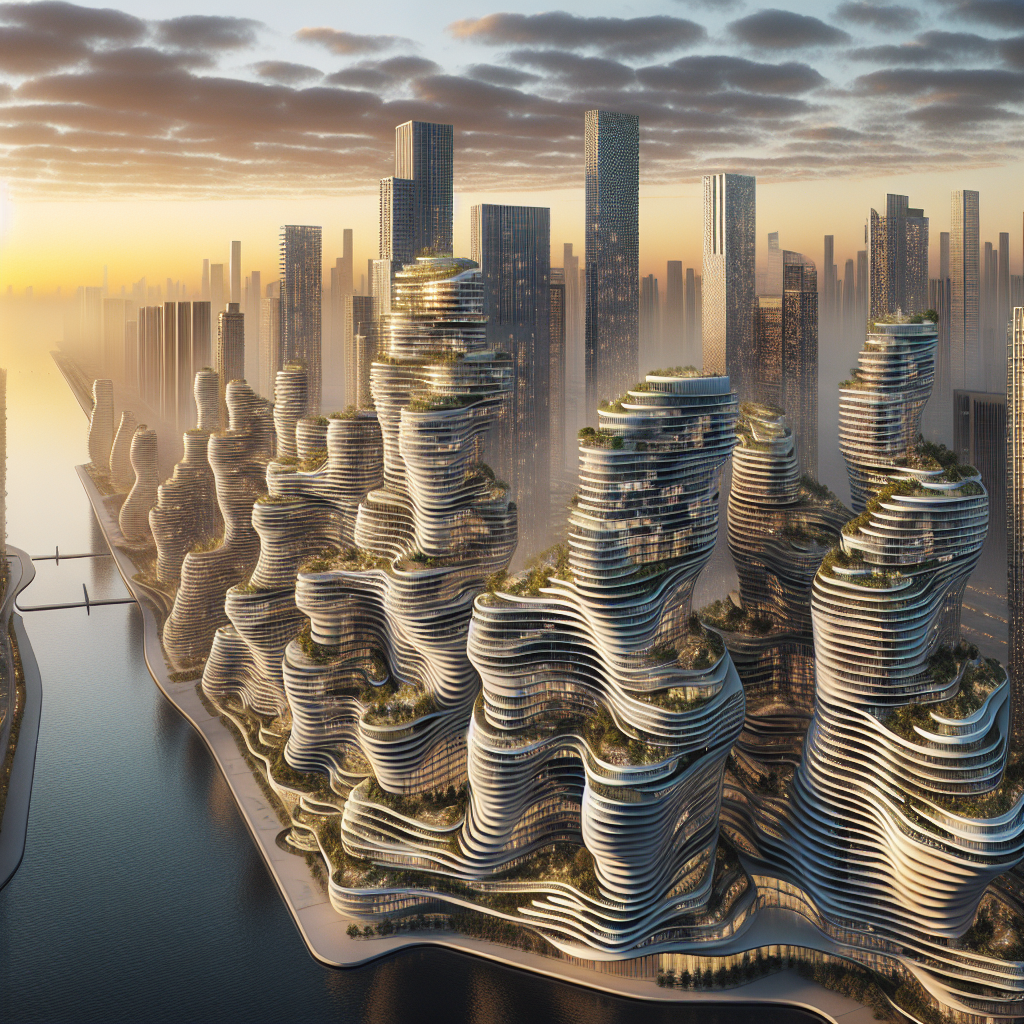
From a citywide perspective, the introduction of rotating balconies redefines the relationship between architecture and its environment. Buildings equipped with these systems appear to “breathe,” their façades shifting subtly throughout the day. This dynamic quality challenges the static skyline, creating a sense of urban rhythm and visual fluidity. In dense metropolitan areas, where sightlines are often obstructed, the ability to pivot one’s viewpoint becomes a luxury of both privacy and perspective.
Urban planners are beginning to recognize the potential of these kinetic elements in fostering more interactive cityscapes. A 2024 report by the World Green Building Council highlights the role of adaptive architectural components in improving occupant well-being and energy efficiency. Rotating balconies, by optimizing natural light and ventilation, contribute to reduced energy consumption while enhancing psychological comfort—a synergy that aligns with the global shift toward net-zero architecture.
Design Language: Between Technology and Emotion
Beyond their mechanical sophistication, pivoting balconies embody a new design language—one that fuses technological dynamism with emotional resonance. Their movement introduces an element of unpredictability, a gentle reminder that architecture can evolve in real time. The play of light on rotating glass panels, the sound of bearings gliding in silence, the tactile satisfaction of turning a platform—all contribute to a multisensory experience that blurs the boundary between inhabitant and environment.
Architects such as Carlo Ratti and Heatherwick Studio have long advocated for buildings that “respond” to human behavior. The rotating balcony, in this sense, is a microcosm of that philosophy: a space that listens, adapts, and transforms. It resonates with the ethos of kinetic façades, yet operates on a more intimate scale—one that directly engages the individual rather than the collective.
Material Futures and Sustainability
As the demand for sustainable materials intensifies, the next generation of pivoting balconies is likely to incorporate biodegradable composites and smart materials capable of self-regulation. Research into biodegradable architecture suggests that future balcony systems could use bio-resins or recycled aluminum alloys, reducing their carbon footprint without sacrificing strength. Integration with photovoltaic surfaces could allow balconies to generate their own energy, transforming them into micro power stations that feed back into the building’s grid.
Moreover, as urban biodiversity becomes a design priority, rotating balconies may serve as mobile ecosystems—platforms for pollinator-friendly plants or vertical micro-gardens that rotate to optimize sunlight exposure. This concept echoes the principles of biophilic design, merging ecology with mechanical ingenuity to create living façades that both move and grow.
The Future of Urban Living
By reimagining the balcony as a kinetic interface, architects are not merely adding novelty—they are redefining how we inhabit vertical space. The rotating balcony symbolizes a shift from passive observation to active participation in the urban environment. It empowers residents to curate their own views, control their microclimate, and engage with the city as a dynamic, ever-changing landscape.
As cities continue to densify, the demand for adaptable, space-efficient solutions will only intensify. The rolling vantage point—part balcony, part observatory—offers a compelling response: a fusion of engineering artistry and human-centered design that transforms the act of looking out into an act of living fully within the city’s pulse.
In this new architectural paradigm, façades no longer stand still. They turn, breathe, and evolve—mirroring the restless energy of the urban world they frame. The balcony, once a static threshold, has become a stage for movement, emotion, and light—a rotating testament to architecture’s enduring capacity for reinvention.
Published on 12/05/2025
Keywords: rotating balconies, kinetic architecture, responsive design, sustainable architecture, pivoting balcony systems, dynamic façades, urban design innovation
Get the Mainifesto weekly — curated design debates, speculative ideas and the week's best articles every Saturday.