
Wave-like balconies undulating: designs on downtown high-rises
Wave-Like Balconies Undulating: Designs on Downtown High-Rises
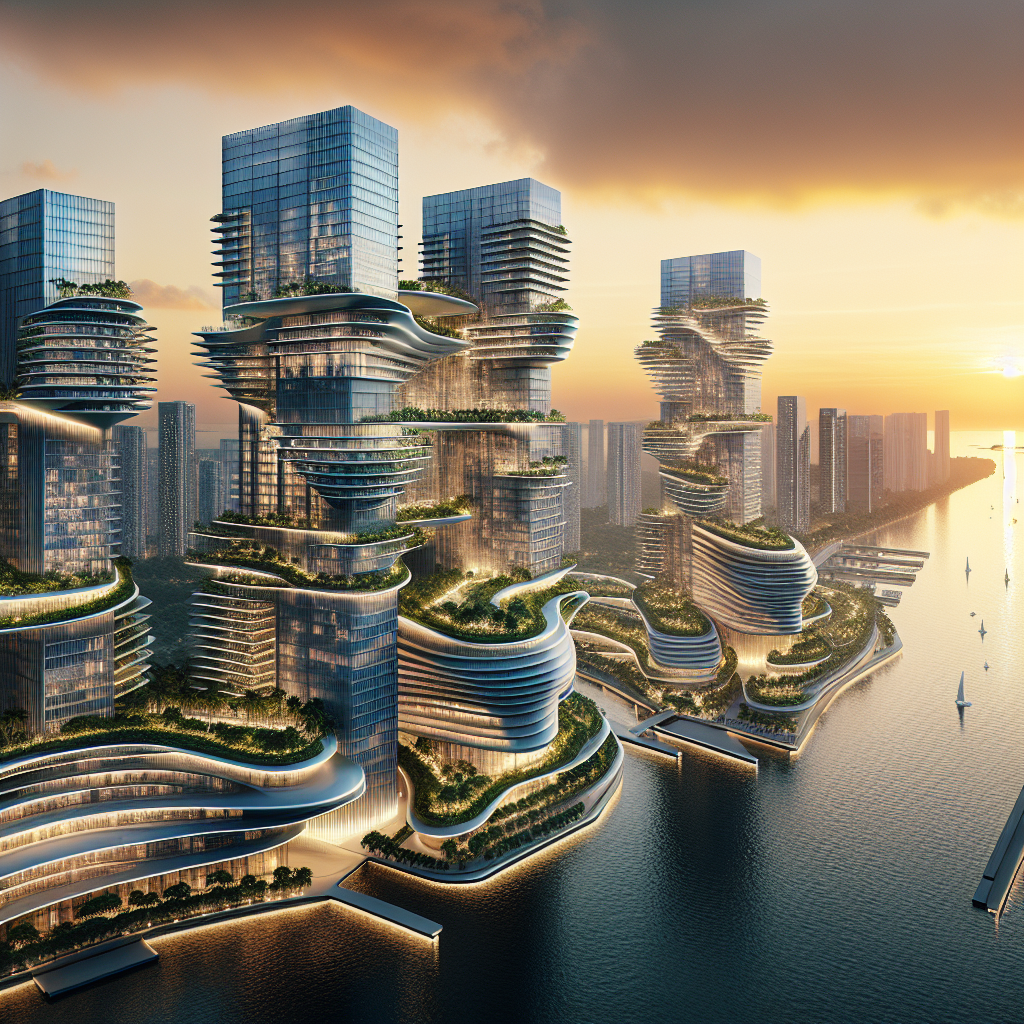
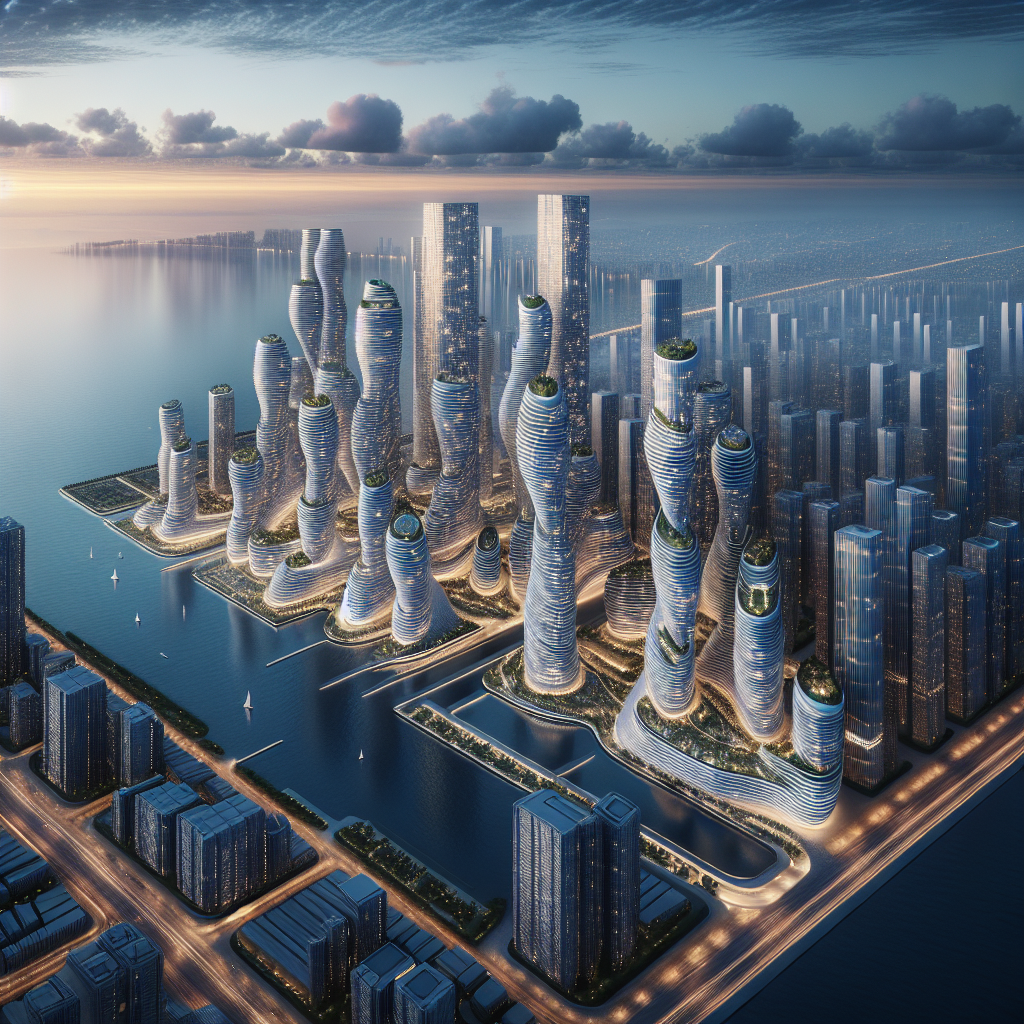
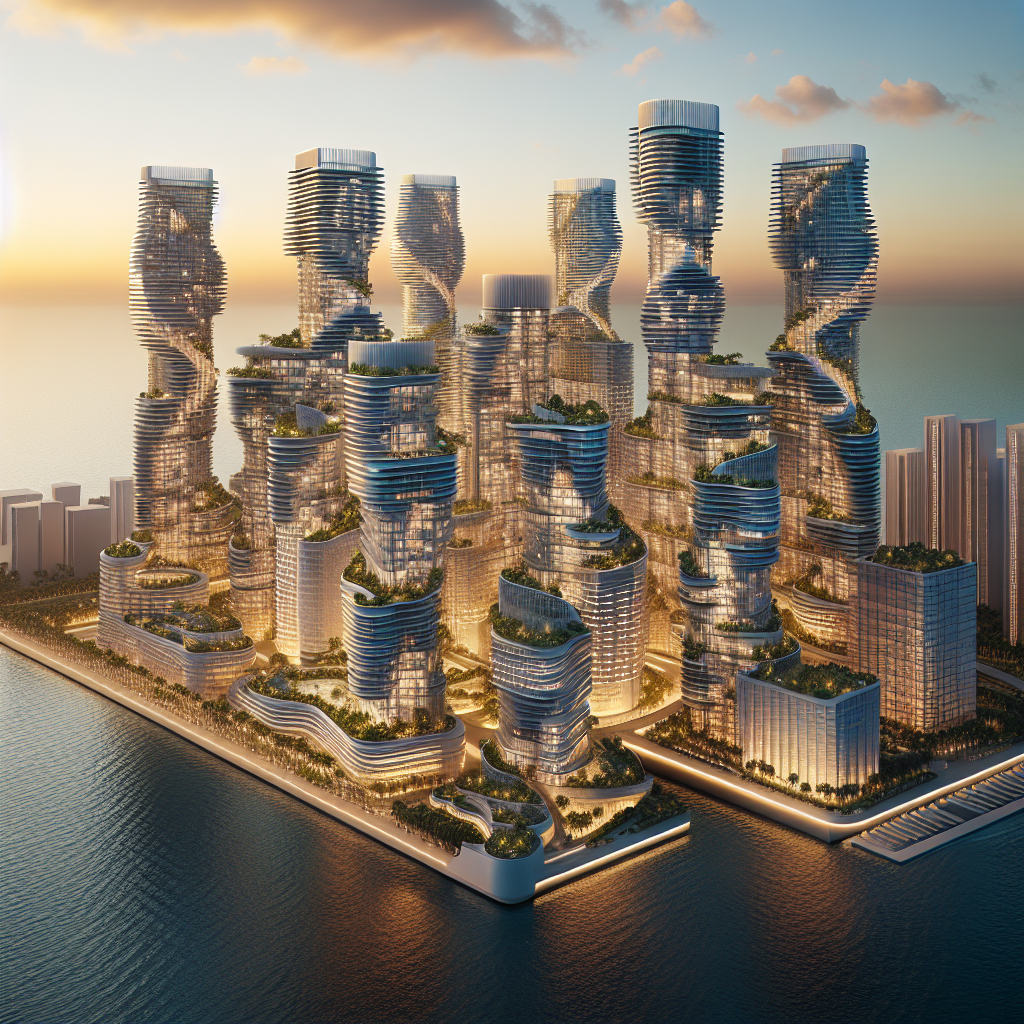
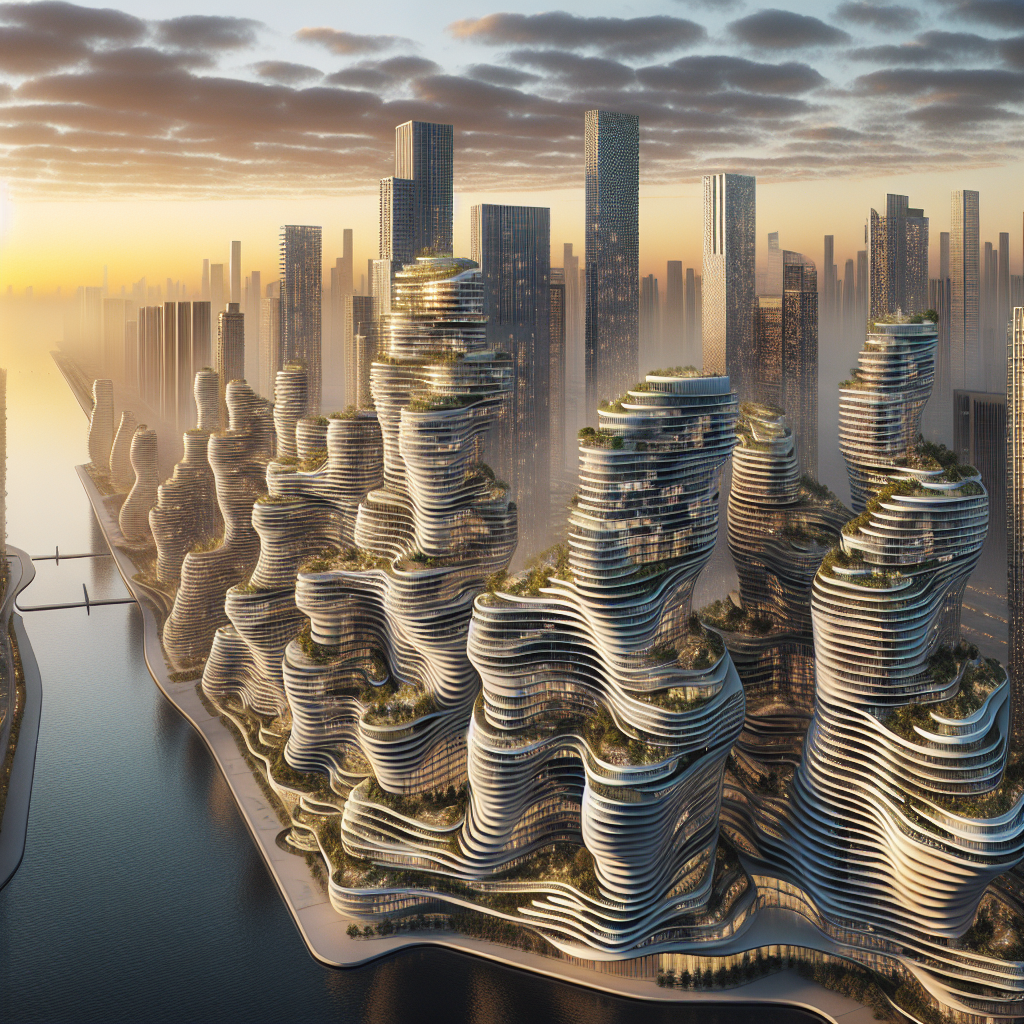
Across the skylines of Miami, Dubai, and Singapore, a new architectural rhythm is taking shape. High-rises are no longer defined by rigid grids or glassy repetition; instead, they ripple with wave-like balconies that undulate across façades, transforming static towers into living sculptures. These curvilinear designs are more than aesthetic flourishes—they embody a deeper evolution in urban architecture, one that merges engineering innovation, environmental performance, and emotional resonance.
The Rise of the Undulating Façade
The concept of undulating balconies—balconies that flow in rhythmic, wave-like patterns—emerged from a broader architectural fascination with organic forms. This movement draws inspiration from biomorphism, a design philosophy that mimics natural shapes and patterns. In cities dominated by orthogonal skylines, these fluid geometries break monotony, introducing a tactile softness that humanizes the vertical environment.
Architects such as Jeanne Gang, with her acclaimed Aqua Tower in Chicago, and MAD Architects with their Absolute Towers in Mississauga, pioneered this aesthetic. Their projects revealed how curvature could reshape perception—balconies no longer served as mere extensions of living space but as sculptural elements defining the building’s identity. The result is a dynamic interplay of light and shadow, where every sunrise and sunset animates the façade differently.
Engineering the Wave
Behind the elegance of these flowing lines lies an extraordinary feat of structural engineering. Each balcony slab must be uniquely formed, often using advanced parametric design tools that calculate curvature, load distribution, and material efficiency. This digital precision allows architects to model thousands of balcony variations while maintaining overall coherence.
In projects like Zaha Hadid Architects’ One Thousand Museum in Miami, the façade’s fluidity is achieved through a combination of reinforced concrete and glass fiber-reinforced panels. These materials offer both flexibility and strength, enabling the creation of sweeping contours that appear to defy gravity. As discussed in parametric design research, algorithmic modeling has become indispensable in translating organic concepts into buildable realities.
The engineering challenge extends beyond form. Balconies must also manage wind loads, thermal expansion, and drainage—all while maintaining structural safety. In high-rise environments, even a subtle curvature can significantly alter wind behavior, creating eddies or reducing turbulence. Computational fluid dynamics (CFD) simulations now play a crucial role in ensuring these sculptural façades perform as beautifully as they look.
Balconies as Environmental Mediators
Beyond aesthetics, wave-like balconies are proving instrumental in enhancing a building’s environmental performance. Their undulating profiles create self-shading effects, reducing solar gain and improving energy efficiency. The overhangs and recesses act as passive cooling systems, particularly effective in tropical or subtropical climates.
This principle aligns with the growing emphasis on biophilic design—integrating natural forms and rhythms into architecture to improve human well-being. Curved balconies often foster a stronger connection to the outdoors, offering panoramic views and spaces that encourage relaxation and contemplation. The sense of movement in their design mirrors the ebb and flow of nature, subtly influencing occupant psychology toward calmness and balance.
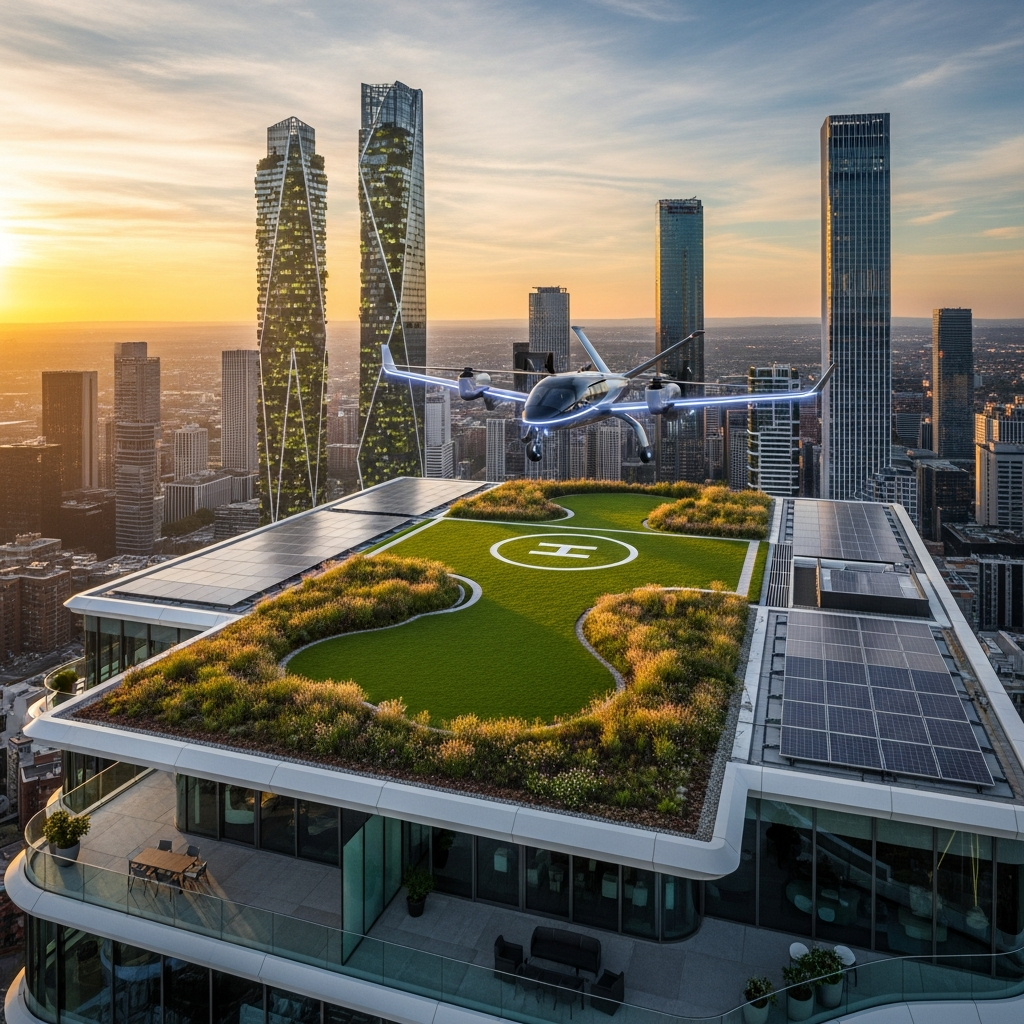
In cities where density can feel overwhelming, these architectural gestures provide a sense of openness. The terraces, when planted with greenery, function as vertical gardens that filter air and support biodiversity. This approach resonates with the principles of green architecture, where façades become living ecosystems contributing to urban sustainability.
Case Studies: Sculpting the Skyline
In Miami, the Aria on the Bay by Arquitectonica showcases balconies that ripple outward like ocean waves, reflecting the city’s maritime identity. Each floor plate shifts subtly, creating a façade that seems to breathe with the sea breeze. The building’s rhythm is both visual and experiential—residents feel the continuity of motion as they move from one balcony to another.
Meanwhile, in Singapore’s The Interlace by OMA and Ole Scheeren, the balconies weave horizontally across stacked volumes, creating a network of communal terraces. Though not purely wave-like, the project’s fluid spatial logic embodies the same ethos: architecture as an organic extension of landscape. These examples illustrate how curvature can foster both individuality and community within vertical living.
In Dubai, where skyline competition is fierce, the One Za’abeel towers by Nikken Sekkei introduce a new level of dynamism. Their sky bridge and curved balconies form a sculptural silhouette visible for miles, merging engineering bravado with poetic motion. Such projects underscore a global trend: curvature as a symbol of progress, luxury, and ecological awareness.
Material Innovation and Craftsmanship
The realization of wave-like balconies depends on advances in material technology. Concrete, once synonymous with rigidity, is now being reimagined through 3D printing and flexible formwork. Techniques explored in timber and hybrid construction are also influencing how balcony structures can be lighter, more sustainable, and expressive.
Architectural concrete is increasingly cast using reusable molds or robotic fabrication, allowing for precision in curvature while minimizing waste. Some studios experiment with fiber-reinforced concrete and recycled aggregates to achieve both strength and sustainability. The result is a tactile surface that captures light differently throughout the day—smooth at dawn, shimmering by noon, and shadow-dappled at dusk.
Glass balustrades, often curved to follow the balcony’s edge, add transparency and reflectivity. When combined with LED lighting, they transform the building into a nocturnal sculpture, glowing like a phosphorescent wave against the urban night. This interplay of light and materiality continues to redefine how high-rises engage with their surroundings.
Urban Symbolism and the Future of Vertical Living
The undulating balcony has become more than a design trend—it is a cultural statement. In an era when cities are striving to balance density with livability, these flowing forms suggest a gentler urbanism. They soften the skyline, introduce visual rhythm, and invite emotional connection. As contemporary architecture evolves, the wave motif symbolizes a shift from domination to dialogue—between structure and environment, between city and citizen.
Urban planners increasingly view these designs as tools for placemaking. A building with a distinctive, fluid façade becomes an instant landmark, anchoring identity within a rapidly changing cityscape. Moreover, the balconies’ organic forms encourage residents to engage with the outdoors, fostering a sense of belonging that rigid towers often lack.
From a sustainability perspective, the integration of curved geometries aligns with the principles of biomimicry—learning from nature’s efficiency and adaptability. As computational design and material science advance, architects will continue to refine these wave-like façades, making them lighter, smarter, and more responsive to environmental conditions.
A New Language of the Skyline
The future of downtown high-rises may well be written in curves. As cities evolve toward more humane and sustainable models, the undulating balcony stands as both a technical and poetic innovation. It bridges art and engineering, offering a tactile reminder that architecture, at its best, moves with the rhythms of life.
In this new architectural language, the skyline is no longer a jagged silhouette of competition but a flowing composition of coexistence—each building contributing its own wave to the urban sea.
Published on 12/26/2025