
Vintage Bauhaus revival: modern twists on iconic 1920s silhouettes

Vintage Bauhaus Revival: Modern Twists on Iconic 1920s Silhouettes
In the ever-evolving landscape of design, few movements have proven as enduring—or as perennially relevant—as the Bauhaus. More than a century after its founding in Weimar, the school’s radical vision for uniting art, craft, and technology continues to shape how we live, work, and perceive space. Yet in 2025, a new wave of designers and architects is reinterpreting Bauhaus ideals with a distinctly contemporary lens—infusing warmth, sustainability, and digital intelligence into its famously austere geometries. This vintage Bauhaus revival is not a nostalgic exercise, but a sophisticated reawakening of its principles for a post-digital, eco-conscious world.
The Bauhaus Blueprint: Function Meets Form
Founded in 1919 by Walter Gropius, the Bauhaus movement revolutionized modern design by rejecting ornamentation in favor of pure function and geometric clarity. Its influence extended from architecture to furniture, typography, and industrial design—defining what we now recognize as the DNA of modernism. The tubular steel chairs of Marcel Breuer, the cantilevered forms of Mies van der Rohe, and the bold primary color palettes of Wassily Kandinsky remain icons of design purity.
Yet the Bauhaus was never static. Its ethos—“form follows function”—was inherently experimental, encouraging cross-disciplinary innovation. That same spirit animates today’s revival, where designers are reimagining the movement’s clean lines and rational compositions through the prisms of sustainability, digital fabrication, and human-centered design.
Softening the Geometry: A Humanized Minimalism
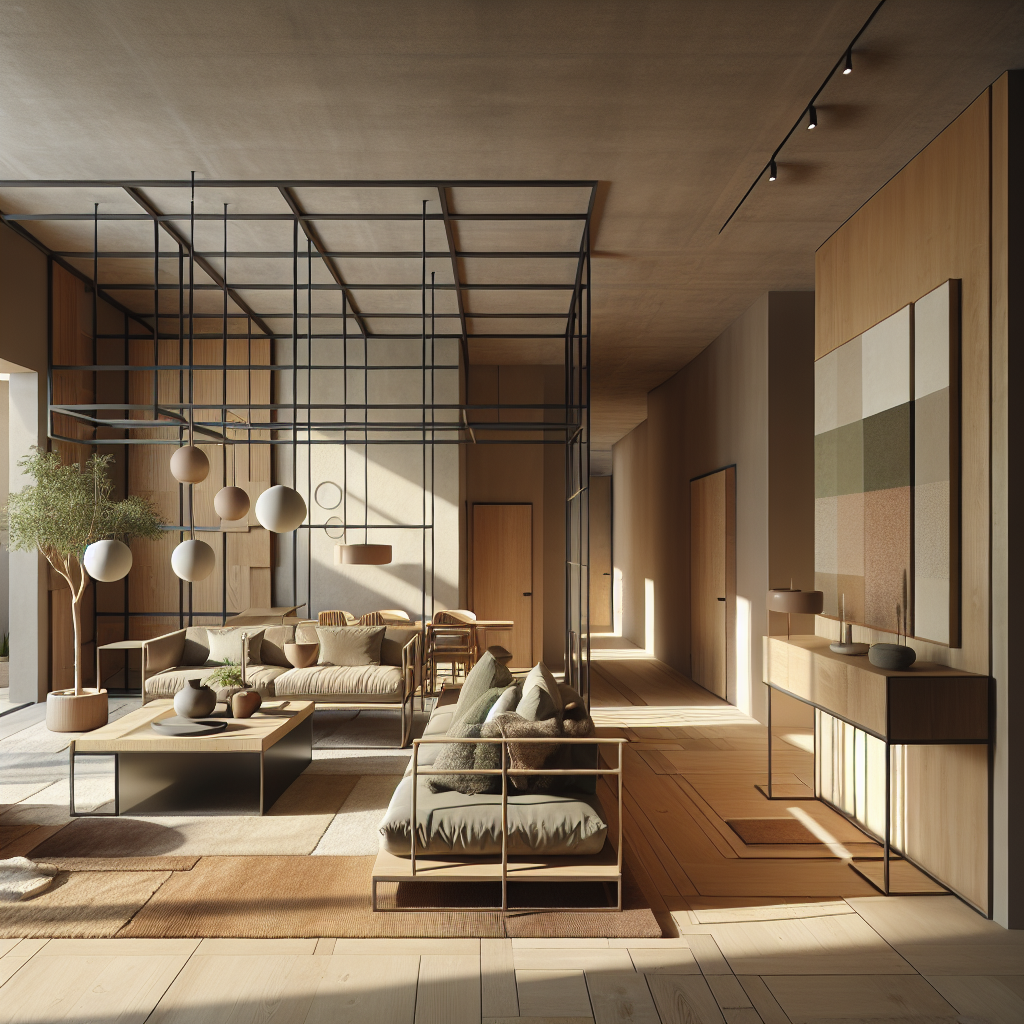
Contemporary reinterpretations of Bauhaus design often begin by tempering its industrial rigor with tactile warmth. In residential interiors, this manifests as a dialogue between hard-edged geometry and organic materiality. Think of a living room anchored by a reissued Breuer-style Cesca chair, but upholstered in natural wool bouclé; or a kitchen where linear cabinetry in matte black steel is offset by curved oak handles and terracotta tiles. The effect is both rational and sensuous—a humanized minimalism that honors Bauhaus structure while embracing emotional comfort.
This shift aligns with the broader movement toward biophilic design, which integrates natural textures and colors to promote well-being. Designers like Patricia Urquiola and the studio Formafantasma have adopted Bauhaus-like modular systems but softened them with tactile finishes and muted palettes inspired by nature. The result is a modernist language that feels less machine-age and more mindful.
Digital Bauhaus: Technology as a Craft Tool
One of the most fascinating aspects of the current revival is how it reconciles Bauhaus’s industrial heritage with the tools of the digital age. The original Bauhaus embraced the machine as a creative partner; today’s designers extend that ethos through parametric modeling, 3D printing, and AI-assisted design. These technologies enable a new kind of craftsmanship—one that is algorithmic yet expressive.
Studios such as OMA and BIG have reinterpreted Bauhaus rationalism through computational design, producing façades that echo the movement’s grid logic but evolve dynamically in response to light, airflow, or energy efficiency. Similarly, furniture designers are using digital fabrication to reinterpret Bauhaus silhouettes with precision-cut plywood, recycled plastics, and even bio-based composites. The tubular steel of the 1920s has given way to 3D-printed aluminum alloys and modular joints that can be disassembled for circular reuse—a direct response to the environmental imperatives of our time.
Color Theory Reimagined: From Primary to Emotional Palettes
Color was central to Bauhaus pedagogy, particularly in the teachings of Kandinsky and Josef Albers. Their explorations of chromatic relationships informed everything from textile design to architecture. In the modern revival, designers are expanding this legacy by applying color psychology and digital pigment technologies to create more nuanced emotional atmospheres.
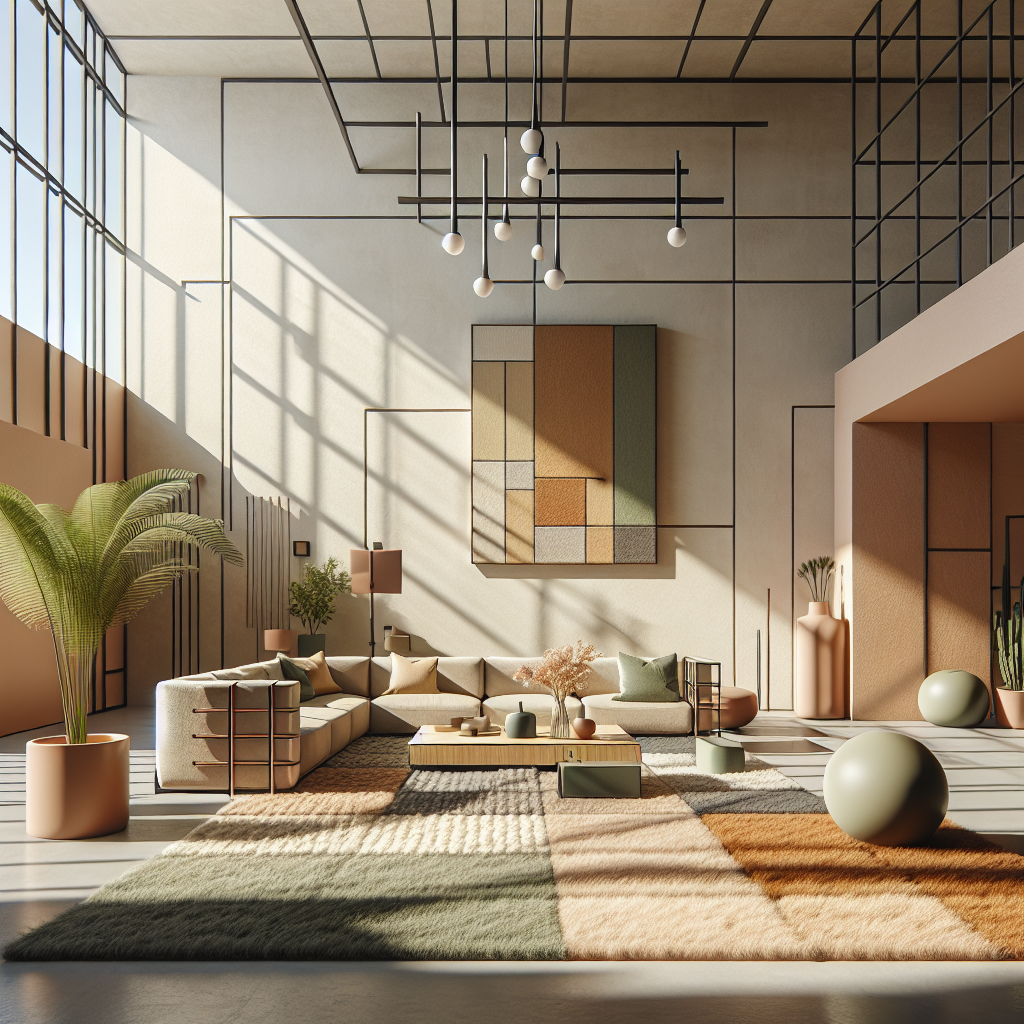
Instead of the strict primaries of the 1920s, contemporary Bauhaus-inspired interiors often feature desaturated tones—ochres, sage greens, and dusty blues—that reflect today’s preference for calm, restorative environments. This chromatic evolution parallels the findings of recent studies in environmental psychology, which suggest that softer hues can reduce stress and enhance focus in domestic and workplace settings. The once-radical Bauhaus palette has matured into a subtler, more introspective expression of modern life.
Architecture in Revival: Bauhaus for the Climate Age
Architecturally, the Bauhaus revival has found fertile ground in sustainable construction. The modularity and efficiency that defined early Bauhaus buildings now serve as a blueprint for circular design and net-zero architecture. Firms like Herzog & de Meuron and Assemble are channeling Bauhaus principles into structures that are both functional and environmentally responsible—employing prefabrication, passive solar design, and renewable materials.
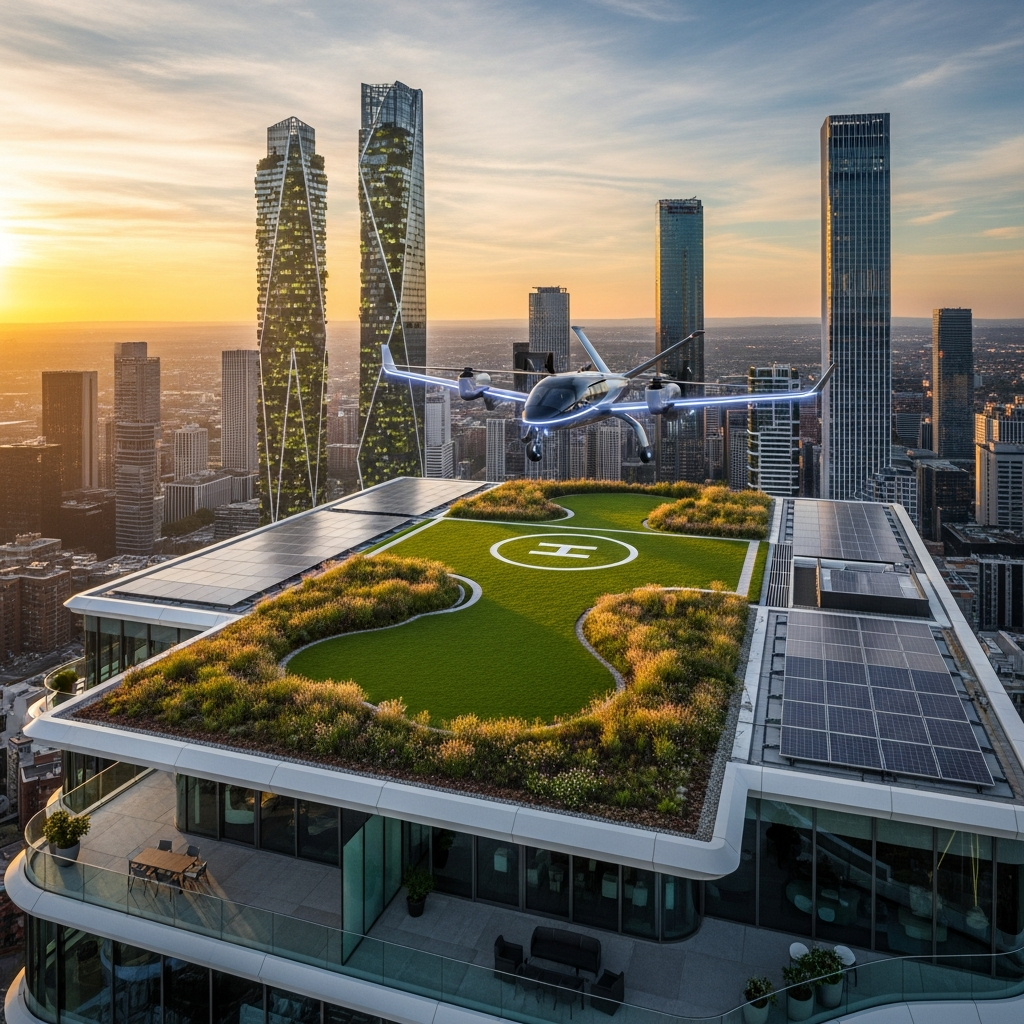
Recent projects in Berlin and Rotterdam reinterpret the Bauhaus box as a living organism: façades breathe through operable panels, interiors adapt to changing daylight, and rooftops double as gardens. This ecological modernism recalls the Bauhaus belief in design as a social mission—updated for an era defined by climate urgency. As seen in timber skyscraper innovations, the Bauhaus ideal of uniting technology and nature has never felt more relevant.
Reissued Icons and Contemporary Heirlooms
The commercial design world has also embraced the Bauhaus revival through a wave of reissues and reinterpretations. Brands like Knoll, Cassina, and Thonet have reintroduced classics such as the Wassily Chair and the Barcelona Daybed, often updated with sustainable materials or new finishes. Meanwhile, emerging designers are crafting “neo-Bauhaus” pieces that merge heritage with experimentation—lamps with adjustable geometric shades, modular shelving systems inspired by Gropius’s grids, or rugs that reinterpret Albers’s color studies through digital weaving.
These objects resonate with collectors not only for their aesthetic purity but also for their conceptual clarity. In a market saturated with decorative excess, the Bauhaus revival offers a return to design integrity—a celebration of proportion, balance, and purpose. As the collectible design market continues to grow, these pieces function as both investments and manifestos of modern taste.
The Emotional Bauhaus: Beyond Rationalism
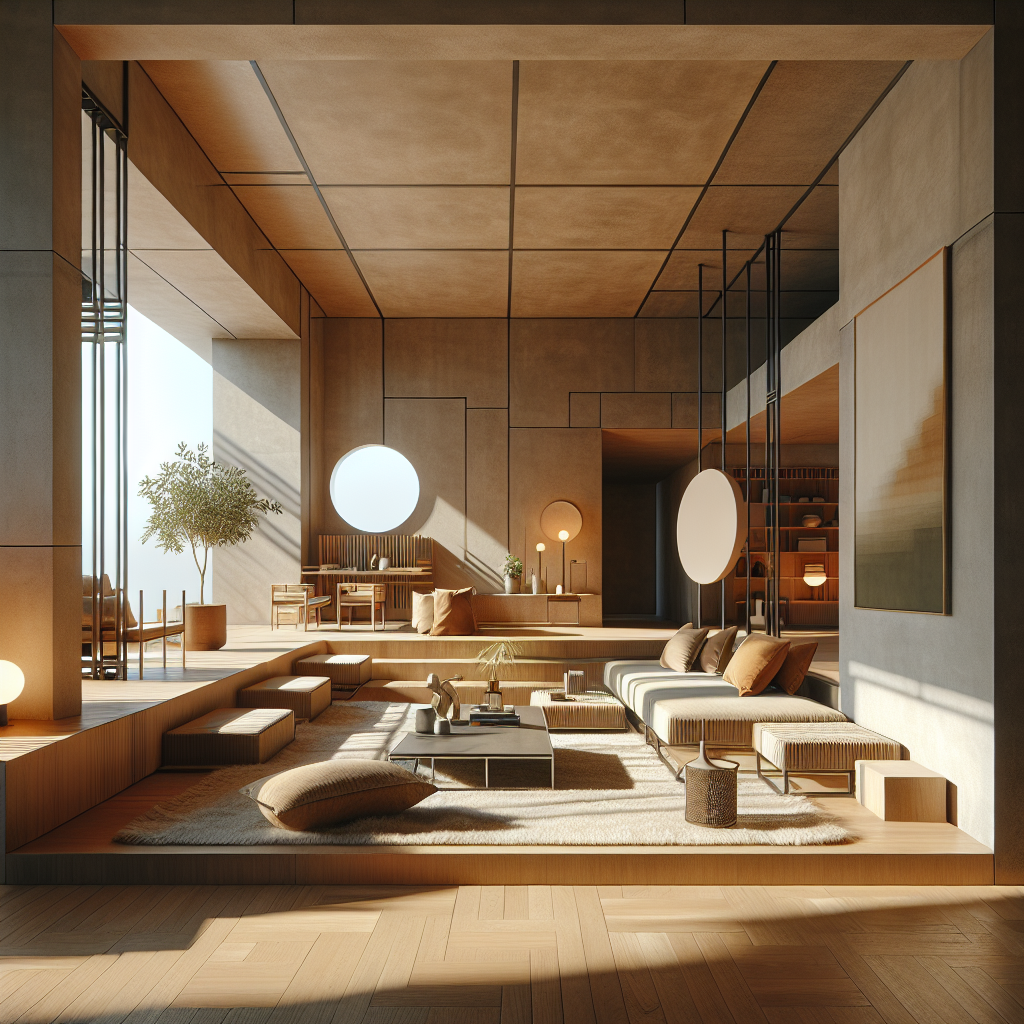
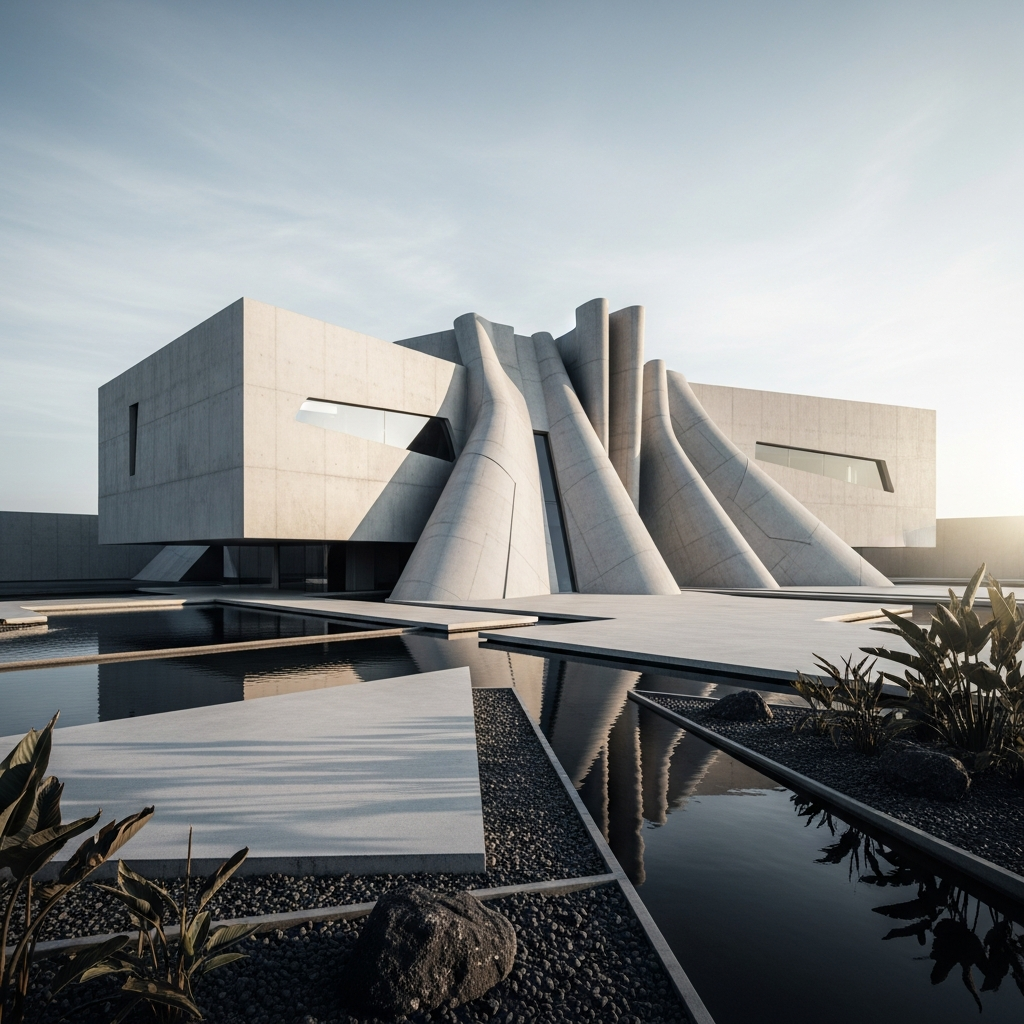
Perhaps the most profound twist in the vintage Bauhaus revival is its embrace of emotion. The original movement, often mischaracterized as coldly rational, was in fact deeply humanist—seeking to improve daily life through design. Today’s designers are rediscovering that ethos, embedding warmth, adaptability, and sensory richness into minimalist frameworks. The tactile concrete of a staircase, the play of shadow through perforated screens, or the subtle curve of a handrail—all evoke a quiet sensuality that transcends function.
This renewed emotional dimension aligns with the broader cultural shift toward craftsmanship and authenticity. In an age of digital saturation, the Bauhaus revival’s disciplined simplicity feels almost spiritual—a meditation on how form, material, and light can coexist in harmony.
A Century Later: The Bauhaus Spirit Endures
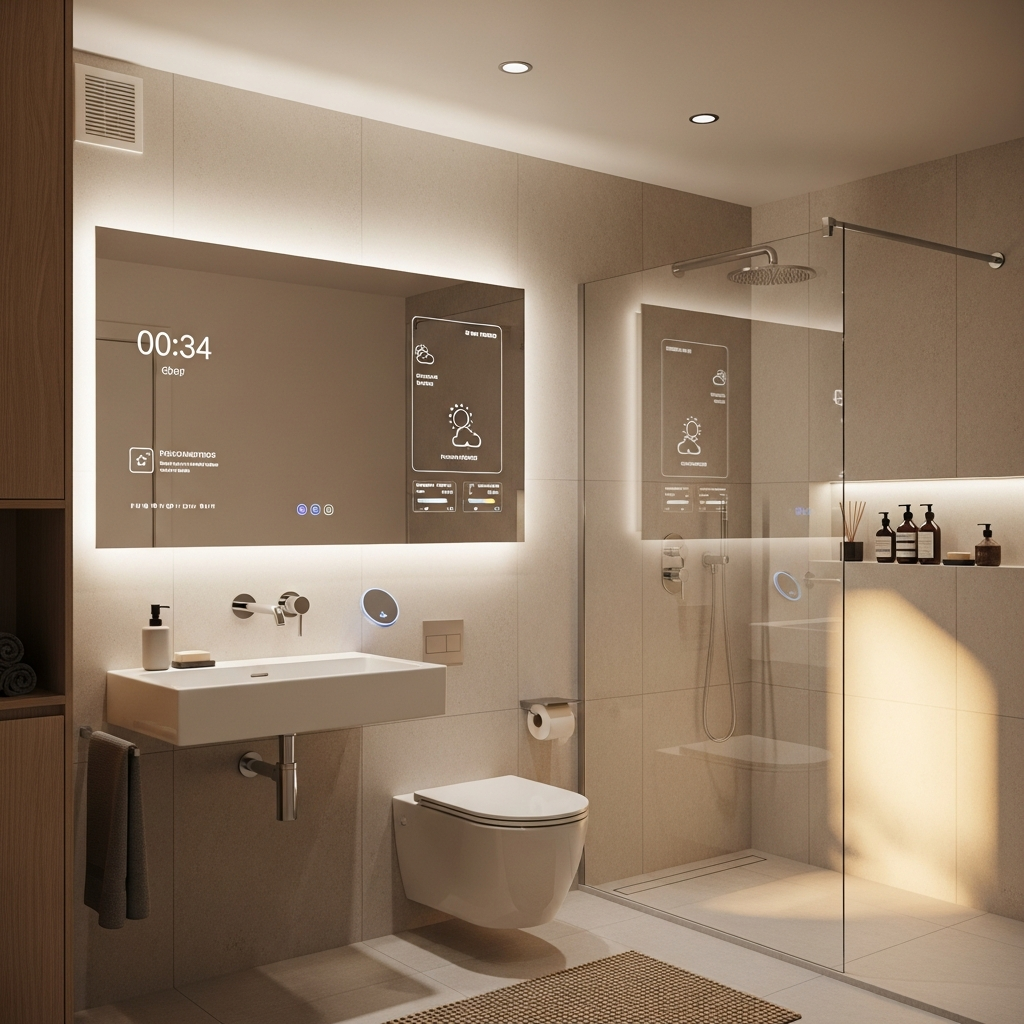
As we move deeper into the 21st century, the Bauhaus remains less a style than a methodology—a way of thinking about design as a bridge between art, technology, and society. Its current revival is not about replicating the past but reactivating its principles for a new context: one defined by sustainability, inclusivity, and digital innovation. Whether in a modular co-living complex, a reissued tubular chair, or a minimalist workspace illuminated by smart lighting, the Bauhaus spirit continues to evolve—precise yet poetic, rational yet deeply human.
In the words of Gropius, design should serve “the needs of the people, not the luxury of the few.” The modern Bauhaus revival proves that this vision, born in the