
UV illusions building: exteriors shifting color throughout the day
UV Illusions Building: Exteriors That Shift Color Throughout the Day
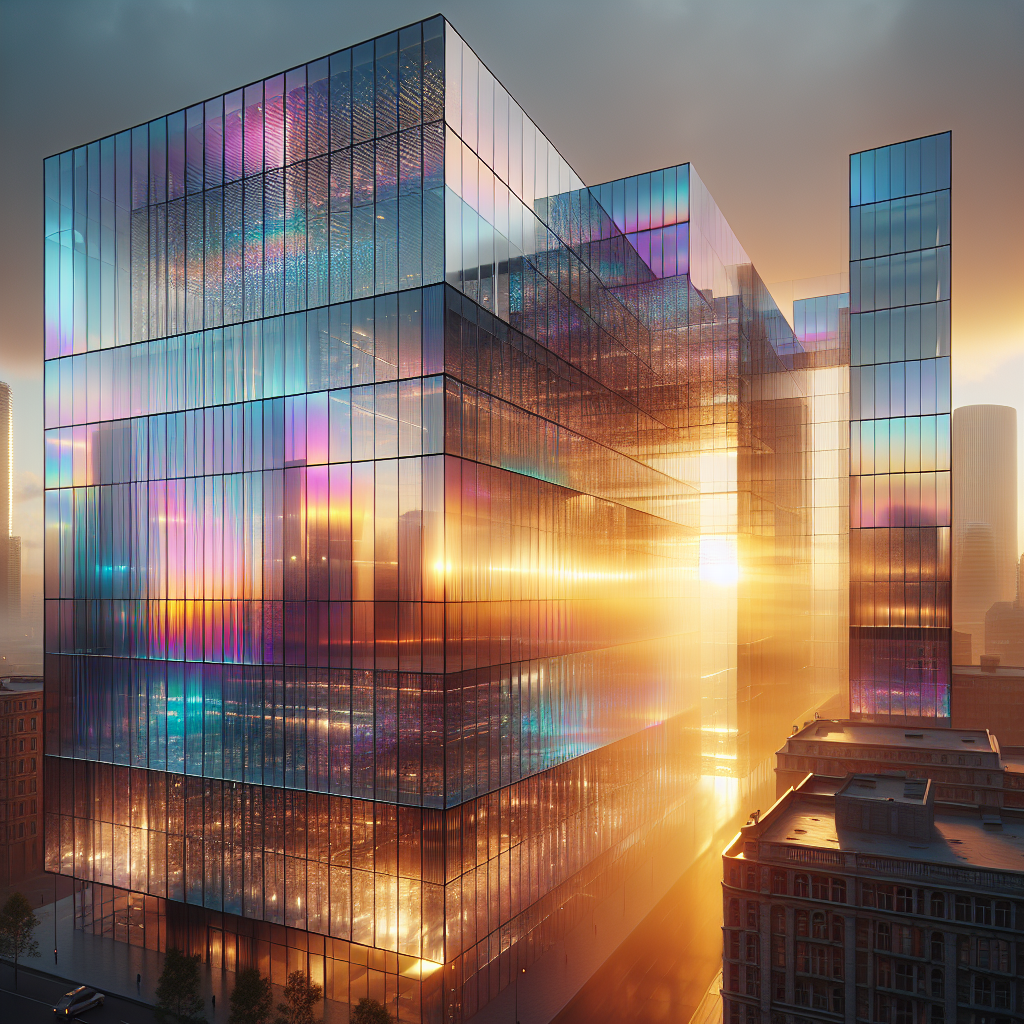
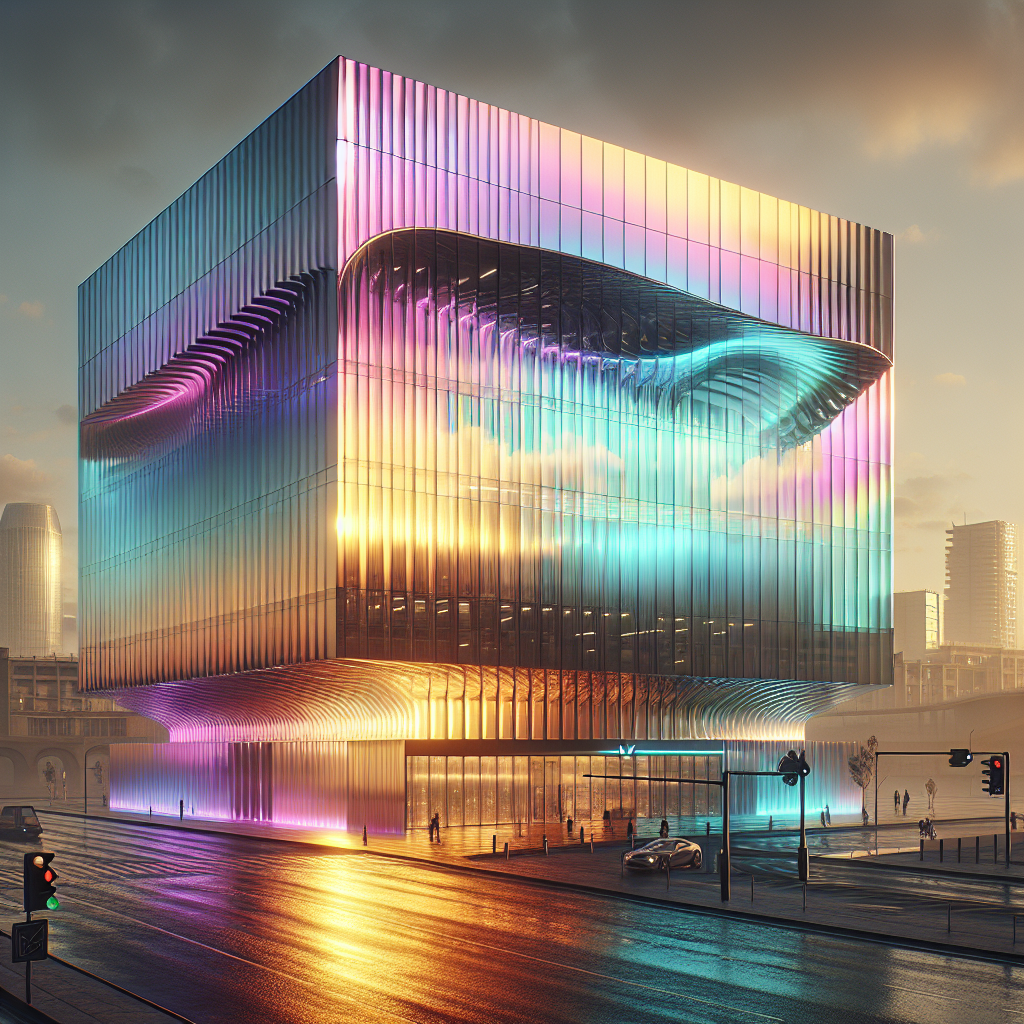
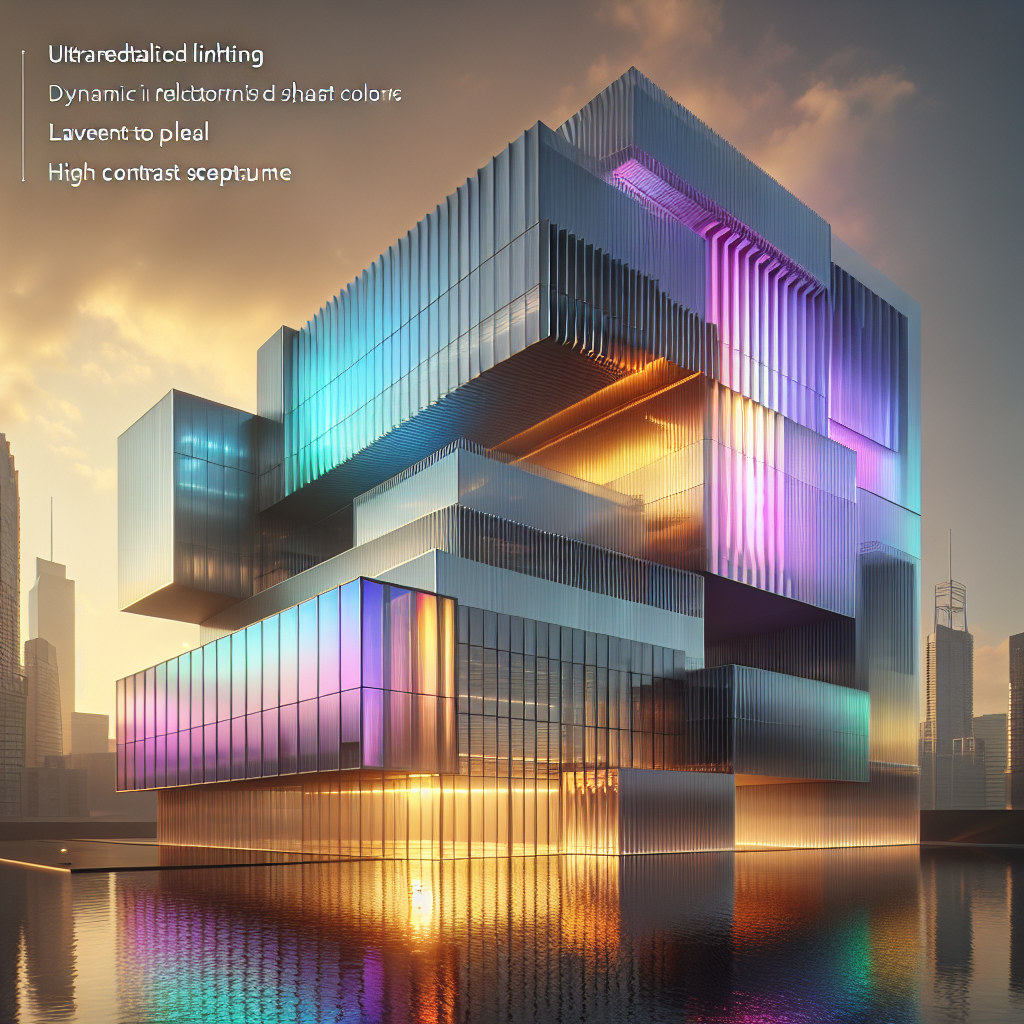
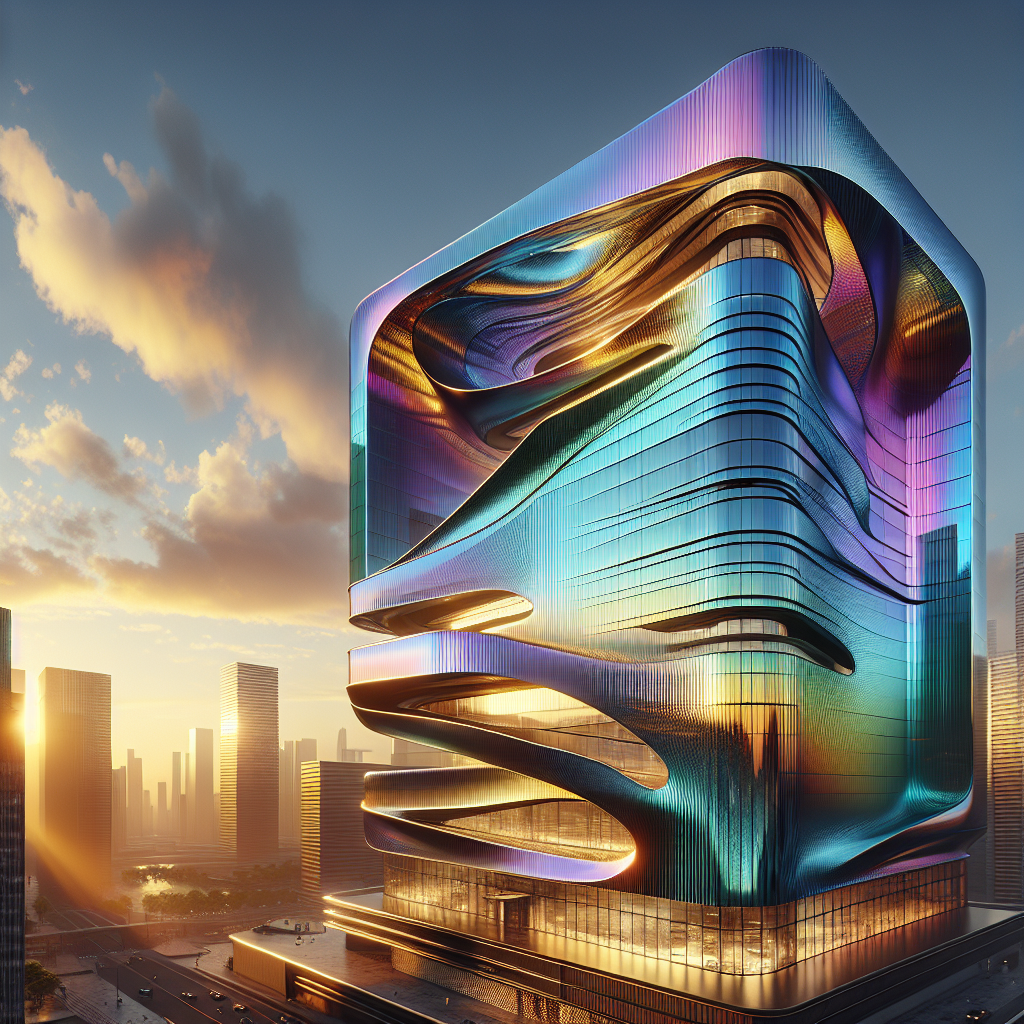
Architecture has always been a dialogue between light, material, and perception. Yet in recent years, this dialogue has taken on a more kinetic, almost cinematic quality. The UV illusions building—a new typology of structures whose exteriors shift color throughout the day—represents a radical intersection of science, art, and environmental design. These buildings don’t merely respond to light; they perform with it, transforming façades into living canvases that evolve from dawn to dusk.
The Science Behind Chromatic Architecture
At the heart of these color-shifting exteriors lies advanced material science. Architects and engineers are experimenting with photochromic, thermochromic, and iridescent coatings—technologies that alter hue in response to ultraviolet (UV) radiation, temperature, or viewing angle. Much like the structural coloration found in butterfly wings or peacock feathers, these surfaces rely on microscopic layering and interference patterns rather than pigments to produce their visual effects. The result is a façade that refracts sunlight into a spectrum of tones, creating a dynamic interplay between architecture and atmosphere.
According to a 2025 report by the American Institute of Architects, the use of responsive materials in building envelopes has increased by 37% over the past five years, driven by both aesthetic ambition and sustainability goals. These coatings can reflect heat during peak sunlight hours, reducing energy consumption for cooling while maintaining a visually captivating exterior.
Case Studies: Buildings That Breathe Color
One of the most striking examples of UV illusion architecture is the Prism Tower in Seoul, completed in late 2024. Designed by the experimental studio Atelier Kura, its façade employs nano-layered glass panels that shift from soft lavender in the morning to deep teal by afternoon, culminating in a burnished gold glow at sunset. The effect is not merely decorative—it subtly mirrors the city’s changing air quality and light conditions, turning environmental data into a chromatic experience.
Similarly, the Helios Pavilion in Barcelona, a temporary structure unveiled during the 2025 architecture biennale, uses UV-reactive polymers embedded in translucent panels. As sunlight intensifies, the pavilion’s surface transitions from a milky white to a spectrum of warm ambers and violets. Visitors describe walking around it as “watching a building breathe.” This interplay of color and light echoes the sensory design explorations discussed in Sensory Design Unveiled, where perception becomes a central design material.
Material Innovation and Environmental Intelligence
Beyond aesthetics, the UV illusions building aligns with a broader movement toward responsive architecture. These materials are not static claddings but intelligent skins that interact with their surroundings. Some coatings integrate photovoltaic nanoparticles, converting portions of sunlight into energy while simultaneously refracting color. Others employ thermochromic layers that darken under heat, reducing solar gain and contributing to passive cooling strategies.
This dual function—beauty and performance—marks a significant evolution in façade design. As seen in the rise of kinetic facades, the architectural envelope is no longer a boundary but a mediator between interior comfort and exterior climate. UV-reactive surfaces extend this logic into the realm of light and perception, making the building’s visual identity inseparable from its environmental intelligence.
Psychological and Urban Impact
Color has always played a profound role in human psychology. Studies in environmental design suggest that shifting hues can influence mood, spatial perception, and even circadian rhythms. A façade that evolves with daylight introduces a subtle form of biophilic engagement—an architectural rhythm that resonates with natural cycles. This echoes the principles of biophilic design, where connection to nature enhances well-being even in dense urban contexts.
In cities dominated by static glass and steel, UV illusions buildings introduce a new kind of vitality. They break the monotony of urban skylines, offering residents and passersby a sense of temporal awareness. Morning commuters might see a building shimmering in cool blues, while evening pedestrians encounter the same structure cloaked in rose-gold warmth. The city itself becomes a dynamic gallery of chromatic expression.
From Optical Illusion to Urban Identity
Historically, architecture has used illusion to manipulate perception—from the trompe-l’œil frescoes of the Renaissance to the mirrored façades of postmodernism. The UV illusions building represents a contemporary evolution of this lineage, merging optical artistry with material innovation. Unlike traditional paint or lighting effects, these surfaces derive their transformations from natural phenomena, making them both sustainable and poetic.
In Tokyo’s Shibuya district, the Chroma Cube—a boutique retail building completed in 2025—has become a social media landmark precisely because of its shifting façade. Its glass panels, coated with multilayer dichroic films, refract sunlight into constantly changing gradients. As the day progresses, the building’s identity morphs, creating a sense of anticipation and delight. This kind of experiential design has proven to increase foot traffic and brand engagement, underscoring the commercial potential of chromatic architecture.
Challenges and Future Directions
Despite their allure, UV illusions buildings face practical challenges. The durability of photochromic coatings under prolonged UV exposure remains a concern, as does the cost of production and maintenance. Architects must also navigate the fine line between spectacle and subtlety—ensuring that color transitions enhance rather than overwhelm the urban fabric.
Researchers are exploring bio-based alternatives, such as coatings derived from cellulose nanocrystals, which mimic the iridescence of beetle shells while being fully biodegradable. This approach aligns with the growing emphasis on sustainable materials and circular design principles, as discussed in Zero-Waste Masterpieces. The fusion of environmental responsibility and visual dynamism could define the next generation of architectural skins.
The Cultural Dimension of Light
Light has always been a cultural medium as much as a physical one. From the stained glass of Gothic cathedrals to the reflective minimalism of contemporary museums, architects have used luminosity to evoke emotion and meaning. The UV illusions building extends this tradition into the digital age, translating solar energy into an aesthetic language of flux and transformation.
In this sense, these buildings embody a new form of urban storytelling. They visualize the passage of time, the quality of air, and the movement of the sun. Their color shifts are not arbitrary but attuned to environmental rhythms, making them both ecological indicators and aesthetic statements. In an era increasingly defined by climate awareness, such responsiveness feels not only desirable but necessary.
Conclusion: Architecture as a Living Spectrum
The rise of UV illusions buildings signals a broader redefinition of architecture’s relationship with light, color, and time. These structures are not static monuments but living organisms—breathing, reflecting, and adapting to their environment. They invite us to see the built world not as fixed but as fluid, capable of expressing the ephemeral beauty of natural phenomena through material intelligence.
As architects continue to experiment with responsive materials, the boundary between science and art will blur further. The city of the future may not be built from stone or steel alone, but from surfaces that shimmer, shift, and sing in tune with the sun. In this chromatic evolution, architecture becomes not just a shelter, but a spectrum of experience.
Keywords: UV illusions building, color-shifting architecture, responsive façades, photochromic materials, thermochromic coatings, iridescent architecture, kinetic design, chromatic architecture, sustainable façades.