
Transparent terracotta: rethinking traditional ceramics with embedded glass
Transparent Terracotta: Rethinking Traditional Ceramics with Embedded Glass
In the world of material innovation, few hybrids have captivated architects and designers quite like transparent terracotta—a material that fuses the earthy warmth of fired clay with the crystalline clarity of glass. This unexpected marriage between opacity and translucence is not merely aesthetic; it represents a profound shift in how we understand the tactile and visual language of architecture. By embedding glass into terracotta, designers are rediscovering the ancient while inventing the future—an alchemy of tradition and technology that redefines the possibilities of ceramics in contemporary design.
The Evolution of Terracotta: From Ancient Craft to Contemporary Canvas
Terracotta, derived from the Italian for “baked earth,” has been a cornerstone of architecture for millennia. From the Terracotta Army of Xi’an to the ornate façades of 19th-century industrial buildings, its enduring appeal lies in its natural texture, thermal performance, and versatility. Yet, for all its virtues, terracotta has traditionally been a material of solidity and opacity—a surface that absorbs light rather than transmits it.
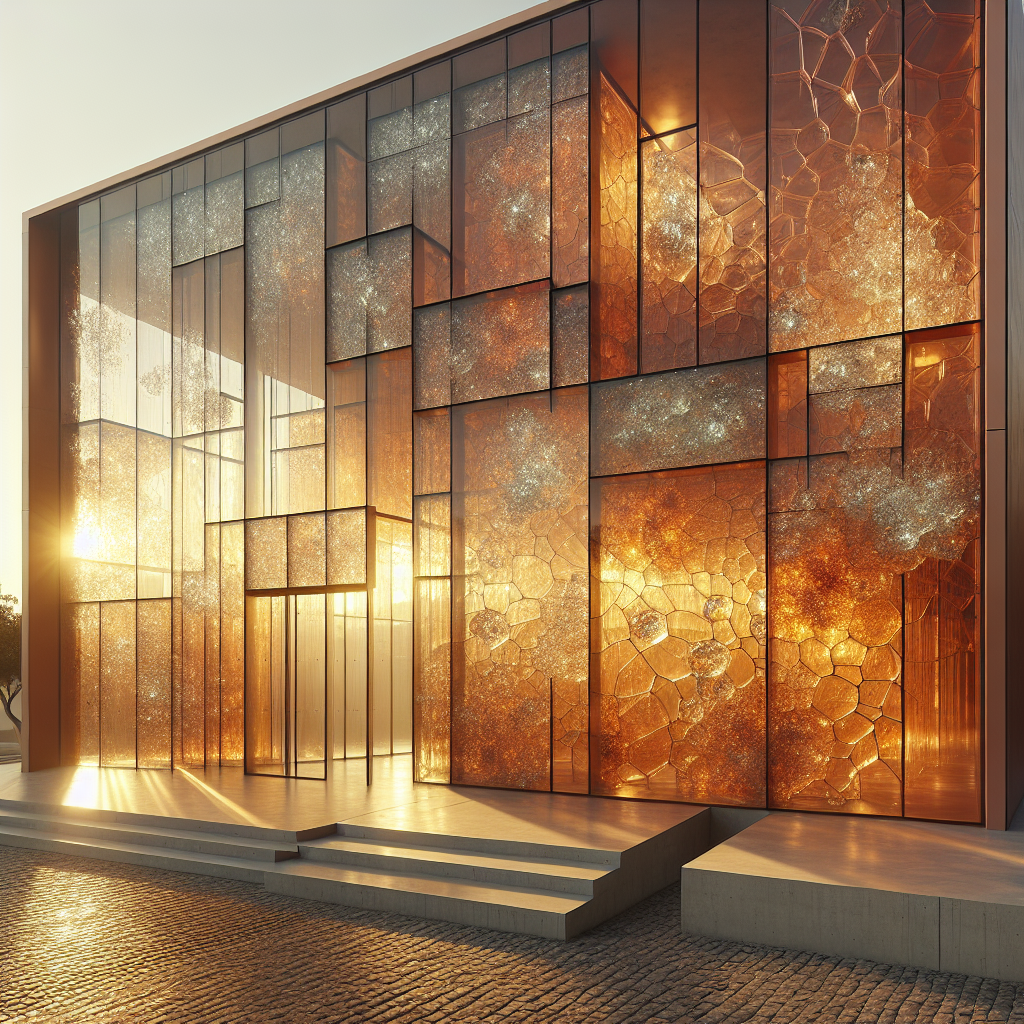
The introduction of embedded glass into terracotta surfaces disrupts this narrative. Through controlled firing processes and precision glazing, glass can be integrated within the clay body, creating panels that refract and diffuse light while maintaining the structural and thermal benefits of ceramic. The result is a material that feels both ancient and futuristic—what some have described as “the earthen equivalent of stained glass.”
Material Alchemy: The Science Behind Transparency
At the heart of transparent terracotta lies a delicate balance of chemistry and craftsmanship. During firing, glass and clay—materials with vastly different melting points and expansion rates—must be coaxed into harmony. Researchers at the Politecnico di Milano and ETH Zurich have been experimenting with low-expansion borosilicate glass and fine-grained terracotta composites to achieve stable bonds without cracking or delamination.
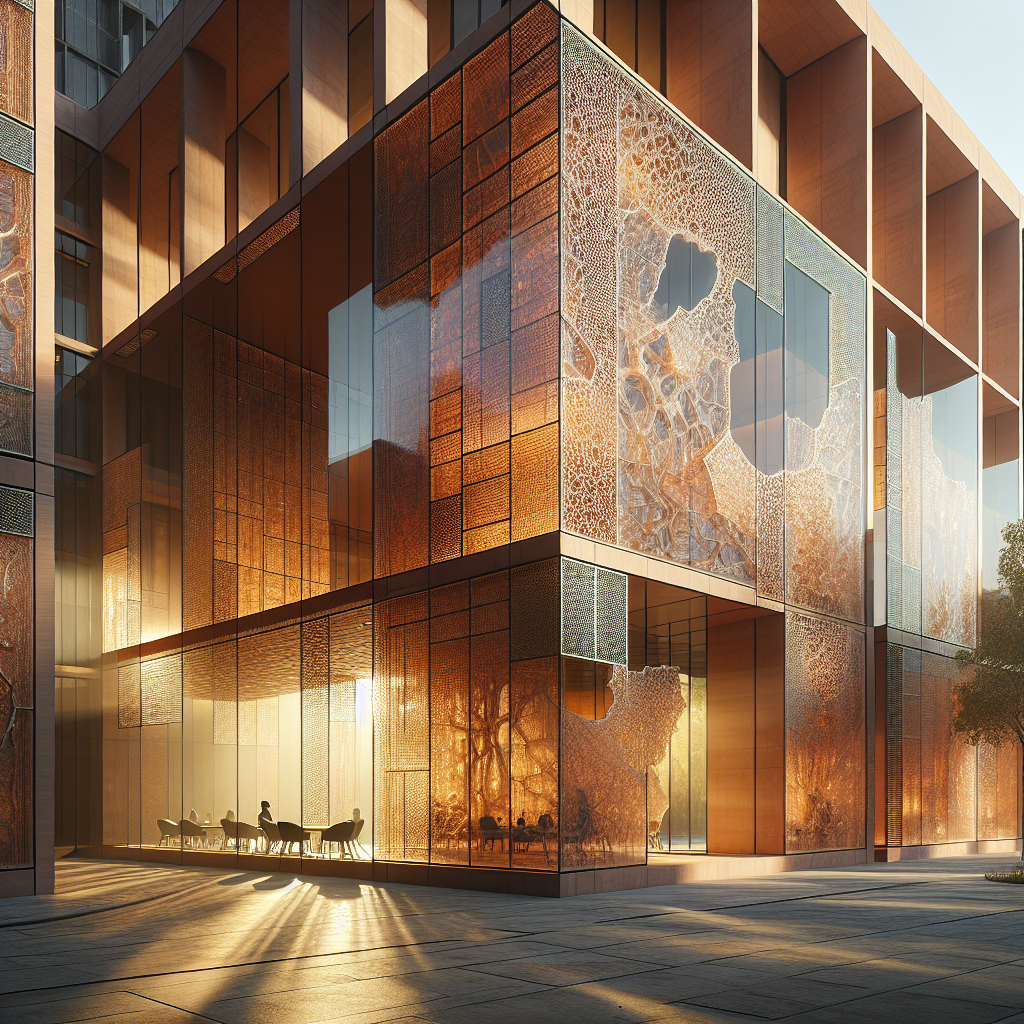
The process often involves layering molten glass into pre-carved cavities within terracotta tiles, allowing it to fuse seamlessly during kiln firing. The resulting panels exhibit a spectrum of translucency—from soft amber glows to crystalline apertures—depending on the glass composition and firing temperature. This interplay of light and matter transforms walls into living surfaces, shifting throughout the day as sunlight passes through.
This technique resonates with the broader trend of material experimentation in architectural ceramics, where designers are reimagining traditional crafts through digital fabrication and hybrid material systems. Transparent terracotta, in this sense, becomes both a technological and poetic exploration of what it means to build with earth in the age of light.
Architectural Applications: From Façades to Interiors
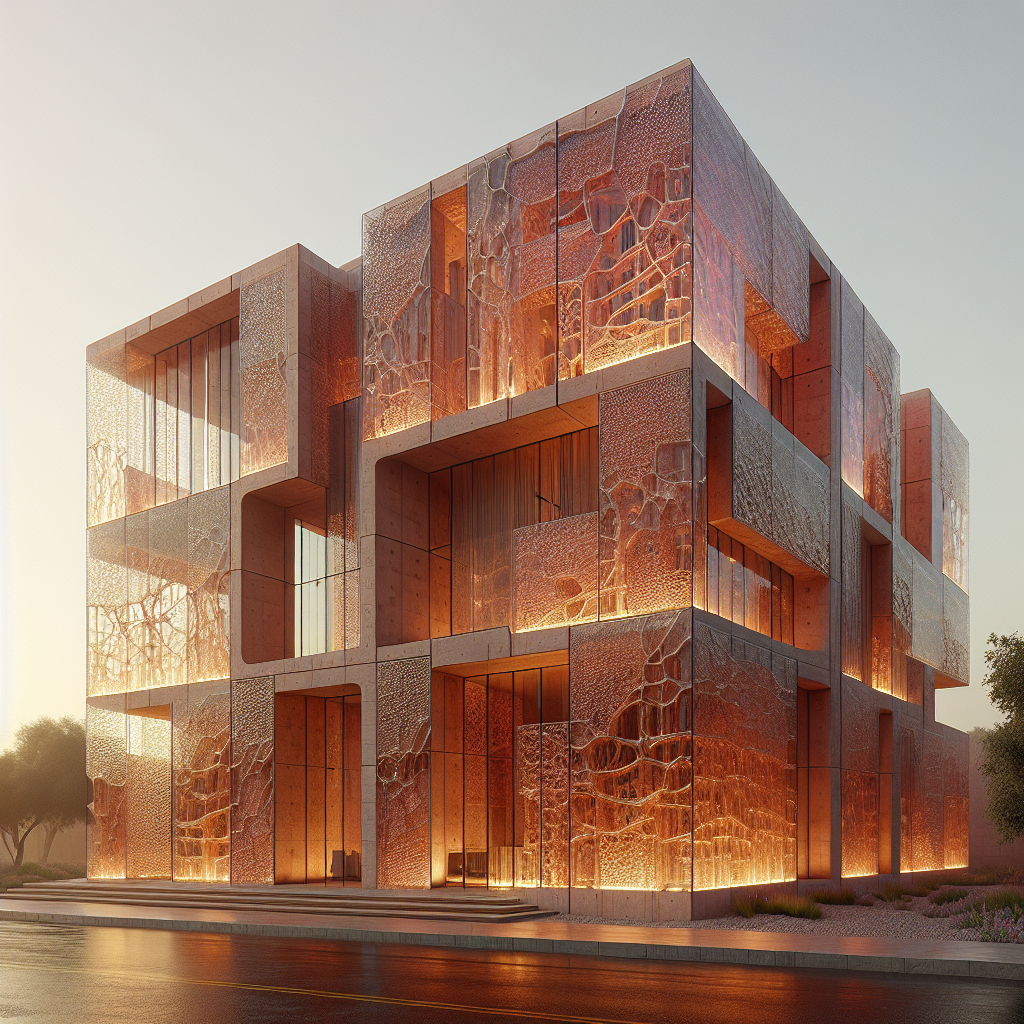
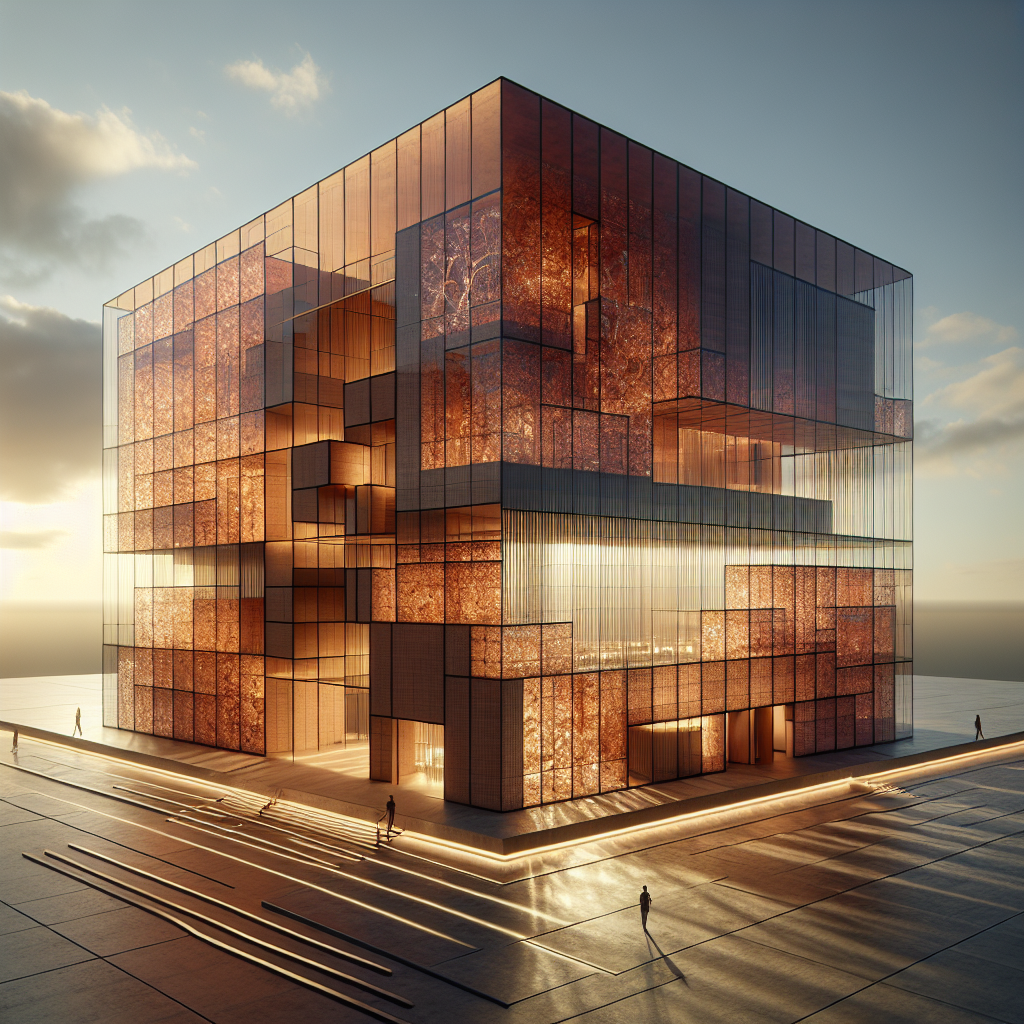
The architectural potential of transparent terracotta is immense. In façades, it allows for dynamic modulation of daylight, offering privacy and thermal mass while introducing a subtle luminosity that shifts with the sun’s angle. Imagine a civic building whose terracotta cladding glows from within at dusk, or a museum whose walls shimmer like liquid amber under morning light.
In interiors, the material takes on a more intimate role. Designers are using transparent terracotta for partition walls, skylight panels, and even furniture elements, where its dual nature—solid yet translucent—creates a sensory tension between weight and lightness. The tactile warmth of clay offsets the cool precision of glass, producing spaces that feel both grounded and ethereal.
This synthesis aligns with the principles of biophilic design, where natural materials and diffused light foster psychological comfort and well-being. Transparent terracotta, with its organic irregularities and glowing translucence, evokes the serenity of sunlight filtering through stone or leaves—a sensory connection that is increasingly valued in urban environments.
Case Studies: Global Experiments in Light and Clay
One of the earliest architectural explorations of transparent terracotta emerged from a collaboration between the Barcelona-based studio Map13 and material scientists at the Institute for Advanced Architecture of Catalonia (IAAC). Their prototype façade panels, composed of terracotta tiles embedded with recycled glass fragments, were designed to respond to Mediterranean light conditions—casting intricate patterns of color and shadow across interior spaces.
In Japan, the Kyoto Design Lab has taken a more artisanal approach, integrating hand-blown glass into traditional shigaraki clay. The resulting tiles, used in a boutique hotel renovation, blur the boundary between wall and window, transforming corridors into softly illuminated passageways. The effect recalls the translucent shōji screens of traditional Japanese architecture, reinterpreted through a contemporary material lens.
Meanwhile, in northern Europe, sustainable design firms are exploring transparent terracotta as part of a broader movement toward biodegradable and low-impact architecture. By using locally sourced clay and recycled glass cullet, these projects reduce embodied carbon while creating façades that age gracefully, their glass inclusions catching light like embedded jewels in the urban fabric.
Light as Structure: Rethinking Material Performance
Beyond aesthetics, transparent terracotta offers functional advantages that could redefine building envelopes. Its high thermal inertia helps regulate indoor temperatures, while embedded glass channels can be engineered to direct or diffuse light strategically. Some research teams are even experimenting with integrating photovoltaic coatings into the glass components, transforming façades into passive energy harvesters.
This convergence of material science and sustainability echoes the ambitions of circular design practices, where materials are designed for longevity, reuse, and sensory richness. Transparent terracotta, with its potential for modular assembly and recyclability, fits neatly into this paradigm—offering both environmental responsibility and emotional resonance.
Craftsmanship Meets Computation
What makes transparent terracotta particularly compelling is its ability to bridge the digital and the handmade. Parametric modeling tools allow designers to simulate light diffusion and structural behavior, while robotic extrusion and CNC milling ensure precision in tile geometry. Yet, the final material retains the imperfections of craft—the subtle variations in glaze, the minute air bubbles in glass—that give it soul.
This tension between control and chance mirrors the evolution of contemporary design thinking, where technology amplifies, rather than replaces, human touch. It recalls the ethos of the Bauhaus movement, which sought harmony between art, craft, and industry—a lineage that continues to inspire today’s material innovators.
Emotional Transparency: The Poetics of Light and Earth
Perhaps the most profound contribution of transparent terracotta lies not in its technical novelty but in its emotional resonance. In an era dominated by glass towers and synthetic composites, this material reintroduces warmth, tactility, and imperfection into the architectural palette. It invites light to behave unpredictably—to shimmer, to glow, to breathe through walls.
Walking through a space clad in transparent terracotta feels like entering a living organism. The walls pulse with daylight, shifting from opaque umber to translucent gold as the sun moves. At night, artificial light reverses the effect, turning the building into a softly radiant lantern. It is architecture as atmosphere—where material becomes experience.
Future Horizons: Toward a New Material Vernacular
As designers continue to seek sustainable and emotionally resonant materials, transparent terracotta may well become a defining element of 21st-century architecture. Its adaptability—equally suited to heritage restoration and futuristic façades—positions it as a bridge between eras, between craft and computation, between the earth and the sky.
In a world increasingly preoccupied with transparency—both literal and metaphorical—this material offers a poetic response. It reminds us that clarity need not mean coldness, and that innovation can emerge not from abandoning tradition, but from seeing it anew through the lens of light.
Transparent terracotta is more than a material; it is a manifesto for a new kind of architecture—one that honors the past, embraces the present, and illuminates the future.
Published on 12/21/2025