
The Introvert’s Fortress: 10 Underground Bunkers That Feel Like Spas
The Introvert’s Fortress: 10 Underground Bunkers That Feel Like Spas
Once symbols of paranoia and survivalism, underground bunkers have undergone a remarkable transformation. Today, they represent the pinnacle of privacy, serenity, and architectural ingenuity. These subterranean sanctuaries are no longer cold, concrete vaults—they are cocoon-like retreats where design meets wellness. As the world above grows louder and more unpredictable, the allure of descending into silence becomes irresistible.
1. The Swiss Alps Sanctuary – Minimalism Beneath the Mountain
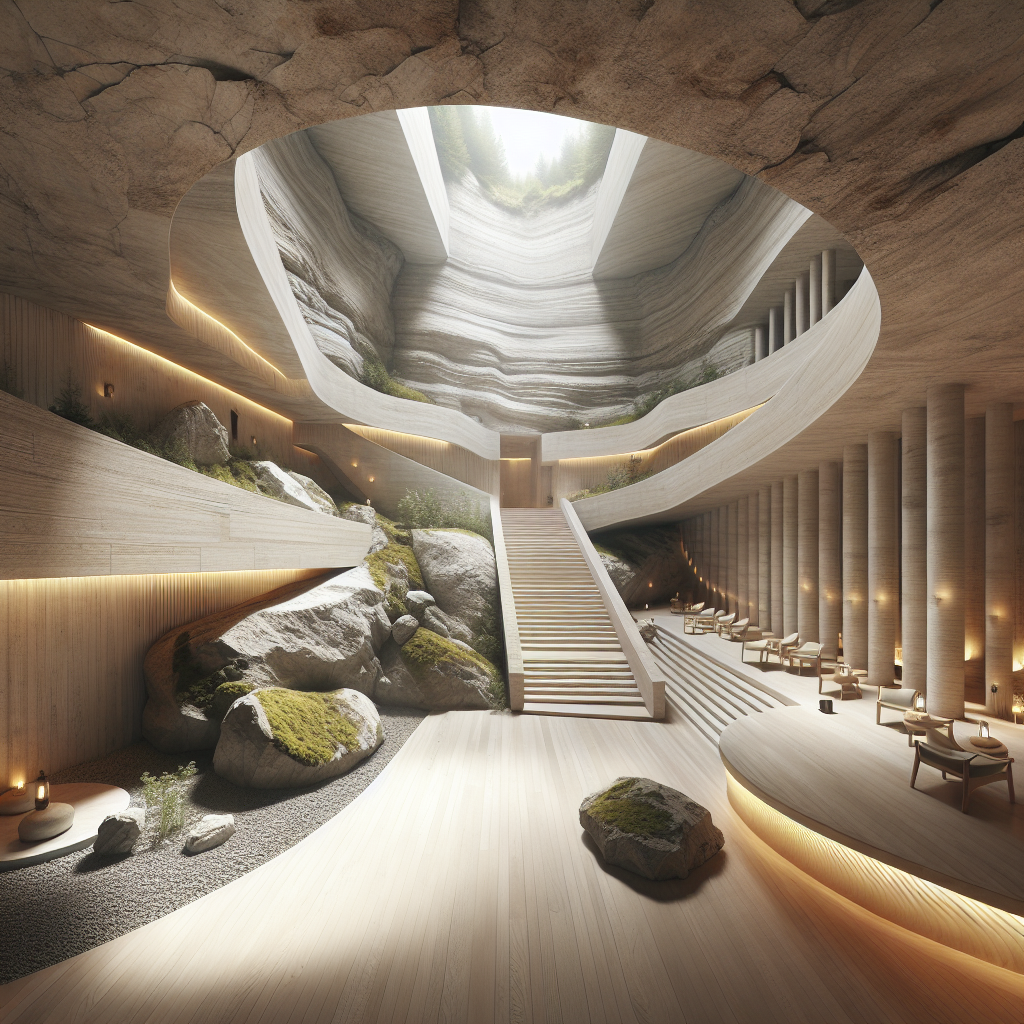
Carved into the granite heart of the Swiss Alps, this private residence by architect Peter Zumthor’s protégés redefines subterranean living. The structure merges with the mountain’s contours, allowing natural light to filter through precision-cut skylights. The interiors are a study in restraint—limewashed walls, pale oak floors, and geothermal heating that radiates quiet warmth. It’s a space that embodies the principles of biophilic design, inviting the mountain’s stillness indoors.
2. Iceland’s Geothermal Haven
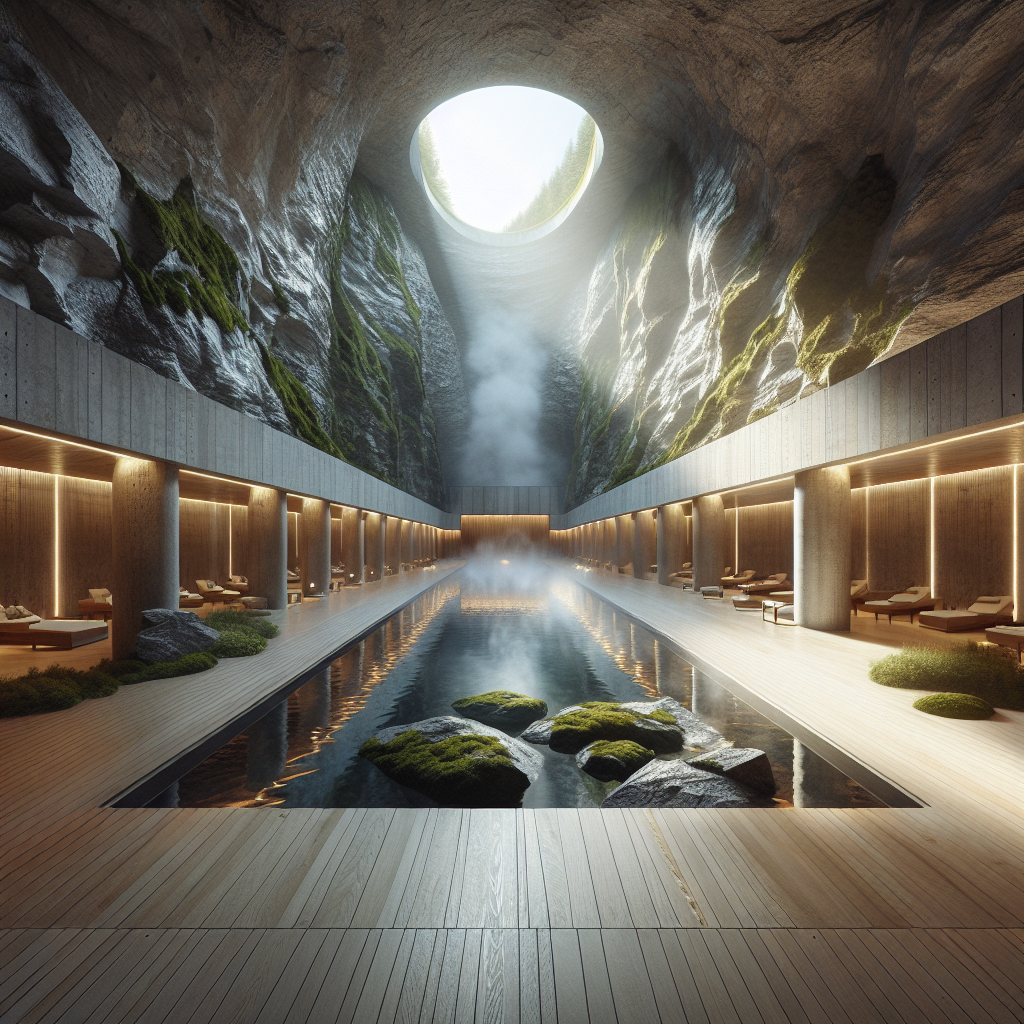
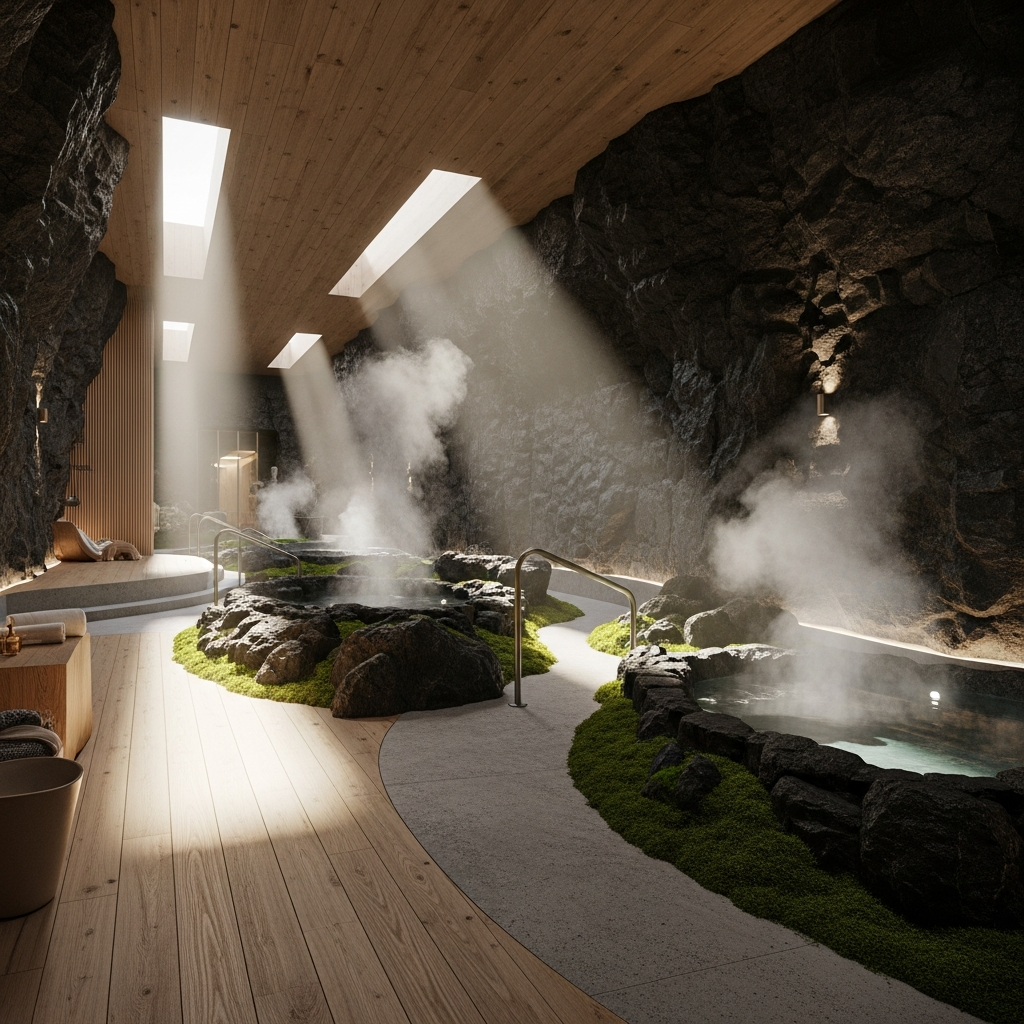
Set within a lava field near Hveragerði, this bunker-spa hybrid uses geothermal energy to power its pools and radiant walls. The design draws from Iceland’s volcanic topography, with basalt columns framing the bathing areas. The scent of mineral-rich steam fills the air, creating a sensory experience that rivals any luxury resort. According to the ArchDaily archives, geothermal integration in architecture is becoming a cornerstone of sustainable design in northern climates.
3. The Tokyo Silence Capsule
In the dense urban fabric of Tokyo, a discreet entrance leads to a subterranean retreat designed for overstimulated city dwellers. The capsule’s soundproofed walls and adjustable lighting mimic circadian rhythms, creating a space for meditation and sensory recalibration. The architects drew inspiration from the principles of designing for solitude, balancing technology with tactile comfort. It’s a rare example of how minimalism can feel profoundly human.
4. New Mexico’s Desert Spa Bunker
Hidden beneath the ochre sands of Taos, this bunker blends adobe traditions with cutting-edge insulation technology. The thick earthen walls regulate temperature naturally, while the interiors are adorned with handwoven textiles and sculptural clay lighting. The project echoes lessons from ancient desert architecture, proving that sustainability and sensuality can coexist underground.
5. The Norwegian Fjord Retreat
Accessible only by boat, this subterranean spa sits beneath a fjord cliff, its glass ceiling revealing the shimmer of water above. Designed by Snøhetta, the structure uses hydronic heating and natural rock insulation. Visitors describe the experience as “floating in reverse”—a meditative inversion of the world above. The project was featured by the Architects’ Journal for its seamless integration of architecture and geology.
6. The English Countryside Hideaway
In the rolling hills of Devon, a 19th-century bomb shelter has been reborn as a wellness retreat. The architects retained the original steel doors but softened the interiors with reclaimed timber, moss walls, and an underground garden atrium. It’s a masterclass in adaptive reuse, where history becomes a foundation for tranquility. The space offers yoga studios, salt therapy rooms, and a library of silence—each chamber designed to slow time.
7. The Colorado Earth Capsule
Built into a hillside near Aspen, this eco-bunker is powered entirely by solar and wind energy. The structure’s curved concrete shell, coated in local clay, blends seamlessly with the terrain. Inside, the atmosphere is monastic yet luxurious: stone soaking tubs, cedar-scented air, and fiber-optic “starlight” ceilings. The project’s architect, a former NASA engineer, describes it as “a retreat for those who crave stillness without isolation.”
8. The Berlin Subterranean Loft
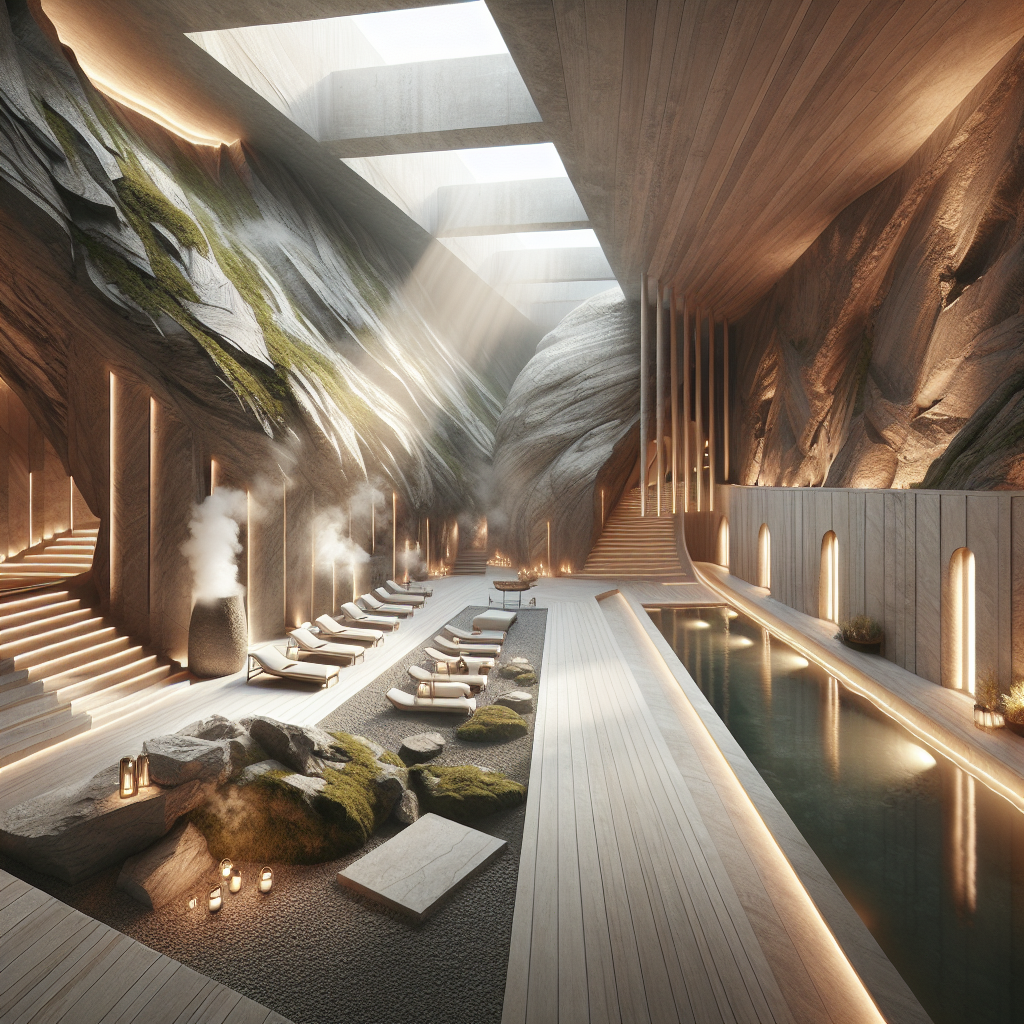
Under a former Cold War communications hub, this loft combines industrial austerity with spa-like warmth. Heated terrazzo floors and a mist-filled relaxation chamber transform the space into a cocoon of calm. The design team used recycled concrete and adaptive lighting systems, aligning with principles of circular economy design. It’s a striking example of how urban ruins can evolve into sanctuaries of wellness.
9. The Australian Outback Pod
In Coober Pedy, where temperatures soar above 45°C, subterranean living is a necessity turned art form. This modern bunker features an underground pool illuminated by shafts of desert light. The air remains naturally cool, and the walls—coated in lime plaster—emit a subtle glow. The project draws on the Australian tradition of “dugouts,” reimagined for a new generation seeking off-grid luxury. The Royal Institute of British Architects Journal praised it for its “poetic pragmatism.”
10. The Swiss “Wellness Vault”
Perhaps the most exclusive of all, this bunker beneath Lake Lucerne houses a private spa accessible only by biometric key. The interiors feature marble sourced from the Alps, chromotherapy pools, and oxygen-enriched air circulation. Despite its secrecy, it has become a reference point for luxury wellness design—proof that serenity can be engineered as meticulously as security.
The New Language of Subterranean Luxury
What unites these ten spaces is not their secrecy, but their serenity. Each one redefines the concept of refuge, turning what was once a defensive typology into a meditative one. In a world where overstimulation is the norm, these bunkers whisper a new architectural language—one of quiet, grounding, and introspection.
As underground architecture evolves, it continues to borrow from the past while anticipating the future. The trend resonates with the growing movement toward biodegradable architecture and eco-conscious material innovation. The result is a design ethos that feels both ancient and futuristic—spaces that protect not only the body but also the mind.
Ultimately, these subterranean sanctuaries invite us to rethink what luxury means. It’s no longer about opulence or excess; it’s about silence, temperature, and texture. The future of comfort may very well lie beneath our feet.
###ARTICLE_END### { “seo_title”: “The Introvert’s Fortress: 10 Underground Spa Bunkers”, “meta_description”: “Explore 10 underground bunkers that redefine luxury and wellness, blending architecture, sustainability, and serenity.”, “excerpt”: “From Iceland to Tokyo, discover 10 underground bunkers transformed into serene spa-like sanctuaries of design and wellness.”, “focus_keyphrase”: “underground bunkers that feel like spas” } **AI Image Prompts** 1. **Prompt:** Photorealistic image of a minimalist underground spa in the Swiss Alps, carved into rock with natural skylights, soft lighting, and pale oak interiors. Shot on Hasselblad H6D, 50mm lens, high dynamic range. **Alt text:** Minimalist underground spa carved into the Swiss Alps with natural light. **Caption:** A Swiss sanctuary where mountain stone meets meditative minimalism. 2. **Prompt:** Photorealistic geothermal spa bunker in Iceland, surrounded by lava fields and steam vents, basalt columns, and glowing pools. Shot on Hasselblad X2D, 35mm lens, moody lighting. **Alt text:** Geothermal underground spa in Iceland’s lava fields. **Caption:** Iceland’s geothermal haven transforms volcanic terrain into therapeutic calm. 3. **Prompt:** Subterranean loft in Berlin with terrazzo floors, ambient mist, and adaptive lighting, industrial yet serene. Shot on Hasselblad H6D, 80mm lens, cinematic contrast. **Alt text:** Berlin underground loft with terrazzo floors and spa-like lighting. **Caption:** Berlin’s industrial past reborn as a cocoon of wellness and light. 4. **Prompt:** Australian desert underground pool illuminated by natural shafts of light, lime plaster walls, and minimal furnishings. Shot on Hasselblad X1D II, 45