
The healing library: integrating therapy rooms among reading nooks
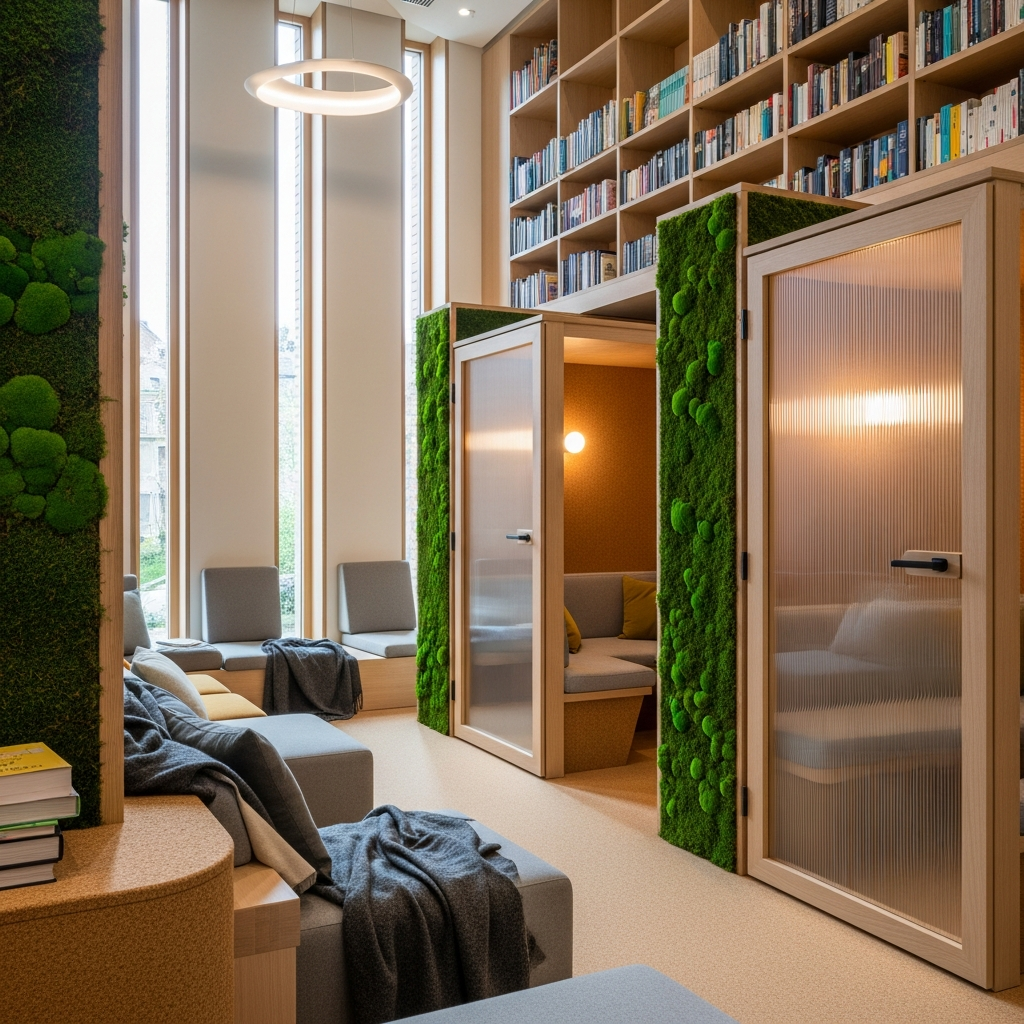
The Healing Library: Integrating Therapy Rooms Among Reading Nooks
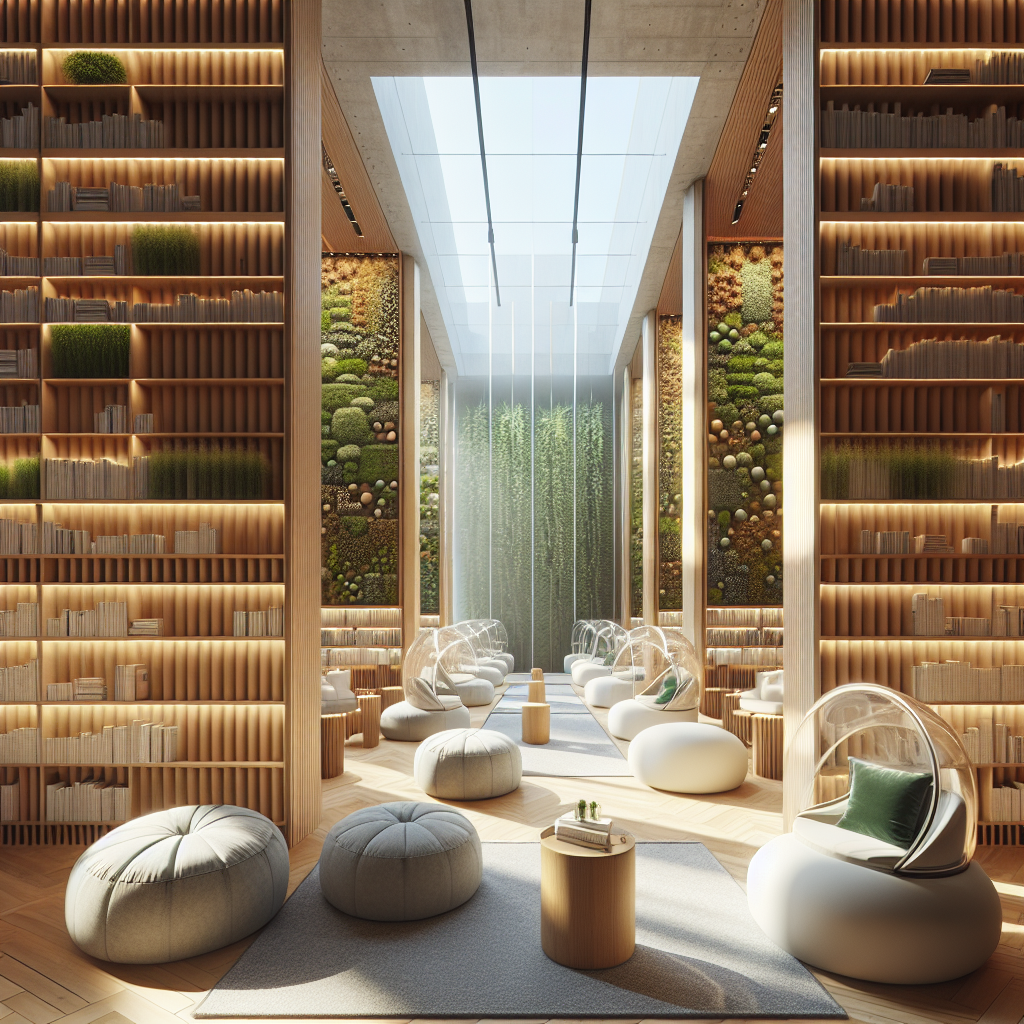
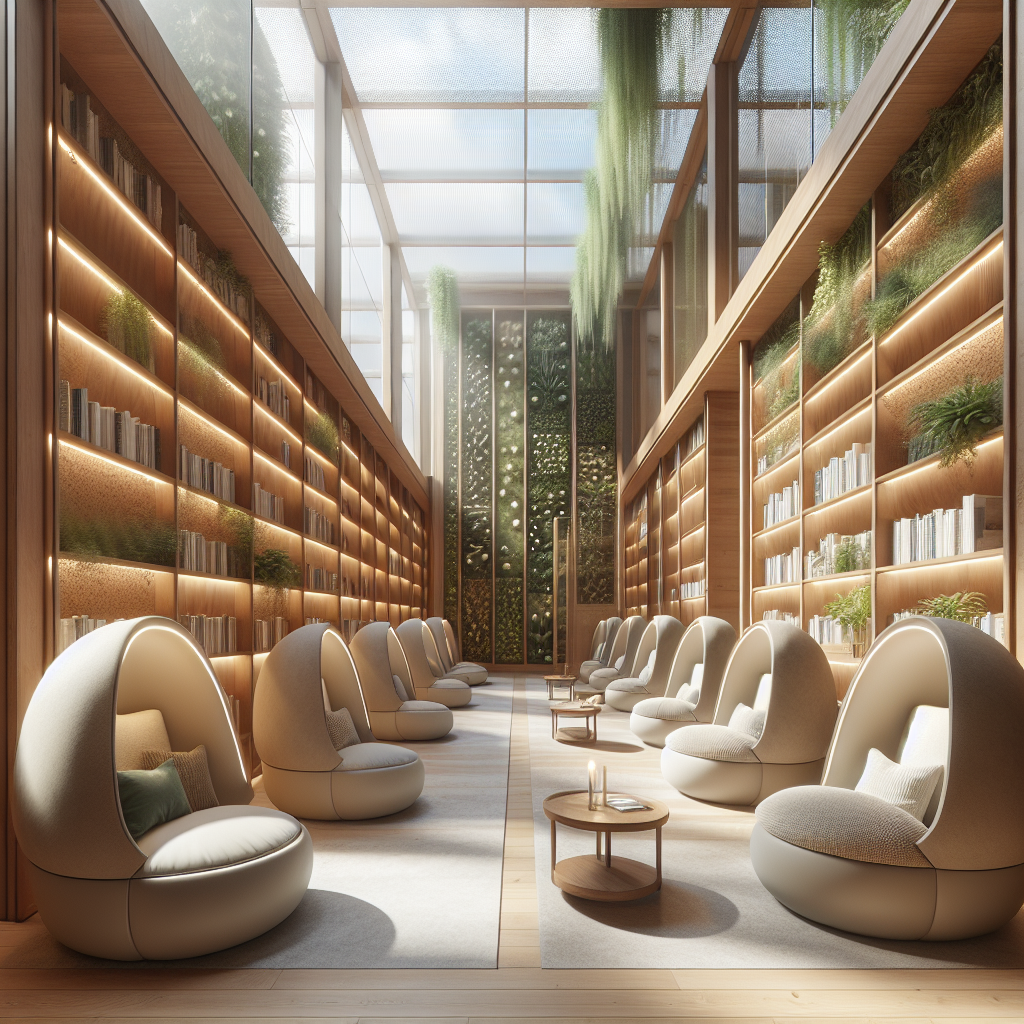
Once the silent sanctuaries of scholarship, libraries are evolving into multisensory environments for emotional restoration. The contemporary library no longer confines itself to bookshelves and study tables—it now embraces the language of wellness architecture. Across the globe, architects and interior designers are reimagining these civic spaces as places where reading, reflection, and therapy converge. The emerging concept of the healing library—where therapy rooms are interwoven among reading nooks—signals a profound shift in how we perceive both public and private spaces for learning and care.
From Knowledge to Nurture: The Evolution of the Library
Historically, libraries have embodied the democratization of knowledge. Yet in the 21st century, their mission extends beyond intellectual enrichment to include mental and emotional well-being. This transformation is partly a response to rising global concerns about stress, loneliness, and digital fatigue. According to a 2024 report by the International Federation of Library Associations, over 40% of new public library projects in Europe and North America now include designated wellness zones or sensory rooms.
Architects are responding with a new typology—spaces that blend the contemplative stillness of reading with the therapeutic intimacy of counseling environments. The result is a hybrid architecture that acknowledges the mind as both a vessel for knowledge and a landscape for healing.
Designing for Emotional Resonance
In the healing library, spatial choreography is everything. The transition from open reading areas to enclosed therapy rooms must feel organic, not clinical. Designers achieve this through gradual shifts in light, texture, and acoustics. Reading zones often feature soft daylight filtered through clerestory windows, while therapy rooms employ diffused, indirect lighting that evokes calm and safety.
Acoustic design plays a crucial role. Sound-absorbing materials—wool felt panels, cork walls, and recycled cellulose insulation—create auditory privacy without severing the connection to the larger space. The architecture of silence becomes a form of care. This attention to sensory detail echoes principles found in biophilic design, where natural materials and patterns reduce stress and enhance cognitive function.
Case Study: Helsinki’s Oodi Library
Few projects illustrate this evolution better than Helsinki’s Oodi Library, designed by ALA Architects. Completed in 2018, Oodi is more than a repository of books—it’s a civic living room. Within its sweeping timber structure, glass-walled reading terraces coexist with quiet rooms designed for meditation, counseling, and creative therapy. The building’s upper floor, bathed in Nordic light, transitions seamlessly from communal reading zones to private reflection pods. The architecture itself becomes a psychological gradient, guiding visitors from stimulation to serenity.
Such design strategies align with the growing movement toward healing environments in healthcare architecture, where spatial qualities—light, air, sound, and materiality—are understood as therapeutic agents. Oodi’s design demonstrates how these principles can be translated into cultural infrastructure, blurring the line between civic and clinical space.
Material Empathy: The Tactile Language of Calm
Material selection in healing libraries is deliberate and deeply symbolic. Warm woods, breathable plasters, and textured textiles invite touch and comfort. Architects are increasingly turning to sustainable and sensory materials—such as hempcrete, clay paint, and linseed-finished oak—that regulate humidity and emit no toxins. These choices not only enhance physical comfort but also reinforce the library’s identity as a sanctuary of care.
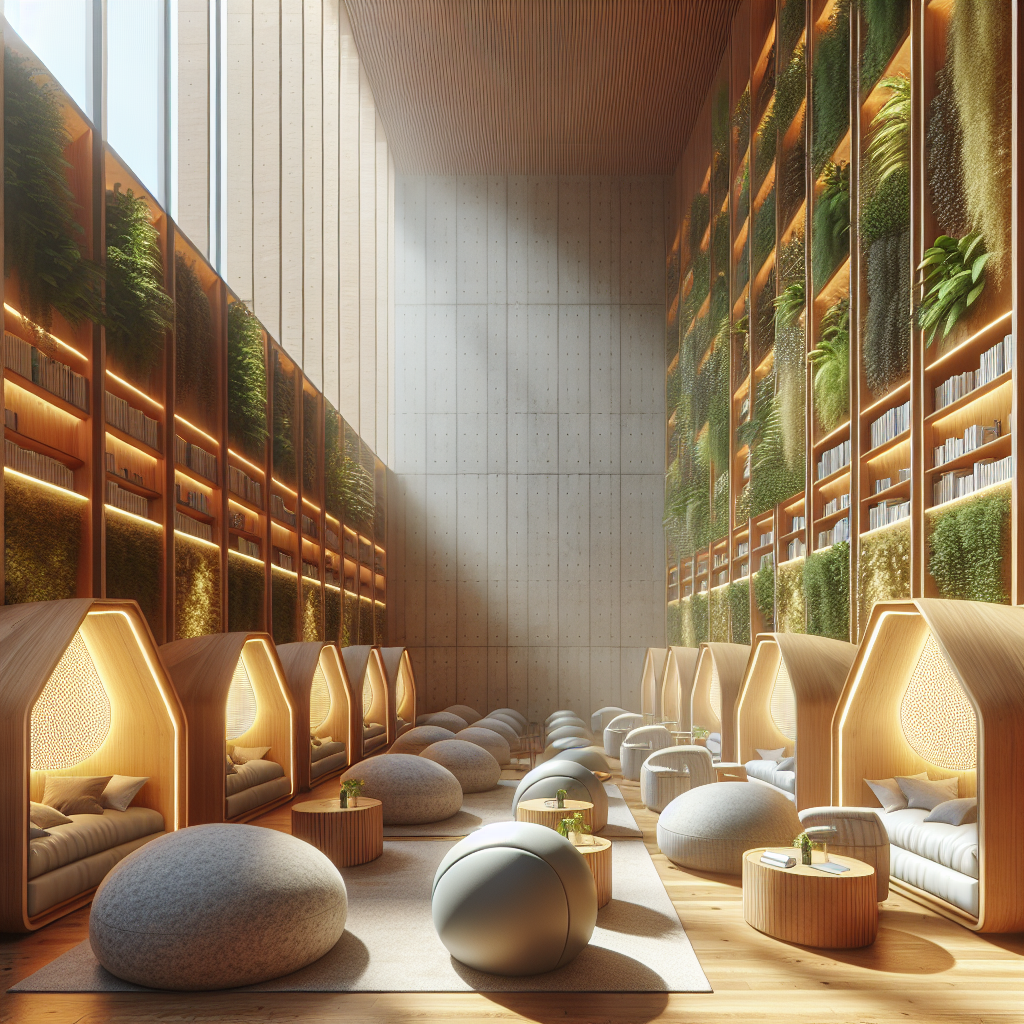
In some projects, designers integrate living elements—vertical gardens, moss walls, or indoor trees—to bring the rhythm of nature indoors. The effect is both aesthetic and physiological: greenery reduces cortisol levels and improves concentration. This approach resonates with the broader architectural trend toward green architecture, where nature is not decoration but a structural and emotional partner.
Therapy Rooms as Architectural Vignettes
Integrating therapy rooms within libraries demands a delicate balance between privacy and permeability. These rooms are often conceived as architectural vignettes—compact, cocoon-like enclosures that offer refuge without isolation. Some designers employ translucent partitions made of frosted glass or woven screens, allowing light to pass while preserving discretion. Others use modular timber pods that can be reconfigured as needs evolve.
At the New York Public Library’s recently renovated Midtown branch, architects from Mecanoo introduced “quiet pods” inspired by Japanese tea houses. Each pod features a tatami-like floor, soft perimeter lighting, and adjustable acoustic panels. Visitors can use them for therapy sessions, mindfulness workshops, or simply as private reading sanctuaries. The design demonstrates how architectural flexibility can accommodate diverse forms of healing.
Digital Detox and Cognitive Restoration
In an era dominated by screens, libraries offer a rare antidote to digital saturation. The healing library amplifies this role by curating environments that promote cognitive restoration. Research from the University of Michigan shows that exposure to quiet, naturalistic settings improves attention span and memory retention—findings that directly inform the spatial logic of these new libraries.
Some institutions are experimenting with sensory zoning: digital-free reading lounges, low-stimulation therapy rooms, and “transition corridors” that use soundscapes and scent diffusers to recalibrate the senses. This multisensory approach parallels innovations seen in responsive design, where architecture adapts dynamically to human emotion and behavior.
Community Healing Through Design
Beyond individual therapy, the healing library fosters collective resilience. By embedding counseling services, support groups, and wellness workshops within a familiar civic setting, these spaces destigmatize mental health care. They transform the act of seeking help into a communal, normalized experience. The architecture itself becomes a silent advocate for empathy.
In Copenhagen’s Ørestad Library, for instance, therapy rooms double as creative studios for art therapy and community dialogue. The interiors—lined with birch plywood and punctuated by skylights—encourage openness and trust. The design team describes the project as “a library that listens,” a phrase that encapsulates the emotional intelligence of this new typology.
Future Directions: The Library as a Living Organism
As urban centers grapple with mental health crises, libraries are emerging as urban sanctuaries—accessible, inclusive, and deeply human. The next generation of healing libraries may integrate biometric feedback systems that adjust lighting and sound to occupants’ stress levels, or employ scent-based zoning to guide emotional states. These innovations echo the principles of smart home technology, scaled up for public well-being.
Yet the essence of the healing library lies not in technology but in empathy. It’s in the curve of a reading alcove that invites stillness, the texture of a wall that feels like a breath, the gentle transition from communal hum to private hush. Architecture, at its most humane, becomes therapy itself.
Redefining the Civic Interior
The integration of therapy rooms among reading nooks represents more than a design trend—it’s a cultural recalibration. It acknowledges that learning and healing are intertwined acts of self-discovery. In these spaces, architecture performs a quiet revolution: transforming the library from a monument of intellect into a cathedral of care.
As cities seek to build more compassionate infrastructures, the healing library stands as a blueprint for the future—one where architecture listens, light soothes, and every corner offers the possibility of renewal.
Keywords: healing library, wellness architecture, therapy rooms, reading nooks, biophilic design, library design trends, emotional well-being, sustainable interiors