
Tactile Therapy: Why ‘Furry Walls’ Are Making a Comeback
Tactile Therapy: Why ‘Furry Walls’ Are Making a Comeback
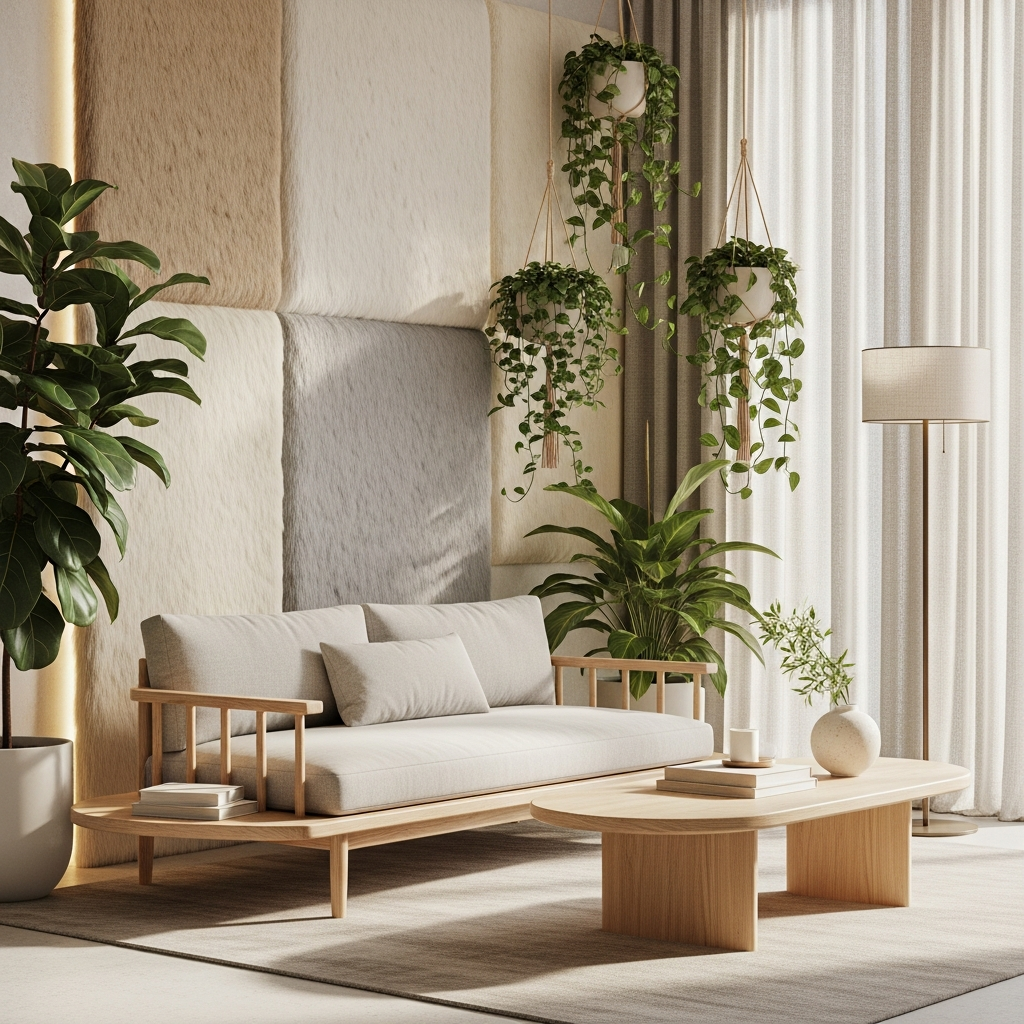
In an era defined by glass, steel, and digital minimalism, the resurgence of texture feels almost radical. Designers across disciplines are rediscovering the emotional potency of touch—specifically, the comfort of softness. From velvet-clad walls in boutique hotels to faux-fur acoustic panels in avant-garde offices, the so-called “furry wall” is shedding its kitsch reputation and reemerging as a sophisticated design statement. This tactile renaissance isn’t just aesthetic; it’s psychological, sensory, and deeply human.
The Return of Texture in a Digital Age
Our lives are increasingly mediated by screens—smooth, cold, and unyielding. In response, interior designers are crafting spaces that counterbalance this digital sterility with warmth and tactility. The trend toward “furry walls” is part of a broader movement known as sensory design, which prioritizes the physical experience of a space as much as its visual impact. The appeal lies in the primal comfort of touch: the instinctive human response to softness as safety, to texture as grounding.
According to research published by the Architects’ Journal, post-pandemic interiors have seen a measurable increase in the use of tactile materials—from boucle and mohair to recycled wool and bio-based felts. These materials don’t just add visual depth; they invite interaction. They remind us that architecture isn’t merely something to look at—it’s something to feel.
From Novelty to Neuroscience
What was once a playful design quirk has evolved into a legitimate wellness strategy. The concept of “tactile therapy” stems from neuroscience: studies show that soft textures can reduce cortisol levels and trigger oxytocin release, fostering calm and connection. This aligns with the growing emphasis on biophilic design, which integrates natural sensations—light, air, texture—into built environments to enhance well-being.
Designers like India Mahdavi and Faye Toogood have long championed the power of touch in interiors, using plush surfaces not as decoration but as emotional architecture. Their spaces envelop occupants in a kind of sensory cocoon, where walls, furniture, and textiles merge into a single tactile narrative. The “furry wall,” in this context, becomes a metaphor for comfort in uncertain times—a soft rebellion against the hardness of modern life.
Material Innovation: Beyond Faux Fur
Today’s furry walls are not limited to shaggy synthetics. Advances in material science have expanded the vocabulary of softness. Designers are experimenting with sustainable fibers, biodegradable felts, and even mycelium-based textiles that mimic the warmth of fur without environmental compromise. According to the Material District, new composites made from hemp, bamboo, and seaweed fibers are being engineered for acoustic absorption and thermal regulation—proving that tactile design can also be high-performance and eco-conscious.
This intersection of comfort and sustainability mirrors the principles explored in biodegradable architecture, where materials are designed to return gracefully to the earth. In both cases, texture becomes a tool for environmental empathy—a reminder that softness need not come at the planet’s expense.
Acoustics, Atmosphere, and the Art of Quiet
Beyond their emotional appeal, furry walls serve a practical function: they absorb sound. In open-plan offices and hospitality spaces, where acoustic comfort is often overlooked, textured surfaces can dramatically improve spatial quality. The ArchDaily database of case studies highlights numerous projects where textile-covered walls are used to create intimate zones within large volumes, softening both noise and mood.
Some designers are even merging tactile and technological innovation. Embedded sensors within soft wall panels can respond to temperature or proximity, subtly adjusting lighting or releasing scent—a concept reminiscent of tactile technology explored in contemporary furniture design. The result is a multisensory environment that reacts to human presence, transforming the static wall into a living interface.
From Clubs to Clinics: The Versatility of Softness
Once confined to nightclubs and retro lounges, furry walls are now appearing in unexpected contexts. In wellness clinics, they’re used to reduce anxiety. In educational settings, they create sensory-friendly zones for neurodiverse students. Even corporate environments are adopting tactile panels to humanize sterile meeting rooms. This democratization of texture reflects a broader cultural shift: the recognition that design affects not just how we see, but how we feel.
Architectural psychologist Dr. Fiona Hamer notes that “softness in space design signals safety and care.” Her findings, published in the Journal of Environmental Psychology, suggest that textured environments can improve focus and reduce stress in high-stimulation settings. In this sense, the furry wall becomes more than décor—it’s therapy by design.
The Future of Tactile Spaces
As the boundaries between physical and digital worlds blur, the tactile will only grow more valuable. Virtual reality and haptic feedback technologies are already simulating texture in digital environments, hinting at a future where the warmth of a furry wall could be felt through a headset. Yet, even as technology advances, the desire for authentic, physical touch remains timeless.
Designers are beginning to merge these worlds, creating hybrid spaces that engage both the senses and the imagination. The next generation of interiors may well combine soft, responsive materials with digital overlays—an evolution of the “furry wall” into a multisensory architecture of empathy.
Ultimately, the return of tactile design speaks to a deeper longing: for connection, for comfort, for humanity. In a world increasingly defined by abstraction, the furry wall stands as a reminder that the most meaningful design is the one we can feel.
{
  "seo_title": "Tactile Therapy: The Return of Furry Walls",
  "meta_description": "Explore why furry walls are making a comeback in tactile design, blending comfort, sustainability, and sensory wellness.",
  "excerpt": "What if the walls around you could calm your mind? Explore the resurgence of tactile design and the comforting allure of furry walls.",
  "focus_keyphrase": "furry walls"
}
AI Image Prompts
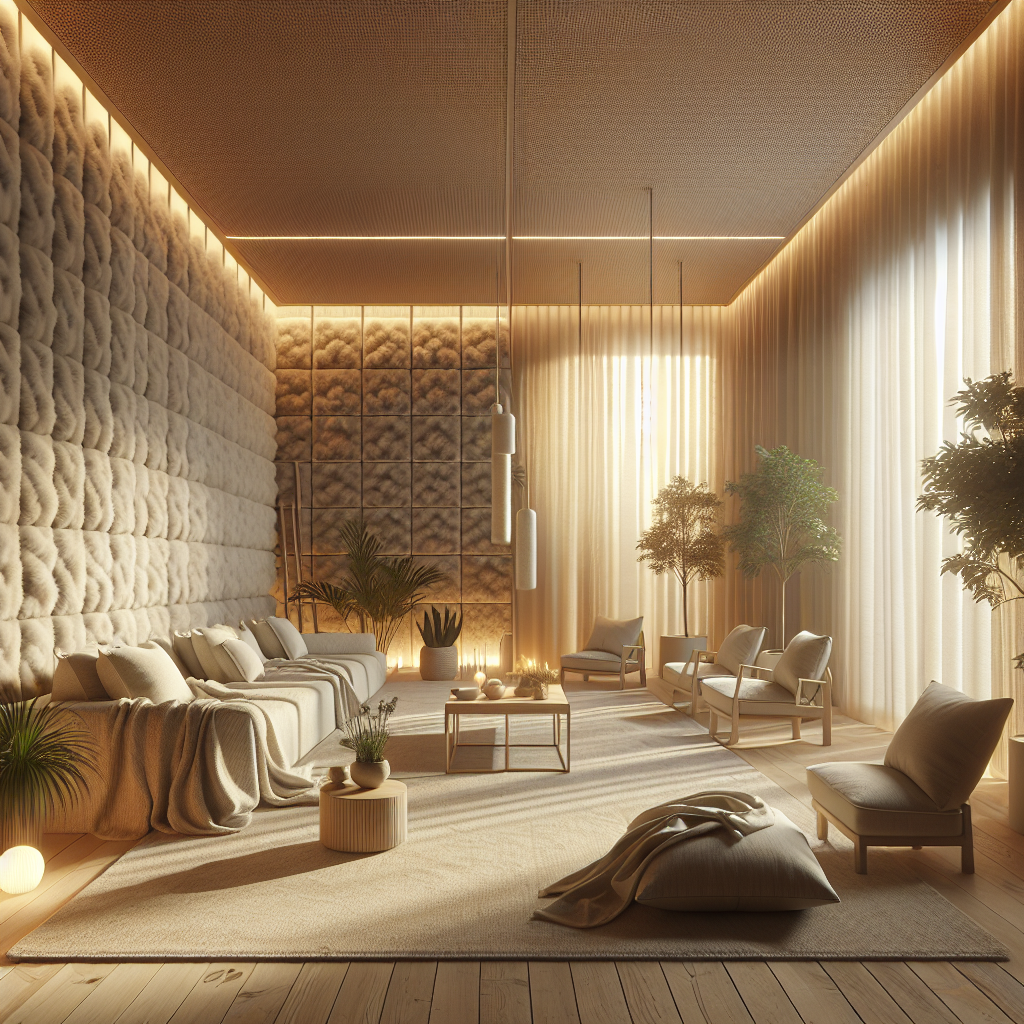
- Prompt: Photorealistic interior of a modern lounge with soft faux-fur wall panels, warm ambient lighting, and minimalist furniture, shot on a Hasselblad H6D with natural daylight diffusion.
Alt text: Modern lounge with tactile furry wall panels and warm lighting.
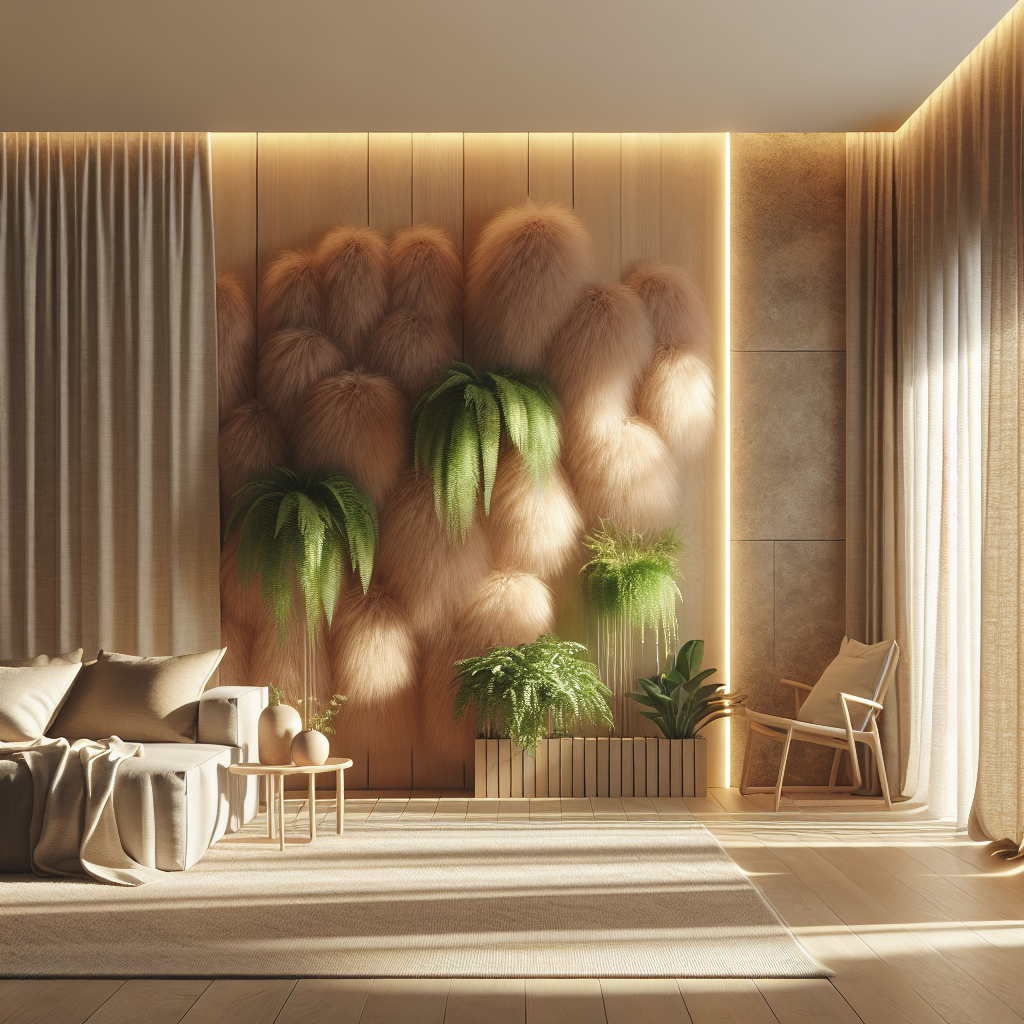
Caption: A sensory sanctuary—soft walls transforming minimalism into comfort. - Prompt: High-end wellness clinic featuring acoustic felt-covered walls in muted tones, sunlight filtering through linen curtains, photographed on a Hasselblad X2D.
Alt text: Wellness clinic with soft felt walls and natural light.
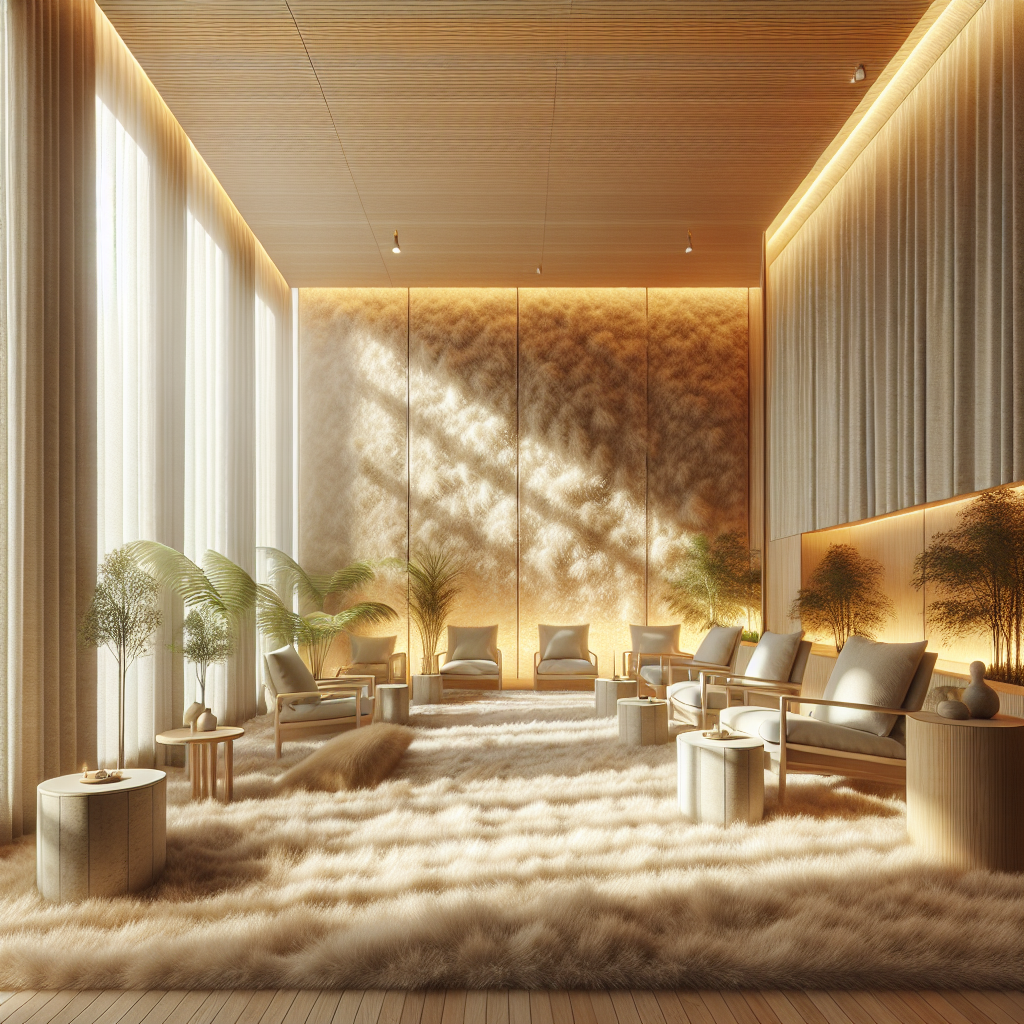
Caption: Texture as therapy—soft surfaces redefining calm in clinical design. - Prompt: Contemporary office breakout area with sustainable wool wall coverings, lush indoor plants, and curved seating, captured on a Hasselblad X1D II.
Alt text: Office lounge with wool-covered walls and greenery.
Caption: The modern workspace evolves—tactility meets biophilia. - Prompt: Avant-garde art installation of a “furry corridor” with gradient lighting and reflective flooring, photographed on a Hasselblad H6D with cinematic composition.
Alt text: Furry corridor art installation with gradient lighting.
Caption: Immersive tactility—an exploration of softness as sculpture.
Social Media Strategy
Main Post Caption: Softness is back—and it’s smarter than ever. From wellness clinics to creative studios, designers are embracing “furry walls” as tactile therapy for the modern age. Would you dare to touch your walls? 🖐✨
Call to Action: Tap the link in bio to explore how texture is reshaping design psychology.
Hashtags: