
Tactile technology: furniture responding to body temperature and pulse
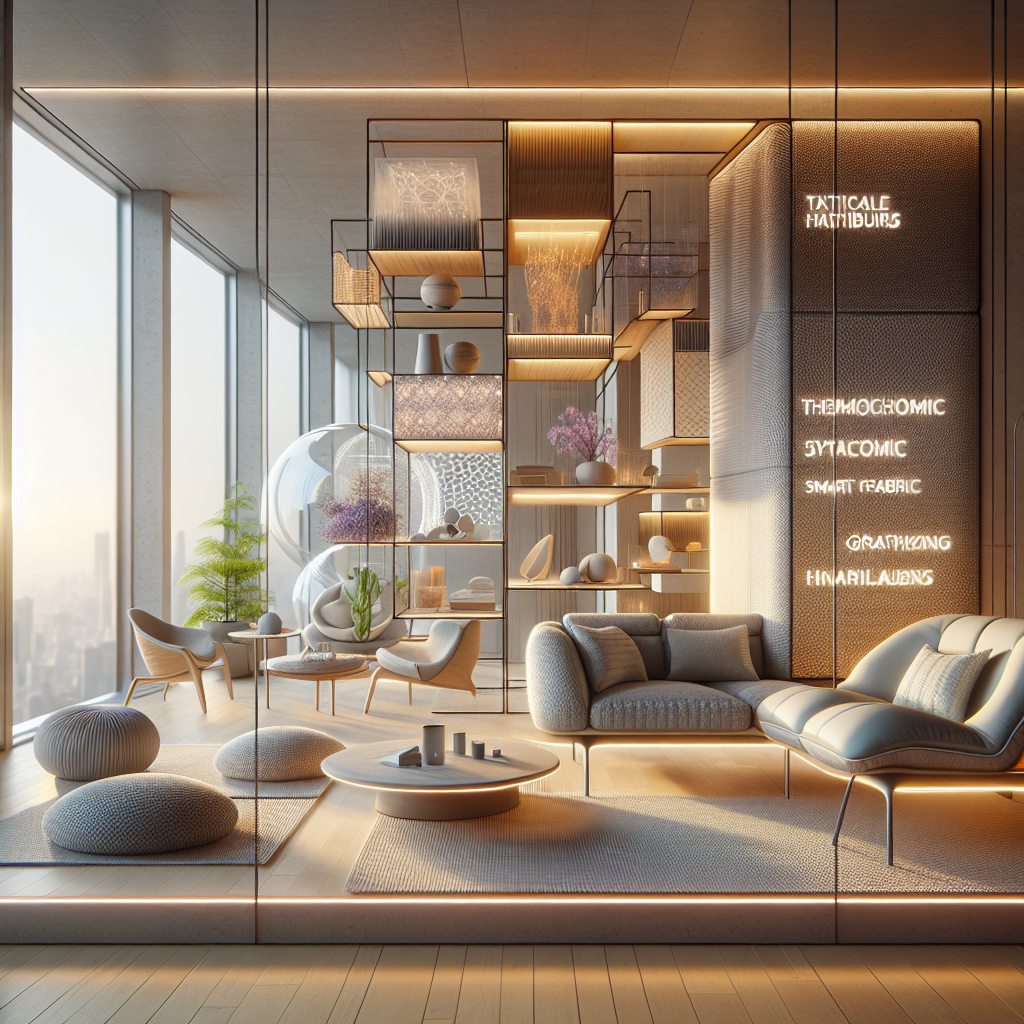
Tactile Technology: Furniture Responding to Body Temperature and Pulse
In the ever-evolving dialogue between design and technology, a new frontier is emerging—one that feels less like an interface and more like an embrace. Tactile technology is redefining how we inhabit space, inviting furniture to respond not just to our gestures, but to our physiology. Imagine a chair that subtly warms as your body cools, or a sofa that adjusts its firmness in sync with your heartbeat. This is not science fiction; it is the next evolution in responsive design, where the boundary between human and object begins to dissolve.
The Rise of Responsive Materials
Over the past decade, the design industry has witnessed a steady migration from static materials to smart textiles and bio-responsive surfaces. These materials—embedded with sensors, conductive threads, and micro-actuators—allow furniture to sense and adapt to the human body in real time. According to a 2024 report by the International Design Council, the global market for smart materials in interiors is projected to exceed $15 billion by 2026, driven by the convergence of wellness, sustainability, and digital craftsmanship.
Designers are increasingly exploring the emotional and physiological dimensions of comfort. As seen in the rise of responsive architecture, the same principles now scale down to the intimate realm of furniture. The goal is not merely to automate, but to humanize technology—to make our surroundings more empathetic, intuitive, and alive.
How Furniture Feels You
At the heart of tactile technology lies a network of biosensors capable of detecting subtle physiological changes. These sensors measure skin temperature, pulse rate, and even micro-movements associated with stress or relaxation. Once processed by embedded microcontrollers, the data triggers adaptive responses: heating elements activate, pressure zones shift, or embedded LEDs modulate color temperature to reflect mood.
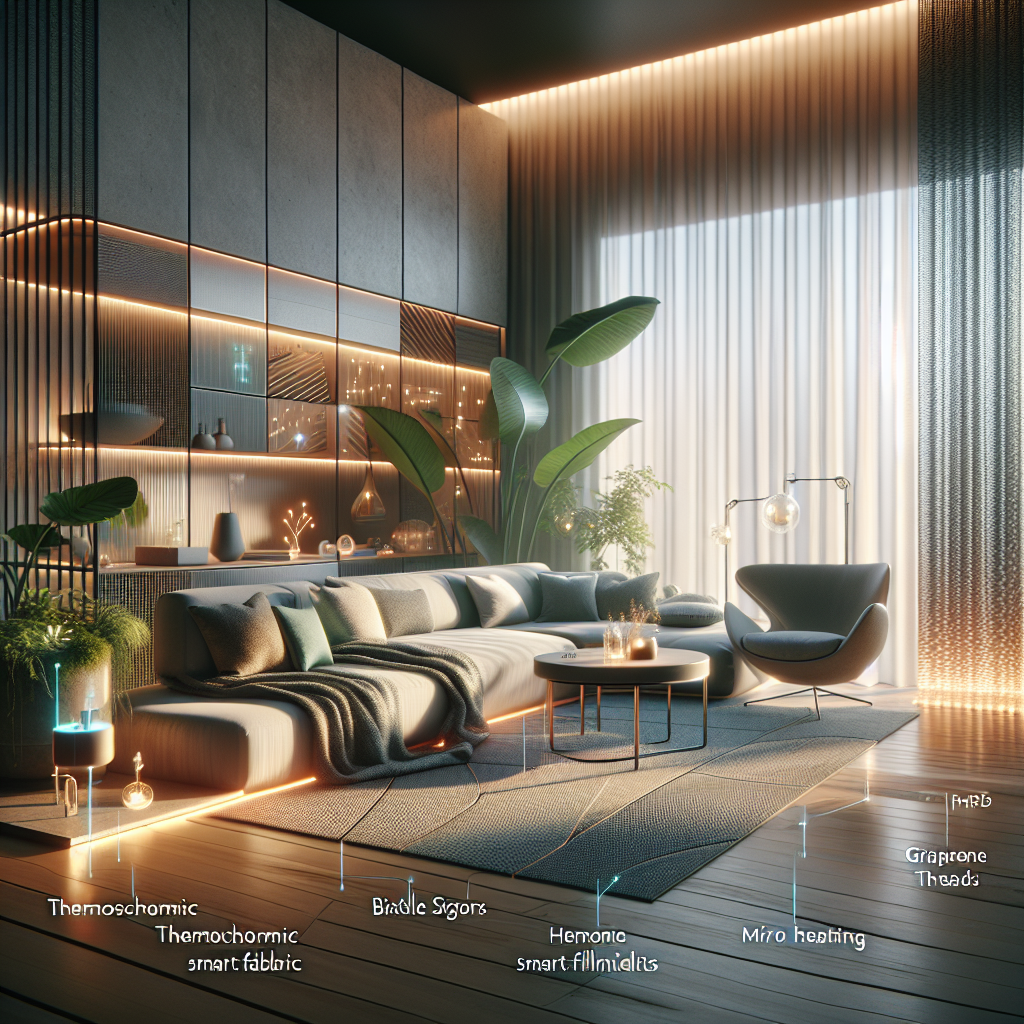
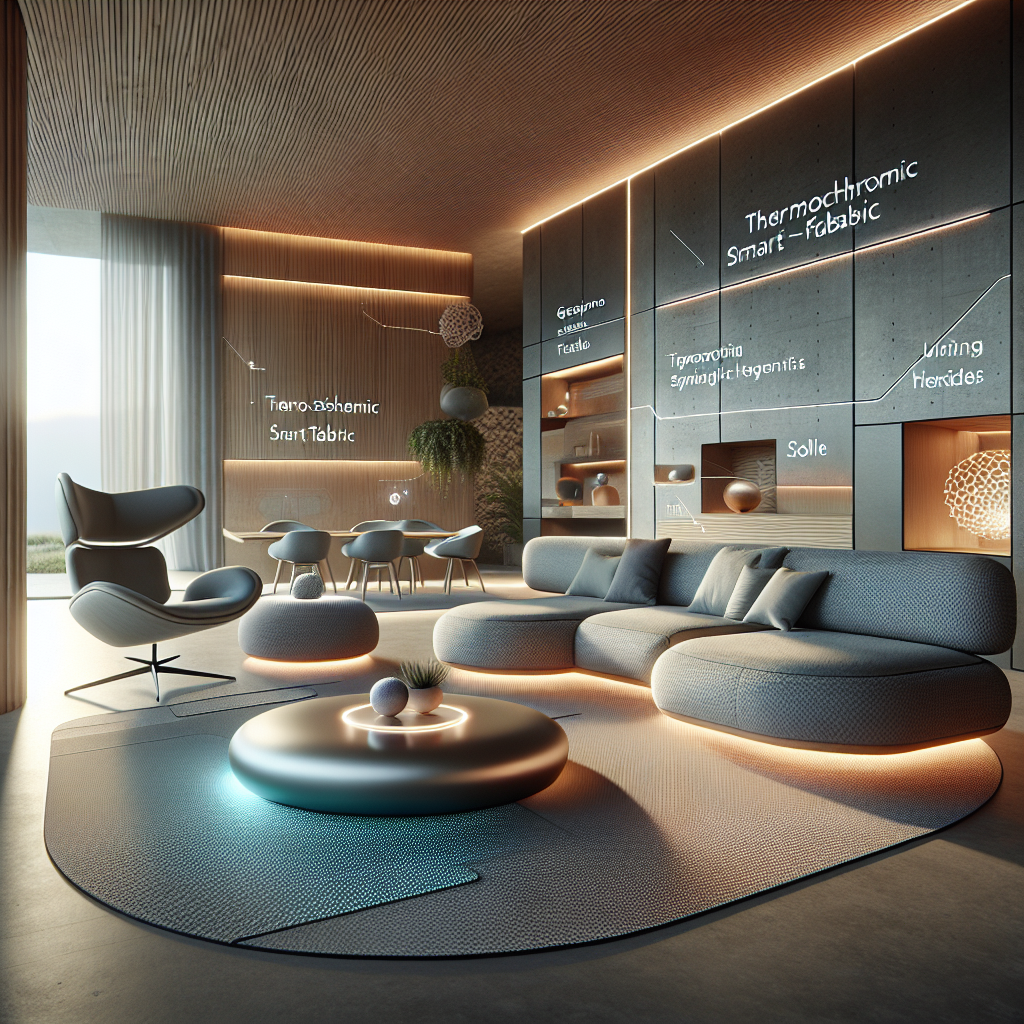
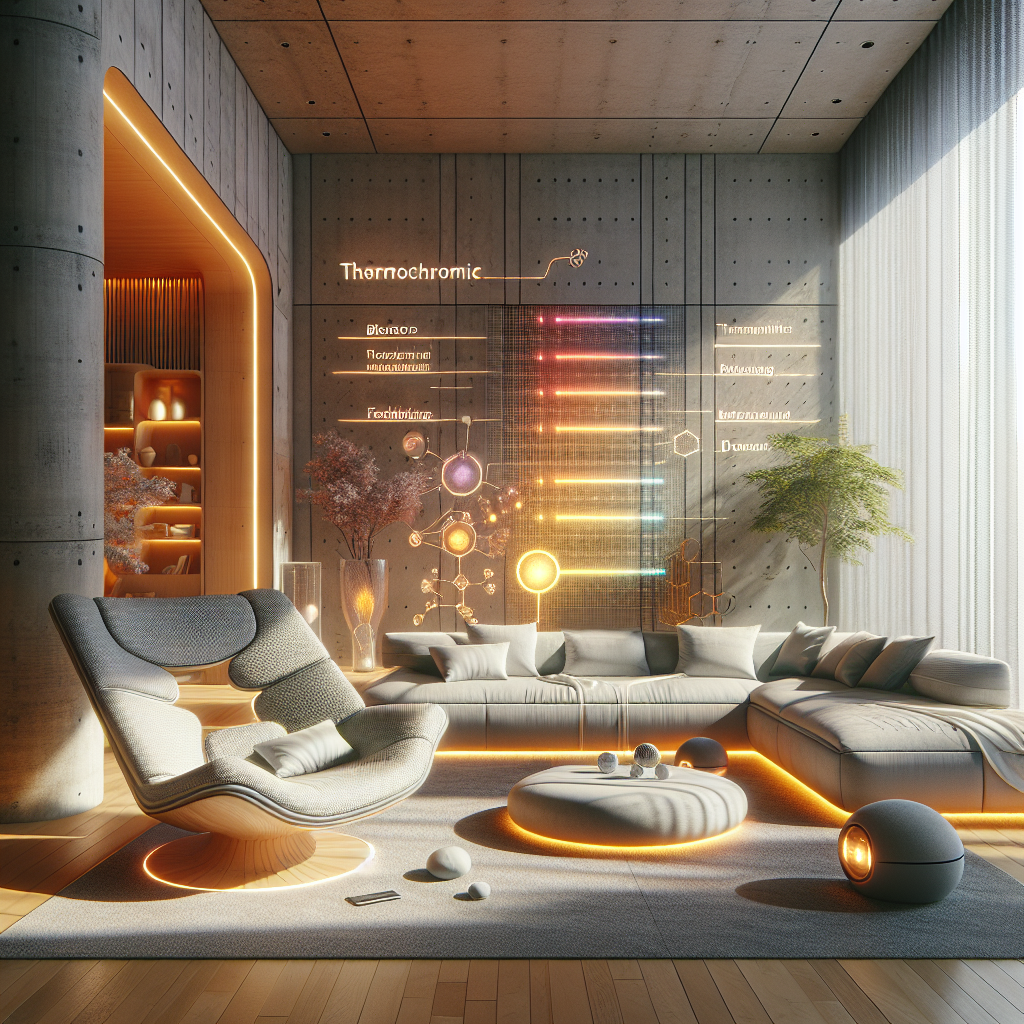
In a prototype developed by Milan-based studio Formafantasma, a chaise longue integrates thermochromic fabrics—materials that change color based on heat. As a user reclines, the surface blossoms from cool slate to warm amber, visually echoing the body’s presence. The effect is both poetic and functional, a visual feedback loop that transforms rest into performance art.
Similarly, Japanese brand Nendo has experimented with pulse-reactive seating that subtly contracts and releases in rhythm with the sitter’s heartbeat, mimicking the sensation of breathing. The result is a meditative, almost symbiotic experience—an object that doesn’t just support you, but listens to you.
From Smart Homes to Sentient Interiors
The integration of tactile technology aligns seamlessly with the broader evolution of smart home design. As our living spaces become increasingly data-driven, the furniture within them is evolving from passive decor to active participants in our well-being. The shift is especially visible in high-end residential and hospitality projects, where comfort is no longer defined by static luxury but by dynamic adaptability.
Consider the “Pulse Lounge” concept unveiled at Salone del Mobile 2025: a modular seating system that monitors users’ biometric data and adjusts lighting, temperature, and acoustic properties accordingly. Each module contains a network of graphene-based sensors and micro-heating filaments, capable of maintaining the user’s ideal thermal comfort zone. The lounge becomes a living organism—responsive, aware, and subtly attuned to its occupants.
This intersection of design and biotechnology is also influencing workplace environments. In corporate wellness initiatives, furniture that responds to stress indicators could help reduce burnout by prompting micro-rests or guided breathing sessions. It’s a tangible manifestation of what some theorists call “affective ergonomics”—design that not only fits the body but resonates with its rhythms.
Material Intelligence and Emotional Design
Material innovation is the linchpin of this tactile revolution. Advances in phase-change materials (PCMs)—substances that absorb or release heat during state transitions—allow surfaces to self-regulate temperature without external energy input. When combined with conductive polymers and e-textiles, designers can craft furniture that feels organic yet technologically sophisticated.
In the context of biophilic design, tactile technology introduces a new sensory dimension. Just as natural materials like wood and stone evoke calm through texture and warmth, responsive surfaces amplify that connection by reacting to our presence. The result is a dialogue between human and environment that transcends aesthetics—it becomes experiential, almost intimate.
As design critic Paola Antonelli noted in a recent panel at the Museum of Modern Art, “The future of furniture is not about control, but about conversation.” This sentiment captures the essence of tactile technology: it is not about commanding our surroundings, but allowing them to respond empathetically.
Case Studies: From Concept to Craft
Several pioneering studios are already pushing the boundaries of tactile design. London-based designer Ben Alun-Jones has developed a series of bio-sensing chairs that use photoplethysmography—a technique similar to that in wearable fitness trackers—to monitor pulse through light reflection. The chairs emit a soft luminescence that fluctuates with the sitter’s heartbeat, turning the invisible into a visual rhythm.
Meanwhile, Dutch collective Studio Drift has explored kinetic furniture that subtly shifts shape in response to proximity and body heat. Their “Ego” table, for instance, ripples gently when touched, its surface composed of flexible resin embedded with temperature-sensitive microcapsules. The result is an uncanny blend of material science and emotional resonance—a table that seems to breathe beneath your fingertips.
These projects echo the spirit of experimental fabrication seen in contemporary architecture, where digital precision meets artisanal intuition. The tactile turn is not about abandoning craft, but reimagining it through data and empathy.
Ethics, Privacy, and the Future of Sensory Data
As with all bio-integrated technologies, the promise of tactile furniture raises critical questions about data ethics and privacy. When a sofa senses your pulse or a bed tracks your temperature, who owns that information? Designers and manufacturers must navigate the delicate balance between personalization and surveillance, ensuring that sensory data remains local, encrypted, and user-controlled.
There is also a philosophical dimension: what happens when our environments know us better than we know ourselves? As human–computer interaction evolves into human–furniture interaction, the line between tool and companion begins to blur. For some, this signals a new era of emotional design; for others, it invites a necessary debate about autonomy and intimacy in the digital home.
The Sensory Renaissance
Tactile technology represents more than a technical innovation—it signals a cultural shift toward sensorial intelligence in design. In an age dominated by screens and abstraction, the return to touch feels almost radical. It reconnects us to the physical world, reminding us that design’s ultimate purpose is not efficiency, but empathy.
As the industry continues to explore AI-driven design processes, the tactile revolution offers a counterpoint: a future where intelligence is not only computational but felt. In this emerging paradigm, furniture becomes more than functional—it becomes responsive, emotional, and alive.
In the quiet hum of a chair that warms to your pulse or a table that glows with your heartbeat, we glimpse a new language of design—one that listens, adapts, and cares. The future of interiors may not be louder or brighter, but more attuned to the subtle symphony of the human body itself.
By embracing tactile technology, designers are crafting not just furniture, but companions—objects that bridge the digital and the human through the universal language of touch.
Keywords: tactile technology, responsive furniture, smart materials, biophilic design, emotional design, smart home innovation, adaptive interiors, body-responsive furniture.