
Sonic bubble installations: translucent spheres producing ambient music
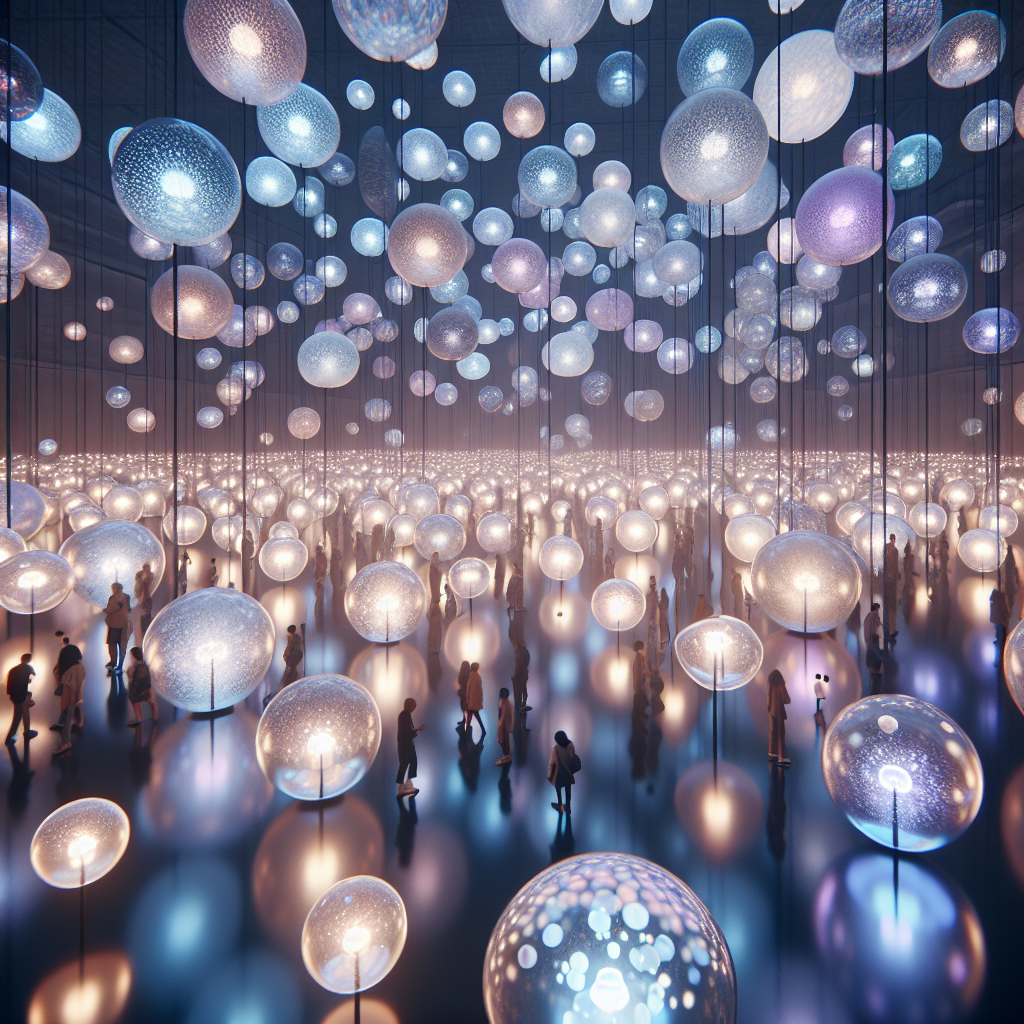
Sonic Bubble Installations: Translucent Spheres Producing Ambient Music
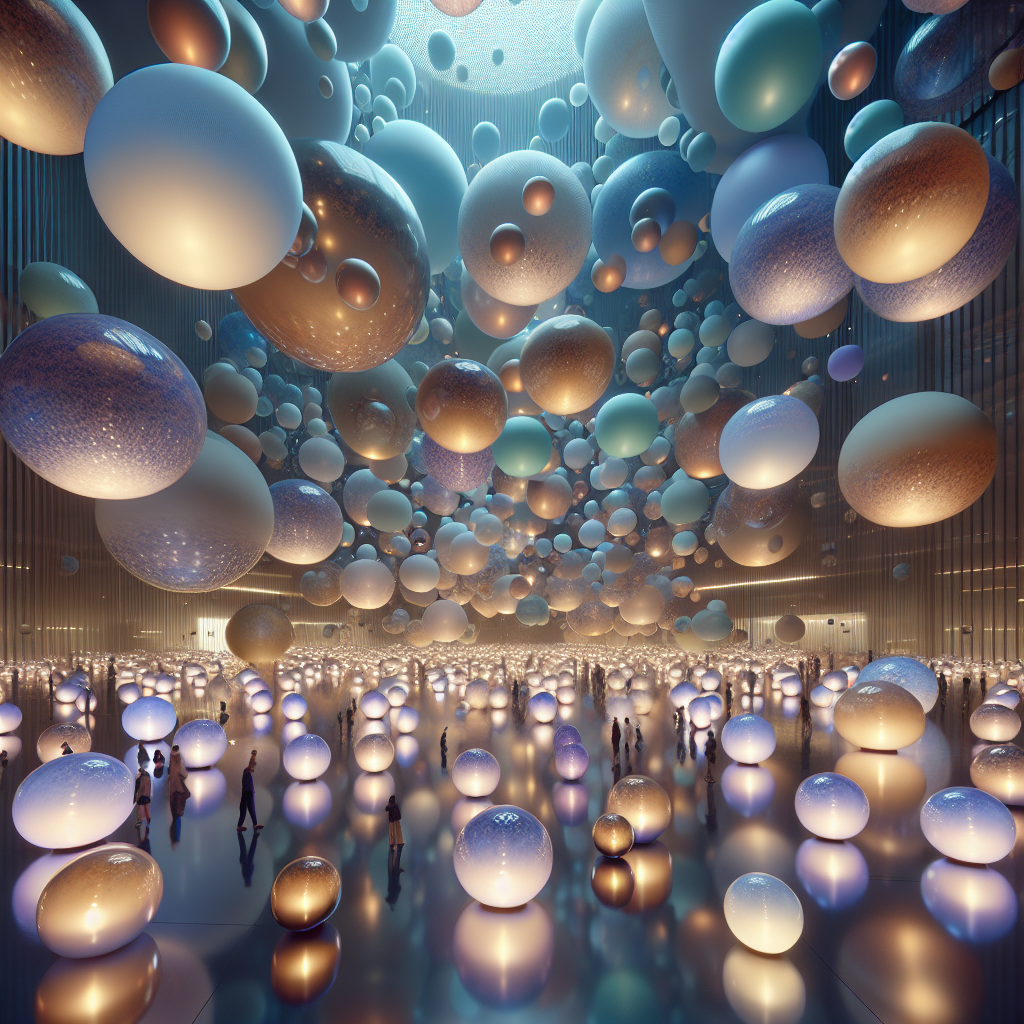
Imagine stepping into a space where sound doesn’t simply fill the air—it floats, glides, and shimmers around you. Suspended translucent spheres emit soft, evolving tones that respond to movement, temperature, or even breath. These sonic bubble installations—a fusion of acoustic design, sculpture, and interactive technology—are redefining how we experience architecture and sound. They invite visitors to inhabit a living soundscape, where the boundary between object and atmosphere dissolves into pure sensory immersion.
The Rise of Sonic Architecture
In recent years, architects and designers have been increasingly fascinated by the intersection of sonic architecture and spatial design. This growing field explores how sound can shape our perception of space as profoundly as light or texture. The sonic bubble installation represents a particularly poetic evolution of this trend—merging material transparency with acoustic subtlety. Each orb acts as both a sculptural element and a sound emitter, transforming rooms into responsive ecosystems of resonance.
These installations often employ advanced materials such as ETFE membranes or lightweight acrylics, chosen for their translucency and ability to refract light. Embedded within are micro-speakers, piezoelectric transducers, or vibration sensors that translate environmental data into ambient compositions. The result is a delicate choreography of sound and light that adapts to its surroundings, producing what can only be described as a living architecture of tone.
From Sound Art to Spatial Experience
The concept of sound as a spatial medium has deep roots. From the resonant chambers of ancient amphitheaters to the acoustic precision of Gothic cathedrals, architecture has long been intertwined with auditory experience. Yet, the sonic bubble installation introduces a new paradigm—one that is interactive, ephemeral, and intimate. Unlike traditional sound sculptures, these installations are designed to be inhabited, not merely observed.
At the 2024 Milan Design Week, for instance, a collaborative project between sound artist Yuri Suzuki and the design collective Studio Drift unveiled a pavilion filled with hundreds of helium-filled spheres. Each orb emitted a unique frequency that shifted as visitors moved through the space. The effect was akin to walking through a cloud of harmonics—an experience that blurred the line between art installation and architectural environment.
This sensorial approach echoes the principles of biophilic design, which emphasizes multisensory engagement to foster well-being. By introducing subtle soundscapes that mimic natural rhythms—like wind, water, or birdsong—these installations can reduce stress and enhance focus, making them particularly relevant in wellness-oriented architecture and public interiors.
Technology Behind the Translucence
At the core of these installations lies a sophisticated interplay of acoustic engineering and responsive design. Each sphere is typically equipped with a network of sensors that detect motion, humidity, or sound pressure levels. These inputs are processed through generative algorithms—similar to those used in generative art—to produce evolving ambient compositions. The sound emitted is not pre-recorded but continuously generated, ensuring that no two moments are ever the same.
Lighting plays an equally crucial role. Many installations integrate LED filaments or fiber optics within the translucent shells, allowing light to pulse in harmony with the sound frequencies. The result is a synesthetic experience—a visual manifestation of sonic rhythm. In dimly lit environments, the effect can be hypnotic: glowing orbs drifting in midair, each whispering its own tone, collectively forming a symphony of light and sound.
Some experimental studios are even exploring bio-responsive versions of these installations. By incorporating sensors that detect heart rate or breathing patterns, the soundscape can synchronize with human physiology, effectively turning architecture into a mirror of the body’s inner rhythm. This aligns with the broader movement toward responsive design, where built environments adapt dynamically to human presence.
Applications in Architecture and Interior Design
While initially conceived as art installations, sonic bubbles are increasingly finding applications in architectural and interior contexts. In corporate lobbies, they can create zones of calm that counterbalance urban noise. In wellness centers or spas, they function as immersive meditative environments. Even in residential design, smaller-scale versions are being integrated into ceilings or atriums to produce subtle, site-specific soundscapes.
Designers are also experimenting with the acoustic potential of these spheres in open-plan offices. By emitting low-frequency ambient tones, they can mask disruptive noise and improve concentration—an elegant alternative to traditional acoustic panels. The approach resonates with the growing emphasis on acoustic comfort in interior design, where sound is treated not as an afterthought but as a fundamental design element.
In urban installations, sonic bubbles can transform public plazas into participatory sound environments. When suspended in clusters above pedestrian pathways, they respond to foot traffic, generating real-time compositions that reflect the rhythm of city life. This interactive dimension turns passive spaces into performative arenas, inviting the public to co-create the experience.
Material Poetics and Sustainability
Beyond their technological sophistication, sonic bubble installations embody a distinct material poetry. Their translucence evokes fragility, while their responsiveness suggests vitality. Many designers are now exploring sustainable materials for these orbs—bioplastics derived from algae, recycled acrylics, or even biodegradable polymers. This aligns with the growing movement toward biodegradable architecture and circular design practices.
Some prototypes employ air-inflated membranes that require minimal structural support, reducing material consumption. Others use solar-powered sound modules, allowing outdoor installations to operate autonomously. The convergence of sustainability and sensory design positions these installations as both ecological and experiential innovations—proof that environmental responsibility need not compromise aesthetic or emotional depth.
The Psychology of Sonic Immersion
Studies in environmental psychology and psychoacoustics reveal that ambient soundscapes can significantly influence mood, cognition, and spatial perception. Soft, continuous tones promote relaxation and spatial coherence, while irregular rhythms can stimulate curiosity and exploration. Sonic bubble installations harness these principles to craft environments that are not only visually striking but emotionally attuned.
In museums and galleries, curators are leveraging these effects to guide visitor flow. By subtly modulating sound intensity across zones, designers can direct attention or encourage lingering. In hospitality design, the same principle enhances atmosphere—creating transitions between public and private zones through auditory cues rather than physical barriers.
Case Studies: From Art to Architecture
One notable example is the “Aural Cloud” installation at the 2025 Venice Architecture Biennale, where a canopy of suspended spheres responded to the lagoon’s humidity and temperature fluctuations. As the air thickened with moisture, the sound deepened into resonant bass tones, while drier conditions produced lighter, crystalline notes. The piece became a metaphor for environmental interdependence—an audible dialogue between architecture and climate.
Similarly, the “Sonic Bloom” project in Tokyo’s Shibuya district integrated hundreds of small orbs into a pedestrian underpass. The installation used motion sensors to detect footfall patterns, translating them into melodic sequences that evolved throughout the day. Commuters described the experience as “walking through music,” a poetic antidote to the city’s relentless pace.
Future Directions: Toward Living Soundscapes
As technology advances, the potential of sonic bubble installations continues to expand. Integration with AI-driven generative systems could allow these environments to learn from user behavior, adapting their sonic palette over time. Combined with data from environmental sensors, future iterations may even respond to weather, traffic, or social activity—turning architecture into a living, breathing organism of sound.
These innovations echo the broader shift toward net-zero and adaptive design, where buildings evolve in real time to reflect human and ecological rhythms. In this sense, sonic bubbles are not merely decorative; they are prototypes for a new kind of sensory architecture—one that listens as much as it speaks.
A New Paradigm of Sensory Design
In an era increasingly defined by digital overstimulation, the quiet intelligence of sonic bubble installations offers a counterpoint: spaces that invite stillness, awareness, and participation. They remind us that architecture is not only about form and function but also about feeling—about how space resonates within us. Whether suspended in a gallery