
Sonic bubble: corridors mesmerizing repetition
Sonic Bubble: Corridors of Mesmerizing Repetition
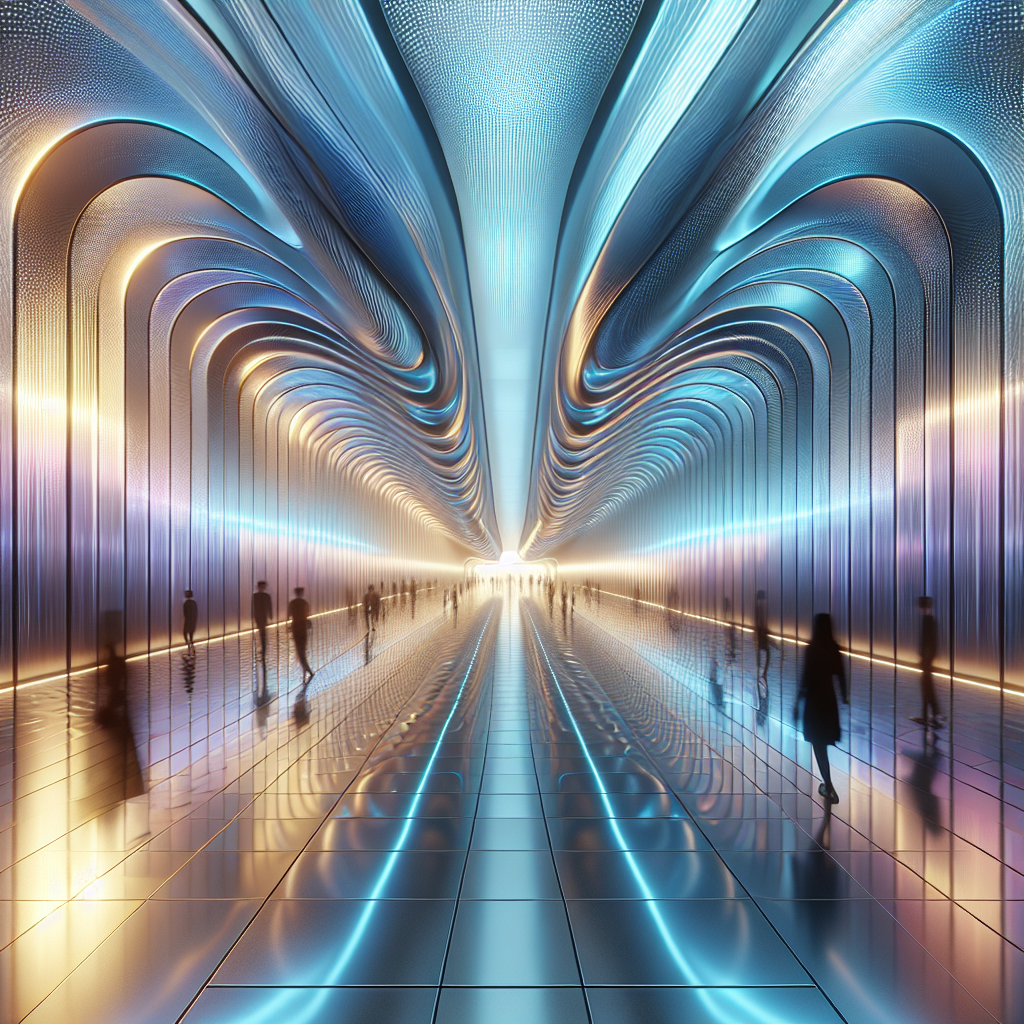
In the ever-evolving lexicon of contemporary architecture, few concepts have captured the imagination of designers and theorists alike as profoundly as the “sonic bubble”—a spatial and acoustic phenomenon where sound, light, and rhythm converge to transform the experience of movement through space. Emerging at the intersection of sound design, parametric architecture, and sensorial psychology, this new design language is redefining how we perceive corridors, thresholds, and transitional zones. The corridor—once a purely functional conduit—has become a mesmerizing sequence of repetition, a rhythmic experience that envelops the visitor in a living, breathing soundscape.
The Architecture of Resonance
Architectural acoustics have long been an invisible art, shaping how we inhabit and interpret space. From the echoing cloisters of medieval monasteries to the precise reverberation of concert halls, sound has always been an architectural material. Yet, the sonic bubble corridor represents a radical evolution: it is not merely designed to contain sound but to generate and modulate it. These corridors employ embedded sensors, responsive materials, and algorithmic sound mapping to create dynamic auditory environments that shift as people move through them.
Projects such as the Sonic Bubble Corridors installation in Milan and the immersive “Echo Passage” at the 2025 Venice Architecture Biennale exemplify this trend. In these spaces, walls become instruments—vibrating membranes that translate footsteps into harmonic frequencies. The result is a choreography of sound and motion, a resonant architecture that invites users to listen as much as they look.
Repetition as Spatial Poetry
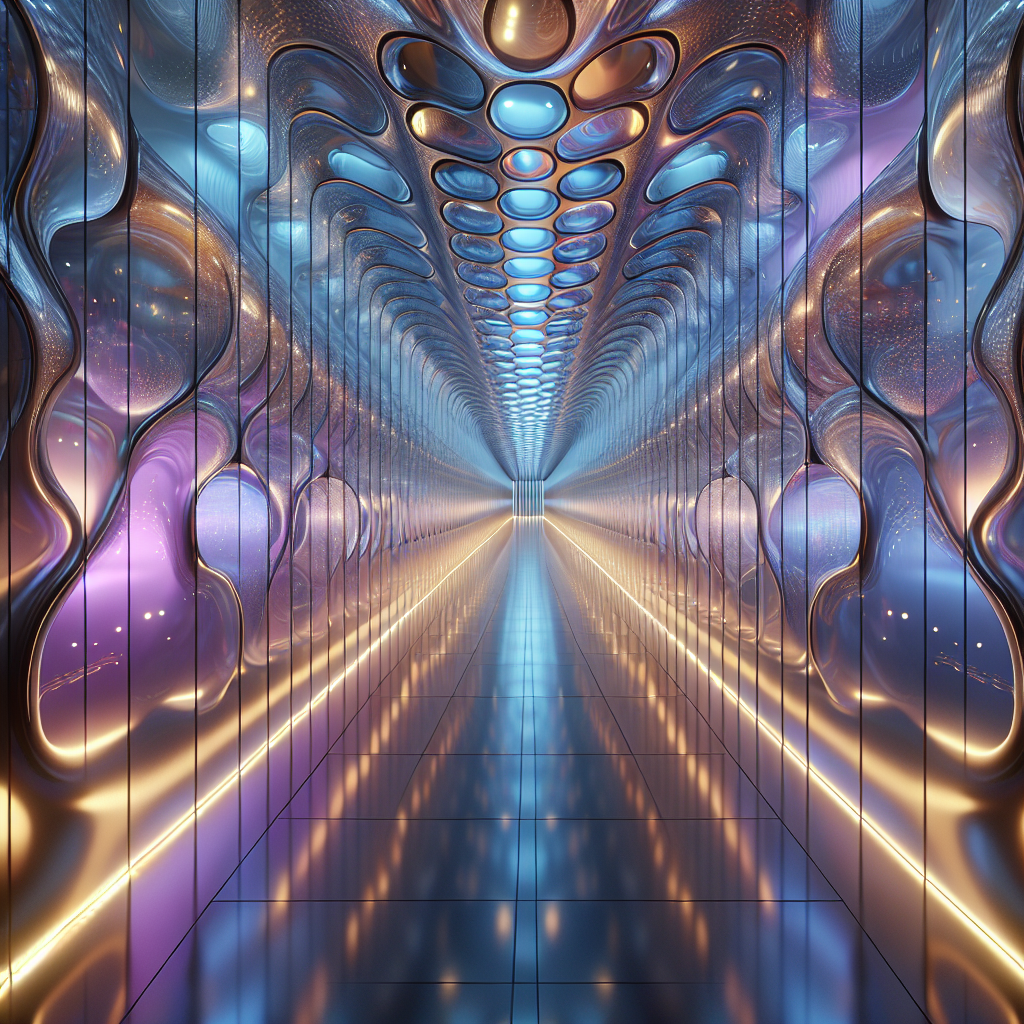
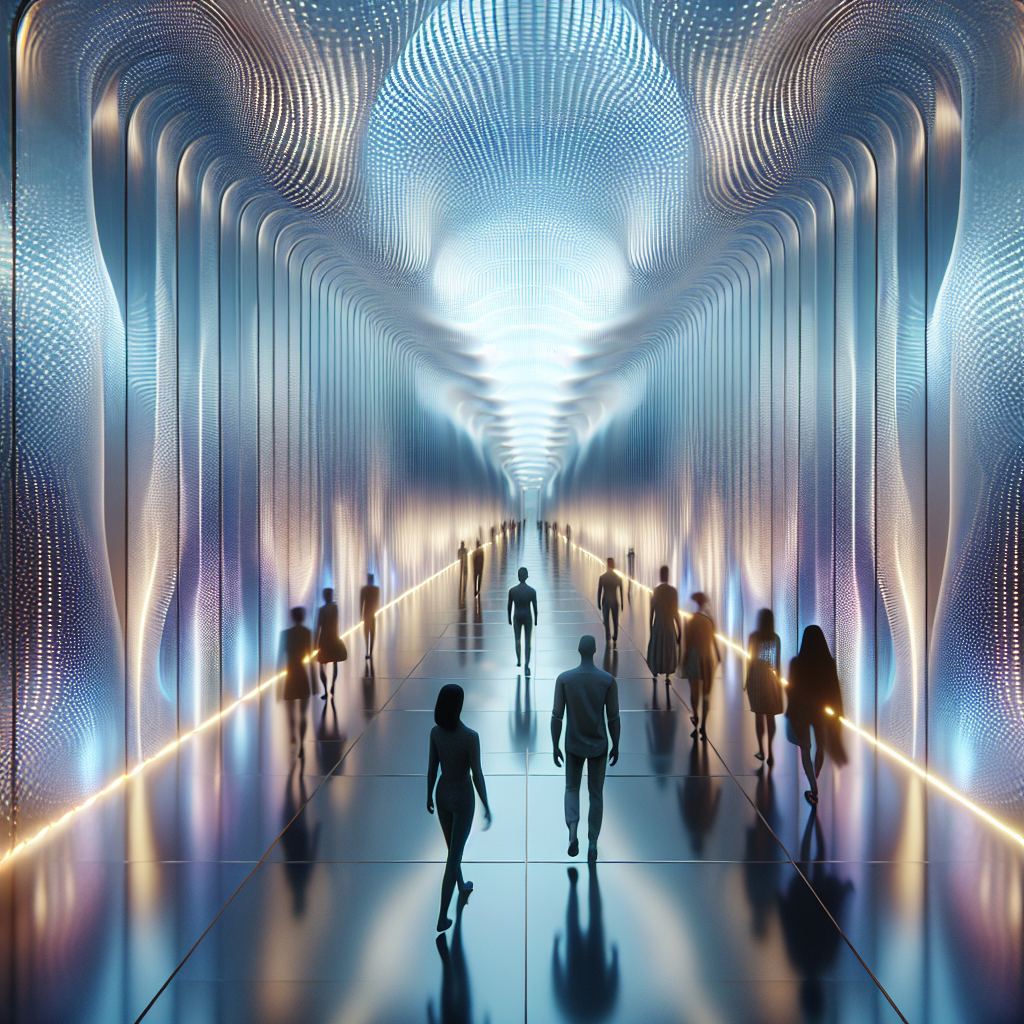
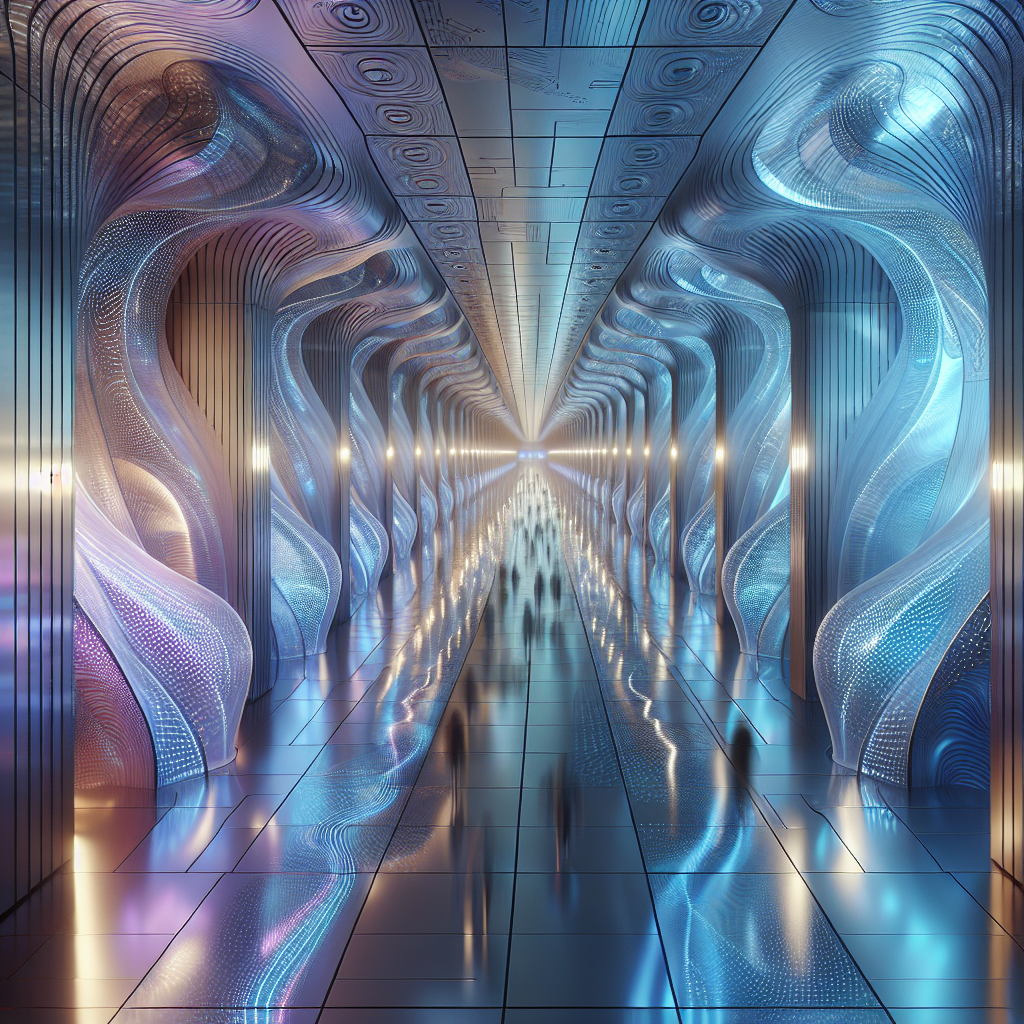
Repetition in architecture has often been associated with monotony or uniformity, yet in the context of the sonic bubble, repetition becomes a form of poetic rhythm. Corridors are designed as sequences of recurring acoustic and visual motifs—curved panels, reflective surfaces, or perforated screens—that subtly alter sound propagation. The repetition of these elements produces a hypnotic continuity, guiding the visitor through a journey that feels both infinite and intimate.
Architectural theorists have drawn parallels between these corridors and the fractal geometries found in nature—self-repeating patterns that create complexity through iteration. In sonic bubble design, this fractal logic is applied to acoustics: each echo, each reverberation, becomes a microcosm of the larger spatial rhythm. The result is a corridor that feels alive, pulsating with a sense of temporal flow.
Materiality and the Sonic Skin
The success of these immersive corridors lies in their material intelligence. Surfaces are no longer static; they are engineered to respond to vibration, temperature, and human proximity. Advanced composites such as acoustic foam lattices, micro-perforated aluminum panels, and biopolymer membranes act as both sound diffusers and visual filters. Some installations integrate sonic architecture principles, where structural geometry is directly derived from sound waveforms.
Lighting plays an equally critical role. LED strips embedded within translucent walls pulse in sync with ambient frequencies, creating a visual echo of the auditory experience. The corridor becomes a synesthetic environment—a place where sound and light merge into a unified sensory field. This interplay recalls the immersive qualities of light art installations by artists such as James Turrell, yet reinterpreted through the lens of architectural function.
Human-Centric Sonic Design
Beyond its aesthetic allure, the sonic bubble corridor embodies a profound shift toward human-centric design. Studies in environmental psychology have shown that controlled acoustic environments can reduce stress, enhance focus, and even influence social behavior. By integrating responsive soundscapes into transitional spaces, architects are crafting environments that adapt to emotional and physiological cues.
In corporate headquarters, for instance, sonic corridors can modulate energy levels throughout the day—emitting soft, low-frequency tones in the morning to encourage calm focus, and brighter, higher frequencies in the afternoon to stimulate alertness. In wellness centers, corridors are tuned to binaural beats that promote relaxation, echoing the principles of biophilic design by connecting occupants to natural rhythms of sound and light.
Technological Integration and Data-Driven Design
The rise of data-driven architecture has made the sonic bubble corridor possible. Through real-time feedback systems, architects can now fine-tune acoustic responses based on occupancy, movement, and even heart rate. Machine learning algorithms analyze how users interact with soundscapes, adjusting parameters to optimize comfort and engagement. This adaptive intelligence transforms corridors into living laboratories—spaces that evolve with their inhabitants.
These innovations align with broader trends in AI in architecture and responsive design, where buildings no longer remain passive but actively participate in shaping human experience. The sonic bubble thus represents a microcosm of the smart city ethos: a fusion of technology, emotion, and spatial intelligence.
Case Study: The Resonant Passage, Tokyo
One of the most compelling examples of this phenomenon is the Resonant Passage in Tokyo’s Shibuya district, completed in late 2025 by the interdisciplinary studio Kinetic Form. Stretching 60 meters, the corridor connects two commercial towers yet feels more like an immersive installation than a walkway. Its walls are clad in iridescent panels that shift color based on sound frequency, while embedded sensors translate footsteps into cascading tonal patterns. The result is a constantly evolving soundscape of movement—a collective composition authored by the people who traverse it.
Architect and sound designer Yuki Matsuda describes the project as “a choreography of the everyday.” The repetition of form and rhythm transforms the act of walking into a meditative ritual, echoing the principles of phenomenological architecture—where perception and experience define the essence of space.
The Future of Sonic Spatiality
As architects increasingly embrace multisensory design, the sonic bubble corridor signals a broader cultural shift. The built environment is no longer conceived solely through visual aesthetics but through sensorial orchestration. In a world saturated with visual stimuli, sound offers a subtler, more intimate form of engagement—one that connects directly to memory, emotion, and rhythm.
Future iterations may integrate bioacoustic data, allowing corridors to respond to collective human presence like living organisms. Others may incorporate sustainable materials that resonate with environmental sounds—rainfall, wind, or urban hum—creating a dialogue between architecture and its ecological context. This echoes the movement toward net-zero design, where technology and nature coalesce in harmony rather than opposition.
A New Lexicon of Movement
The sonic bubble corridor challenges architects to rethink the language of circulation. It transforms the corridor from a mere connector into a spatial instrument—a place of rhythm, resonance, and reflection. Its mesmerizing repetition is not monotony but meditation; not redundancy but resonance. In these spaces, architecture hums, breathes, and listens.
As the boundaries between architecture, art, and sound continue to blur, the sonic bubble stands as a testament to the evolving sensibility of 21st-century design: one that values not only how spaces look, but how they feel—and crucially, how they sound.
For architects and designers seeking to create environments that engage the full spectrum of human perception, the sonic bubble corridor offers a compelling blueprint for the future—a future where repetition becomes rhythm, and movement becomes music.