Sonic architecture: spaces designed based on rhythmic vibrations
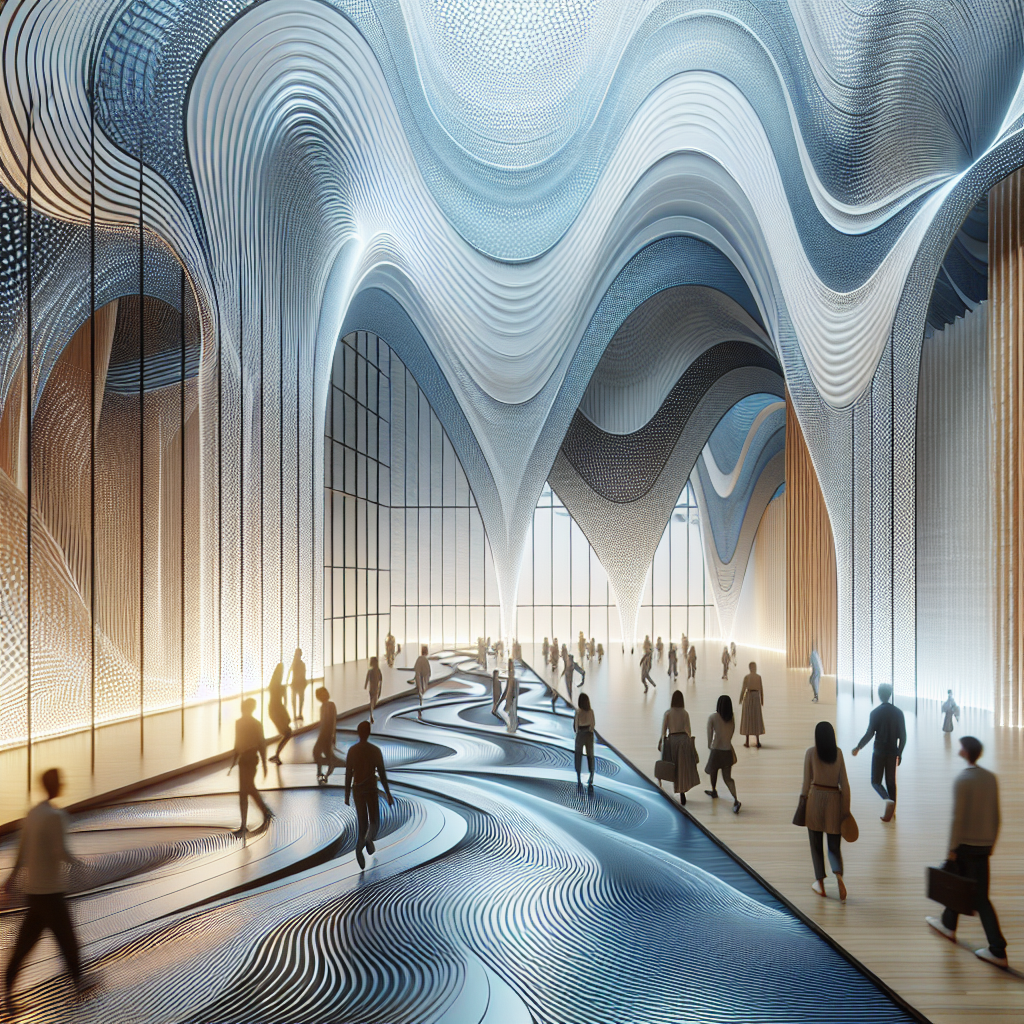
Sonic Architecture: Spaces Designed Based on Rhythmic Vibrations
In the evolving lexicon of contemporary design, sonic architecture has emerged as a compelling frontier—one where space, sound, and structure converge into a unified sensory experience. Once relegated to the peripheries of acoustic engineering, the concept now stands at the intersection of art, neuroscience, and environmental design. Architects and designers are no longer merely shaping what we see or touch; they are sculpting what we hear and feel through rhythmic vibrations embedded in the built environment.
The Rhythm of Space: From Soundproofing to Sound Shaping
Historically, architecture’s relationship with sound was primarily defensive—walls thickened to block noise, ceilings padded to absorb echoes. Yet the new generation of designers views sound not as an intruder but as a design material. This paradigm shift mirrors the broader evolution of acoustic comfort in interior design, where the goal extends beyond silence to creating atmospheres that resonate with emotional and physiological harmony.
In sonic architecture, rhythm becomes spatial. The undulating walls of a concert hall, the perforated panels of a museum atrium, or the subtle reverberation of a meditation room are not incidental effects—they are orchestrated compositions. Each surface, void, and volume participates in a choreography of frequencies that can calm, energize, or inspire. The architectural plan becomes a score, and the building itself, an instrument.
Scientific Foundations: Vibrations as a Design Medium
At its core, sonic architecture draws from the physics of acoustics and the psychology of perception. Studies in psychoacoustics reveal that sound frequencies can influence heart rate, concentration, and even spatial awareness. Architects are now translating these findings into built form. By manipulating materials, geometries, and resonant cavities, they can fine-tune the way vibrations travel through a space.
For instance, research conducted by the Bartlett School of Architecture at University College London demonstrated that low-frequency vibrations—often imperceptible to the ear—can subtly alter a person’s sense of balance and comfort. This insight has led to the integration of subsonic design strategies in wellness architecture, where walls and floors are engineered to pulse gently with rhythmic patterns that align with human biorhythms.
Case Studies: Architecture That Listens and Responds
One of the most striking examples of sonic architecture is the Elbphilharmonie in Hamburg, designed by Herzog & de Meuron. Its curvilinear glass façade not only defines the city’s skyline but also acts as a resonant shell, channeling sound waves both inward and outward. Inside, the “white skin” of the concert hall—composed of 10,000 individually milled gypsum panels—diffuses sound evenly, ensuring that every listener experiences the same acoustic clarity, regardless of position.
In contrast, the Forest of Resonating Lamps by teamLab in Tokyo explores the intimate scale of sonic space. Here, each lamp emits a tone when approached, triggering a chain reaction of light and sound across the installation. The environment becomes a living organism, responsive to human presence and movement. This project blurs the line between architecture and performance, echoing the principles of interactive installations that merge sensory design with participatory art.
More experimental still is the Sonic Pavilion by Doug Aitken in Brazil’s Inhotim Institute. A 200-meter-deep shaft captures the Earth’s subterranean vibrations, amplifying them into an ever-changing ambient composition. The result is a meditative encounter with geological time—architecture tuned to the planet’s own rhythm.
Material Resonance: Designing with Frequency
Materiality plays a crucial role in shaping sonic experience. Concrete, glass, timber, and textiles each possess distinct acoustic signatures. The growing interest in timber architecture has revived discussions around natural resonance, as wood’s fibrous structure both absorbs and diffuses sound in ways that evoke warmth and intimacy. Similarly, new composites—such as micro-perforated aluminum panels or 3D-printed ceramic baffles—allow designers to sculpt sound with precision.
Some studios are even experimenting with vibroacoustic materials that can emit controlled frequencies. These surfaces, embedded with transducers, transform walls and floors into subtle speakers. Imagine a hotel lobby where the marble floor hums with a barely perceptible bassline that guides circulation, or a yoga studio where walls pulse gently in sync with breathwork. Such environments are not only aesthetic but therapeutic, aligning with the wellness-driven ethos of contemporary design.
Urban Resonance: The City as a Sonic Ecosystem
Beyond interiors, sonic architecture is reshaping urban experience. Cities are increasingly viewed as soundscapes—complex acoustic ecosystems that influence public health and social behavior. Designers are responding with interventions that modulate urban noise through rhythm rather than suppression. In Copenhagen, sound-absorbing façades are patterned to scatter traffic noise like ripples, while in Seoul, pedestrian tunnels incorporate harmonic tiles that transform footsteps into melodic sequences.
This approach aligns with the broader movement toward human-centered urban design, where sensory experience is integral to well-being. Instead of isolating individuals from the city’s pulse, sonic architecture seeks to synchronize them with it—creating a civic rhythm that fosters connection rather than fatigue.
Technology and the Future of Sonic Design
Advancements in digital modeling and AI-driven analysis are accelerating the field. Parametric tools can now simulate how sound waves interact with complex geometries, enabling architects to “compose” spaces in real time. Projects like Arup’s SoundLab or MIT’s Responsive Environments Group are pioneering methods to visualize acoustic data as dynamic spatial forms.
Meanwhile, the integration of artificial intelligence in architecture allows for adaptive environments that learn from human behavior. Imagine a co-working space that adjusts its acoustic profile throughout the day—quiet and focused in the morning, subtly rhythmic by afternoon, and socially vibrant by evening. Such responsive systems redefine architecture as a living entity, capable of empathy through sound.
The Poetics of Vibration: Toward a Multisensory Future
The rise of sonic architecture signals a profound shift in how we conceive space. It invites us to move beyond the visual dominance of modernism toward a more holistic, multisensory paradigm. In this new language of design, vibration becomes narrative, rhythm becomes structure, and silence becomes a medium of expression.
As we navigate an increasingly overstimulated world, the ability of architecture to modulate our sensory environment gains new urgency. Sonic design offers not just aesthetic delight but psychological balance—a way to attune our built surroundings to the frequencies of human life. Whether through the gentle hum of a resonant corridor or the orchestral precision of a concert hall, these spaces remind us that architecture, at its most profound, is not only something we inhabit but something we feel.
In the words of Finnish architect Juhani Pallasmaa, “The door handle is the handshake of the building.” In the age of sonic architecture, that handshake extends beyond touch—it vibrates, resonates, and harmonizes with the pulse of our own bodies.
Sonic architecture is not a trend; it is a reawakening of architecture’s ancient essence—an art form that, like music, speaks directly to the soul through rhythm, resonance, and the invisible geometry of sound.
Published on 12/06/2025