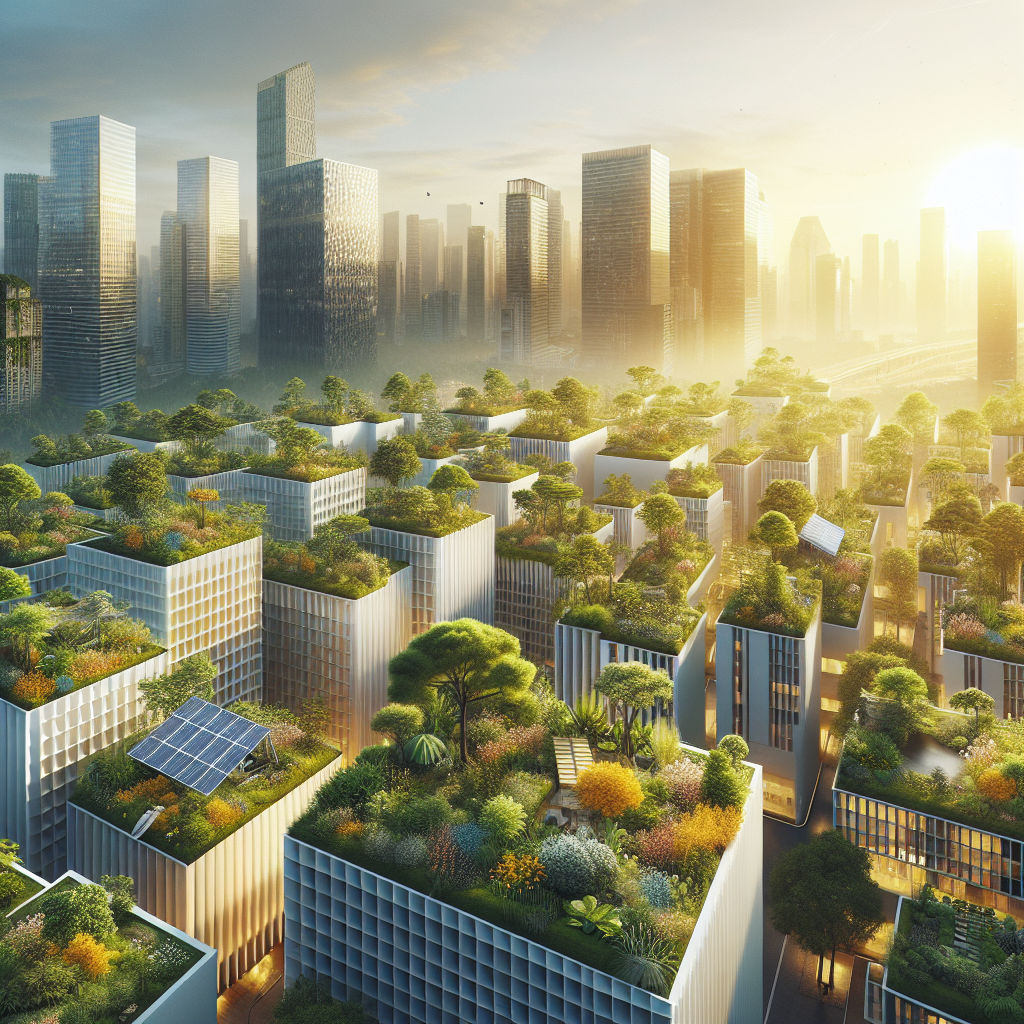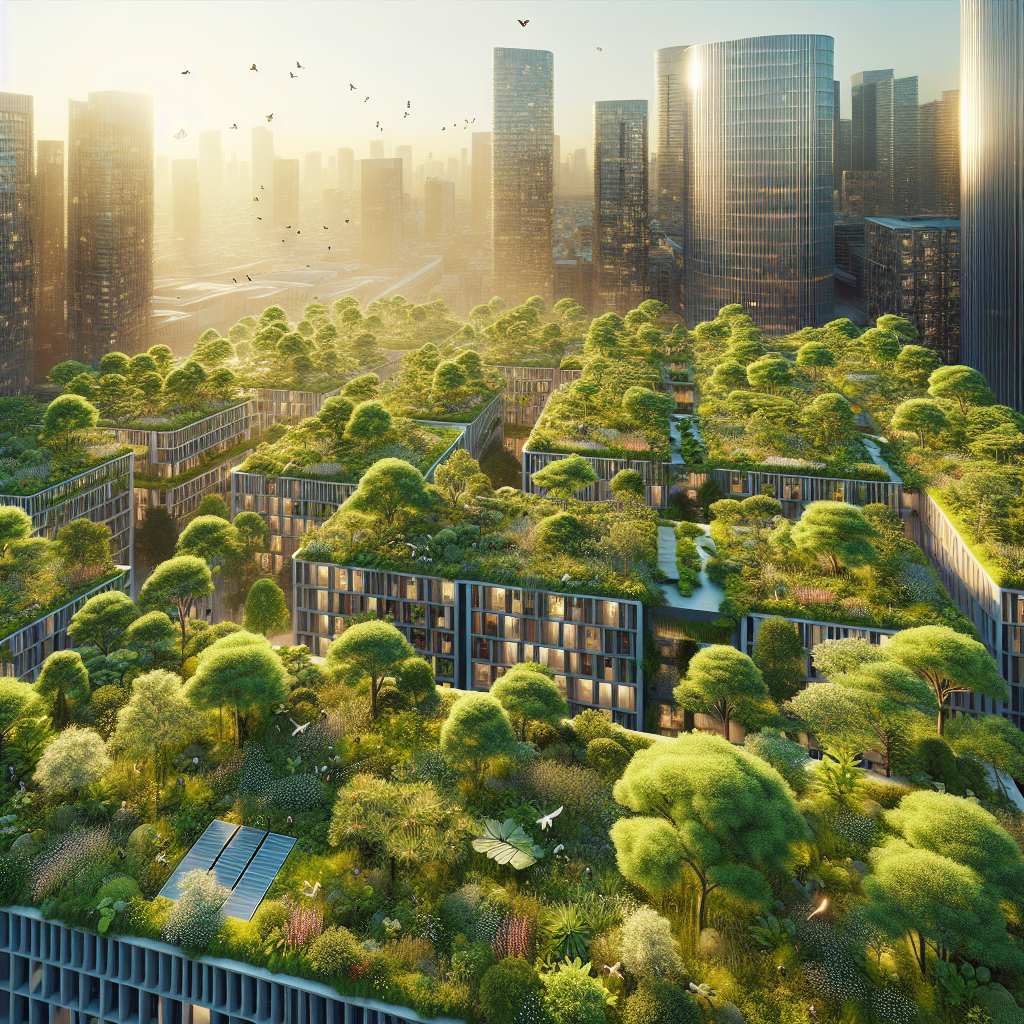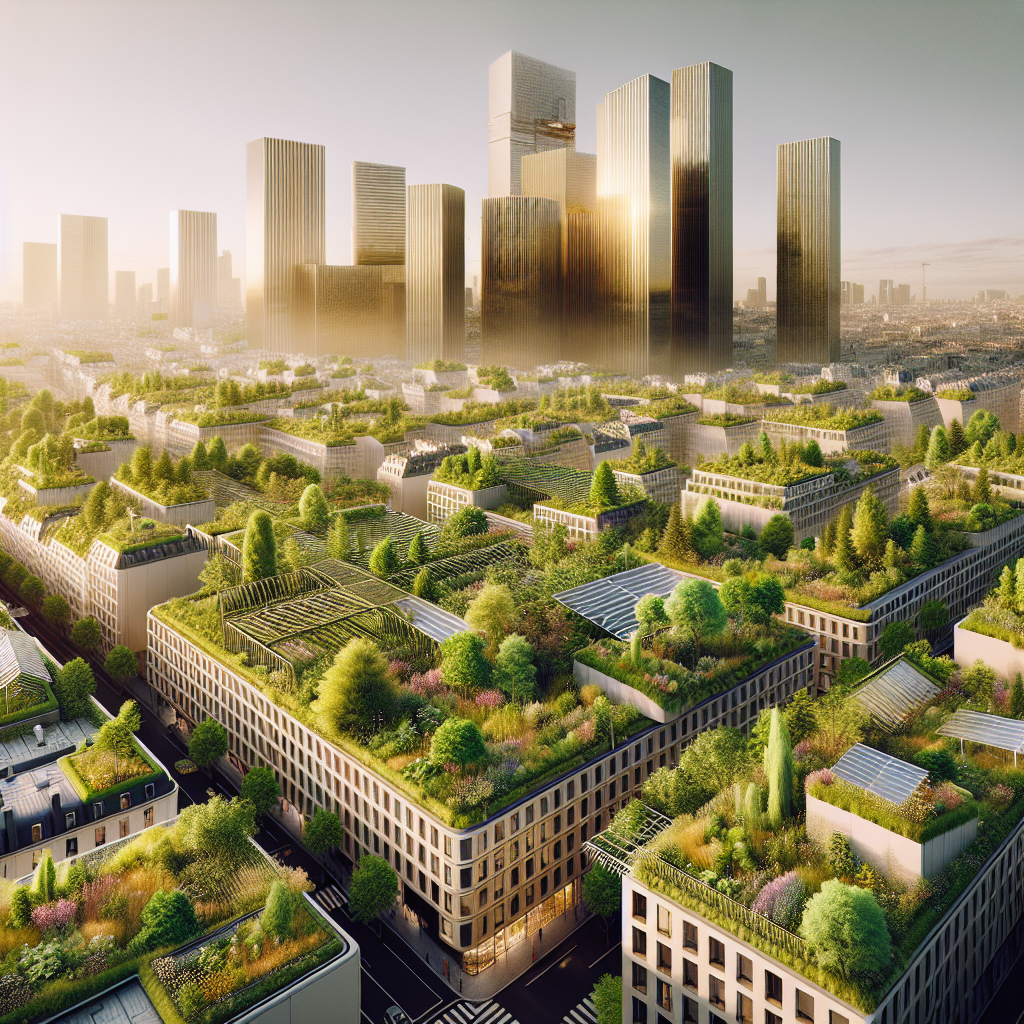

Rewilding rooftops: micro-forests and biodiversity above the city
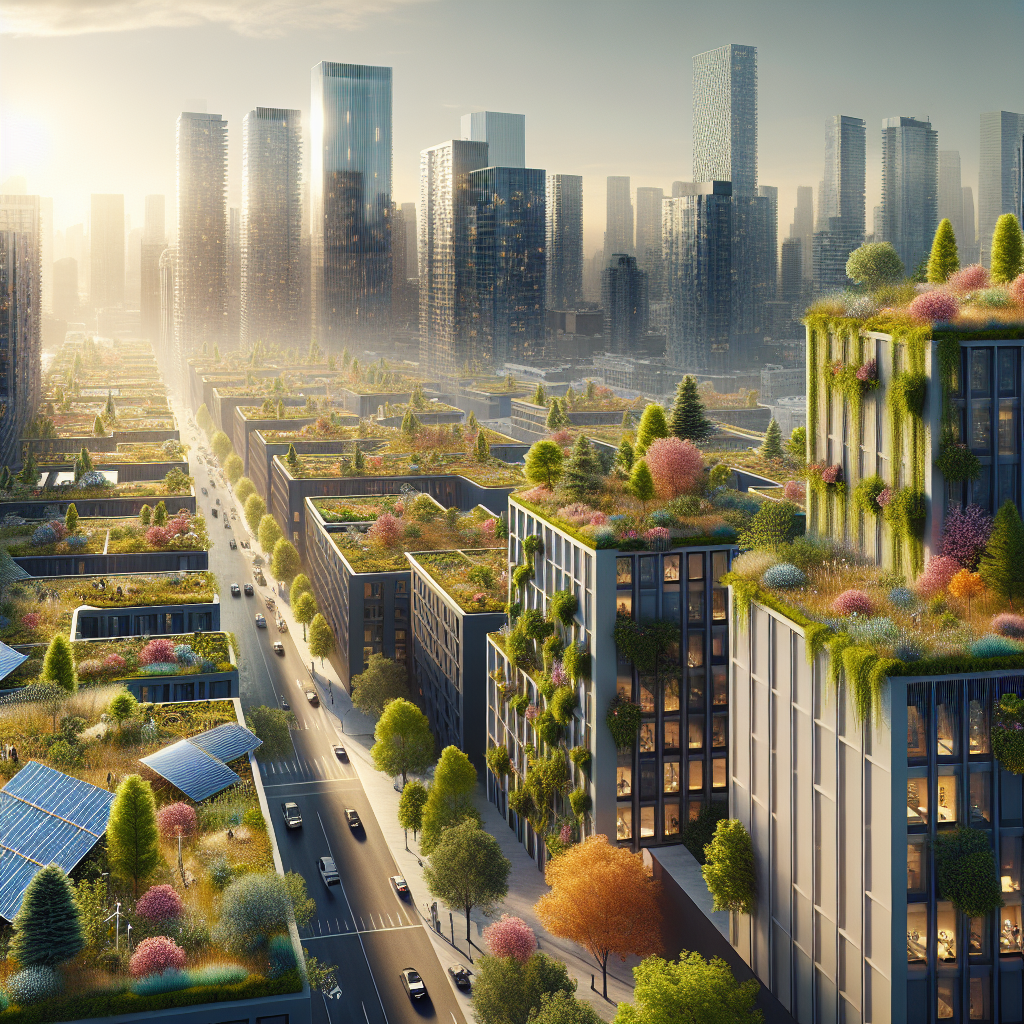
Rewilding Rooftops: Micro-Forests and Biodiversity Above the City
In the densest corners of our cities—where glass towers rise like vertical canyons and concrete dominates the horizon—a quiet revolution is taking root. Architects, ecologists, and urban planners are reimagining rooftops not as sterile mechanical zones, but as living ecosystems. The concept of rewilding rooftops—introducing micro-forests, pollinator habitats, and layered biodiversity to the uppermost levels of buildings—is redefining what urban nature can mean in the twenty-first century. These elevated landscapes are not merely decorative; they are strategic interventions in the urban metabolism, designed to cool cities, capture carbon, and reconnect people with the rhythms of the natural world.
The Rise of the Urban Canopy
Urban rewilding, once a fringe ecological experiment, has become a mainstream design strategy. The rewilding movement—originally focused on restoring wilderness and native species—has evolved into a sophisticated architectural language. On rooftops from Singapore to Paris, architects are now creating micro-forests that mimic the structure of natural ecosystems, using native plant species to form self-sustaining habitats.
In Tokyo, the More Trees Pavilion by Kengo Kuma demonstrates how dense planting can transform a rooftop into a miniature woodland. The layered canopy, composed of native Japanese maples and undergrowth, not only absorbs carbon but also reduces heat gain in the building below. Similarly, Milan’s Bosco Verticale—though not technically a rooftop—has inspired a generation of designers to integrate forest-like density into vertical surfaces. The next frontier is horizontal: the city’s unused roofs.
According to a 2025 report by the UN-Habitat, rooftops represent nearly 25% of total urban surface area in major cities. If even a fraction of these were rewilded, the ecological impact would be profound. Micro-forests can reduce rooftop temperatures by up to 40%, lower surrounding air temperatures by several degrees, and increase local biodiversity exponentially.
Micro-Forests: The Science of Small-Scale Wilderness
The term “micro-forest” originates from the Miyawaki method, a reforestation technique developed by Japanese botanist Akira Miyawaki. It emphasizes planting dense clusters of native species that grow rapidly and form self-sustaining ecosystems. When adapted to rooftops, this approach requires careful calibration of soil depth, root management, and irrigation systems. Yet, when executed correctly, it creates a resilient, low-maintenance habitat that thrives in even the most constrained urban environments.
Architectural firms are now collaborating with ecologists to design these micro-forests as living infrastructure. In Copenhagen, for instance, the “Sky Grove” project integrates modular planters with lightweight soil substrates and automated rainwater harvesting. The result is a layered habitat supporting insects, birds, and even small mammals—an ecosystem suspended above the city’s rooftops.
These designs also intersect with the growing field of biophilic design, which emphasizes human connection to nature. Studies have shown that exposure to greenery, even in compact urban settings, reduces stress and improves cognitive performance. Rooftop micro-forests thus serve both ecological and psychological functions, creating restorative spaces in the sky.
Architectural Integration: From Structure to Ecosystem
Rewilding rooftops requires more than planting trees—it demands a rethinking of architectural systems. Structural loads, waterproofing, and access must all be reconsidered to accommodate living landscapes. Designers are increasingly turning to lightweight engineered soils and modular planting systems that distribute weight evenly while maintaining healthy root environments.
In London, the “Canopy Quarter” development exemplifies this approach. Its rooftop forest sits atop a structural grid of cross-laminated timber—a nod to the growing trend of timber in high-rise construction. The design integrates irrigation channels within the timber beams, creating a seamless relationship between architecture and ecology. The result is a space that feels both wild and intentional, where birch trees sway beside photovoltaic panels and moss carpets line shaded seating zones.
Similarly, in Singapore’s Oasia Hotel, the façade and rooftop merge into a continuous vertical ecosystem. The building’s red aluminum mesh supports climbing plants that ascend to the rooftop, where a dense canopy of tropical species forms a lush microhabitat. The architecture becomes a living organism—breathing, shading, and filtering the air around it.
Urban Biodiversity as Design Imperative
As cities confront the dual crises of climate change and biodiversity loss, architects are recognizing that every surface—horizontal or vertical—has ecological potential. Rooftop rewilding transforms architecture into an active participant in urban ecology. Beyond aesthetics, these projects contribute to pollination networks, bird migration corridors, and stormwater management systems.
Paris, a pioneer in green roof legislation, now mandates vegetation or solar panels on all new commercial rooftops. This policy has catalyzed a wave of experimental designs, from edible gardens to micro-forests that support native pollinators. In the 2024 Olympic Village redevelopment, architects incorporated rewilded rooftops as part of a broader biodiversity corridor linking the Seine to the city’s northern parks. The initiative has already attracted species of butterflies and birds previously unseen in central Paris for decades.
For architects, this shift represents a new design language—one that values ecological aesthetics as much as form or materiality. The visual vocabulary of rewilded rooftops—irregular canopies, layered textures, spontaneous growth—contrasts sharply with the manicured precision of traditional green roofs. It embraces imperfection, seasonality, and change, echoing the principles of wabi-sabi aesthetics in a living context.
Technology Meets Ecology
Advancements in environmental technology are accelerating the feasibility of rooftop rewilding. Smart irrigation systems monitor soil moisture and rainfall, adjusting water use dynamically. Drones assist in planting and maintenance, while sensors track biodiversity metrics over time. These tools allow architects to design with precision and adaptability, ensuring that each rooftop ecosystem evolves sustainably.
In Amsterdam, the “Urban Canopy Network” project uses data-driven mapping to identify rooftops suitable for rewilding based on load capacity, sunlight exposure, and connectivity to existing green corridors. The integration of AI and GIS technology transforms what was once a manual process into a scalable urban strategy. This aligns with broader discussions around AI in architecture—where digital intelligence supports ecological design rather than replacing it.
Some designers are even experimenting with symbiotic rooftop beekeeping, integrating pollinator habitats directly into building envelopes. Projects like these, explored in depth in Symbiotic Rooftop Beekeeping, illustrate how architecture can host complex ecological relationships that extend beyond human use.
Designing for the Future City
By 2030, the global urban population is expected to exceed five billion. The challenge for architects is not merely to accommodate this growth, but to do so in a way that regenerates rather than depletes. Rewilding rooftops represents a paradigm shift—from sustainability to regeneration. It is not about minimizing harm, but about creating conditions for life to flourish.
In this vision, the city becomes a layered ecosystem: streets as rivers, façades as cliffs, rooftops as forests. Each element contributes to a larger urban biodiversity network. The success of these projects depends on interdisciplinary collaboration—between architects, ecologists, engineers, and policymakers. It also depends on a cultural shift: seeing rooftops not as residual space, but as fertile ground for renewal.
For design professionals, this movement opens new creative and ethical possibilities. It challenges the traditional boundaries of architecture, urging practitioners to think in terms of living systems rather than static forms. The most forward-thinking studios are already incorporating rewilding principles into masterplans, product design, and material research, bridging the gap between ecological science and architectural artistry.
A New Aesthetic of the Sky
Standing atop a rewilded rooftop, one experiences a sensory inversion: the hum of bees replaces the drone of traffic, the scent of soil mingles