
#REF!
Mushroom Bricks (Mycelium): This Is What the Biodegradable Houses of the Future Look Like
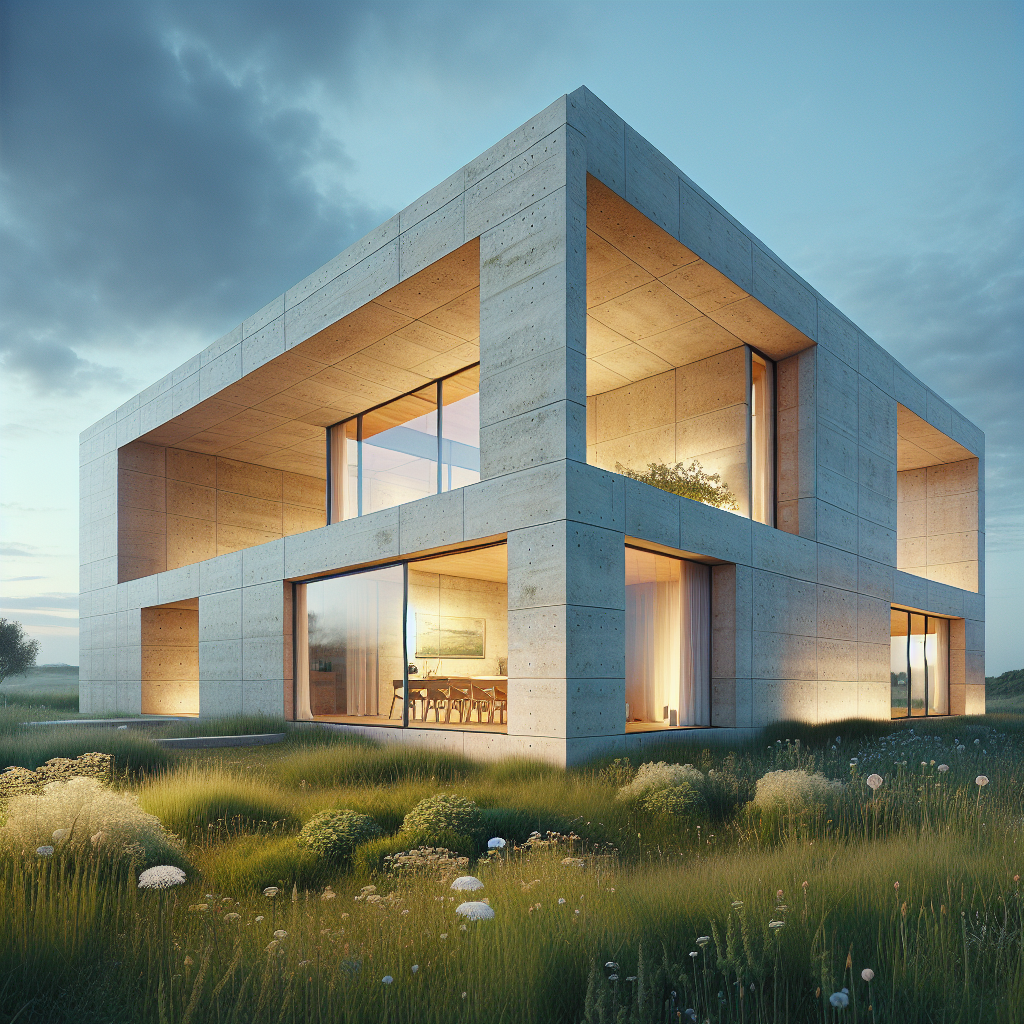
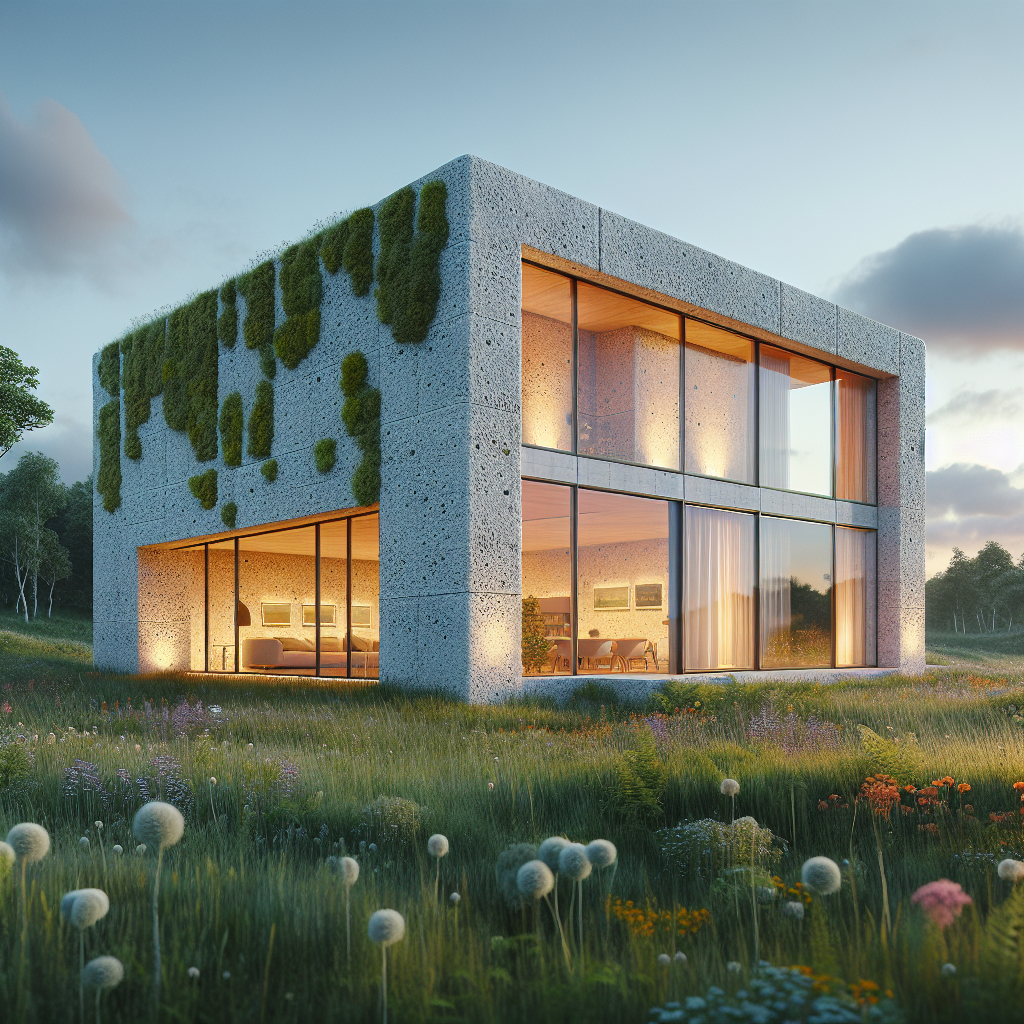
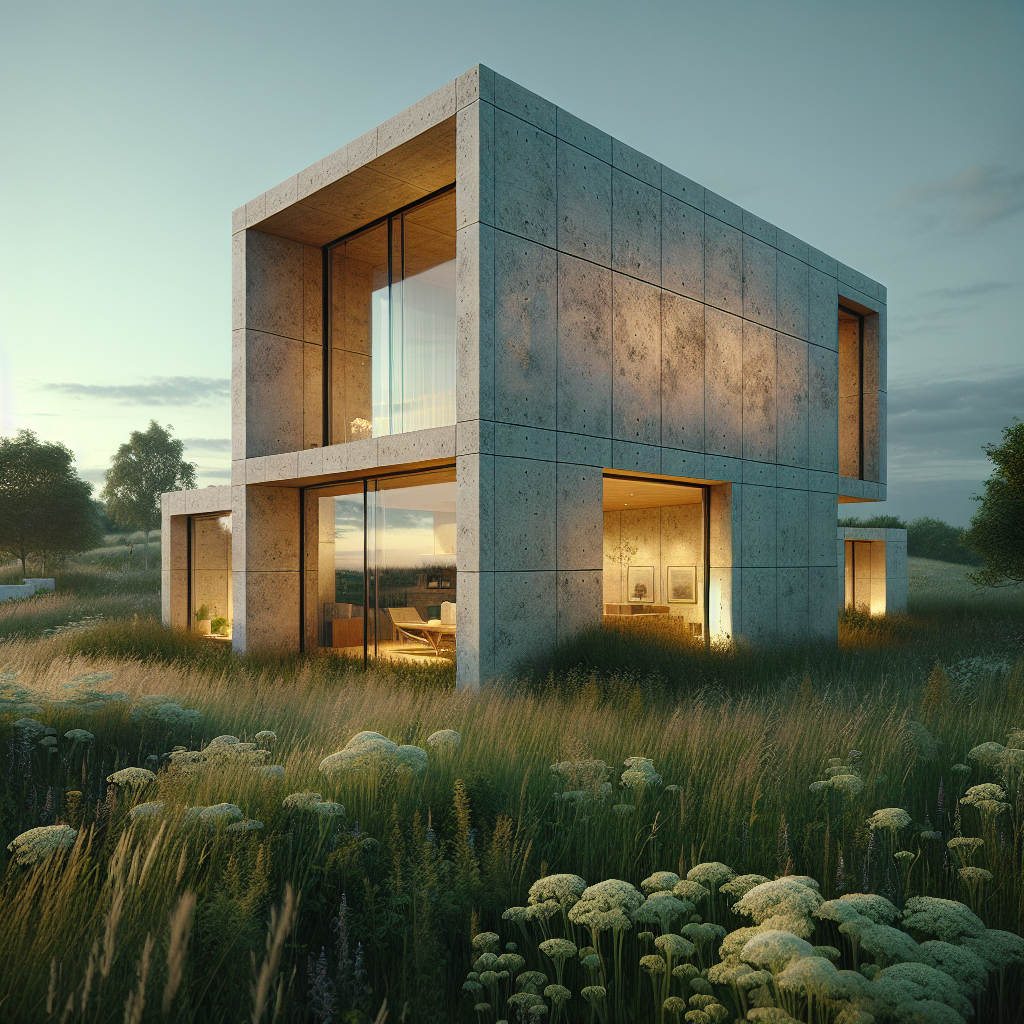
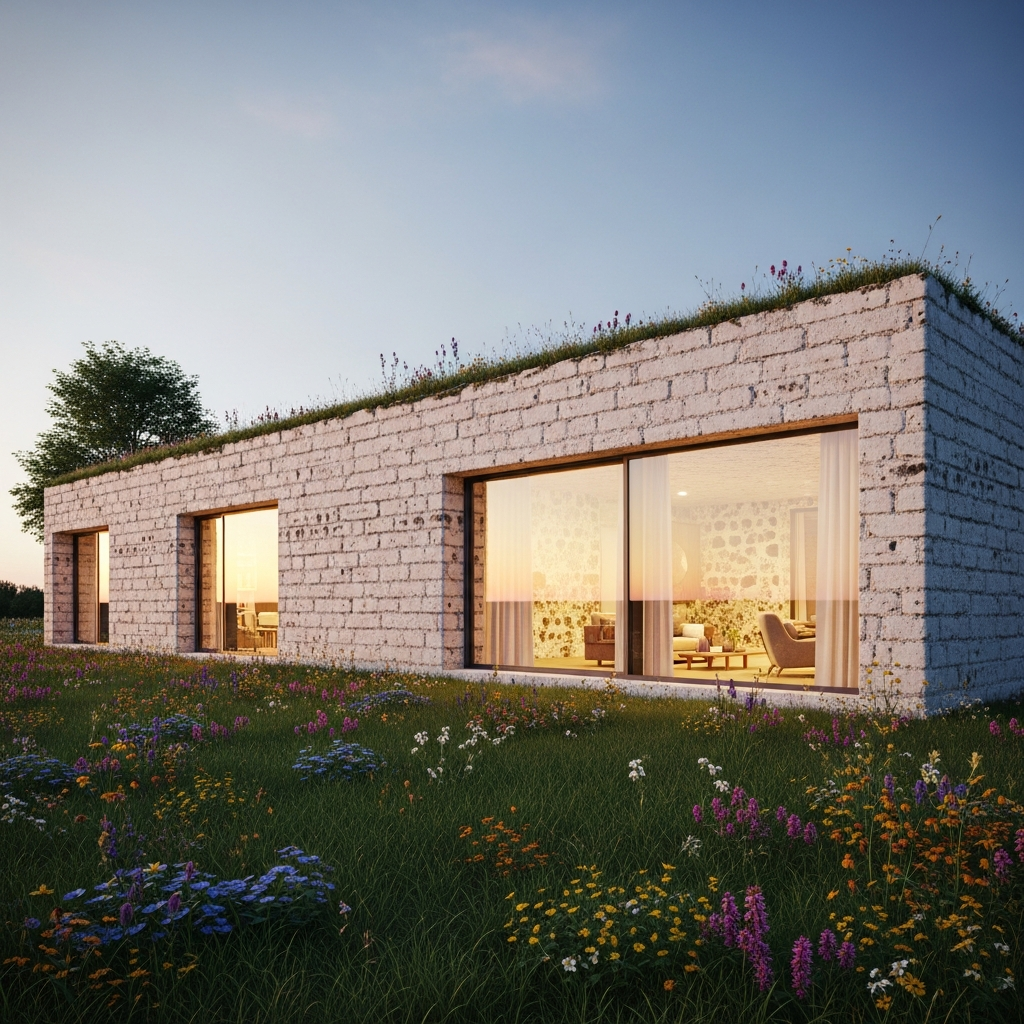
On the outskirts of Copenhagen, a low-slung structure glows softly under the Scandinavian twilight. Its walls—pale, porous, and faintly textured—are not made of concrete or clay, but of living material: mycelium. This fungal network, the vegetative part of mushrooms, is quietly redefining what we mean by sustainable architecture. In a world increasingly burdened by construction waste and carbon-heavy materials, mushroom bricks are emerging as the most poetic, and perhaps the most radical, alternative.
The Rise of Living Architecture
Mycelium-based materials are not new to science, but their architectural application has only recently reached a compelling maturity. Researchers at institutions such as The Bartlett School of Architecture and the Materials Today Journal have been exploring how fungal networks can be cultivated into dense, structural composites. The process is deceptively simple: agricultural waste—like corn husks or sawdust—is inoculated with fungal spores. Over several days, the mycelium digests the waste, binding it into a solid mass that can be molded into bricks, panels, or even entire wall systems.
Once dried, the material becomes lightweight, fire-resistant, and fully biodegradable. It breathes, insulates, and—most importantly—returns to the earth without leaving a trace. The result is a building block that feels both ancient and futuristic, organic yet engineered.
Designing with Decay in Mind
Unlike concrete, which is designed to resist time, mycelium embraces it. Architects working with the material are learning to design for impermanence, to see decay not as failure but as part of a building’s lifecycle. This philosophical shift aligns with the broader movement toward circular design, where materials are conceived as temporary participants in a continuous ecological cycle.
Projects like The Growing Pavilion in the Netherlands, designed by Krown Design, exemplify this ethos. The pavilion’s mycelium panels, cultivated over weeks, were celebrated not only for their aesthetic warmth but also for their biodegradability. When dismantled, every component could return to the soil, nourishing new growth. It’s architecture that composts itself—a radical notion in an industry obsessed with permanence.
Material Performance and Aesthetic Potential
Beyond sustainability, mycelium offers a distinct visual and tactile language. Its surface resembles suede or coral, with subtle tonal variations that shift under light. Architects are experimenting with pigmentation, texture, and density to create materials that feel alive. The aesthetic possibilities are vast: translucent panels that glow from within, sculptural walls that breathe humidity, and furniture that grows into form rather than being manufactured.
From a technical standpoint, mycelium composites exhibit impressive thermal and acoustic insulation properties. According to a 2025 study by the Royal Society of Chemistry’s Materials Journal, certain mycelium blends can achieve compressive strengths comparable to lightweight concrete, while weighing up to 80% less. This makes them ideal for modular and prefabricated structures, especially in regions where transport costs and embodied carbon are critical considerations.
Biodegradable Cities: A Vision for the Future
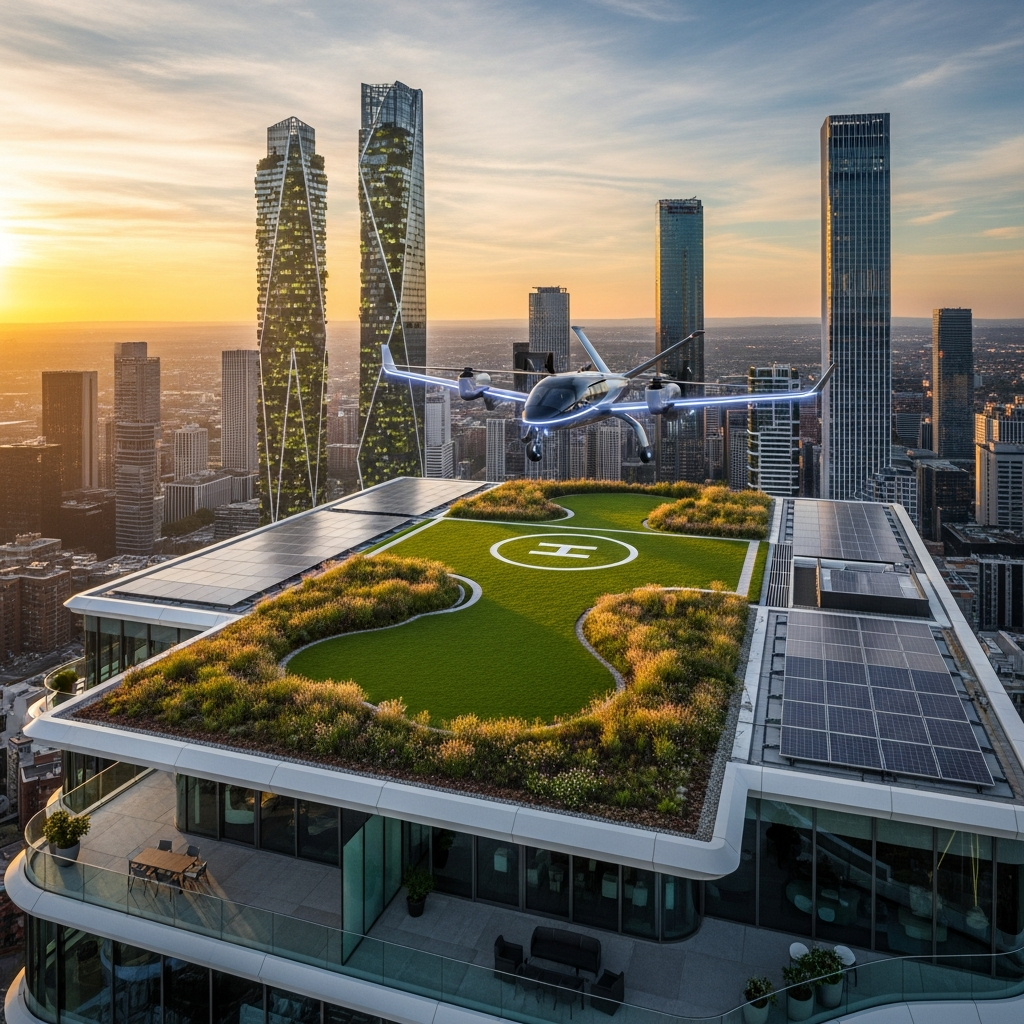
Imagine an urban landscape where buildings grow like gardens and decompose like fallen leaves. Mycelium could enable precisely that. As cities move toward net-zero targets, materials that sequester carbon and regenerate ecosystems will become indispensable. In this context, mycelium is not merely a novelty—it’s a necessity.
In parallel, other bio-based materials are gaining traction. The rise of timber skyscrapers and hempcrete walls points to a shared ambition: to rewild construction. Mycelium fits seamlessly into this narrative, offering a biological complement to wood’s structural strength and hemp’s insulation capacity. Together, they could form the foundation of what some are calling “biophilic urbanism”—a design philosophy that prioritizes harmony between built and natural environments, much like the principles explored in biophilic design.
Challenges and the Path Forward
Despite its promise, mycelium architecture faces several challenges. Scaling production remains complex, as fungal growth requires controlled humidity and temperature. Durability in humid or wet climates is another concern, though researchers are developing hybrid systems that combine mycelium with natural resins or bio-based coatings to extend lifespan. Regulatory frameworks also lag behind innovation; building codes in most countries still lack provisions for living materials.
Yet, the momentum is undeniable. Startups like Ecovative and MycoWorks are collaborating with major design studios to develop standardized panels and insulation systems. Universities are integrating fungal fabrication into architectural curricula. And governments, particularly in Northern Europe and Japan, are funding pilot projects to test mycelium’s potential in public housing and disaster relief shelters.
From Experiment to Everyday
What was once an avant-garde experiment is edging toward mainstream adoption. The tactile warmth of mycelium appeals to designers seeking an antidote to sterile modernism. Its environmental credentials attract policymakers and developers eager to meet sustainability benchmarks. And its story—of life, growth, and return—resonates deeply with a generation rethinking consumption and permanence.
In a sense, mushroom bricks are more than a material innovation; they are a cultural one. They invite us to reconsider our relationship with architecture—not as static monuments, but as living systems that breathe, age, and eventually give back. The biodegradable houses of the future may not gleam with glass and steel, but pulse softly with the quiet intelligence of nature itself.
The Poetics of Regeneration
Standing before a mycelium wall, one senses a paradox: fragility and resilience intertwined. It’s a reminder that sustainability is not about resisting nature but collaborating with it. As we confront the environmental urgencies of our time, materials like mycelium offer a rare kind of optimism—one rooted not in technological dominance, but in biological empathy.
Perhaps the future of architecture will not be built, but grown.
—{
"seo_title": "Mushroom Bricks: The Future of Biodegradable Homes",
"meta_description": "Discover how mushroom bricks made from mycelium are shaping biodegradable architecture and sustainable housing for a circular future.",
"excerpt": "Could the next generation of homes be grown, not built? Explore how mycelium—nature’s hidden network—is redefining sustainable architecture.",
"focus_keyphrase": "mushroom bricks mycelium"
}
AI Image Prompts
- Prompt: Photorealistic image of a modern eco-house built from mycelium bricks, surrounded by lush greenery, soft morning light, shot on a Hasselblad H6D, ultra-detailed textures of the fungal walls.
Alt text: Sustainable house built from mycelium bricks surrounded by nature.
Caption: A prototype home grown from mycelium bricks showcases the harmony between architecture and ecology. - Prompt: Close-up macro shot of mycelium brick texture showing intricate fungal filaments and organic surface patterns, captured in natural daylight with shallow depth of field.
Alt text: Detailed macro view of mycelium brick texture.
Caption: The delicate filigree of mycelium reveals nature’s craftsmanship at a microscopic scale. - Prompt: Interior of a minimalist living room with mycelium wall panels, wooden furniture, and diffused sunlight entering through large windows, photographed on a Hasselblad X2D.
Alt text: Modern interior with mycelium wall panels and natural light.
Caption: Mycelium interiors exude warmth and serenity, blending organic materials with contemporary design. - Prompt: A futuristic urban neighborhood featuring biodegradable buildings made from mycelium and timber, with green roofs and pedestrian walkways, golden hour lighting.
Alt text: Biodegradable urban architecture made from mycelium and wood.
Caption: A vision of tomorrow’s cities—where architecture grows, breathes, and returns to the earth.
Social Media Strategy
Main Post Caption:
What