#REF!
Habitable Storage Room Design: When Every Centimeter Counts for Independence
Published on 03/09/2026
In the age of micro-living and adaptive reuse, the once-overlooked storage room has emerged as a frontier of spatial innovation. Across dense urban centers—from Tokyo to Copenhagen—designers are reimagining these compact, often windowless volumes as fully habitable micro-environments. The shift is not merely aesthetic; it reflects a deeper cultural move toward autonomy, sustainability, and the intelligent use of every cubic centimeter.
The Rise of the Habitable Storage Room
What was once a dark, neglected corner of the home has become a testing ground for design ingenuity. The concept of the habitable storage room sits at the intersection of minimalism and self-sufficiency. It’s about transforming necessity into comfort, storage into sanctuary. Architects and interior designers are now crafting spaces that blur the line between utility and domesticity—spaces that can serve as reading nooks, micro-offices, or even independent living pods.
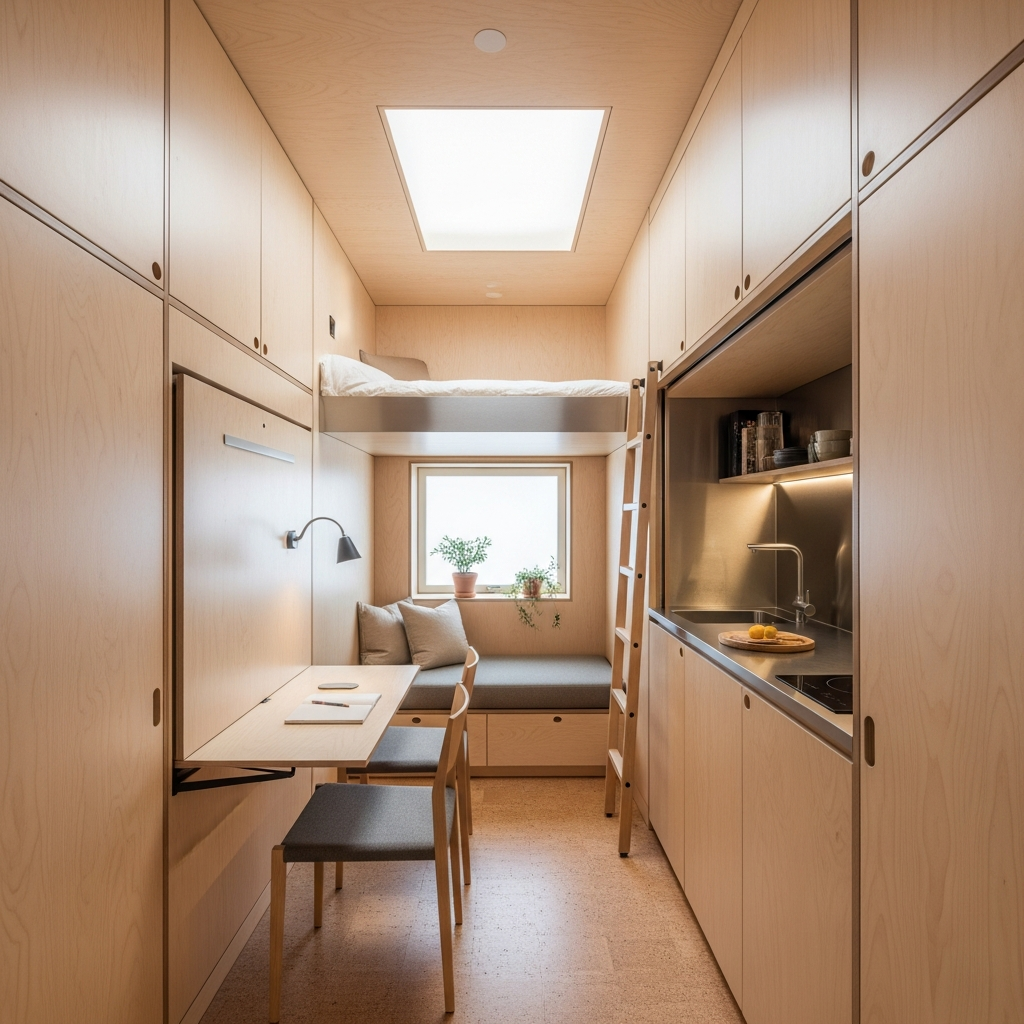
In a recent case study by the ArchDaily editorial team, a 7-square-meter Parisian storage room was reconfigured into a livable studio with integrated cabinetry, a foldable bed, and a concealed kitchenette. The result was not a compromise, but a triumph of proportion and material intelligence.
Design Principles: Functionality as Freedom
Designing a habitable storage room begins with an understanding of spatial choreography. Every surface must perform multiple roles—walls that store, floors that conceal, ceilings that illuminate. The guiding principle is adaptability: furniture that folds, panels that slide, and fixtures that disappear when not in use. This design philosophy aligns with the ethos explored in Mainifesto’s feature on small-space architecture, where the focus is on designing for human independence rather than mere efficiency.
Material selection plays a crucial role. Light-reflective finishes, such as pale birch plywood or matte aluminum, amplify the perception of space. Integrated LED lighting—tuned to mimic natural daylight—enhances psychological comfort, particularly in windowless environments. Acoustic insulation, often overlooked, ensures that these compact habitats remain serene despite their proximity to shared corridors or mechanical shafts.
Vertical Thinking
When floor area is limited, height becomes the new horizon. Designers are increasingly turning to vertical layering: mezzanine sleeping zones, overhead storage lofts, and suspended shelving systems. A study published by the Journal of Building Engineering highlights how vertical zoning not only optimizes space but also enhances perceived privacy and autonomy—two key psychological markers of independence in small dwellings.
In practice, this means integrating staircases that double as drawers, or wardrobes that morph into workstations. The aesthetic outcome is one of precision and calm, a sculptural minimalism that conceals complexity beneath its surface.
Material Intelligence and Sustainability
Compact living demands more than clever layouts—it requires materials that perform beyond their visual appeal. Thermally efficient wall panels, breathable plasters, and low-VOC finishes contribute to healthier microclimates. Designers are also experimenting with modular systems that allow for easy disassembly and reconfiguration, aligning with circular design principles championed by the Royal Institute of British Architects (RIBA).
In a recent Mainifesto guide to sustainable materials, we explored how bio-based composites and recycled aluminum are redefining the tactile language of small interiors. When applied to habitable storage rooms, these materials create a sensory richness that transcends their size constraints. The tactile warmth of cork flooring, for instance, contrasts beautifully with the cool precision of brushed steel fixtures.
Psychological Comfort in Compact Spaces
Beyond physical comfort, the success of a habitable storage room depends on its emotional resonance. Lighting, color, and texture all influence how inhabitants perceive and inhabit these spaces. Soft gradients of neutral tones—warm whites, muted greys, and natural wood—create a sense of calm continuity. Layered lighting, from recessed LEDs to portable lamps, introduces rhythm and depth.
Research from the Journal of Environmental Psychology underscores that perceived spaciousness is as much psychological as physical. Mirrors, translucent partitions, and strategic sightlines can expand a room’s visual boundaries, while maintaining intimacy and privacy.
Independence Through Design
At its core, the habitable storage room represents a quiet revolution in how we define independence. It is not about isolation, but about autonomy—the ability to shape one’s environment with precision and purpose. For many urban dwellers, particularly younger generations priced out of traditional housing markets, these micro-habitats offer a path to self-sufficiency without sacrificing aesthetics or well-being.
As explored in Mainifesto’s Urban Living Futures series, the next wave of residential design will prioritize modularity, flexibility, and emotional sustainability. The habitable storage room is not a compromise—it’s a prototype for a new way of living.
Conclusion: The Luxury of Precision
In the end, designing a habitable storage room is an exercise in precision, empathy, and imagination. It challenges designers to question what constitutes comfort, and how independence can be achieved through spatial intelligence rather than scale. Every centimeter becomes a statement of intent—a declaration that small can indeed be significant, and that design, at its best, is the art of living deliberately.
{
  "seo_title": "Habitable Storage Room Design",
  "meta_description": "Explore how habitable storage room design redefines independence through intelligent, sustainable use of space.",
  "excerpt": "What if your storage room could become a sanctuary of independence? Discover how designers are transforming compact spaces into livable art.",
  "focus_keyphrase": "habitable storage room design"
}
AI Image Prompts
-
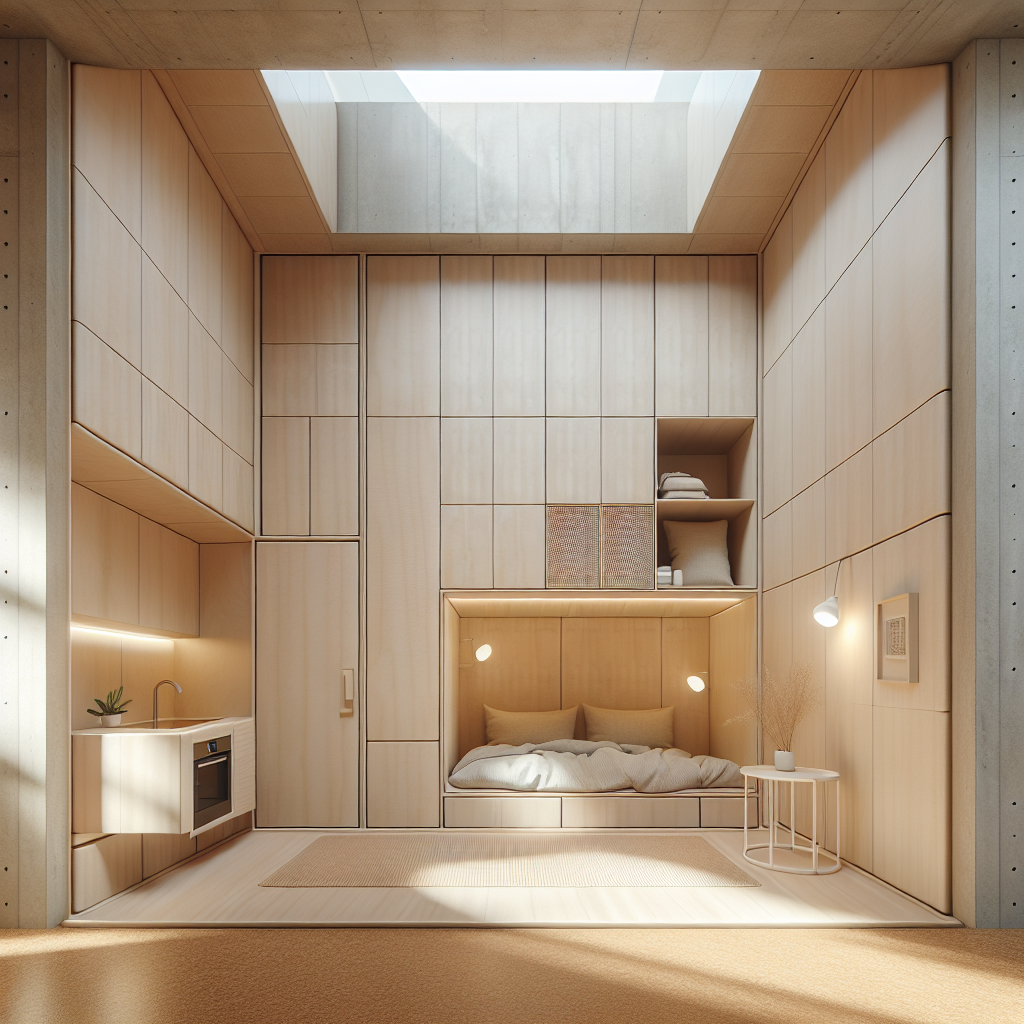
Prompt: Photorealistic interior of a compact habitable storage room with integrated wooden cabinetry, soft daylight from a skylight, and minimalist decor, shot on a Hasselblad H6D.
Alt text: Minimalist habitable storage room with integrated cabinetry and natural light.
Caption: Every surface serves a purpose—precision carpentry transforms a storage room into a serene living space. -
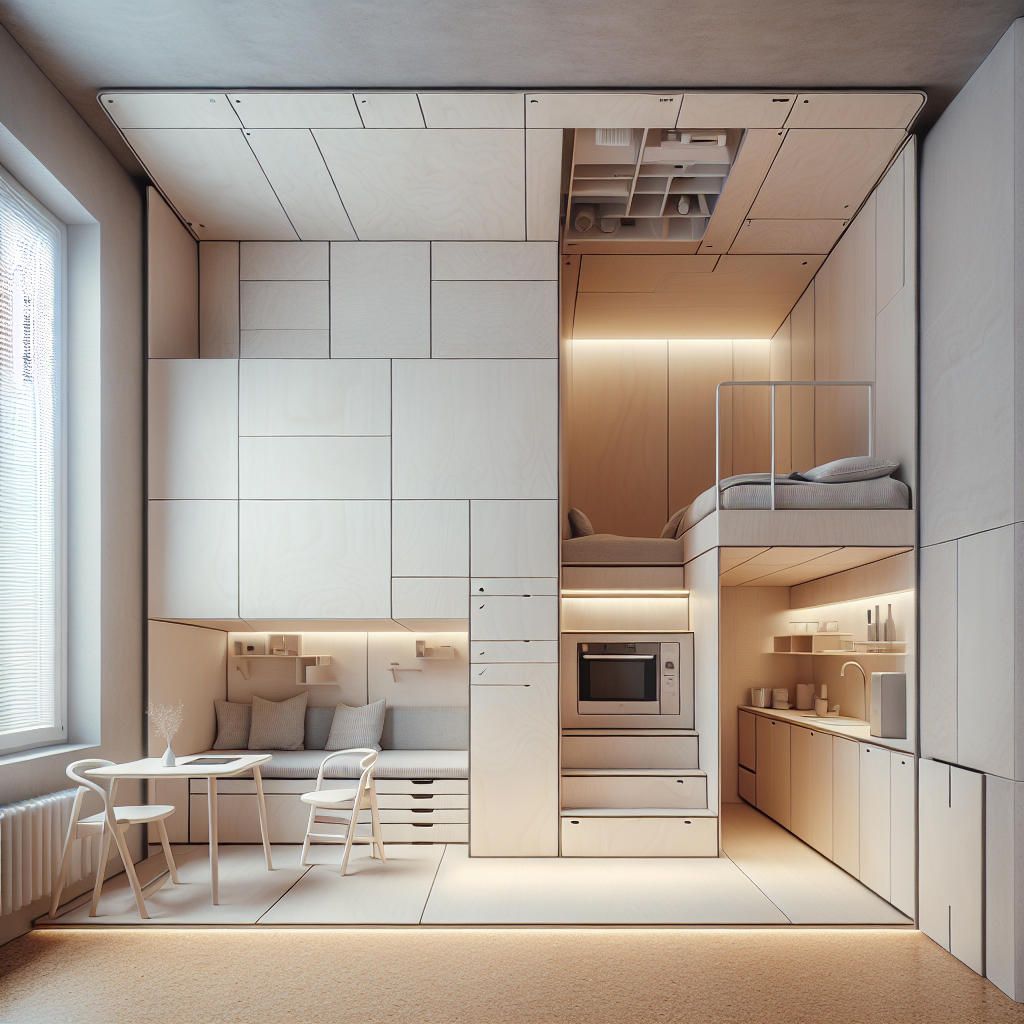
Prompt: Vertical view of a micro-apartment mezzanine built within a converted storage room, featuring birch plywood and hidden lighting, Hasselblad H6D.
Alt text: Vertical micro-apartment design with mezzanine and birch plywood finishes.
Caption: Vertical zoning transforms limited square meters into layered independence. -
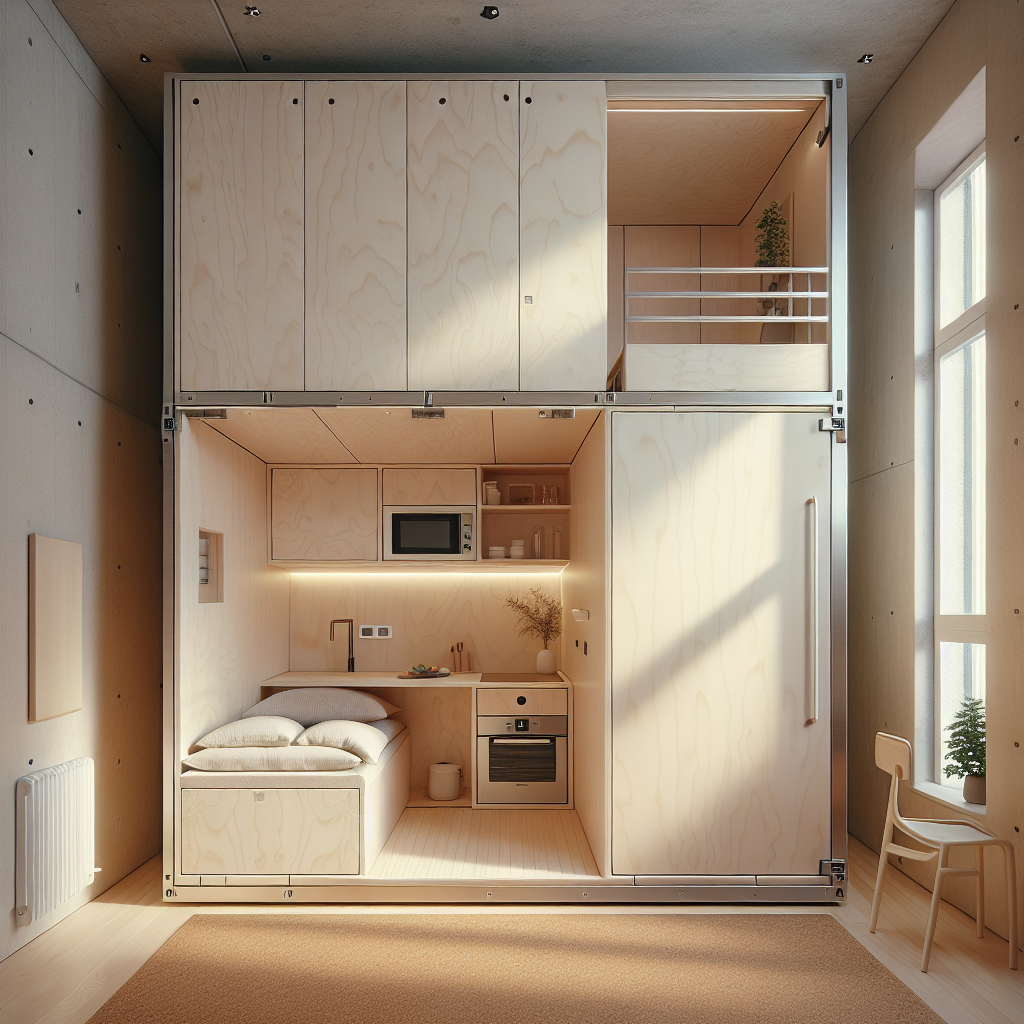
Prompt: Close-up of sustainable materials—cork flooring, brushed steel fixtures, and modular panels—within a compact living environment, Hasselblad H6D.
Alt text: Sustainable materials in a compact living design using cork and steel.
Caption: Material intelligence: tactile warmth meets industrial precision. -
Prompt: Evening scene of a habitable storage room with layered lighting, neutral tones, and a reading nook, shot on a Hasselblad H6D.
Alt text:** Cozy storage room interior with layered lighting and reading nook.
Caption: Lighting transforms the smallest spaces into emotionally rich sanctuaries.
Social Media Strategy
Main Post Caption: What if your storage room could become your favorite room? Discover how designers are redefining independence through micro-living. Tap the link in bio to explore the full story on Mainifesto.
Hashtags: #HabitableDesign #MicroLiving #UrbanIndependence #SmallSpaceDesign #InteriorInnovation #SustainableArchitecture #DesignForLiving #CompactLuxury #ModularDesign #FutureOfLiving #ArchitecturalInspiration #SmartInteriors #DesignCulture #MinimalistHome #MainifestoDesign
Reel Strategy
Four-image narrative sequence with text overlays:
- Image 1:
 ×
×❮ ❯