
#REF!
What If Haute Couture Brands Designed Houses? (The AI-Generated Balenciaga Mansion)
Imagine a world where architecture dons the runway. Where the sharp tailoring of Balenciaga, the ethereal minimalism of Jil Sander, or the opulent theatricality of Dior are not confined to garments but embodied in the walls, corridors, and facades of our homes. This speculative intersection of haute couture and architecture—once the domain of conceptual sketches and fashion show sets—has found new momentum through artificial intelligence. The “Balenciaga Mansion,” an AI-generated concept circulating among digital design circles, crystallizes this dialogue between fabric and façade, algorithm and artisan.
The Genesis of the Balenciaga Mansion
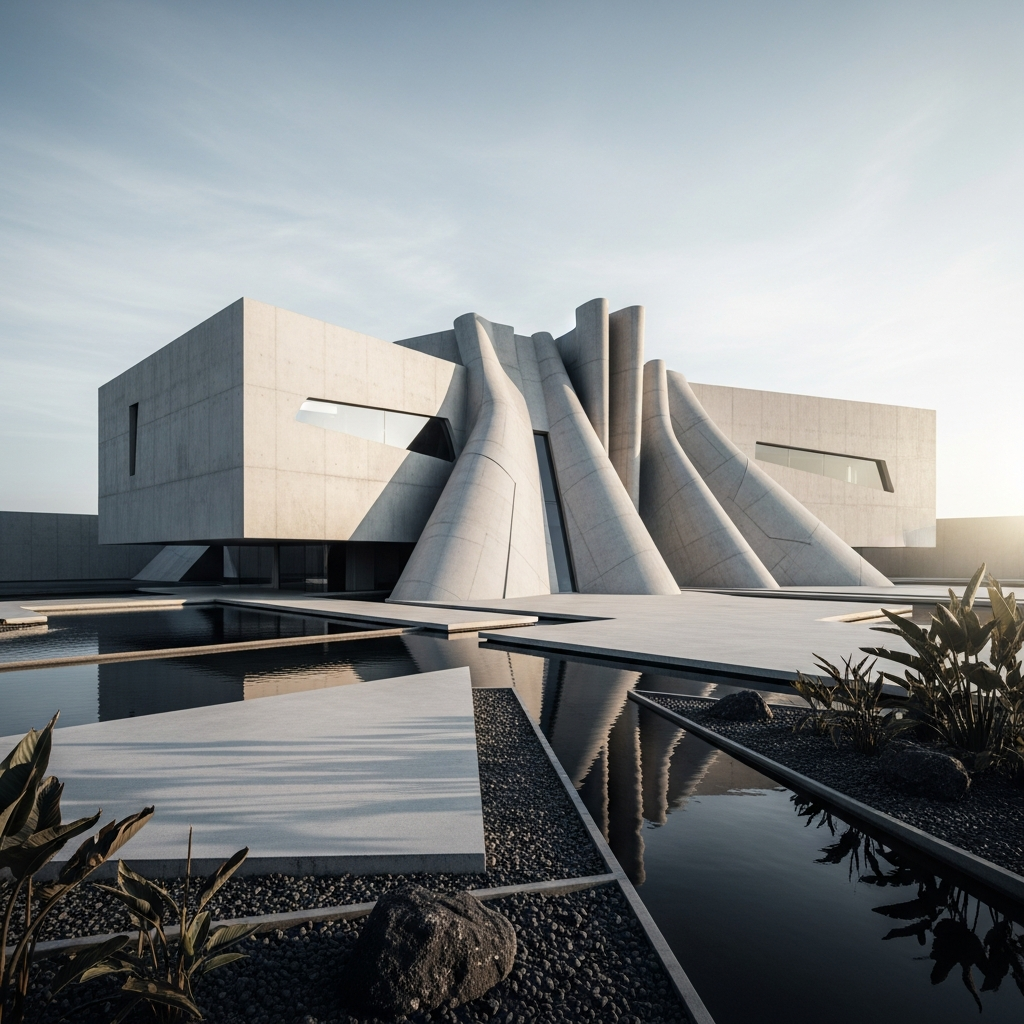
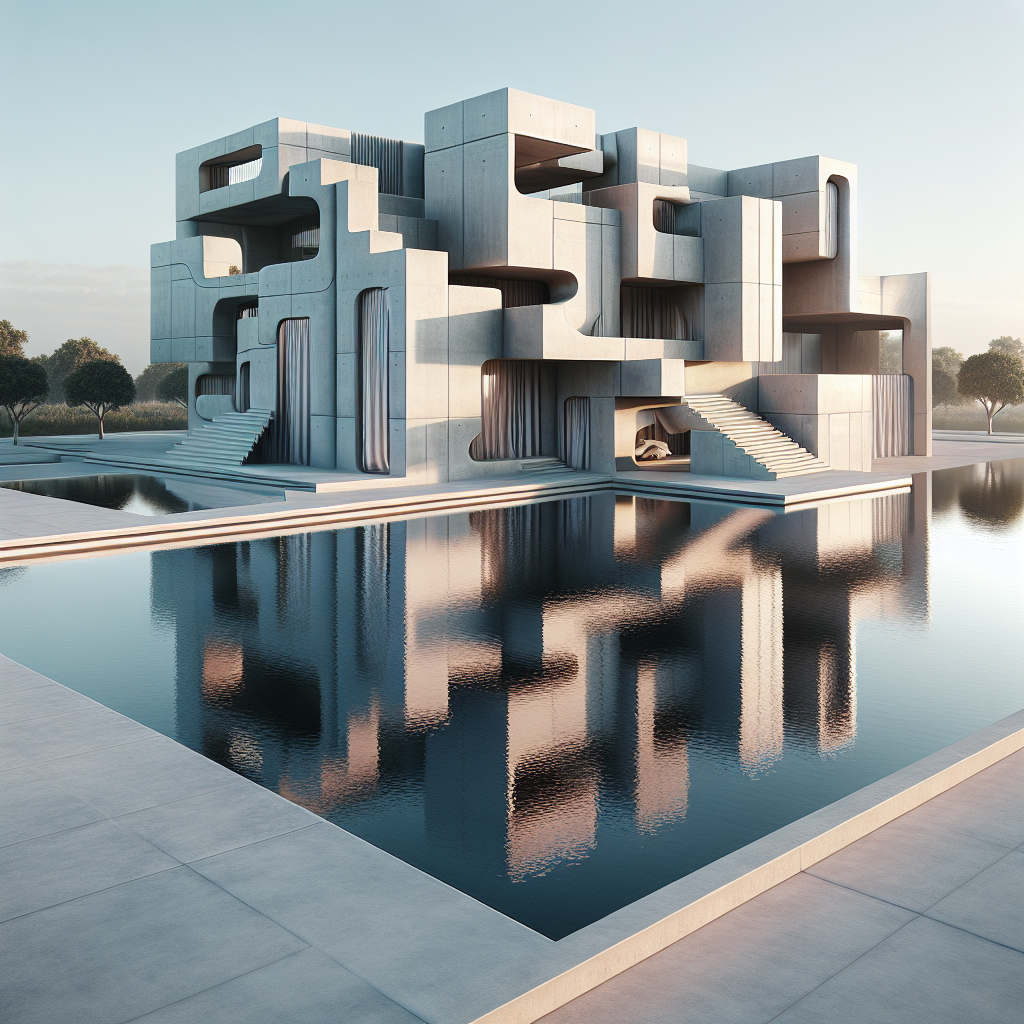
Balenciaga’s creative DNA has always been architectural. Cristóbal Balenciaga’s sculptural silhouettes, often described as “built rather than sewn,” redefined the relationship between body and structure. Translating that philosophy into architecture feels less like a leap and more like a continuation. The AI-generated Balenciaga Mansion imagines a residence that fuses couture’s precision with brutalist restraint—an interplay of shadow, mass, and negative space. The mansion’s monolithic concrete shell folds inward like a cocoon, its surfaces polished to a satin matte reminiscent of neoprene.
Inside, the geometry softens. The living spaces are enveloped in curved walls that evoke the fluid drape of Balenciaga’s signature cocoon coats. Lighting is diffused through hidden seams, creating a chiaroscuro effect that accentuates volume rather than ornament. The AI model, trained on thousands of runway images and architectural blueprints, has produced a design that feels paradoxically human—rigid yet sensual, futuristic yet monastic.
AI as the New Atelier
Artificial intelligence has become the atelier of the 21st century, capable of synthesizing aesthetic codes across disciplines. The Balenciaga Mansion is not merely a digital fantasy; it represents a new design methodology where algorithms interpret brand identity spatially. This echoes the principles explored in AI in architecture, where machine learning tools assist architects in generating adaptive, data-driven forms that still retain emotional resonance.
In this context, AI acts less as a replacement for human creativity and more as a collaborator—a silent couturier that understands proportion, materiality, and mood. The mansion’s AI-generated details, from the tensile curvature of its atrium to the placement of its reflective pools, suggest a sensitivity to human behavior and environmental rhythm. According to research by the Architectural Association School of Architecture, such hybrid workflows are redefining authorship in design, blending computational precision with cultural intuition.
Material Couture: From Fabric to Facade
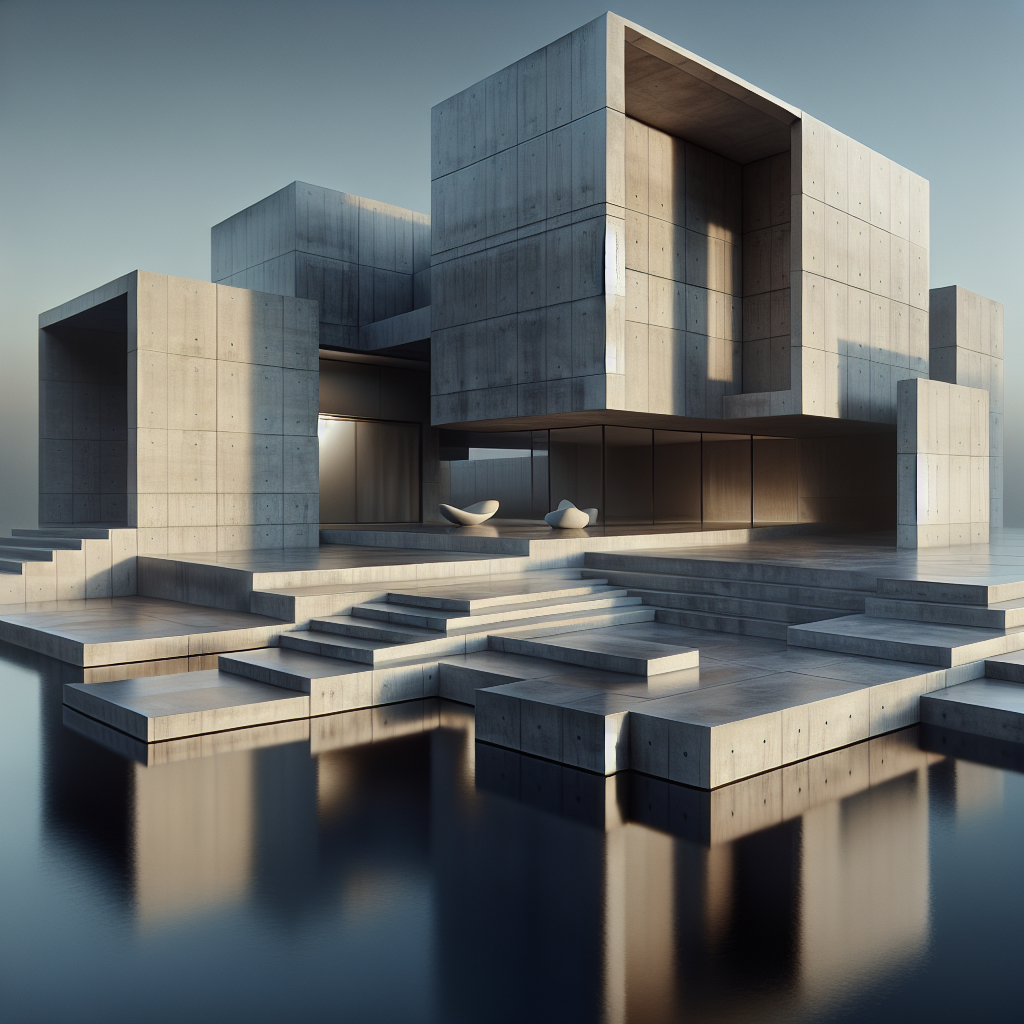
What would couture materials look like when scaled to architectural proportions? The Balenciaga Mansion proposes an answer through its textural palette. Polished basalt replaces silk; recycled neoprene panels mimic draped fabric; and translucent resin partitions echo the shimmer of taffeta under stage lights. The home’s exterior, a study in controlled austerity, reveals subtle iridescence when sunlight strikes its mineral-infused coating—a nod to the brand’s fascination with light manipulation.
This material experimentation aligns with the growing trend of sustainable innovation in design. As explored in reclaimed materials and circular design, the fusion of couture aesthetics with eco-conscious materials could define the next era of luxury architecture. The Balenciaga Mansion’s use of bio-based composites and self-healing concrete underscores a commitment to longevity and low environmental impact, echoing the values of a new generation of conscious consumers.
Fashion’s Architectural Turn
Fashion houses have long flirted with architecture. Chanel’s ephemeral pavilions by Zaha Hadid, Prada’s Fondazione in Milan by Rem Koolhaas, and Louis Vuitton’s Frank Gehry-designed foundation all demonstrate how couture brands use architecture as a form of storytelling. Yet the Balenciaga Mansion goes further—it internalizes architecture as identity, not as a backdrop. The AI-generated concept imagines domestic life as performance, where one inhabits the brand’s philosophy rather than merely wearing it.
Balenciaga’s recent forays into digital fashion and metaverse experiences have already blurred the line between physical and virtual design. The mansion, in this sense, becomes a prototype for hybrid living—part residence, part digital installation. It resonates with the speculative urbanism seen in projects like futuristic city design in Blade Runner 2049, where identity, architecture, and technology converge into a singular aesthetic ecosystem.
Living Inside a Brand
To live in a Balenciaga Mansion would be to inhabit a philosophy of restraint and rebellion. The interiors are intentionally sparse, their minimalism punctuated by sculptural furniture that doubles as art. A central void—part atrium, part runway—serves as the home’s social core, where light cascades through a retractable skylight. The AI’s spatial logic mirrors the rhythm of a fashion show: procession, pause, reveal.
In psychological terms, this architecture invites introspection. It rejects decorative excess in favor of emotional clarity. The biophilic principles subtly embedded in the mansion’s design—such as its internal courtyard garden and filtered daylight—counterbalance its austere geometry, creating a dialogue between nature and structure. This duality, between severity and softness, mirrors Balenciaga’s enduring tension between avant-garde experimentation and timeless form.
The Future of Couture Architecture
As AI-generated design becomes more sophisticated, the prospect of branded architecture—homes conceived by fashion houses—feels increasingly plausible. Imagine a Saint Laurent skyscraper clad in black marble, a Gucci villa wrapped in botanical mosaics, or a Comme des Garçons pavilion that folds and unfolds like origami. These speculative projects would not only redefine luxury but also challenge our understanding of authorship, authenticity, and experience.
Institutions such as the Material District and the ArchDaily research network have noted a growing convergence between fashion’s material innovation and architecture’s sustainability goals. The Balenciaga Mansion stands as a digital manifesto for this movement—a call to imagine buildings not as static objects but as living garments, tailored to the rhythms of their inhabitants and the planet.
Conclusion: When Couture Becomes Habitat
The Balenciaga Mansion is more than an AI-generated fantasy; it is a provocation. It asks whether architecture can embody the emotional intelligence of fashion, and whether technology can serve as a medium for poetic expression rather than pure efficiency. In this imagined home, walls drape, light sculpts, and silence becomes a form of luxury. It is a vision of the future where couture no longer ends at the body—it begins with the space around it.
{
  "seo_title": "The AI-Generated Balenciaga Mansion",
  "meta_description": "Explore the AI-generated Balenciaga Mansion—where haute couture meets architecture in a visionary blend of fashion and design.",
  "excerpt": "Could fashion houses become the architects of tomorrow? The AI-generated Balenciaga Mansion redefines luxury through sculptural minimalism and digital craftsmanship.",
  "focus_keyphrase": "AI-generated Balenciaga Mansion"
}
AI Image Prompts
- Prompt: Photorealistic image of a futuristic mansion inspired by Balenciaga, with sculptural concrete forms, curved walls, and diffused lighting, shot on a Hasselblad H6D in soft morning light.
Alt text: AI-generated Balenciaga Mansion exterior with sculptural concrete design.
Caption: The Balenciaga Mansion’s monolithic exterior captures the essence of couture minimalism. - Prompt: Interior view of the Balenciaga Mansion featuring curved walls, matte textures, and a central atrium illuminated by a skylight, photographed on a Hasselblad X2D.
Alt text: Minimalist interior of Balenciaga Mansion with soft light and curved geometry.
Caption: Inside, the mansion’s cocoon-like geometry creates a dialogue between light and silence. - Prompt: Detail shot of a translucent resin partition and polished basalt flooring, showing couture-inspired textures, captured with a Hasselblad X1D II.
Alt text: Textural detail of Balenciaga Mansion materials blending resin and basalt.
Caption:
 ×
×❮ ❯