
#REF!
Impossible Materials: Aerogel and Vantablack Applied to Exclusive Interior Design
In the ever-evolving landscape of high-end interior design, two materials have emerged from the realm of scientific marvel into the vocabulary of the avant-garde: Aerogel and Vantablack. Once confined to aerospace laboratories and defense research, these “impossible materials” are now redefining the boundaries of spatial perception, texture, and light within exclusive interiors. Their introduction marks a shift from ornamentation to pure experience—spaces that challenge our senses and expectations of what a room can be.
The Lightest Solid Meets the Darkest Substance
Aerogel, often called “frozen smoke,” is a material so light it seems to defy gravity. Composed of up to 99.8% air, it was originally developed by NASA for insulation in spacecraft. Its ethereal translucency diffuses light in a way that feels almost spiritual—neither transparent nor opaque, but suspended somewhere in between. In contrast, Vantablack, developed by Surrey NanoSystems, absorbs 99.965% of visible light, creating an optical void so deep that it erases form and depth entirely. Together, these two materials form a dialogue between presence and absence, light and shadow, matter and void.
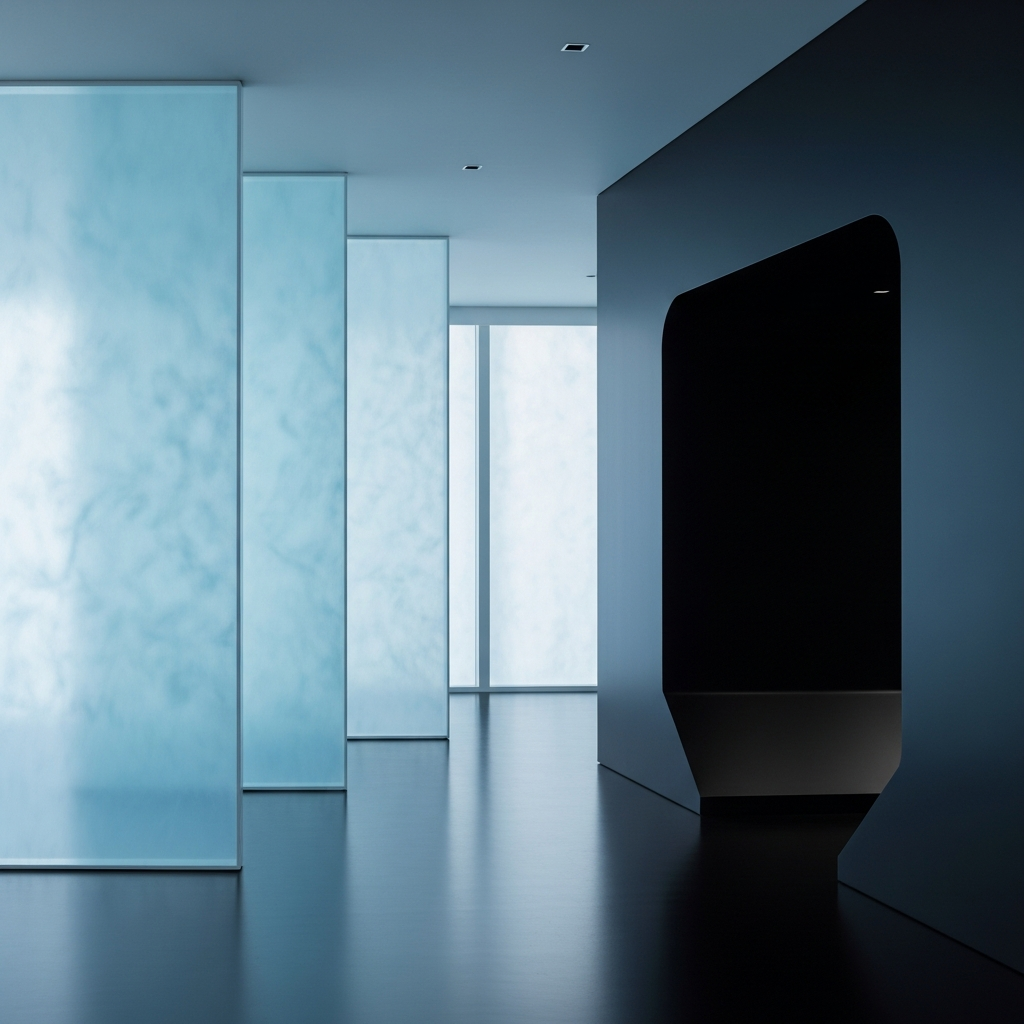
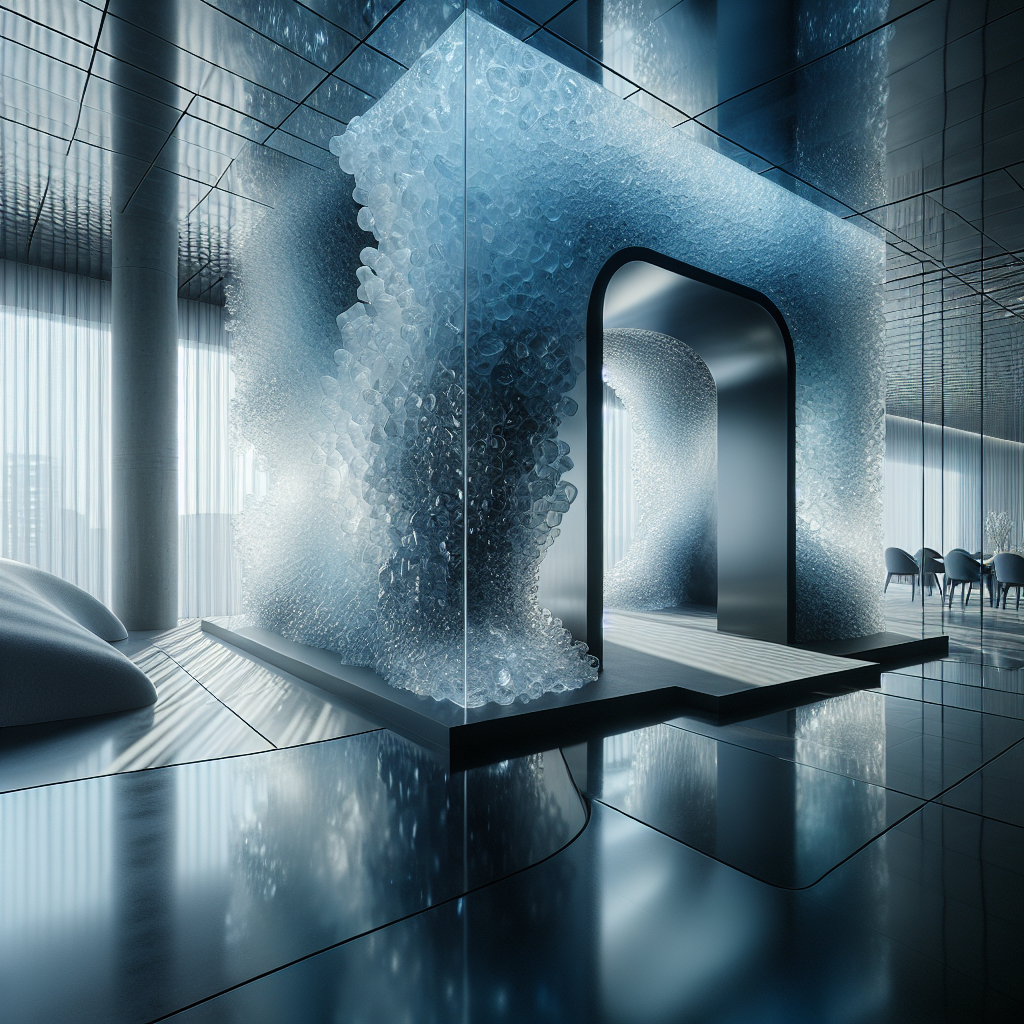
Designers have begun to explore this duality not as a gimmick, but as a new architectural language. In private residences and concept galleries, Aerogel panels are being used to filter daylight into rooms with a diffused, celestial glow, while Vantablack-coated installations absorb light to sculpt emotional intensity. The result is a choreography of perception—spaces that seem to breathe between visibility and invisibility.
Material Alchemy in Luxury Interiors
For decades, luxury design has been defined by the tactile richness of marble, brass, and exotic woods. But in 2026, opulence is no longer about material weight—it’s about sensory innovation. Aerogel’s feather-light composition and Vantablack’s infinite darkness have become the new symbols of rarity. Their application requires both technical mastery and philosophical restraint. When used correctly, they can transform interiors into meditative environments that transcend the visual plane.
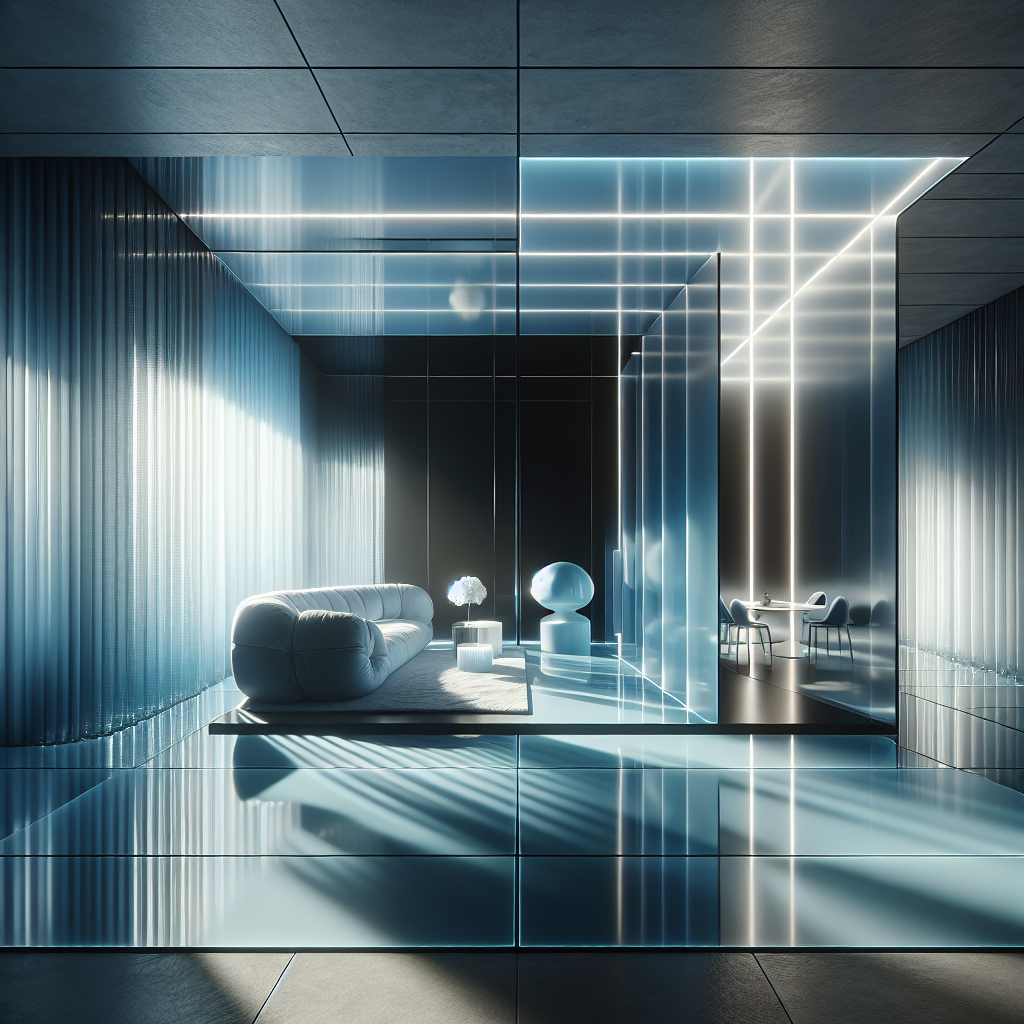
Consider the “black room” concept developed by experimental studios in London and Tokyo: a space coated entirely in Vantablack, where objects and walls dissolve into a single, depthless field. The experience is disorienting yet mesmerizing—a study in sensory deprivation that forces the visitor to rely on sound, temperature, and intuition. Meanwhile, Aerogel finds its place in the opposite context: floating partitions, light wells, and ceiling panels that seem to emit their own glow. The interplay between these two extremes invites a redefinition of luxury—one that privileges atmosphere over ornament.
From Aerospace to Architecture
The transition of Aerogel and Vantablack from aerospace to architecture mirrors a broader trend in design: the migration of high technology into domestic life. Just as AI-driven architecture has blurred the line between digital and physical creation, these materials bridge science and art. Their adoption reflects a cultural fascination with the unseen forces that shape our world—light, heat, and perception itself.
According to research from the Architectural Materials Institute, the use of nanostructured coatings and aerogels in interior design has increased by 40% since 2023, particularly in projects emphasizing sustainability and energy efficiency. Aerogel’s exceptional insulating properties make it ideal for climate-conscious architecture, while Vantablack’s ability to absorb light and heat has inspired experiments in passive thermal control. These applications align with the principles explored in the path to net-zero design, where innovation meets environmental responsibility.
Perception as a Design Tool
What makes these materials truly revolutionary is not their physicality, but their psychological impact. Aerogel and Vantablack manipulate perception in ways that challenge our spatial instincts. Aerogel softens boundaries, creating a sense of weightlessness and calm. Vantablack, conversely, annihilates form, inviting introspection and even unease. When used together, they evoke a dialogue between serenity and mystery—an architectural yin and yang.
Designers are increasingly aware of how materials influence human emotion. This echoes the principles of biophilic design, which explores how sensory engagement with materials can enhance well-being. Aerogel’s diffused luminosity can mimic the soft light of dawn, while Vantablack’s void-like surfaces can induce a meditative stillness. In high-end spas, galleries, and private sanctuaries, these effects are being harnessed to create environments that soothe, challenge, and captivate simultaneously.
Technical and Ethical Considerations
Despite their allure, both materials present unique challenges. Aerogel is notoriously fragile and expensive to produce, requiring careful handling and structural support. Vantablack, on the other hand, is tightly controlled under licensing agreements, and its use in art and design has sparked debates about exclusivity and access. When artist Anish Kapoor secured exclusive rights to one form of Vantablack, it ignited a global conversation about the ethics of material ownership in creative industries.
Beyond the controversy, there is a growing movement toward democratizing advanced materials. Researchers at the Materials Today Journal note that new variants of carbon nanotube coatings and silica aerogels are becoming more accessible, opening the door for broader experimentation. This democratization parallels the ethos of sustainable innovation seen in reclaimed materials design, where technology and ethics converge to shape a more inclusive future.
The Future of Sensory Minimalism
As we move deeper into an era of sensory minimalism, the appeal of Aerogel and Vantablack lies in their ability to strip design down to its perceptual essence. They invite designers to think not in terms of color or texture, but of presence and absence. In a world saturated with visual noise, these materials offer silence—a pause, a void, a whisper of light.
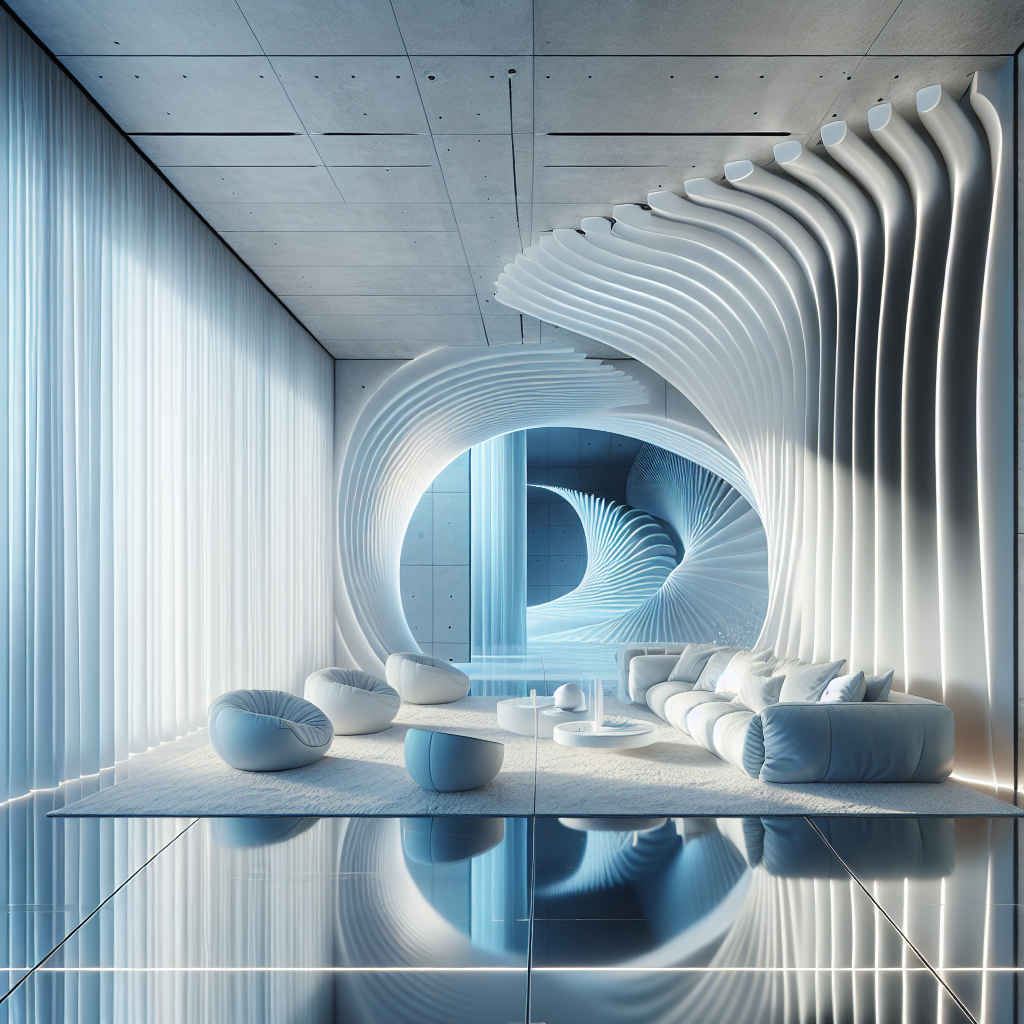
Imagine a living room where Aerogel panels replace glass, filtering sunlight into a pale, dreamlike haze. A sculptural alcove, coated in Vantablack, absorbs all reflection, becoming a visual black hole that anchors the space. The contrast between the two creates a narrative of balance: the weightless and the infinite, the seen and the unseen. This is not decoration—it is philosophy rendered in matter.
Conclusion: The Aesthetics of the Impossible
In 2026, the frontier of interior design is no longer defined by what can be seen, but by what can be felt. Aerogel and Vantablack are not just materials—they are experiences, metaphors for our evolving relationship with technology, perception, and the intangible. They remind us that the future of design lies not in abundance, but in restraint; not in imitation, but in invention.
As the boundaries between science and art continue to dissolve, the interiors of tomorrow may look less like rooms and more like atmospheres—spaces that hover between light and darkness, substance and illusion. In that liminal space, the impossible becomes not only possible, but profoundly beautiful.
—{
"seo_title": "Aerogel & Vantablack in Interior Design",
"meta_description": "Explore how Aerogel and Vantablack redefine luxury interior design through light, darkness, and sensory innovation.",
"excerpt": "What happens when the lightest solid meets the darkest substance? Aerogel and Vantablack are transforming luxury interiors into sensory masterpieces.",
"focus_keyphrase": "Aerogel and Vantablack interior design"
}
AI Image Prompts
- Prompt: Photorealistic interior of a minimalist living room featuring Aerogel wall panels diffusing natural light, shot on a Hasselblad H6D with soft daylight tones.
Alt text: Aerogel wall panels creating a luminous haze in a minimalist living room.
Caption: Ethereal light filters through Aerogel panels, redefining spatial serenity. - Prompt: Ultra-dark Vantablack art installation in a private gallery, appearing as a void in space, photographed with a Hasselblad X2D using low-key lighting.
Alt text: Vantablack installation absorbing all light in a luxury gallery.
Caption: A Vantablack installation transforms a gallery into a meditation on absence. - Prompt: High-end bathroom with Aerogel skylight and matte black fixtures,
 ×
×❮ ❯