
Playground labyrinth architecture: sensor-based lighting responding to children’s motion
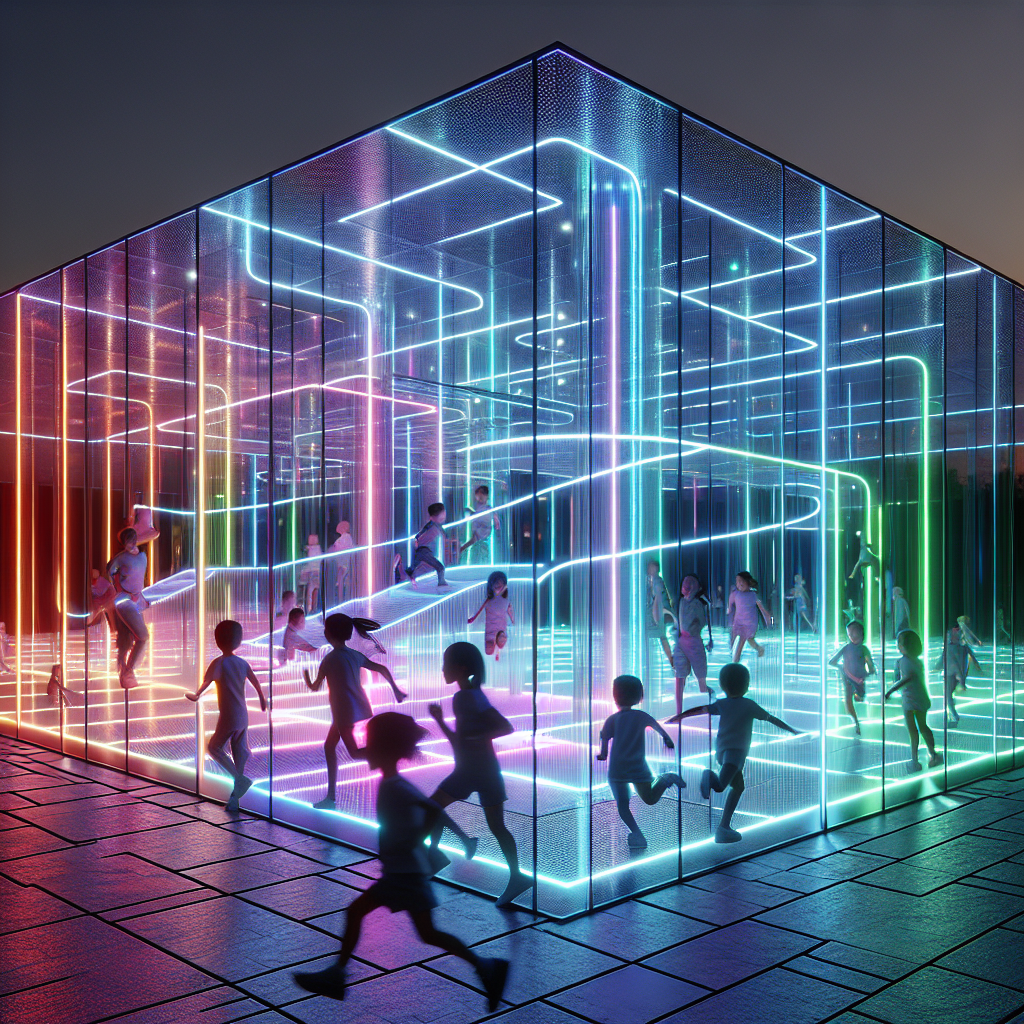
Playground Labyrinth Architecture: Sensor-Based Lighting Responding to Children’s Motion
In the evolving dialogue between architecture, technology, and play, a new typology is emerging—one that merges the physical and the digital, the whimsical and the intelligent. Playground labyrinth architecture—spaces where sensor-based lighting dynamically responds to children’s movement—represents a radical rethinking of how we design for curiosity, exploration, and interaction. These environments are not static structures but living systems that react, glow, and evolve with the energy of their users. They transform the playground into a responsive ecosystem, where light becomes both guide and playmate.
The Rise of Responsive Play Environments
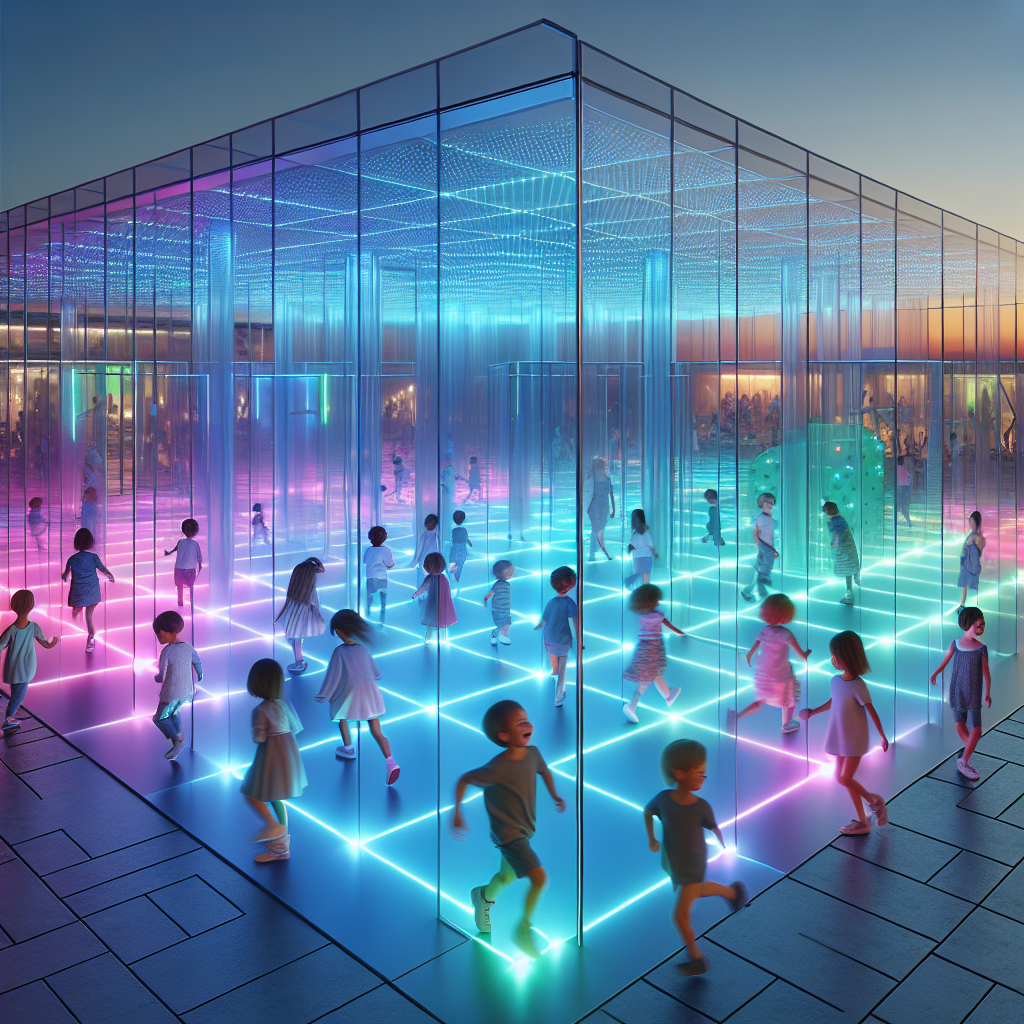
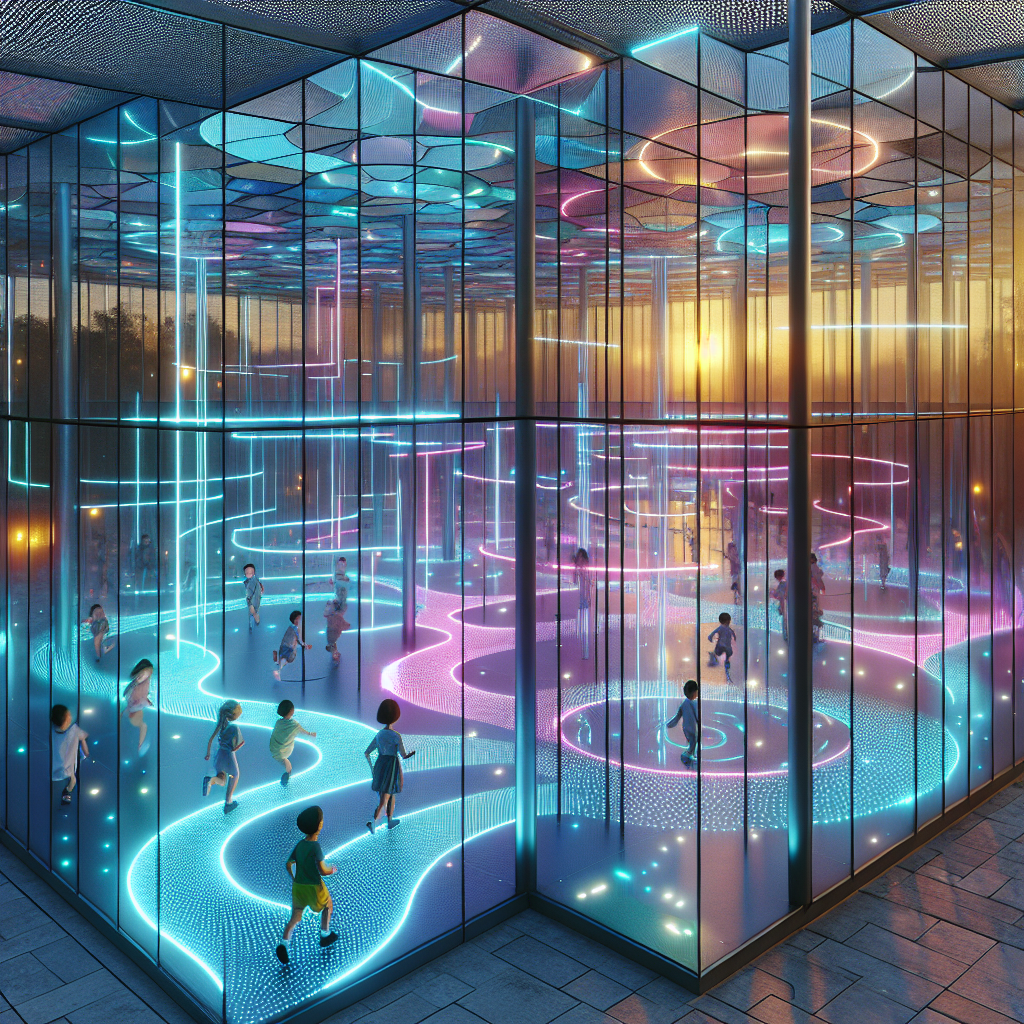
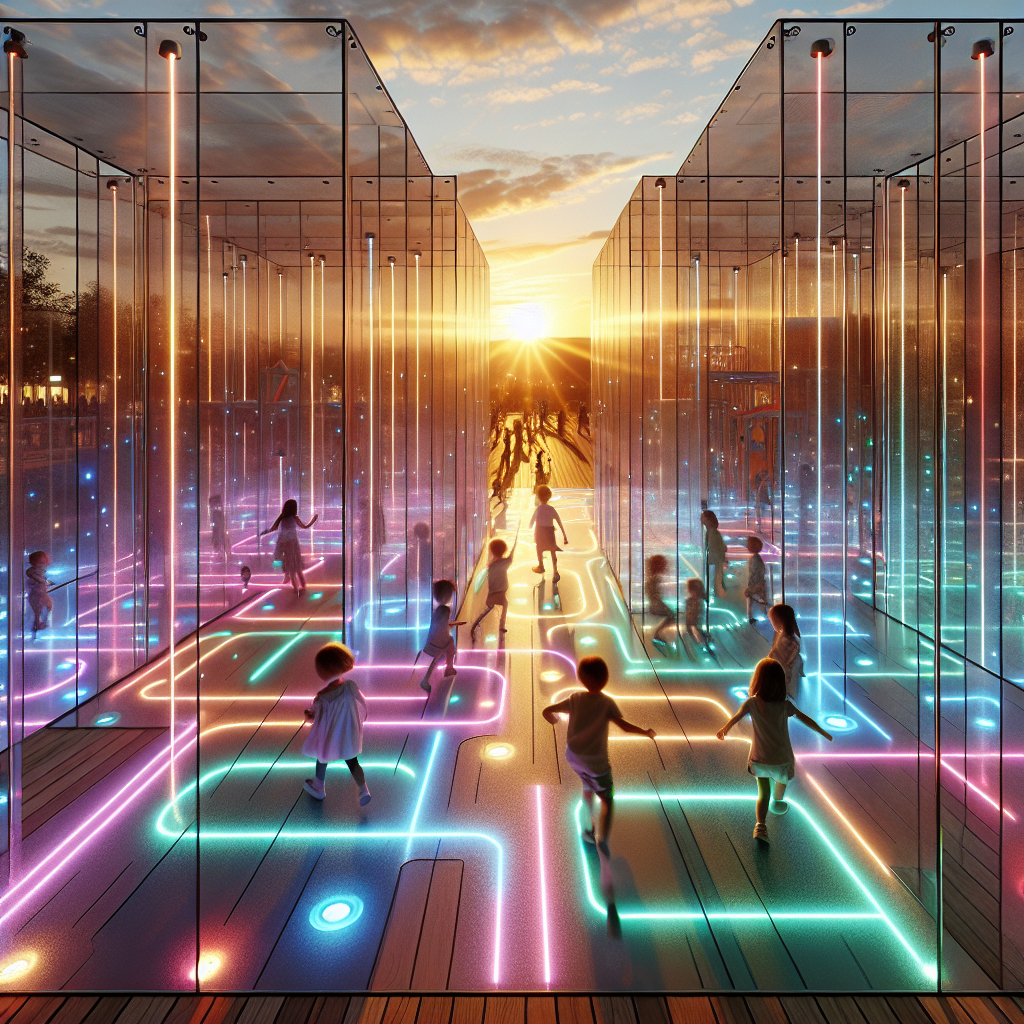
Across the globe, designers are exploring how interactive architecture can enhance the developmental and emotional experience of children. In these labyrinthine playgrounds, the walls are embedded with motion sensors, and the ground is laced with pressure-sensitive tiles. As children run, jump, or pause, the space illuminates in waves of color—each movement triggering a unique visual response. The result is a multi-sensory environment that encourages exploration through feedback loops of light and motion.
This design philosophy draws from the principles of responsive architecture, where built environments adapt in real time to human behavior. The technology behind these playgrounds often employs infrared sensors, LiDAR mapping, and programmable LED matrices, creating an interplay between kinetic architecture and experiential design. It’s a natural evolution of the ideas explored in responsive design—only here, the audience is not adult users or consumers, but children, whose innate curiosity fuels the architecture itself.
Designing the Labyrinth: A Spatial Narrative
The labyrinth, as an archetype, has long symbolized discovery and transformation. In these modern playgrounds, the labyrinth becomes a stage for interaction—its corridors winding through zones of shifting luminosity. Designers often use translucent materials such as polycarbonate panels or etched glass to diffuse light, creating a sense of mystery and depth. The geometry of the labyrinth is deliberately non-linear, encouraging children to lose and find themselves repeatedly within its glowing paths.
Architectural studios like Snøhetta and MAD Architects have experimented with similar ideas in public installations, using light as a narrative tool. In the context of play, this narrative becomes participatory. Each child becomes a co-author of the space’s story, their movement writing ephemeral patterns of illumination across the walls and floors. The architecture thus becomes a living organism—a structure that perceives, reacts, and communicates.
Technology Meets Imagination
At the heart of these playground labyrinths lies a sophisticated technological infrastructure. Motion sensors detect proximity and velocity, while microcontrollers interpret these signals to orchestrate light responses. The LEDs are often programmed with algorithms that mimic natural phenomena—rippling water, flickering fireflies, or bioluminescent waves—creating an immersive experience that feels organic rather than mechanical.
This integration of sensor-based lighting echoes the innovations seen in bioluminescent lighting design, where illumination draws inspiration from nature’s own responsive systems. The result is an architecture that feels alive, a fusion of play and performance. It also aligns with the broader movement toward interactive installations that blur the boundaries between art, design, and user participation.
Human-Centric Design and Developmental Benefits
Beyond its aesthetic allure, this architectural approach carries profound developmental implications. Research in environmental psychology underscores the importance of sensory-rich environments in fostering cognitive and emotional growth. By responding to children’s actions, these playgrounds reinforce cause-and-effect understanding, spatial awareness, and social interaction. The labyrinthine layout encourages cooperation and communication, as children navigate the glowing pathways together.
Moreover, the use of light as a responsive medium introduces a non-verbal form of feedback—one that transcends language and age. The environment becomes a silent collaborator, rewarding curiosity and movement with bursts of color and rhythm. In this sense, the architecture itself becomes a teacher, nurturing creativity through interaction.
Materiality and Sustainability
Designing for children demands durability, safety, and sustainability. Many of these playground labyrinths employ recycled polymers, low-energy LED systems, and modular construction techniques that allow for easy maintenance and reconfiguration. The integration of solar panels or kinetic flooring—where energy from footsteps powers the lighting—adds a sustainable dimension, transforming play into a form of renewable energy generation.
This approach resonates with the principles of circular economy design, emphasizing longevity and adaptability. By merging technology with eco-conscious materials, designers are crafting spaces that are as responsible as they are enchanting. The result is a new kind of playground—one that not only entertains but also educates about the symbiosis between humans, technology, and the environment.
Case Studies: Illuminated Playgrounds Around the World
In Copenhagen, the Superkilen Park integrates motion-sensitive lighting along its cycling paths, turning evening rides into luminous journeys. In Tokyo, a series of pop-up labyrinths designed by teamLab use interactive projections to create constantly shifting mazes of light and shadow. Meanwhile, in Rotterdam, the Glow Maze Pavilion transforms a public square into a responsive playground where children’s laughter literally lights up the night.
These projects illustrate a growing trend toward sensor-driven urban play spaces—public environments that adapt to their users in real time. They are part of a broader reimagining of how cities engage with their youngest citizens, aligning with the inclusive design ethos explored in inclusive playground design. The labyrinth becomes not just a metaphor for exploration, but a tangible expression of how architecture can respond to human presence with empathy and delight.
The Future of Playful Architecture
As sensor technology becomes more affordable and data-driven design more sophisticated, the potential for responsive playgrounds expands exponentially. Architects are beginning to envision adaptive labyrinths that evolve over time—spaces that learn from patterns of use, adjusting their lighting sequences or spatial configurations to maintain engagement. These environments could even integrate AI-driven systems that personalize responses to individual children, tailoring experiences to their pace and preferences.
In a world increasingly dominated by screens, such physical-digital hybrids offer a vital counterbalance. They invite children to move, explore, and connect—both with each other and with the built environment. They also signal a shift in architectural thinking: from designing static forms to orchestrating dynamic experiences.
Illuminating the Path Forward
Playground labyrinth architecture represents more than a playful experiment—it’s a manifesto for the future of interactive urban design. By embedding intelligence into form, architects are crafting spaces that feel alive, empathetic, and endlessly engaging. These glowing labyrinths remind us that architecture can do more than shelter; it can respond, converse, and inspire.
In the soft glow of a motion-triggered light, a child’s step becomes an act of creation. The labyrinth listens, learns, and shines back—a poetic dialogue between movement and matter, between imagination and illumination. In this dance of light and play, the future of design reveals itself: responsive, human, and profoundly alive.
Keywords: playground labyrinth architecture, sensor-based lighting, responsive architecture, interactive design, kinetic architecture, children’s play spaces, sustainable playground design, motion-responsive lighting.