
Phygital design: bridging physical objects with NFT-based ownership

Phygital Design: Bridging Physical Objects with NFT-Based Ownership
In the evolving landscape of design and architecture, the term phygital design—a fusion of “physical” and “digital”—has become a defining concept of the decade. It encapsulates a new paradigm where tangible objects and spaces coexist with their digital counterparts, often authenticated or extended through blockchain technology and non-fungible tokens (NFTs). For architects, designers, and collectors, this convergence is not merely a trend but a profound rethinking of how value, authorship, and experience are defined in the built and designed world.
The Emergence of Phygital Design
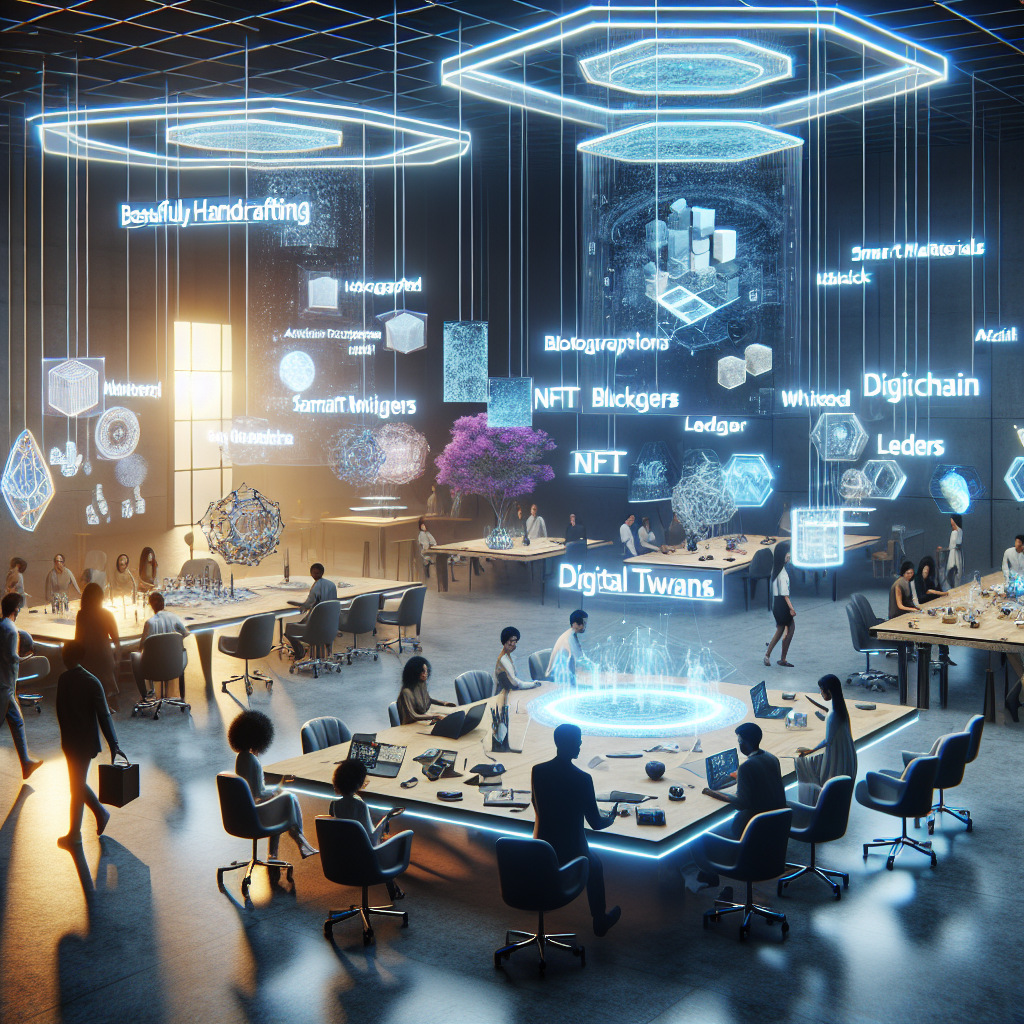
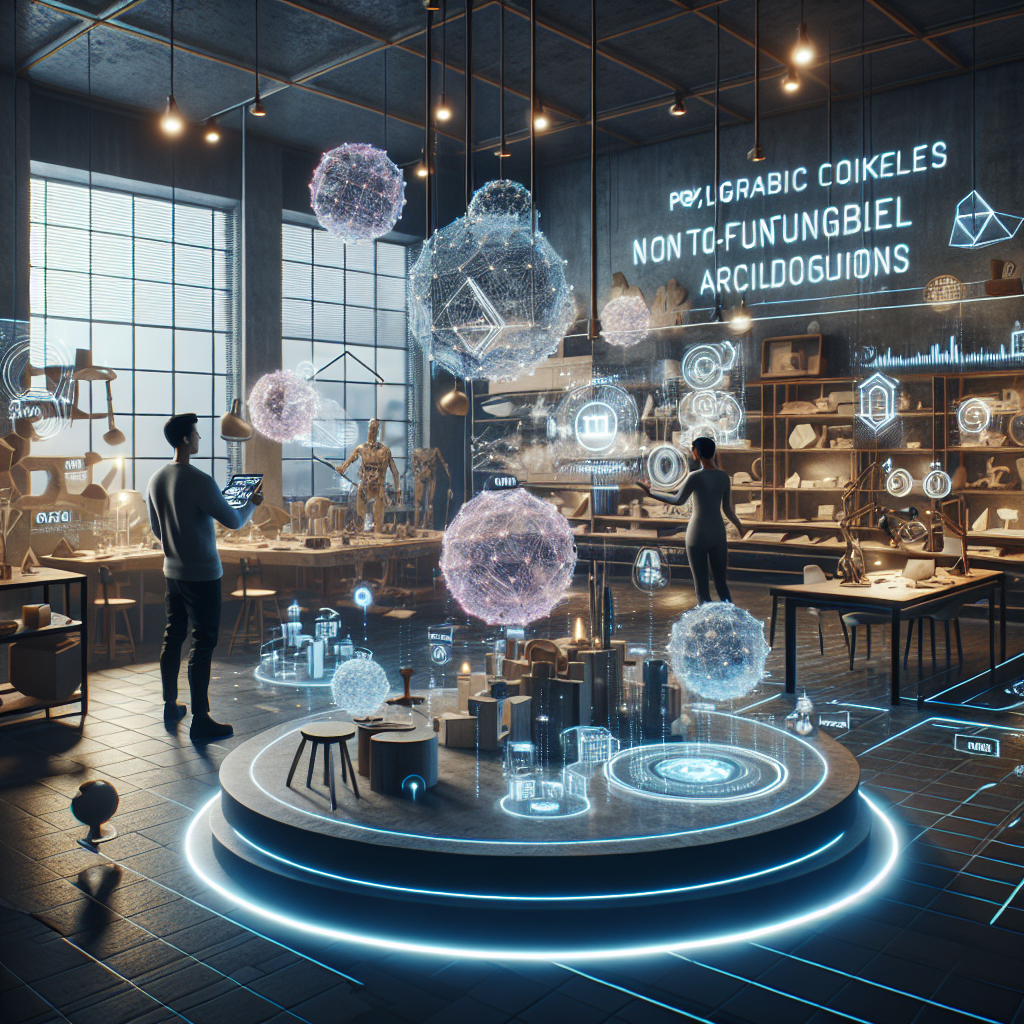
The phygital movement emerged from the intersection of digital art, immersive technology, and collectible design. As the art world embraced NFTs to certify digital ownership, designers began exploring how these same principles could authenticate physical creations—furniture, lighting, architecture, and even interiors. In this hybrid ecosystem, a chair, for instance, may exist both as a sculptural object in a gallery and as a tokenized asset in a collector’s digital wallet.
Phygital design challenges the conventional boundaries between material and immaterial. It invites designers to create not only with form and texture but also with metadata, smart contracts, and digital provenance. This dual existence allows for new models of authorship and resale, ensuring that creators retain royalties each time their work changes hands—an innovation impossible in traditional markets.
Authenticity in the Age of Blockchain
At the heart of phygital design lies the blockchain ledger, a decentralized system that records ownership and authenticity. By embedding an NFT into a physical object—through a QR code, NFC chip, or digital twin—designers can permanently link the tangible and the virtual. This process transforms the object into a verified collectible, resistant to forgery and capable of carrying its history indefinitely.
Architects and product designers are increasingly turning to blockchain for transparency and traceability. As explored in Blockchain in Architecture: The Future of Transparency in Construction, this technology is reshaping how materials, designs, and intellectual property are tracked across their lifecycle. Phygital design extends this logic to the consumer level, where provenance becomes part of the aesthetic narrative.
Case Studies: From Furniture to Architecture
Several pioneering studios have begun to integrate NFT-based ownership into their design processes. The Italian design collective HENZEL Studio launched limited-edition rugs paired with NFTs, ensuring that each piece’s authenticity could be verified digitally. Similarly, architect-designer Andrés Reisinger’s “The Shipping” project offered both virtual furniture for metaverse environments and physical versions for real-world interiors—each linked through blockchain verification.
In architecture, the concept of phygital ownership is expanding into spatial design. Digital twins of buildings—precise 3D replicas stored on blockchain—are being used not only for maintenance and sustainability tracking but also for collectible and experiential purposes. Imagine owning a digital replica of a pavilion from Salone del Mobile Milan, complete with its lighting conditions, textures, and acoustic profile, preserved as an NFT. This new form of ownership transforms architecture into a shareable, tradable cultural asset.
Designing for Dual Realities
Phygital design demands a reorientation of the creative process. Designers must now consider how a piece will exist in both physical and digital dimensions. Materials, finishes, and forms must harmonize with their virtual renderings, ensuring that the digital twin captures the same emotional resonance as the original. The rise of virtual reality in architecture has accelerated this shift, enabling designers to prototype and experience their creations in immersive environments before fabrication.
In interiors, this duality is producing fascinating results. A sculptural lamp might project a digital aura visible only through augmented reality, or a collectible chair could unlock access to a virtual exhibition space for its owner. These experiences extend the value of design beyond the physical, creating an ongoing dialogue between object and owner.
The Collector’s Renaissance
For collectors, phygital design introduces a new dimension of engagement. Ownership is no longer confined to possession; it includes participation in a digital ecosystem. Through NFTs, collectors can trace the lineage of a piece, verify its authenticity, and even interact with its digital twin in virtual galleries or metaverse platforms. This evolution echoes the historical significance of provenance in fine art, but with unprecedented transparency and interactivity.
According to a 2024 report by Deloitte, the global market for tokenized assets—including phygital design objects—is projected to exceed $16 trillion by 2030. The luxury design sector, with its emphasis on rarity and craftsmanship, is particularly well-positioned to benefit. Limited-edition furniture, architectural models, and collectible lighting pieces are now being sold with embedded NFTs, merging the exclusivity of high design with the innovation of digital ownership.
Materiality Meets Metadata
One of the most compelling aspects of phygital design is its ability to merge material craftsmanship with digital storytelling. Consider a hand-carved oak table whose surface bears the subtle marks of its maker. Through its NFT, the table’s digital twin might include a time-lapse of its creation, the designer’s sketches, and the sourcing data of its wood. This integration of materiality and metadata transforms the object into a living archive—an artifact that narrates its own genesis.
This concept resonates with the broader movement toward sustainable and transparent design, as seen in Zero-Waste Masterpieces: How Architects Are Designing for a Circular Economy. By embedding traceable data into objects, phygital design aligns with circular economy principles, ensuring accountability from creation to resale.
Challenges and Ethical Dimensions
Despite its promise, phygital design faces critical challenges. The environmental impact of blockchain technology, particularly energy-intensive proof-of-work systems, has raised concerns among sustainability advocates. While newer models such as proof-of-stake have significantly reduced energy consumption, designers must remain vigilant about the ecological footprint of their digital integrations.
There are also questions of accessibility and equity. As phygital design becomes a hallmark of luxury, it risks reinforcing exclusivity in an industry already defined by scarcity. The challenge lies in democratizing access to digital ownership while preserving the integrity of craftsmanship. Some studios are experimenting with fractional ownership models, allowing multiple collectors to co-own a design piece through shared NFTs—a potential step toward inclusivity.
Future Horizons: The Phygital City
Looking ahead, the implications of phygital design extend far beyond individual objects. Entire urban environments are beginning to adopt phygital principles, blending physical infrastructure with digital layers of interaction and ownership. Smart façades, AR-integrated public art, and tokenized real estate assets are transforming how citizens experience and invest in their cities. This vision aligns with the futuristic urban narratives explored in The Impact of Technology on Futuristic City Design and Architecture in Blade Runner 2049, where digital and physical realities merge seamlessly.
In this emerging landscape, architecture becomes not only a built environment but also a programmable one. Buildings might host digital exhibitions visible through AR glasses, or plazas could feature NFT-linked installations that evolve over time. The phygital city represents a new synthesis of technology, design, and community—an architecture of participation as much as of form.
Redefining Ownership, Experience, and Legacy
Phygital design redefines what it means to own, experience, and preserve design. It offers a framework where authenticity is immutable, creativity is traceable, and value extends beyond the tangible. For designers, it is an invitation to craft across dimensions; for collectors, a chance to engage with design as both artifact and interface; and for cities, a blueprint for cultural evolution in the digital age.
As the boundaries between the physical and digital continue to dissolve, phygital design stands as a testament to the adaptability and imagination of the design world. It bridges centuries of craftsmanship with the frontiers of technology—proving that in the end, the most enduring designs are those that transcend their material form to inhabit both worlds at once.
Published on 12/19/2025