Paper-lantern architecture translucent: structures that glow after dark
Paper-Lantern Architecture Translucent: Structures That Glow After Dark
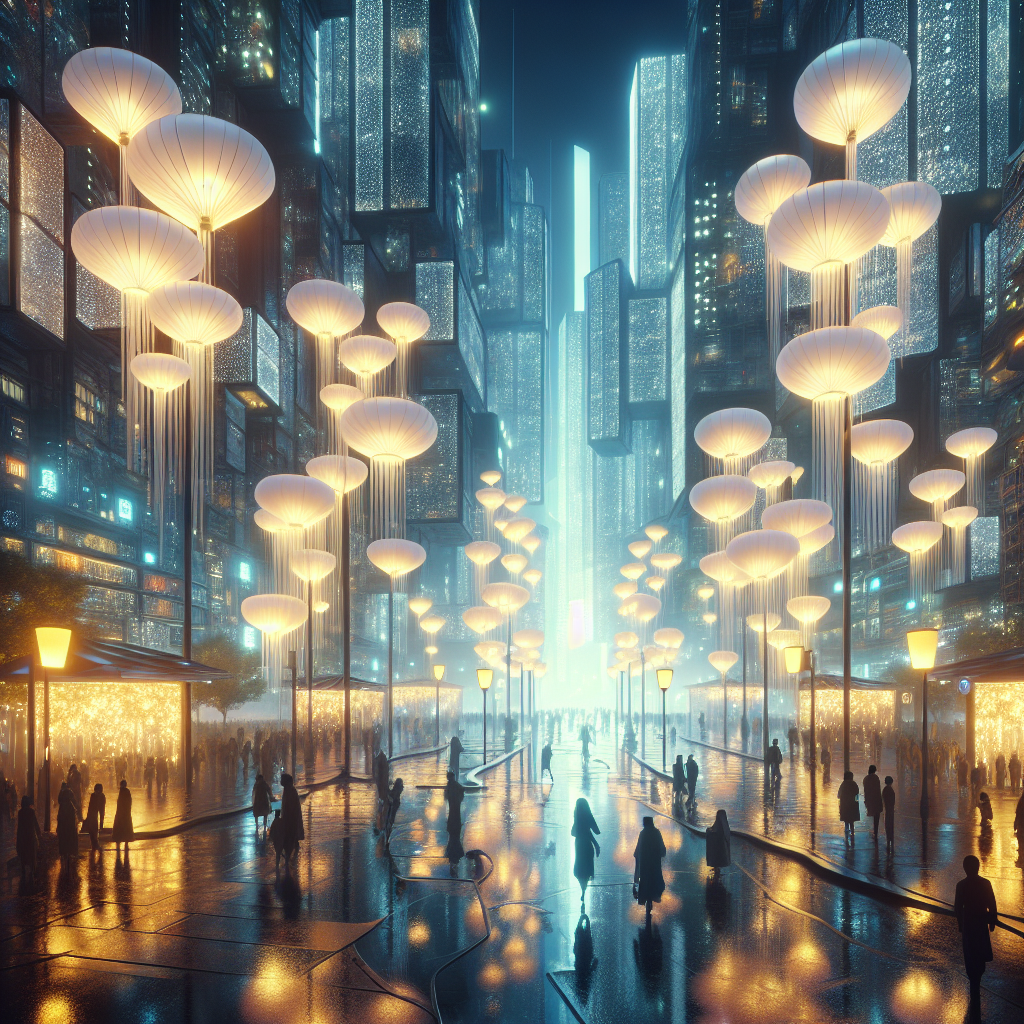
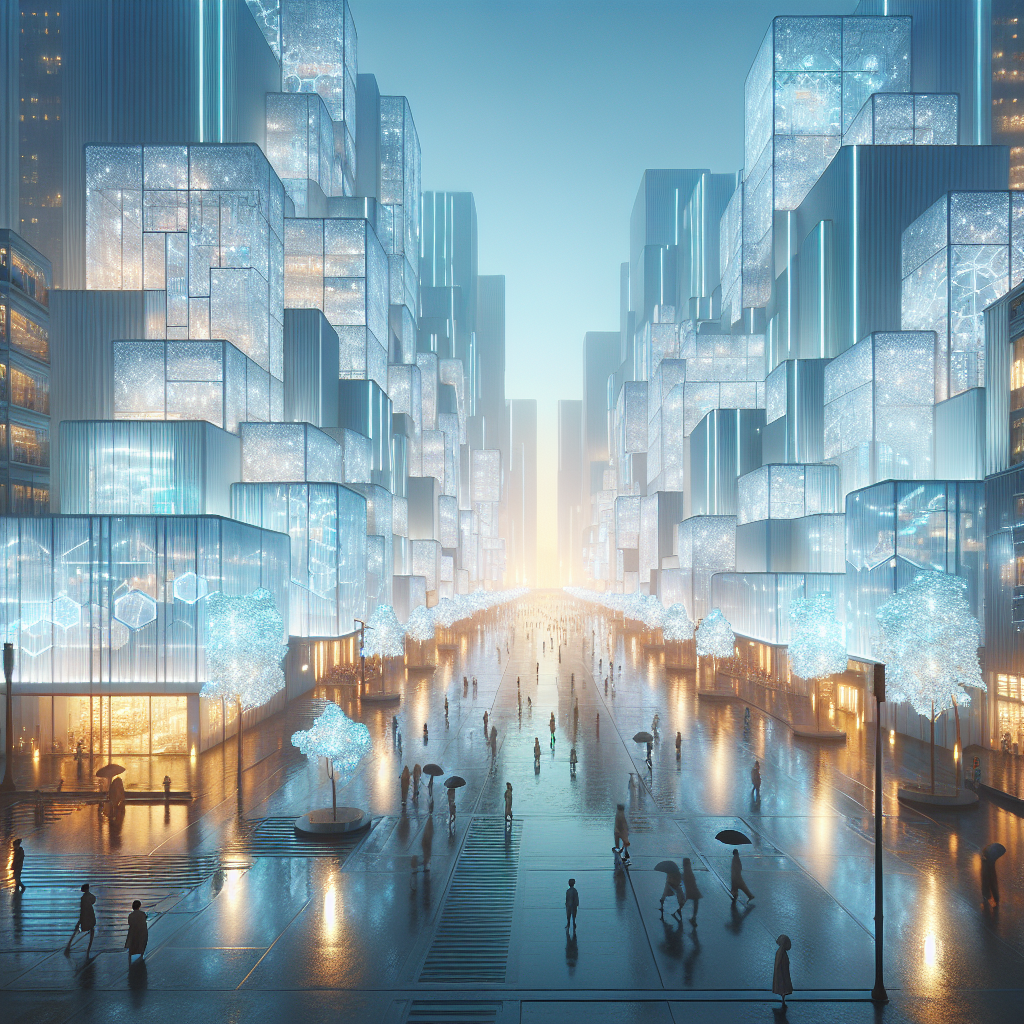
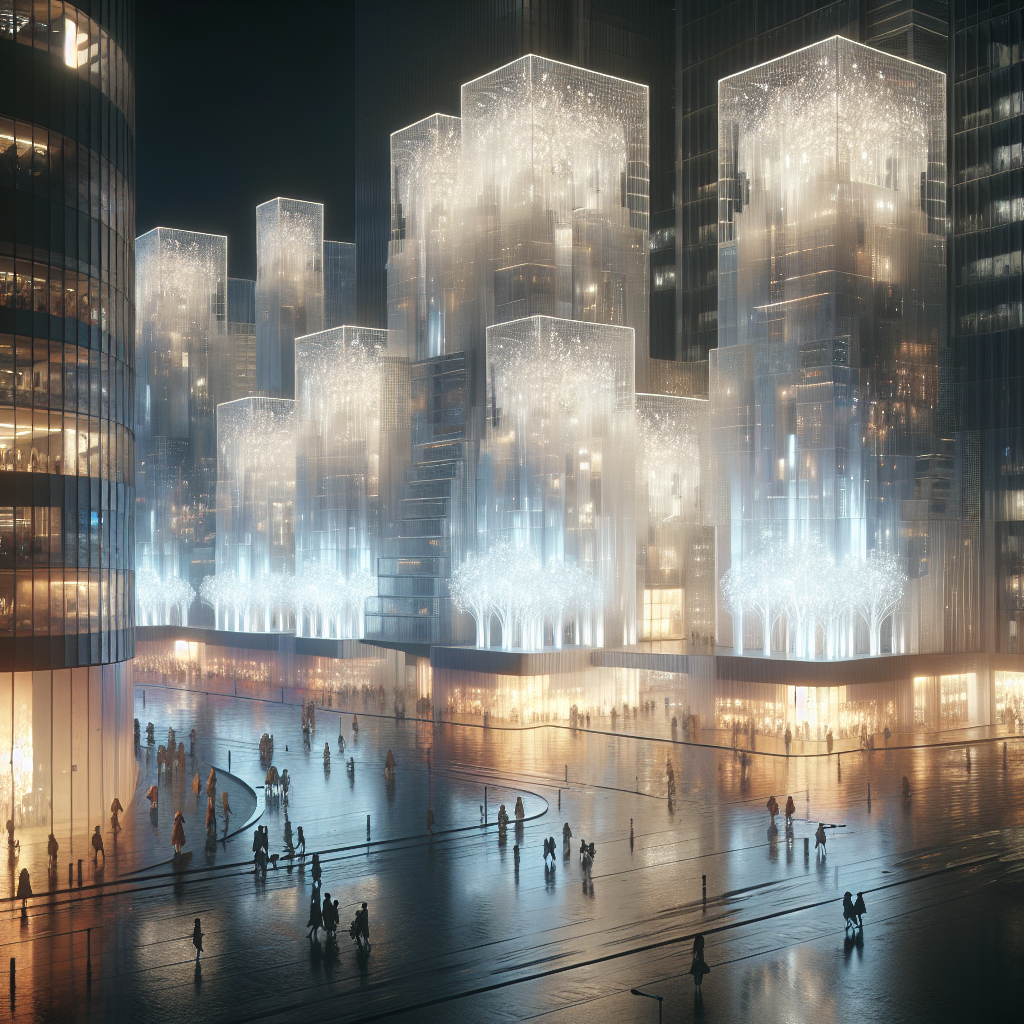
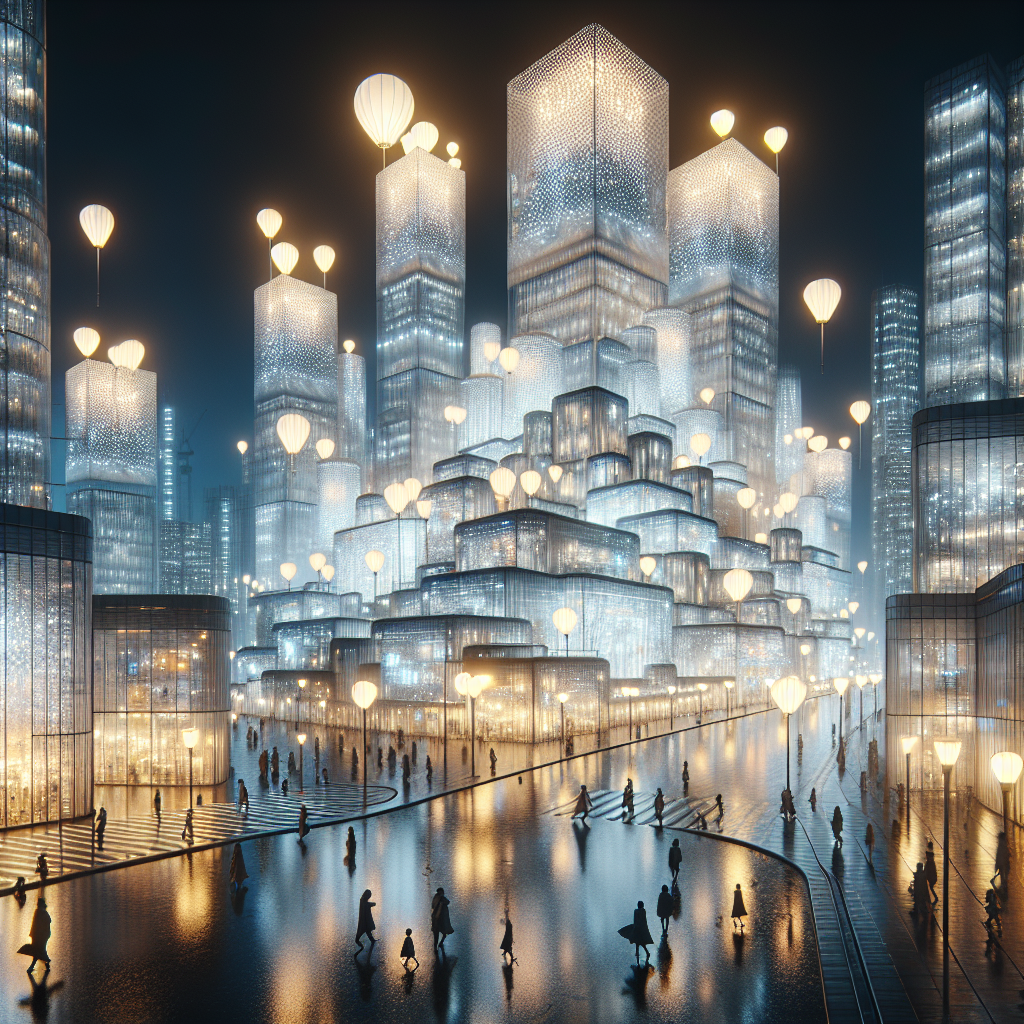
As daylight fades and cities surrender to twilight, a new kind of architecture begins to breathe—one that glows softly from within, like a paper lantern adrift in the night. Translucent architecture, inspired by the poetic fragility of traditional lanterns, is emerging as a defining language of contemporary design. It fuses light, material, and atmosphere to create structures that are not merely illuminated but alive with luminescent presence. This aesthetic—part ethereal, part technological—redefines how buildings interact with darkness, transforming them into glowing beacons of culture, sustainability, and emotion.
The Ethereal Appeal of Translucency
In architectural discourse, translucency has long been associated with impermanence and intimacy. It invites a dialogue between interior and exterior, between what is seen and what is suggested. Much like the Japanese andon lamp or the Chinese paper lantern, these structures rely on the interplay of shadow and glow to evoke serenity. The result is a kind of spatial poetry—an architecture that breathes light rather than merely containing it.
Contemporary architects are increasingly embracing this translucency not only for its aesthetic delicacy but also for its environmental intelligence. Materials such as polycarbonate panels, rice-paper composites, glass-fiber fabrics, and even bioplastics allow daylight to diffuse softly during the day and radiate warmth at night. The effect is both sustainable and sensorial, reducing reliance on artificial lighting while crafting a visual identity that feels almost spiritual.
From Lanterns to Landmarks: Global Examples of Glowing Architecture
Across the globe, a new generation of designers is translating the ephemeral beauty of lanterns into architectural form. In Japan, the Toho Gakuen School of Music by Nikken Sekkei wraps its performance halls in a milky-white polycarbonate skin that glows like frosted glass after sunset. The building becomes a quiet spectacle—an urban lantern that signals cultural life within.
In Copenhagen, the Harbour Bath Pavilion by BIG Architects employs translucent acrylic panels that shimmer by day and pulse with LED light by night, turning a public bathhouse into a luminous sculpture on the water. Similarly, in Mexico City, Estudio Atemporal’s Casa A uses perforated resin walls to create a subtle radiance that changes with the angle of the sun, recalling the tactile softness of handmade paper.
These projects share a common ethos: light is not decoration but material. The building itself becomes a vessel for illumination, echoing the way a paper lantern’s thin membrane amplifies the glow of a single flame.
Material Innovation: The Science Behind the Glow
The evolution of translucent materials has been central to this architectural movement. Polycarbonate sheets, for instance, offer high impact resistance and thermal insulation while diffusing light evenly. ETFE (ethylene tetrafluoroethylene), used in structures like the Allianz Arena in Munich, allows architects to create façades that can shift color and opacity dynamically. Meanwhile, advances in fiber-reinforced polymers and biodegradable composites are opening new frontiers for lightweight, luminous construction.
Architects are also experimenting with hybrid materials that combine organic fibers and smart lighting systems. Some studios have begun embedding LED matrices within resin panels, allowing buildings to modulate their luminosity in response to environmental conditions. This integration of responsive lighting aligns with the principles explored in responsive design, where architecture behaves like a living organism—sensitive, adaptive, and expressive.
Light as Cultural Memory
While technology drives innovation, the emotional resonance of glowing architecture lies in its cultural symbolism. The paper lantern has always represented more than light—it embodies hope, remembrance, and communal gathering. In East Asian traditions, lantern festivals mark transitions between seasons or honor ancestors, illuminating both the physical and spiritual landscape. Translating this ritual into architecture allows designers to create spaces that connect deeply with human emotion.
Consider the Lantern Pavilion in Suzhou, a temporary installation by architect Xu Tiantian. Constructed from translucent bamboo paper, it captures the delicacy of traditional craft while reinterpreting it through contemporary geometry. At night, the pavilion’s soft radiance transforms the surrounding park into a contemplative landscape, blurring the line between art and architecture.
This dialogue between heritage and innovation echoes broader design movements that seek to reconcile modernity with memory—an approach reminiscent of the reinterpretations seen in origami-inspired design, where folding and translucency become metaphors for transformation.
Sustainability Through Lightness
Beyond aesthetics, the appeal of paper-lantern architecture lies in its light ecological footprint. Many of these structures employ passive lighting strategies, translucent insulation, and recyclable materials. Their lightweight construction reduces embodied carbon, aligning with the sustainable principles discussed in biodegradable architecture. The translucency itself becomes a form of environmental intelligence—maximizing daylight penetration while minimizing energy use.
Architects are also exploring how these glowing envelopes can contribute to urban well-being. Soft, diffused light has been shown to reduce stress and improve circadian rhythms, supporting the growing interest in biophilic design. In dense cities, where harsh artificial lighting dominates, translucent structures offer a gentler, more humane nocturnal experience.
Urban Glow: The Future of Nighttime Architecture
As cities evolve into 24-hour ecosystems, the nightscape has become a new frontier for design. The rise of paper-lantern-inspired architecture signals a shift away from the aggressive glare of neon and LED signage toward a subtler, more atmospheric urban illumination. This approach prioritizes ambience over spectacle, crafting environments that feel both futuristic and intimate.
Emerging technologies are amplifying this potential. Smart façades embedded with light sensors can adjust brightness based on pedestrian movement or ambient light levels. Photovoltaic materials integrated into translucent panels enable buildings to harvest solar energy by day and emit stored light by night—an elegant synthesis of sustainability and beauty. These innovations echo the same spirit of adaptive intelligence explored in AI-driven architecture, where buildings learn and respond to their surroundings.
Case Study: The Lantern House, New York
Perhaps no recent project captures this ethos more vividly than Heatherwick Studio’s Lantern House in Manhattan. The building’s bulbous glass bay windows, inspired by the shape of traditional lanterns, create a rhythmic façade that glows warmly after dusk. The glass is treated with a subtle frit pattern to diffuse light, giving the interiors a soft radiance that spills gently onto the street. It’s a rare example of high-density urban housing that feels both monumental and humane—proof that translucency can scale without losing intimacy.
Heatherwick’s design demonstrates how light can become architecture’s emotional core. The building doesn’t merely illuminate; it communicates, signaling life within while contributing to the collective atmosphere of the city. This synthesis of material, emotion, and light encapsulates the essence of paper-lantern architecture.
The Poetics of the Glow
To walk through a translucent building at night is to experience architecture as a living organism. The walls breathe with light, the boundaries between inside and outside dissolve, and the city itself seems to exhale. This sensory intimacy—part craft, part science—marks a new chapter in architectural storytelling. It’s a reminder that even in an age of digital façades and kinetic systems, the most powerful designs remain those that touch something primal: our attraction to the glow of light in darkness.
Paper-lantern architecture invites us to rethink the nocturnal city not as a stage for spectacle but as a canvas for serenity. In doing so, it reclaims the night as a space of reflection, beauty, and quiet innovation. The future of luminous design may well lie not in brighter lights, but in softer ones—those that whisper rather than shout, illuminating the world with the gentleness of paper and the intelligence of light.
Keywords: paper-lantern architecture, translucent architecture, glowing structures, sustainable lighting design, luminous façades, biophilic architecture, adaptive materials, urban illumination