
Mycelium Mansions: Are Mushrooms the Construction Material of the Future?
Mycelium Mansions: Are Mushrooms the Construction Material of the Future?
In the quiet laboratories of design schools and biofabrication studios, a new architectural revolution is germinating—literally. Mycelium, the root-like network of fungi, is being cultivated as a sustainable, regenerative building material that could redefine how we construct homes, cities, and even entire ecosystems. The idea of living inside a mushroom may sound whimsical, but the science and design innovation behind it are deeply pragmatic. Mycelium’s lightweight strength, natural insulation, and ability to self-heal position it as a serious contender in the race toward carbon-neutral construction.
The Rise of Living Materials
Mycelium is not new to nature—it’s the unseen connective tissue of forests, a living web that decomposes organic matter and supports plant life. What’s new is how architects and material scientists are harnessing it. When cultivated in molds, mycelium grows into dense, foam-like structures that can be dried to create rigid, fire-resistant, and biodegradable building blocks. Unlike concrete, which emits nearly 8% of global CO₂ during production, mycelium absorbs carbon as it grows. This shift from extraction to cultivation represents a philosophical pivot in design thinking—one that aligns with the ethos of biodegradable architecture and the circular economy.
Institutions such as the Royal Institute of British Architects (RIBA) have begun exploring the potential of biomaterials in mainstream construction. Mycelium, in particular, has drawn attention for its ability to replace plastics, foams, and even certain types of insulation. Its texture is soft yet firm, its scent earthy, and its aesthetic—when left untreated—evokes the tactile beauty of raw nature. In the context of sustainable design, it is both poetic and practical.
From Lab to Living Room
Architects and designers are already experimenting with mycelium-based structures that challenge conventional building logic. The Hy-Fi Tower, designed by The Living for MoMA PS1 in New York, was one of the earliest large-scale examples. Constructed entirely from mycelium bricks, it stood as a biodegradable monument to what architecture could become when growth replaces manufacture. More recently, European studios have developed modular mycelium panels for interior walls and acoustic insulation, capitalizing on the material’s natural sound absorption properties—a concept that resonates with the principles of biophilic design.
These early prototypes are not just aesthetic experiments; they are functional prototypes for a new kind of living environment. Mycelium walls can regulate humidity, absorb toxins, and even repair minor cracks when rehydrated. In controlled environments, they can continue to grow, subtly reshaping the interior over time. This notion of “living architecture” blurs the boundary between building and organism, offering a glimpse into a future where homes breathe, adapt, and decay gracefully back into the earth.
Engineering the Future of Fungal Construction
While the romanticism of mushroom houses captures the imagination, the engineering behind them is rigorously scientific. Researchers at the Materials Today Biomaterials Lab have demonstrated that mycelium composites can achieve compressive strengths comparable to lightweight concrete. When combined with natural fibers like hemp or bamboo, the resulting hybrid materials exhibit remarkable durability and flexibility. These properties make them ideal for modular housing, furniture, and temporary installations.
However, scalability remains a challenge. Mycelium grows best under specific humidity and temperature conditions, which can complicate industrial production. Yet, with advances in 3D printing and controlled bioreactors, the process is becoming increasingly efficient. The integration of mycelium into digital fabrication workflows—akin to the innovations discussed in timber-based high-rise construction—suggests a hybrid future where biological and computational systems collaborate seamlessly.
Urban Ecology and the Circular City
Beyond its structural potential, mycelium carries profound implications for urban ecology. Imagine cities where building waste becomes the nutrient base for new materials, where demolition gives way to decomposition. In this model, architecture becomes part of a regenerative cycle rather than a linear process of consumption. The idea dovetails with the growing interest in zero-waste design and the broader movement toward circular construction systems.
Mycelium’s biodegradability also opens new possibilities for temporary architecture—pavilions, event spaces, or emergency shelters that can safely return to the soil after use. The Mycelium Pavilion projects showcased across Europe demonstrate how such materials can merge ecological responsibility with avant-garde aesthetics. These structures are not static monuments but evolving ecosystems, reminding us that architecture can be ephemeral without being wasteful.
Designing with Decay
Perhaps the most radical aspect of mycelium architecture is its acceptance of impermanence. Traditional construction strives for longevity and resistance to nature’s forces. Mycelium invites us to reconsider that relationship. What if buildings were designed to decompose after their intended lifespan? What if decay were not a failure but a design feature? This shift in mindset aligns with the wabi-sabi philosophy of beauty in imperfection and transience, as explored in sustainable design circles.
For future architects, designing with mycelium means embracing unpredictability. Each growth cycle produces subtle variations in texture and color, making every panel unique. This natural variability challenges the industrial obsession with uniformity and reintroduces craftsmanship into the digital age. It also redefines luxury—not as permanence, but as harmony with time and environment.
From Concept to Culture
As with any emerging material, public perception will play a crucial role in adoption. Mycelium architecture’s organic appearance may initially seem unconventional, but its tactile warmth and ecological narrative resonate with a generation increasingly disillusioned by synthetic modernism. The movement mirrors the early skepticism faced by timber skyscrapers or recycled materials, both of which are now celebrated as sustainable innovations.
In the coming years, mycelium could become the cornerstone of a new architectural vernacular—one that is soft, sensory, and symbiotic. Its potential extends beyond walls and roofs to furniture, lighting, and even urban infrastructure. In a world seeking equilibrium between technology and ecology, the mushroom may indeed hold the blueprint for the next architectural revolution.
Conclusion: A Living Blueprint
Mycelium mansions are not science fiction—they are the tangible outcome of a paradigm shift toward regenerative design. As cities confront the realities of climate change, resource scarcity, and waste accumulation, the idea of buildings that grow, live, and return to the earth feels less radical and more necessary. The future of architecture may not be built—it may be cultivated.
{
  "seo_title": "Mycelium Mansions: The Future of Sustainable Architecture",
  "meta_description": "Discover how mycelium is revolutionizing sustainable architecture as a living, biodegradable construction material of the future.",
  "excerpt": "Could the homes of tomorrow be grown instead of built? Explore how mycelium is reshaping sustainable architecture through living materials.",
  "focus_keyphrase": "mycelium architecture"
}
AI Image Prompts
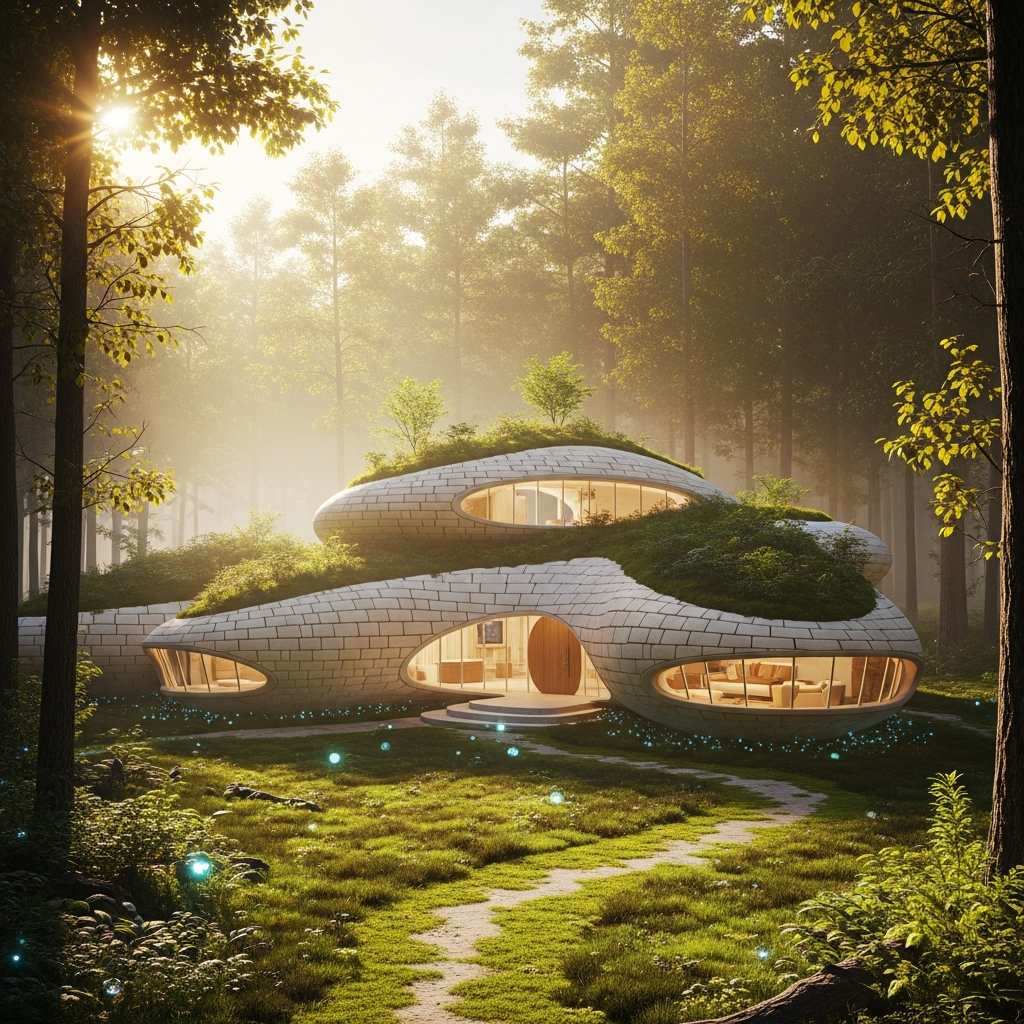
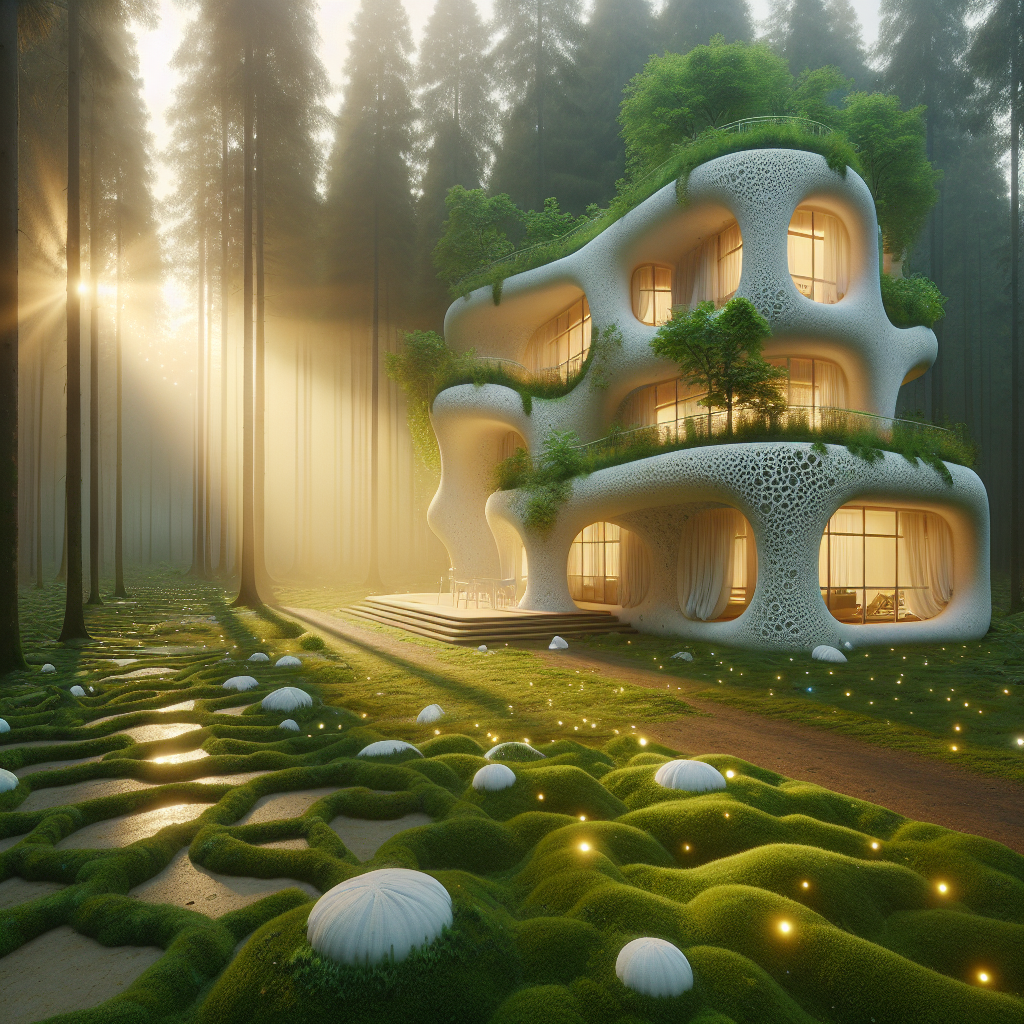
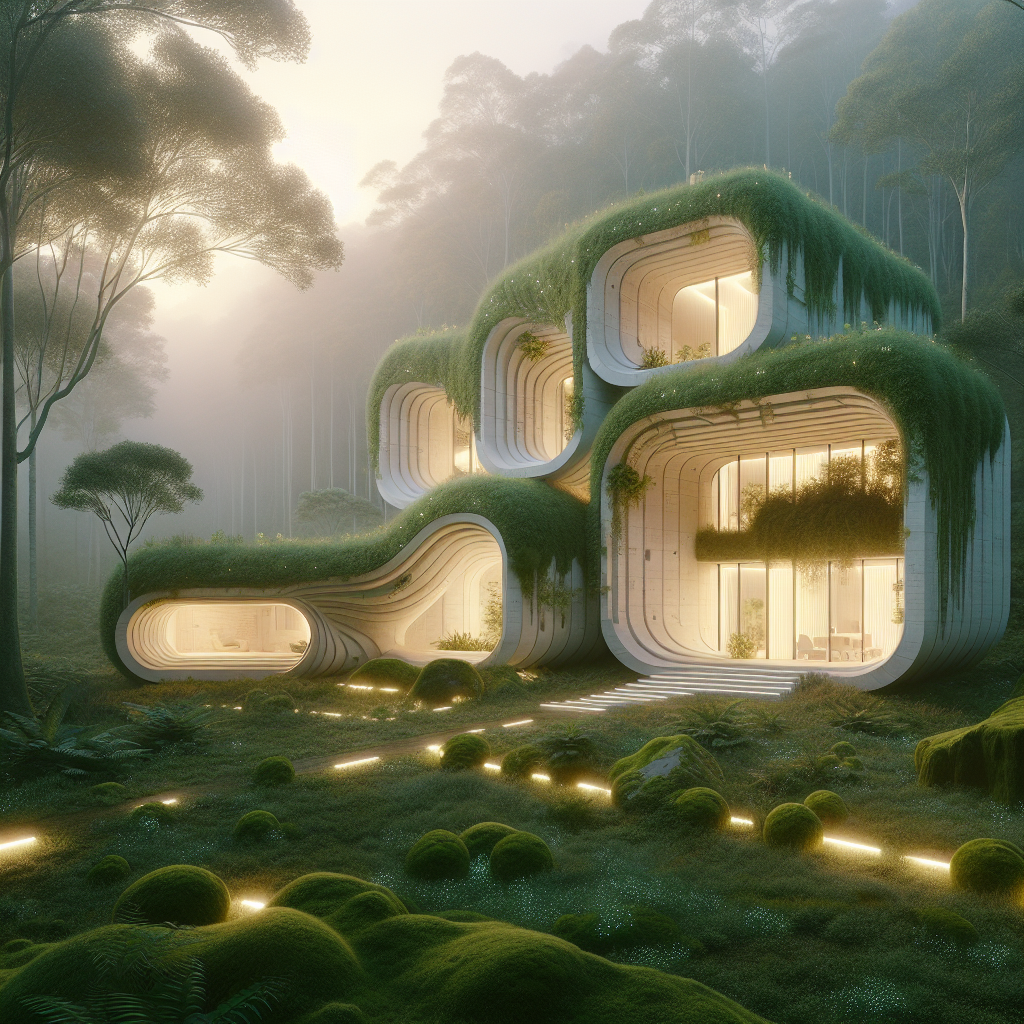
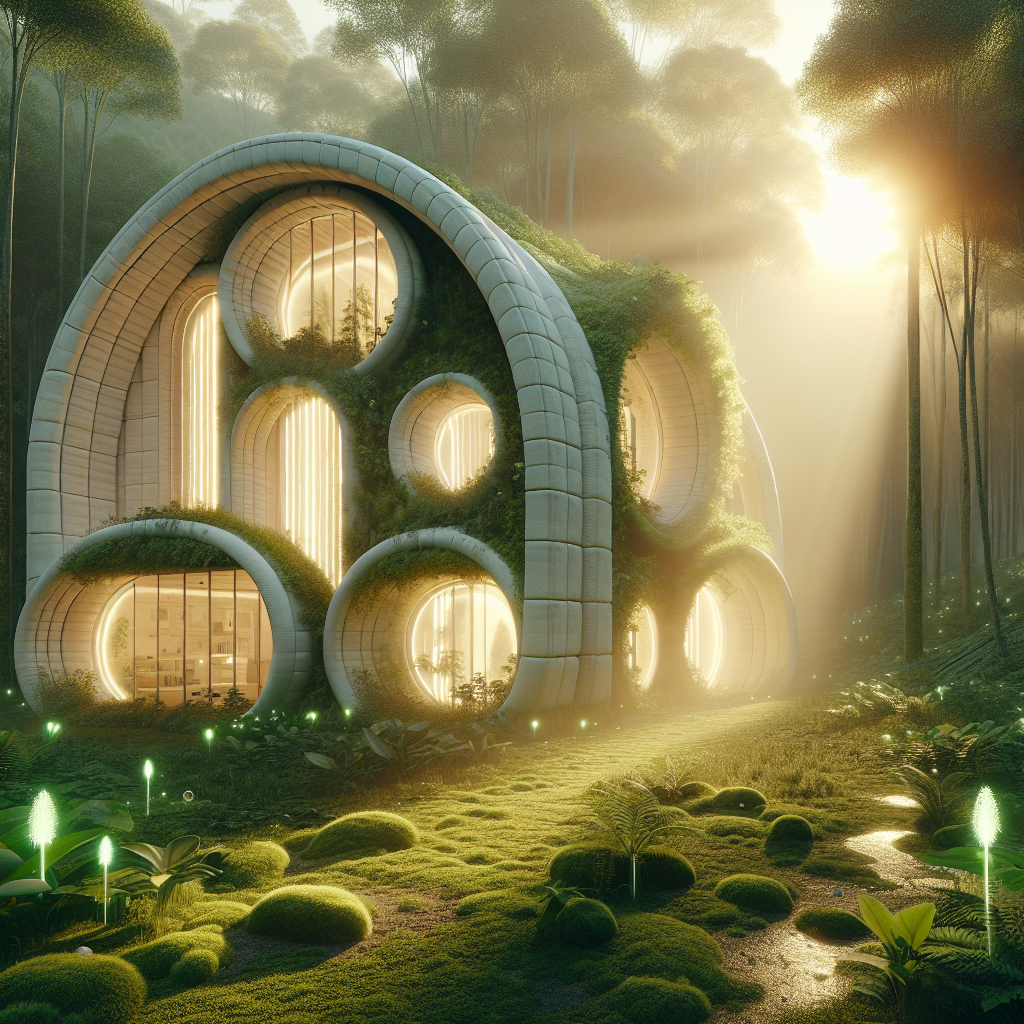
- Prompt: Photorealistic image of a futuristic eco-home built from mycelium bricks, surrounded by lush greenery, soft morning light, shot on a Hasselblad H6D. Alt text: Sustainable mycelium house blending with natural landscape. Caption: A prototype mycelium home demonstrates the harmony between architecture and ecology.
- Prompt: Interior of a minimalist living room with mycelium wall panels and organic furniture, natural daylight filtering through clerestory windows, Hasselblad 907X. Alt text: Mycelium interior panels in modern sustainable home. Caption: Inside a mycelium mansion—warm textures and natural acoustics redefine comfort.
- Prompt: Close-up macro shot of mycelium growth texture under laboratory lighting, showing fibrous organic patterns, Hasselblad X2D.
Alt text: Detailed texture of mycelium material used in architecture.
 ×
×❮ ❯