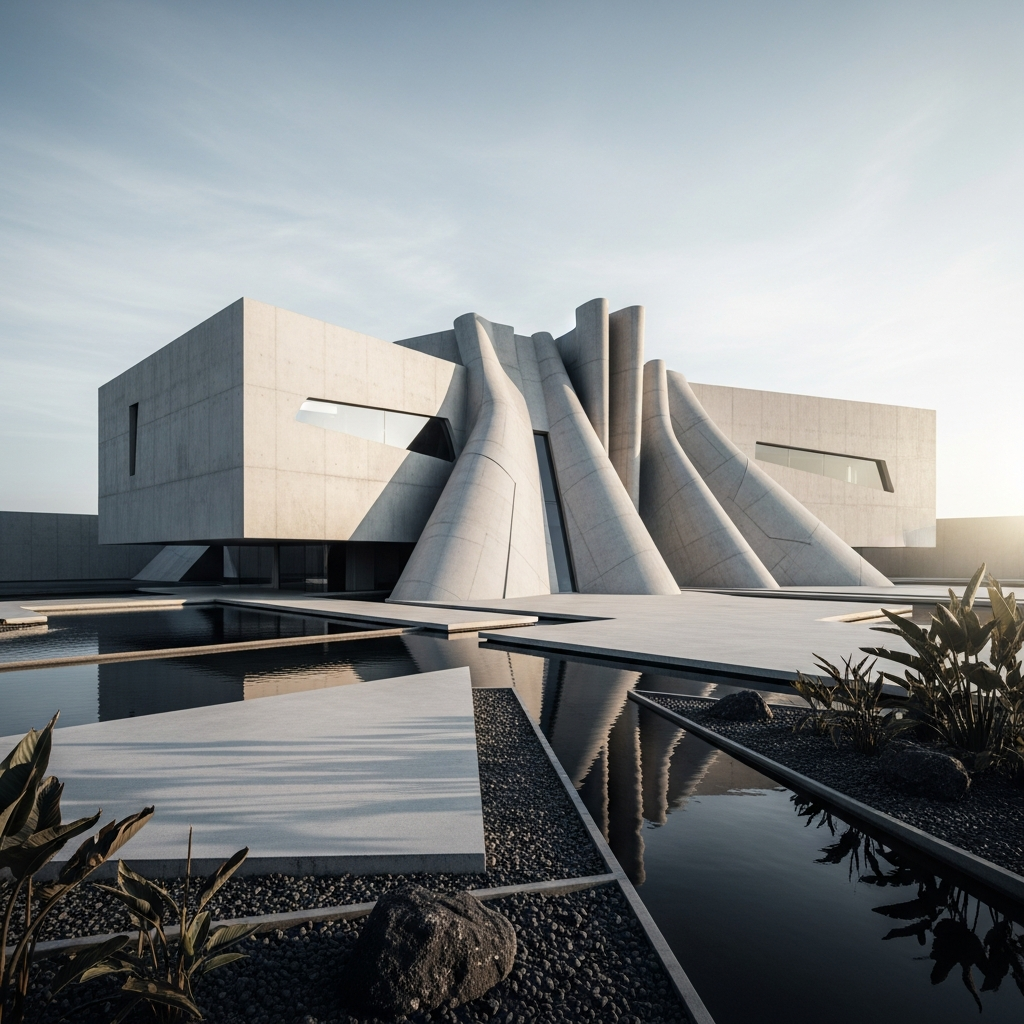

Monumental colonnade steel: columns clad in carbon fiber for lightness
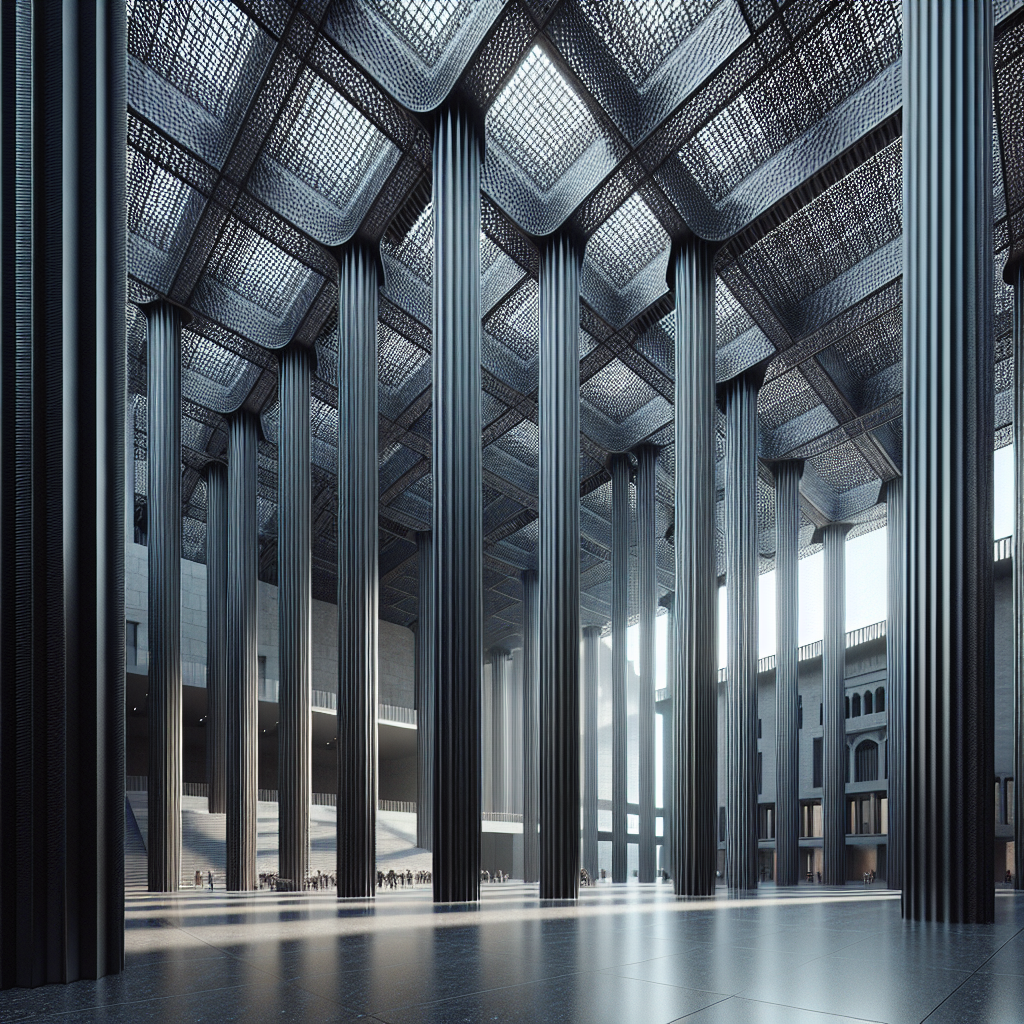
Monumental Colonnade Steel: Columns Clad in Carbon Fiber for Lightness
In the ever-evolving lexicon of architectural innovation, the monumental colonnade—once a symbol of permanence and gravity—has entered a new era of material reinvention. The classical column, long associated with the weight of empire and the endurance of stone, is being reimagined through the lens of carbon fiber technology. This synthesis of steel structure and carbon cladding is redefining how architects express monumentality in an age obsessed with lightness, sustainability, and precision engineering.
The Paradox of Monumentality and Lightness
Architecture has always wrestled with the paradox of weight: how to evoke grandeur without mass. The Parthenon’s marble colonnades and the Basilica of St. Peter’s colossal piers were feats of both engineering and symbolism, embodying power through density. Yet, in the 21st century, monumentality is no longer measured in tons but in technological sophistication. The rise of parametric design and composite materials has allowed architects to achieve structural daring once deemed impossible.
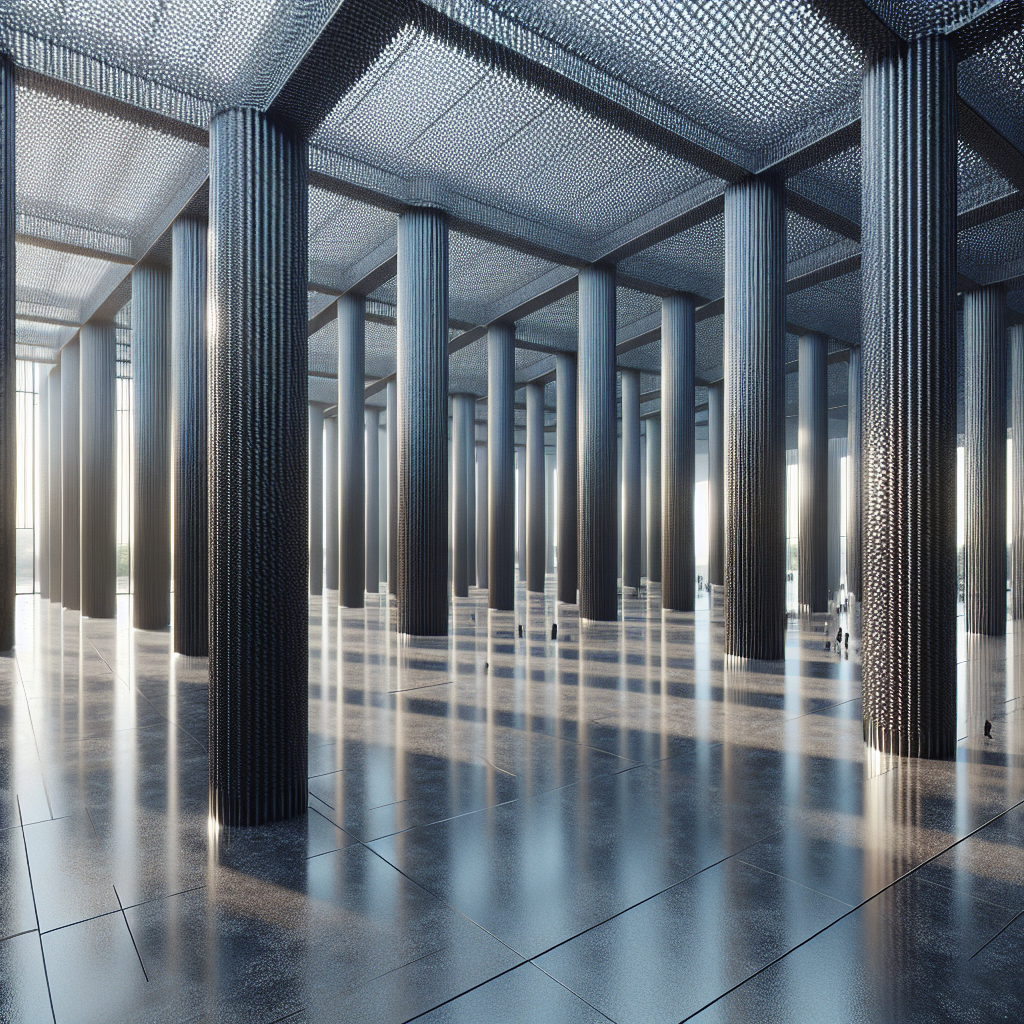
Carbon fiber, with its exceptional strength-to-weight ratio, has become the material of choice for this new architectural expression. When wrapped around steel cores, it transforms the traditional column into a hybrid structural element—visually monumental, yet physically featherlight. The result is a colonnade that appears to defy gravity, shimmering with the iridescent sheen of woven carbon filaments.
Carbon Fiber: The Material of Modern Monumentality
Originally developed for aerospace and automotive industries, carbon fiber has found its way into the architectural vocabulary due to its unparalleled tensile strength and resistance to corrosion. When used as a cladding material for steel columns, it offers both structural reinforcement and aesthetic distinction. The material’s micro-textured surface, often finished in matte black or graphite gray, introduces a tactile sophistication that feels both futuristic and elemental.
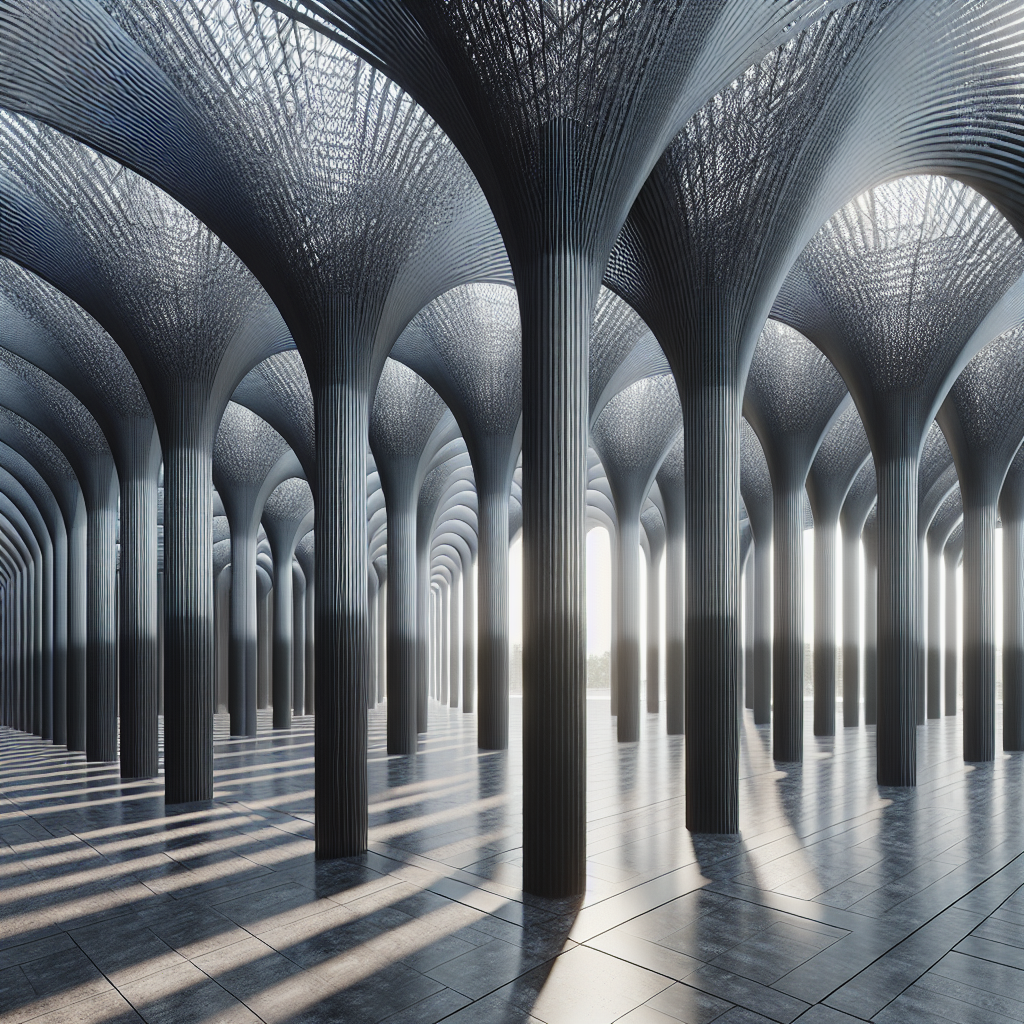
Unlike stone or concrete, carbon fiber allows for extreme slenderness without compromising stability. This property has inspired a new generation of architects to explore hyper-thin colonnades—rows of columns that seem to float rather than bear load. The visual language shifts from the solidity of Doric to the dynamism of tensile design, from compression to tension, from mass to motion.
Case Studies: Where Tradition Meets Technology
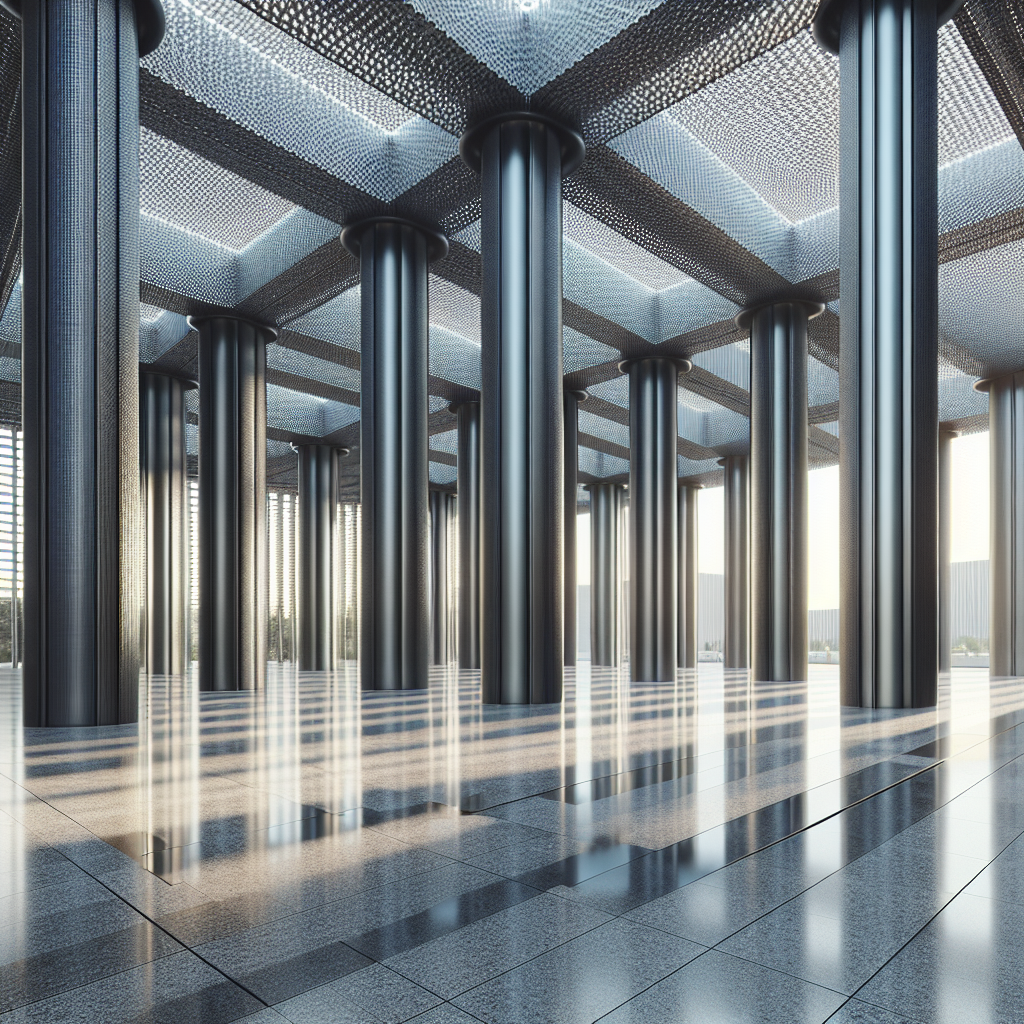
One of the most striking applications of carbon-clad steel columns can be seen in the atrium of a recent European cultural center, where the colonnade functions as both structure and sculpture. Each column—only 25 centimeters in diameter—supports a three-story glass canopy. The carbon fiber skin, braided in a diagonal weave, captures and refracts daylight, creating a play of shadows reminiscent of chromatic harmony explored in modernist color theory.
In Tokyo, a boutique office tower employs carbon-clad columns in its lobby to create a sense of weightless monumentality. The architect, inspired by the concept of “digital tectonics,” described the design as “a cathedral of precision.” The columns’ dark reflective surfaces contrast with the luminous terrazzo floor, amplifying the sensation of levitation. This dialogue between opacity and reflection mirrors the aesthetic explorations seen in reflective interior design trends worldwide.
Engineering the Future of the Colonnade
From an engineering standpoint, the marriage of steel and carbon fiber represents a material symbiosis. The steel core provides compressive strength, while the carbon fiber shell resists torsion and environmental stress. The composite system reduces overall weight by up to 60% compared to reinforced concrete, enabling longer spans and slimmer profiles. This efficiency translates into lower foundation loads and reduced material consumption—an essential advantage in the era of circular economy design.
Furthermore, carbon fiber’s resistance to corrosion and fatigue makes it ideal for coastal or high-humidity environments. Unlike steel, it does not oxidize; unlike concrete, it does not crack under thermal stress. Its longevity aligns with the growing architectural imperative for durability as sustainability. In many ways, carbon fiber represents the logical continuation of the quest for permanence that began with stone.
Aesthetics of the Carbon Colonnade
Visually, carbon fiber introduces a new form of architectural chiaroscuro. Its deep, light-absorbing surface contrasts dramatically with glass, marble, or brass, allowing designers to sculpt light with precision. When illuminated, the material reveals a subtle woven pattern—an artisanal texture born from industrial fabrication. This duality between craft and technology resonates with the ethos of contemporary design, where digital precision coexists with tactile authenticity.
In interior spaces, carbon-clad columns serve as both structural anchors and aesthetic statements. Their sleek verticality complements minimalist compositions, while their dark tonality adds gravitas. When juxtaposed with organic materials—such as timber or stone—they create a dialogue between the natural and the engineered, echoing the biophilic principles explored in biophilic design research.
From Symbol to System: Rethinking the Column
The column has always been more than a structural necessity; it is a cultural symbol. In ancient Greece, it represented order and proportion; in Rome, authority and empire. Today, the carbon-clad column embodies technological elegance—a monument not to power, but to intelligence. It speaks of lightness as a new form of strength, of innovation as the new tradition.
This shift parallels broader transformations in architectural philosophy. As cities pursue net-zero design goals, materials that combine performance with sustainability are becoming central to practice. Carbon fiber, despite its energy-intensive production, offers a long-term ecological advantage through durability and reduced maintenance. When paired with recyclable steel, it forms a composite system that can be disassembled and reused—an essential feature for adaptive architecture.
Beyond the Colonnade: The Future of Carbon Architecture
The use of carbon fiber in architecture is still in its infancy, but its trajectory mirrors that of steel in the 19th century and concrete in the 20th. As fabrication costs decrease and computational modeling advances, we can expect to see carbon composites integrated into façades, bridges, and even furniture. Experimental studios are already exploring carbon fiber’s potential in floating architecture and modular pavilions, where its lightweight nature reduces transportation and assembly challenges.
The aesthetic of the future may not be one of transparency or minimalism, but of engineered opacity—surfaces that conceal strength within their fibers, columns that express monumentality through restraint. The carbon-clad colonnade stands as a symbol of this evolution: a dialogue between past and future, mass and void, permanence and adaptability.
Conclusion: The New Grammar of Monumentality
In the lineage of architectural materials, carbon fiber occupies a unique position. It inherits the structural ambition of steel and the sculptural potential of stone, yet it transcends both through its lightness and precision. The monumental colonnade, reborn in carbon and steel, no longer asserts dominance through weight but through intelligence—through the mastery of material science and the poetry of proportion.
As architects continue to redefine what it means to build monumentally in an age of ecological awareness and digital fabrication, the carbon-clad column will remain a potent metaphor: a slender, shimmering testament to the enduring human desire to make the immaterial monumental.
Published on 01/05/2026