
Monochromatic Zen: The Power of Single-Color Spaces on the Brain
Monochromatic Zen: The Power of Single-Color Spaces on the Brain
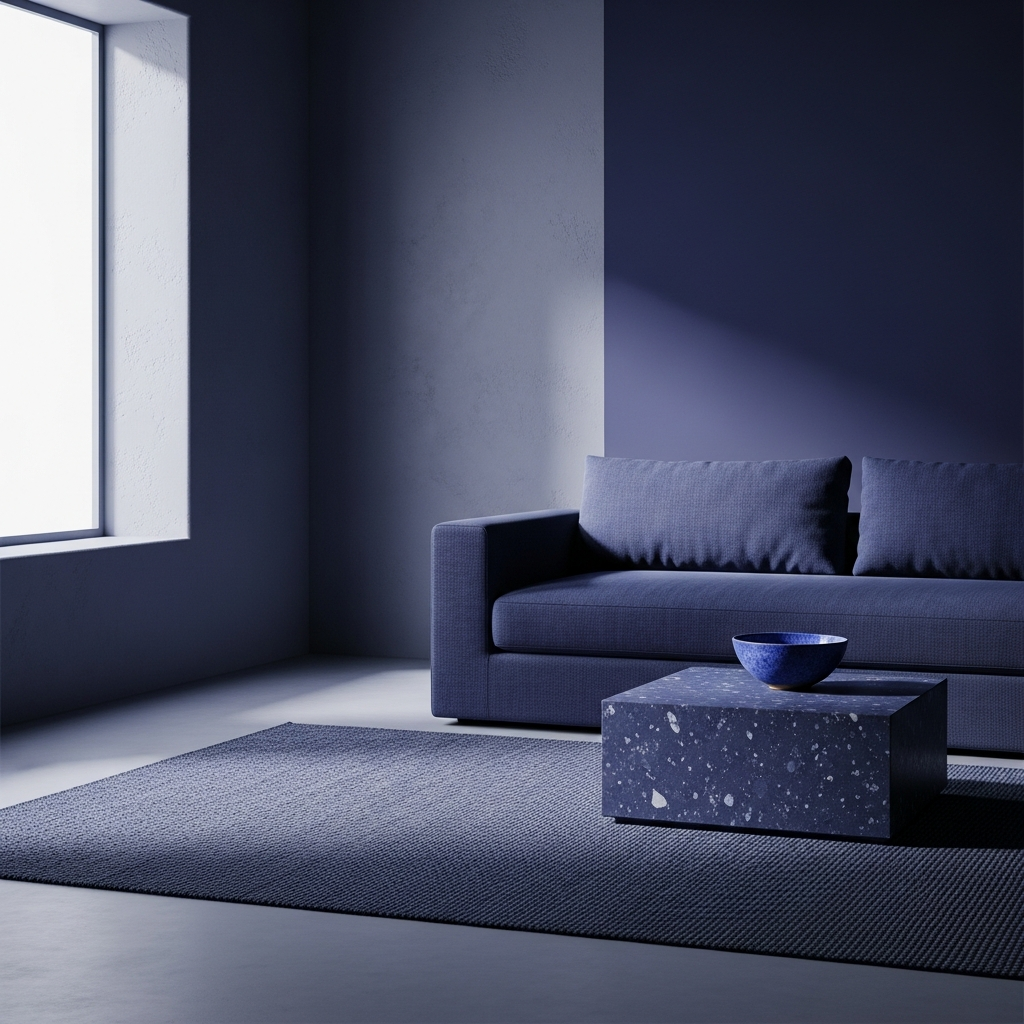
In an era where overstimulation defines much of our visual and digital experience, the allure of the monochromatic interior feels almost radical. These single-hue environments—whether bathed entirely in serene ivory, enveloped in moody indigo, or softened by warm clay tones—invite a profound recalibration of the senses. Beyond aesthetic minimalism, monochromatic design operates as a psychological tool, influencing cognition, emotion, and even physiological responses. The monochrome room is not merely a stylistic statement; it is a form of spatial therapy.
The Psychology of Color Immersion
When one steps into a single-color environment, the brain undergoes a subtle yet measurable shift. According to research from the American Psychological Association, color consistency reduces cognitive load, allowing the mind to focus inward rather than constantly adjusting to contrasting stimuli. This sensory uniformity can lower stress levels and improve focus—effects that mirror those of mindfulness practices.
Designers have long recognized the emotional resonance of color. The monochromatic palette amplifies this effect by creating a continuous emotional field. A pale blue space, for instance, can slow the heart rate and evoke calm, while a deep crimson environment may heighten alertness and passion. In Japan, the concept of shibui—the pursuit of subtle beauty—often manifests through tonal restraint, where variations of a single hue create quiet depth rather than visual noise.
From Bauhaus to Biophilia: The Evolution of Monochrome
The monochromatic approach is not new. The Bauhaus movement, as explored in our deep dive into Bauhaus principles, championed the purity of form and color as vehicles for clarity and function. Yet, today’s monochrome revival carries a different agenda—less about rational order, more about emotional equilibrium. In a world defined by constant connectivity, the single-color space offers sanctuary.
Interestingly, this aesthetic intersects with the philosophy of biophilic design. While biophilia often emphasizes natural diversity, monochromatic environments can evoke the same sense of harmony by mirroring the tonal unity found in nature—think of a foggy forest or a snow-covered field. Both settings quiet the mind through repetition and softness.
Monochrome as a Cognitive Filter
Architectural psychologists suggest that color uniformity functions as a cognitive filter. The Architectural Psychology Institute notes that spaces with reduced chromatic variation encourage occupants to engage more deeply with texture, light, and form. In such rooms, the eye becomes more attuned to shadow gradients, material tactility, and spatial rhythm. The absence of color contrast paradoxically heightens sensory awareness.
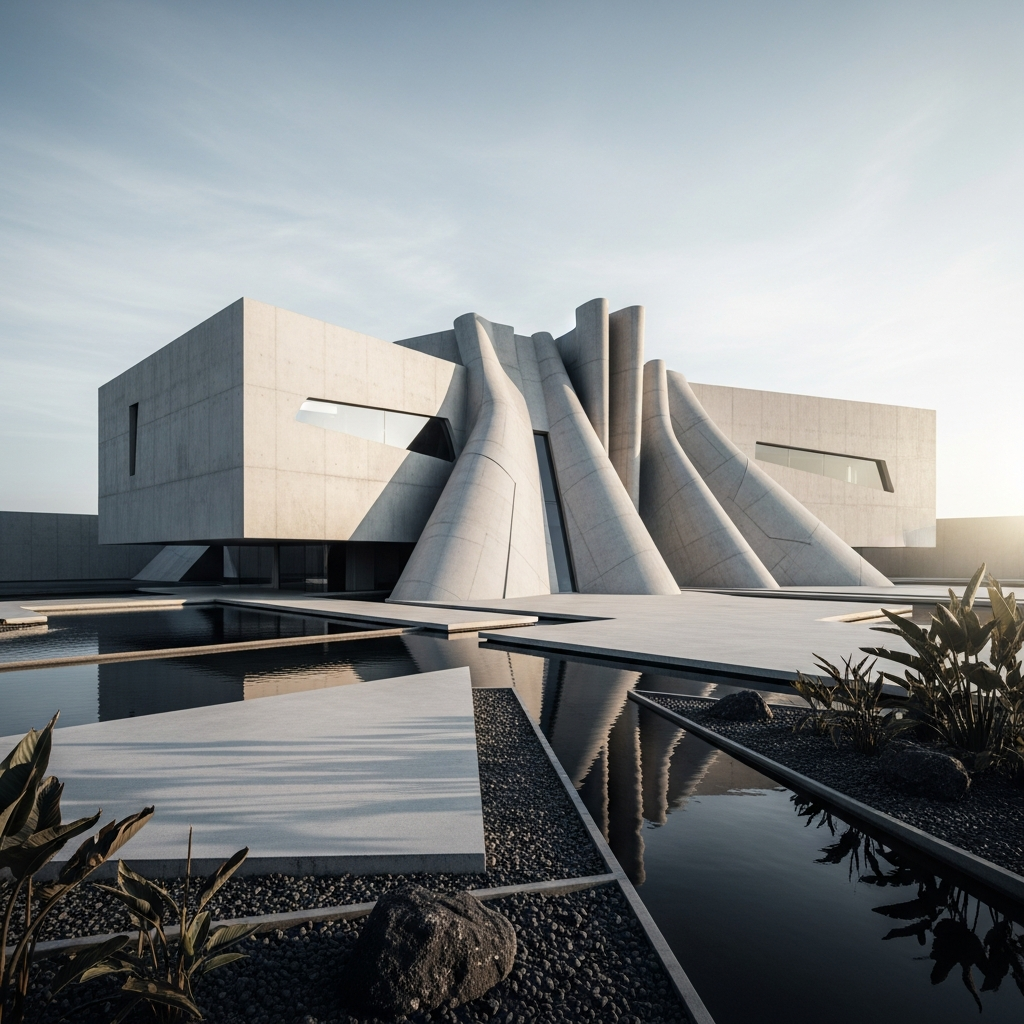
Consider the work of minimalist architects who employ monochrome not as absence but as amplification. A white-on-white interior, for example, reveals the subtlest play of daylight, transforming walls into living canvases. Similarly, black interiors—once associated with austerity—are now celebrated for their enveloping calm, as seen in the growing trend of charred timber architecture. These environments do not suppress emotion; they distill it.
The Neuroscience of Simplicity
Recent studies from the Frontiers in Psychology journal have linked visual simplicity to reduced amygdala activation—the brain region associated with anxiety and threat perception. In essence, the monochromatic environment acts as a neurological balm. It minimizes visual conflict, allowing the prefrontal cortex—the seat of decision-making and creativity—to function more freely.
This connection between simplicity and cognitive clarity explains why monochromatic design is increasingly used in wellness architecture. Meditation studios, spas, and even corporate mindfulness rooms now adopt tonal unity to promote focus and emotional balance. The effect is not unlike that of sensory deprivation chambers, but with warmth and tactility intact.
Material Matters: Texture as the New Ornament
In monochromatic design, texture becomes the protagonist. Without color contrast, materials must carry the emotional weight of the space. Matte plaster walls absorb light softly, velvet upholstery introduces depth, and brushed stone surfaces ground the environment with quiet gravity. The interplay of light and texture becomes a meditative choreography.
Designers experimenting with sustainable materials—such as those featured in reclaimed material projects—are finding that single-hue palettes highlight the intrinsic beauty of reused elements. A room rendered entirely in shades of reclaimed oak, for instance, feels both contemporary and timeless, its subtle tonal variations narrating the story of the material’s past life.
Monochrome in the Age of Digital Saturation
As digital environments grow increasingly saturated with color and motion, the physical home becomes a counterbalance. The monochromatic interior acts as a visual detox, a space where the eye can rest. This shift parallels the rise of “digital minimalism” in technology design, where clean interfaces and muted tones reduce mental fatigue.
Architects and interior designers are also leveraging monochrome to shape emotional flow. A gradient of a single hue—from dark at the base to light at the ceiling—can subtly guide perception of height and openness. Such chromatic gradients have been explored in experimental installations at design fairs from Milan to Tokyo, where visitors report sensations of floating or grounding depending on tonal direction.
Creating a Personal Monochrome Sanctuary
For those seeking to integrate monochromatic principles into daily life, the key lies in layering. Begin with a dominant hue that resonates emotionally—soft sage for tranquility, warm terracotta for comfort, or slate gray for focus. Then, build depth through texture and light modulation. Avoid pure uniformity; the goal is tonal harmony, not sterility.
Lighting plays a crucial role. Diffused, indirect illumination preserves the integrity of the hue, while dynamic lighting systems can shift the perceived temperature of a color throughout the day. The result is a living monochrome—responsive, evolving, and deeply human.
The Future of Colorless Calm
Monochromatic design represents more than a visual trend; it signals a cultural recalibration toward stillness. As cities grow louder and screens brighter, the single-color space becomes a refuge—a form of architectural mindfulness. It reminds us that simplicity, when executed with intention, can be profoundly luxurious.
In the end, monochromatic Zen is not about erasing color but about honoring its depth. It is the art of choosing one note and playing it with infinite nuance—a visual symphony of calm in a world that rarely pauses to breathe.
—{
"seo_title": "Monochromatic Zen and the Brain",
"meta_description": "Explore how monochromatic design influences the brain, enhancing calm, focus, and emotional balance through single-color spaces.",
"excerpt": "Could a single color transform your state of mind? Discover how monochromatic design shapes emotion, focus, and well-being in modern interiors.",
"focus_keyphrase": "monochromatic design"
}
AI Image Prompts
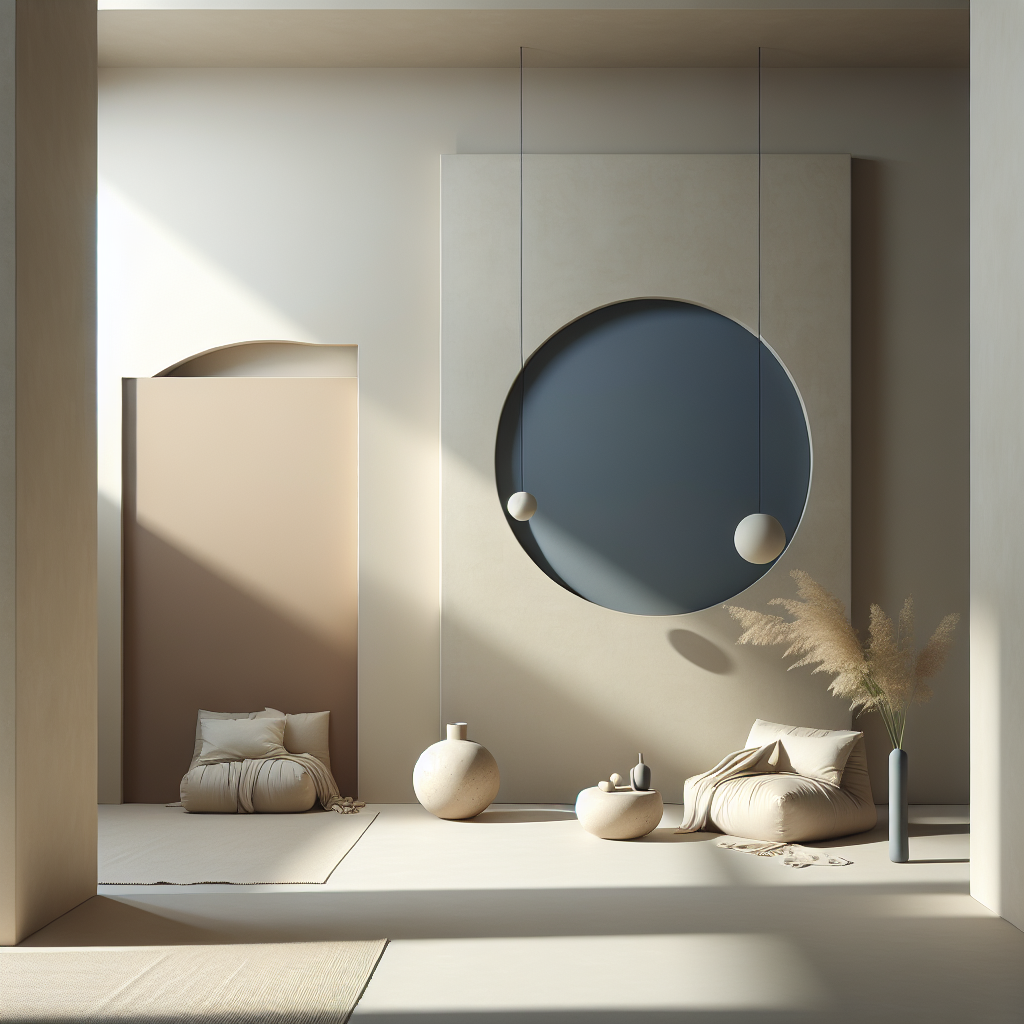
- Prompt: Photorealistic interior of a minimalist living room entirely in soft ivory tones, natural light filtering through sheer curtains, tactile textures on walls and fabrics, shot on a Hasselblad H6D.
Alt text: Minimalist ivory-toned living room bathed in natural light.
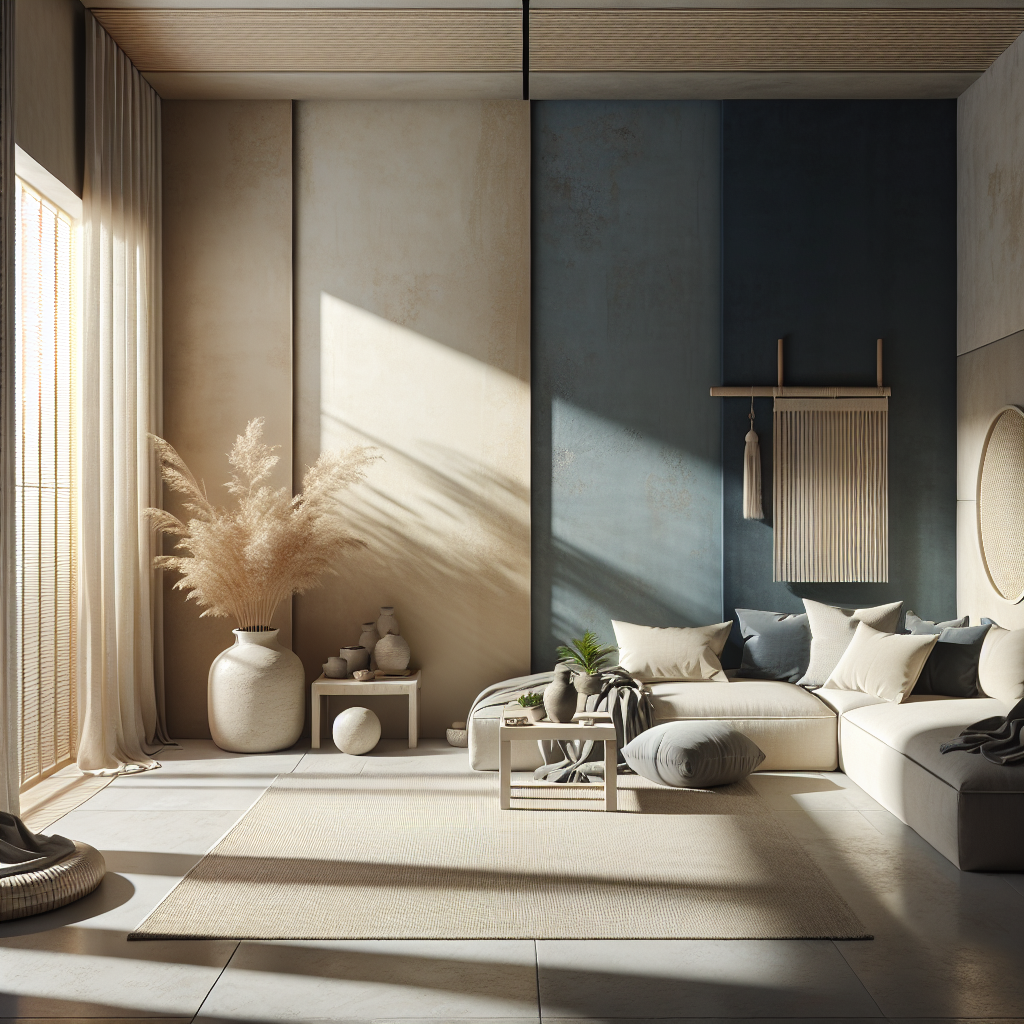
Caption: A serene ivory palette transforms this living space into a sanctuary of calm and clarity. - Prompt: Deep indigo meditation room with smooth plaster walls, a single low wooden bench, and subtle LED uplighting, photographed with a Hasselblad X2D 100C.
Alt text: Indigo meditation room with minimalist furnishings and soft lighting.
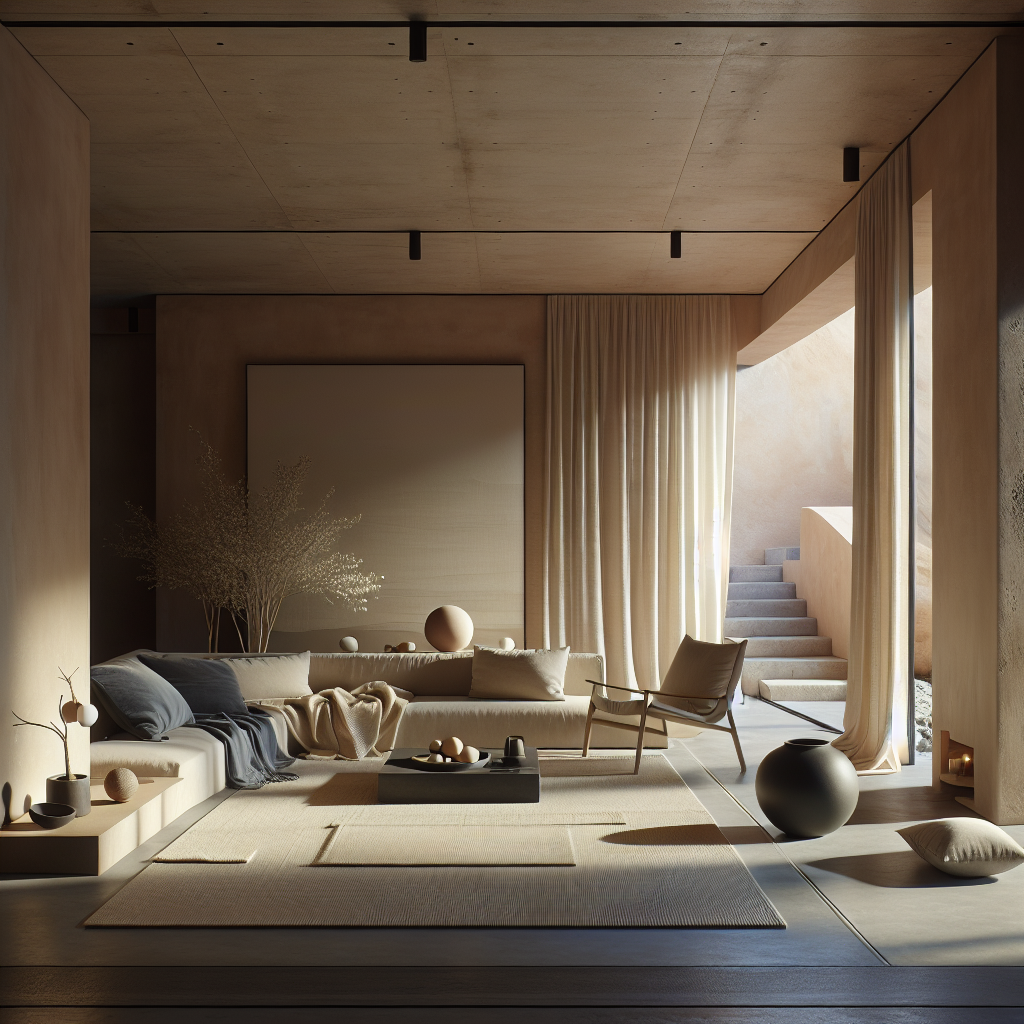
Caption: Immersive indigo tones create a contemplative atmosphere designed for introspection. - Prompt: Warm terracotta-toned kitchen with matte clay walls, handcrafted ceramics, and soft daylight, captured on a Hasselblad H6D for rich tonal depth.
Alt text: Terracotta kitchen interior emphasizing natural textures and warmth.
Caption: Earthy terracotta hues bring tactile warmth and emotional grounding to daily rituals. - Prompt: Monochromatic black bedroom with char
 ×
×❮ ❯