
Merging agrarian: heritage minimalist barn transformations
Merging Agrarian Heritage: Minimalist Barn Transformations Redefining Rural Architecture
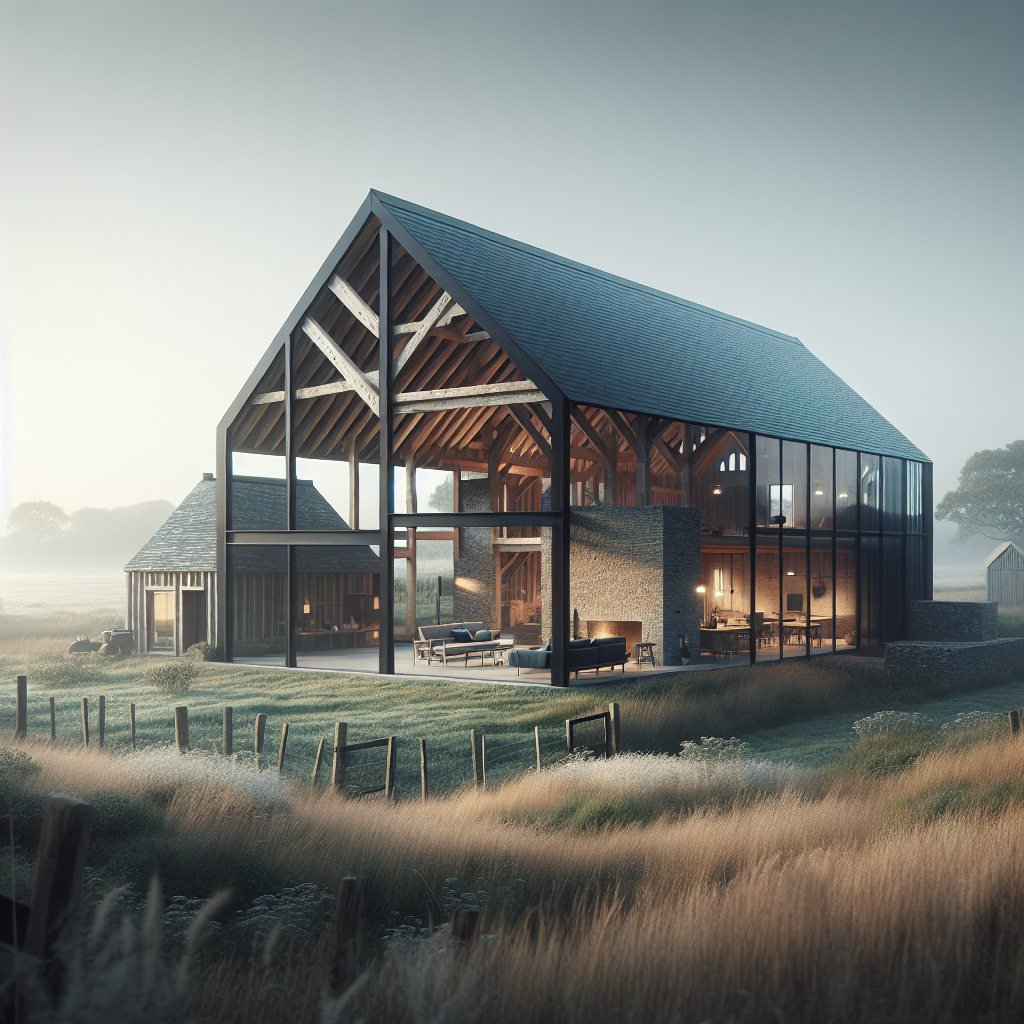
Across the rolling landscapes of Europe and North America, a quiet revolution is reshaping the rural vernacular. The once utilitarian agricultural barn—a symbol of agrarian heritage—is being reimagined through the lens of minimalist architecture. These barn transformations merge rustic authenticity with refined restraint, creating spaces that are at once grounded in history and elevated by contemporary design. The result is a compelling dialogue between past and present, where timber beams and steel frames coexist in perfect equilibrium.
The Allure of the Agrarian Archetype
Few architectural forms carry as much emotional resonance as the barn. Its silhouette—simple, geometric, and purposeful—embodies a timeless honesty. According to vernacular architecture scholars, barns represent one of the purest expressions of form following function. Their unadorned façades, exposed structures, and rhythmic repetition of bays have long inspired modernist architects, from Mies van der Rohe to Tadao Ando.
Today’s architects are revisiting these archetypes not as nostalgic gestures, but as frameworks for sustainable and adaptive reuse. The minimalist barn conversion movement is rooted in the belief that beauty lies in restraint and that heritage can be preserved through reinterpretation rather than replication. As seen in projects like Studio Farris Architects’ Belgian barn house or John Pawson’s Cotswolds retreat, the barn becomes a vessel for light, silence, and spatial purity.
Minimalism Meets Material Memory
At the heart of these transformations lies a profound respect for material authenticity. Weathered oak planks, limewashed stone, and hand-forged iron are not replaced but celebrated. The minimalist ethos—favoring clean lines, neutral palettes, and open volumes—serves to amplify the tactile richness of these aged materials. A patina of time becomes the primary ornament.
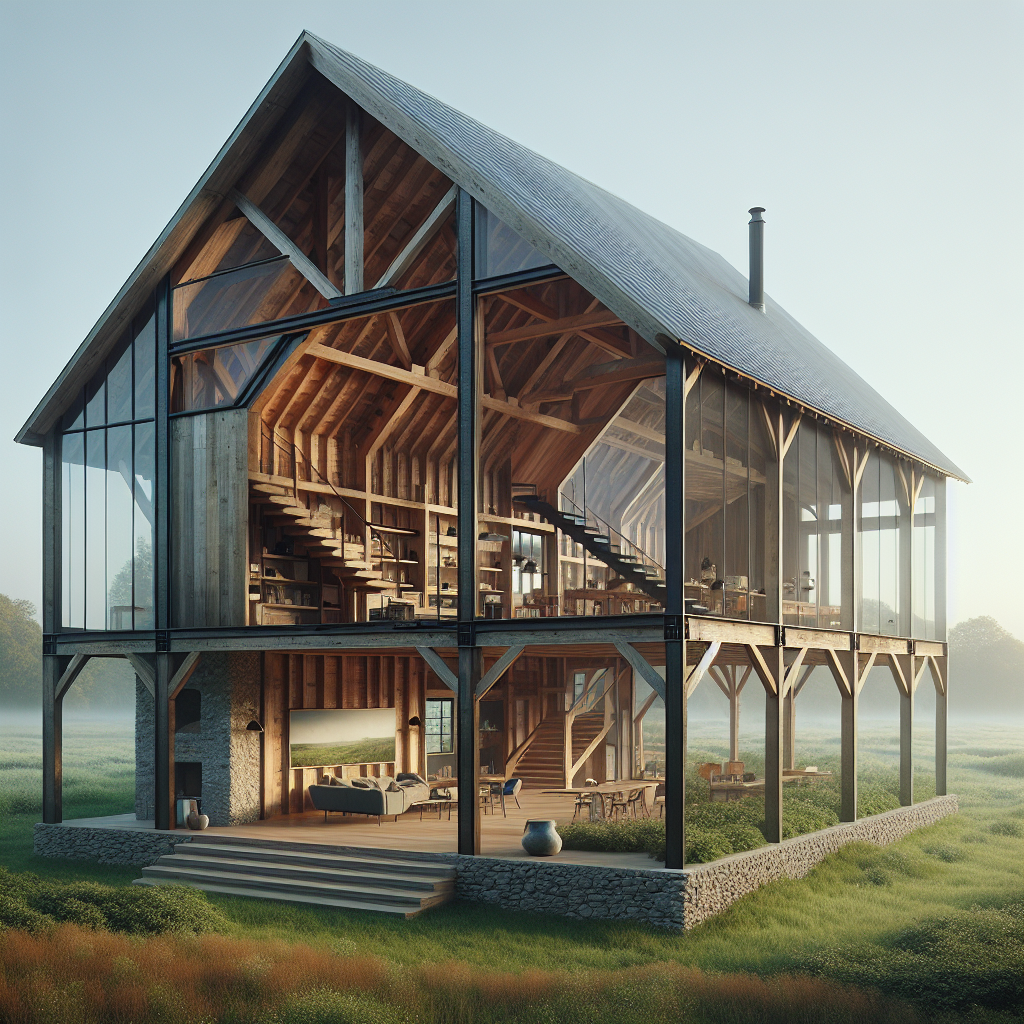
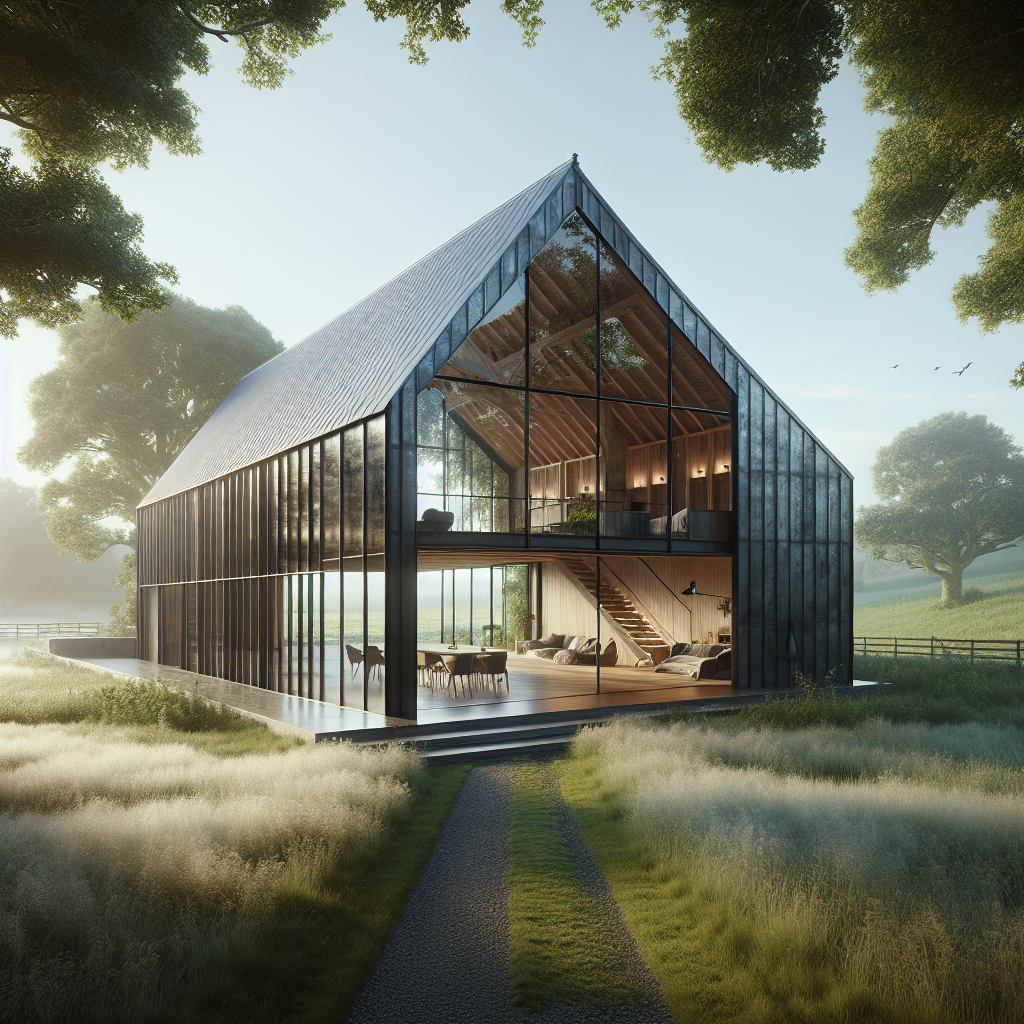
In a recent adaptive reuse project in Vermont, a 19th-century dairy barn was stripped to its timber skeleton, then enclosed in a skin of blackened steel and glass. The contrast between the raw wood and reflective metal created a chiaroscuro effect that shifts with the seasons. The design echoes the philosophy explored in wabi-sabi aesthetics, where imperfection and impermanence are integral to beauty.
Architectural minimalism here is not about erasure—it’s about distillation. Every beam, joint, and aperture is intentional. The voids between structural elements become as significant as the materials themselves, producing an atmosphere of contemplative calm reminiscent of monastic architecture.
Light as a Structural Element
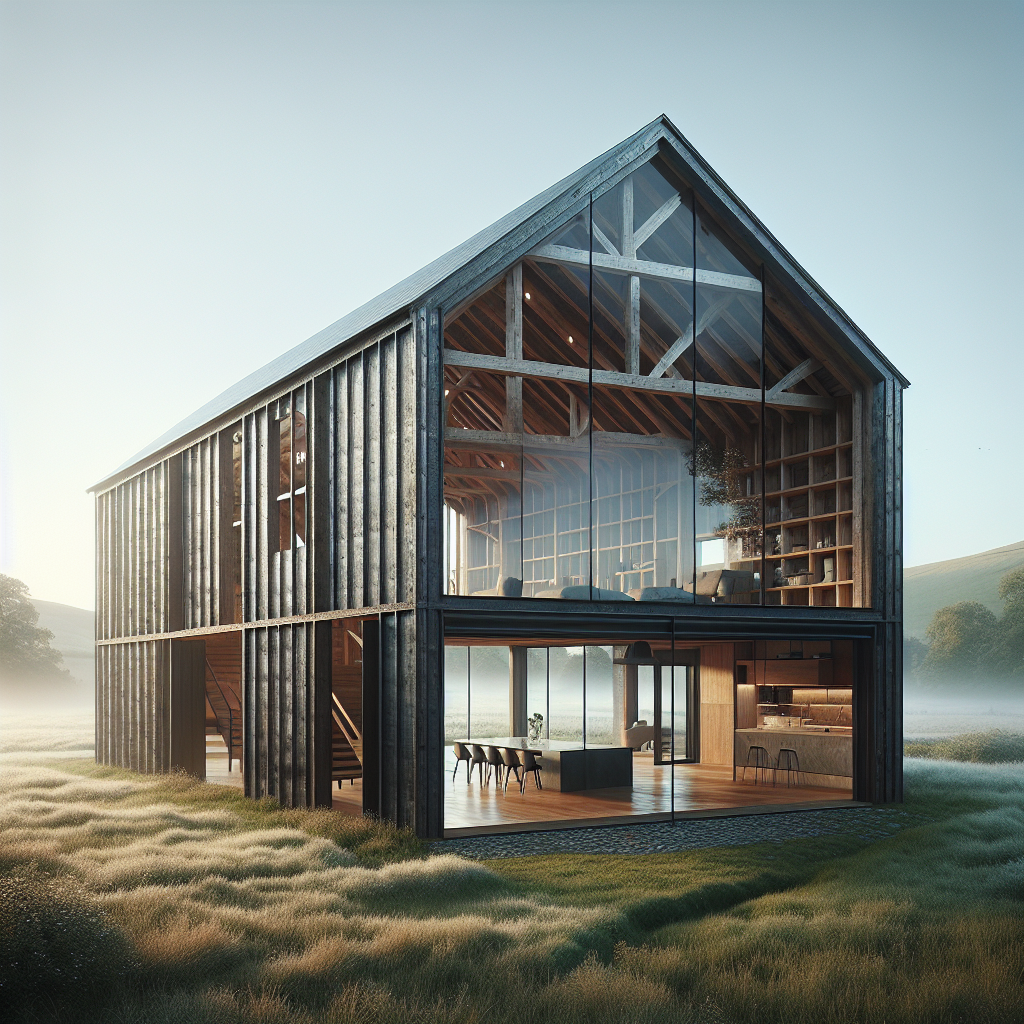
In many of these barn conversions, natural light becomes the defining material. Clerestory windows, skylights, and glazed gables reinterpret the barn’s traditional ventilation openings, flooding interiors with diffuse illumination. The interplay of light and shadow transforms these once utilitarian enclosures into serene sanctuaries.
Architects are increasingly drawing inspiration from techniques used in clerestory window design, allowing daylight to articulate the rhythm of timber trusses and masonry walls. The effect is cinematic—morning light grazing rough-hewn beams, dusk reflecting off polished concrete floors. This choreography of light reinforces the minimalist principle that space is defined not by objects, but by the voids between them.
Sustainability Through Adaptive Reuse
Beyond aesthetics, barn transformations embody a deeply sustainable ethos. By repurposing existing structures, architects reduce the carbon footprint associated with new construction. The adaptive reuse model aligns with the growing movement toward circular design and resource efficiency. According to the World Green Building Council, adaptive reuse can cut embodied carbon emissions by up to 50% compared to demolition and rebuild strategies.
Many projects integrate passive design principles—thick masonry walls for thermal mass, operable shutters for natural ventilation, and locally sourced materials for reduced transport impact. These strategies echo the philosophies discussed in zero-waste architecture, where longevity and adaptability define sustainability.
Some architects are even incorporating biophilic design principles, merging the agrarian landscape with interior life. Glazed barn doors open onto meadows, while interior courtyards blur the line between built and natural environments. The result is a living architecture that breathes with its surroundings.
Case Studies: Rural Icons Reimagined
1. The Dutch Barn House by Studio Farris Architects
Located in Flanders, this project reinterprets the traditional barn through a minimalist lens. The architects retained the gabled form but introduced a sculptural wooden lattice façade that filters light like a modern cloister. Inside, the open-plan layout is anchored by a central hearth—a contemporary nod to the communal warmth of agrarian life.
2. The Hudson Valley Retreat by Messana O’Rorke
A 19th-century barn was transformed into a minimalist retreat using reclaimed timber and poured concrete. The architects maintained the original post-and-beam structure, allowing it to dictate the rhythm of the new interior. The result is a seamless fusion of rustic texture and modern precision.
3. The Cotswolds Barn by John Pawson
Perhaps the most iconic example of minimalist barn transformation, Pawson’s project distills rural architecture to its essence. Every surface—stone, oak, and lime plaster—is treated with monastic restraint. The architecture achieves a spiritual clarity, a kind of architectural silence that invites introspection.
Technology and Tradition in Dialogue
While these projects celebrate heritage, they also embrace innovation. Digital modeling and laser scanning allow architects to document and preserve historic structures with unprecedented accuracy. Parametric tools help optimize daylight penetration and thermal performance without compromising authenticity. This synergy between craft and computation mirrors the evolution of design seen in digital fabrication practices, where technology enhances rather than replaces human craftsmanship.
Moreover, the integration of smart home systems—subtle underfloor heating, concealed lighting, and responsive shading—demonstrates how technology can coexist with minimalism. The barn, once a symbol of manual labor, now becomes a model for intelligent living.
The Cultural Resonance of Rural Minimalism
Beyond design, these transformations carry cultural significance. They reflect a broader societal yearning for authenticity, simplicity, and connection to place. In an era dominated by digital overstimulation, the minimalist barn offers a counterpoint—a space of stillness rooted in the tactile and the real.
Architectural theorists have drawn parallels between this movement and the slow design philosophy, which values process, locality, and longevity over speed and novelty. The barn, once a workhorse of rural economies, becomes a metaphor for sustainable living and mindful design.
Future Directions: The New Rural Modernism
As urban professionals seek refuge in the countryside, the demand for adaptive rural architecture continues to grow. Architects are exploring hybrid typologies—barns that function as artist studios, co-living spaces, or boutique hotels—each maintaining the integrity of the original structure while adapting to contemporary needs.
This emerging rural modernism signals a shift in architectural values. It’s not about imposing modernity on the landscape, but about allowing the landscape to inform modernity. The minimalist barn, with its quiet power and timeless geometry, stands as a testament to this balance—a bridge between the agrarian past and a sustainable, design-conscious future.
In the end, these agrarian heritage transformations remind us that architecture’s most profound beauty often lies in what is preserved, not what is added. The barn, reborn through minimalism, becomes more than a building—it becomes a meditation on continuity, craftsmanship, and the enduring dialogue between nature and design.
Keywords: minimalist barn transformation, agrarian heritage architecture, adaptive reuse, rural modernism, sustainable design, vernacular architecture, barn conversion, biophilic design, circular economy architecture