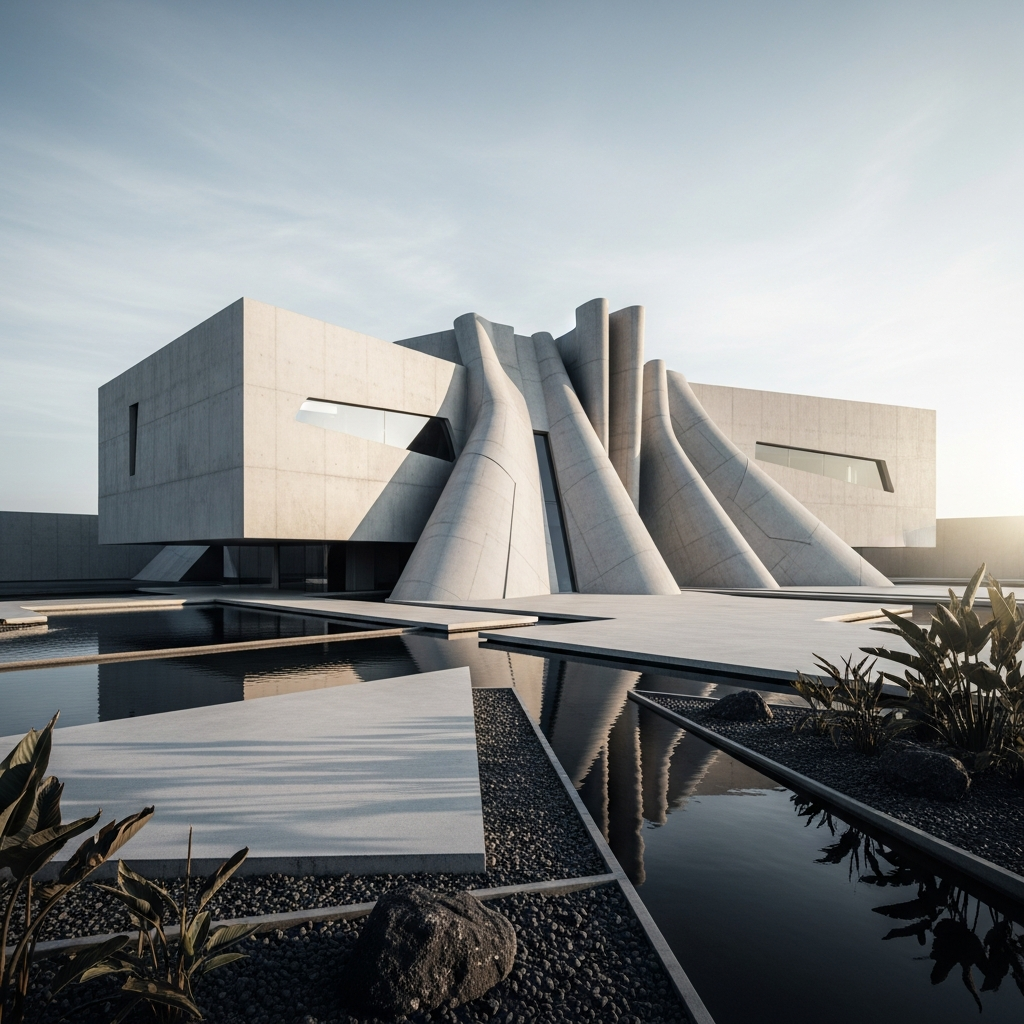

Marshland minimalism: amphibious designs protecting wetlands
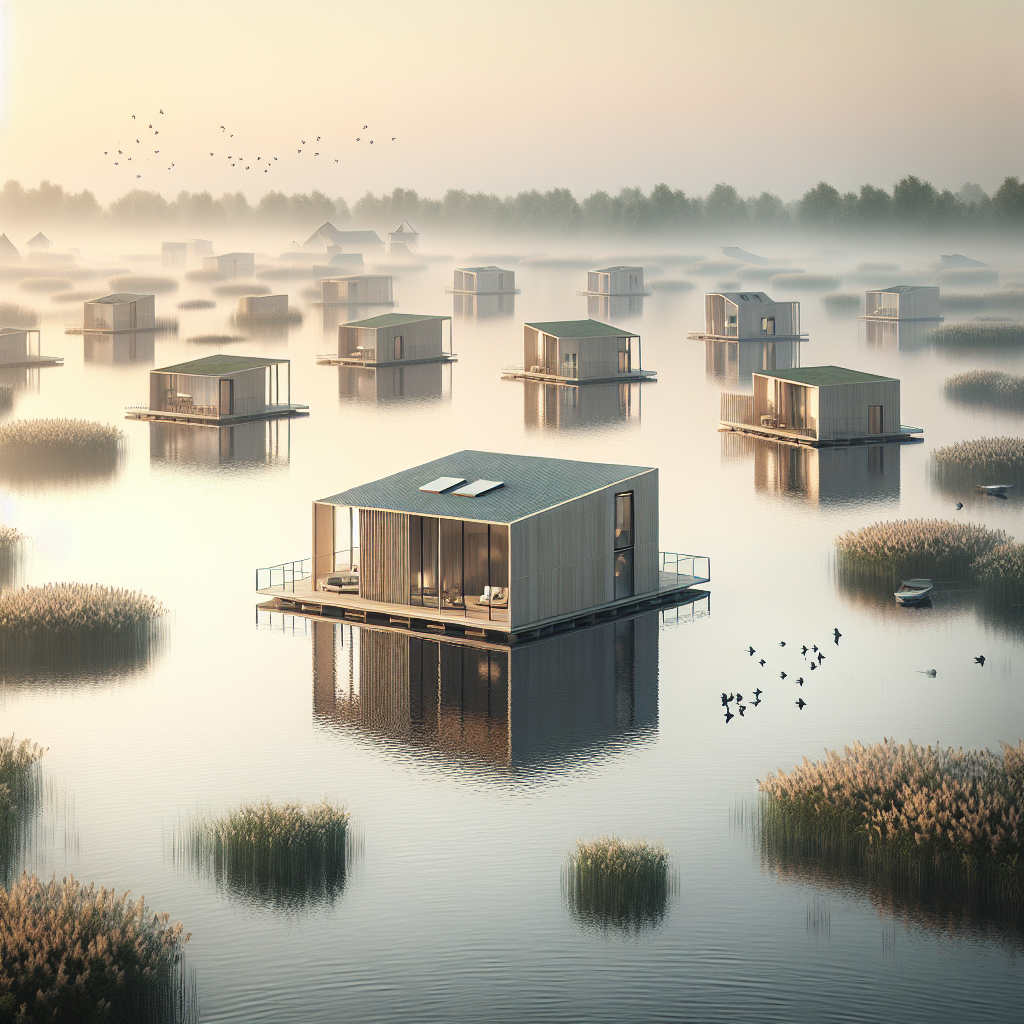
Marshland Minimalism: Amphibious Designs Protecting Wetlands
Across the globe, architects are reimagining the delicate relationship between built environments and aquatic ecosystems. As rising sea levels and extreme weather events reshape coastlines, a new design philosophy—marshland minimalism—is emerging. This approach merges the restraint of minimalist architecture with the fluid adaptability of amphibious design, offering a blueprint for sustainable living that protects, rather than displaces, fragile wetlands.
The Rise of Amphibious Architecture
Wetlands are among the planet’s most productive ecosystems, acting as natural water filters, carbon sinks, and buffers against floods. Yet, according to the Ramsar Convention, over 35% of the world’s wetlands have disappeared since 1970. Architects and urban planners are now responding with amphibious structures—buildings that can float, rise, or adapt with changing water levels. This innovation extends beyond resilience; it’s a statement of coexistence.
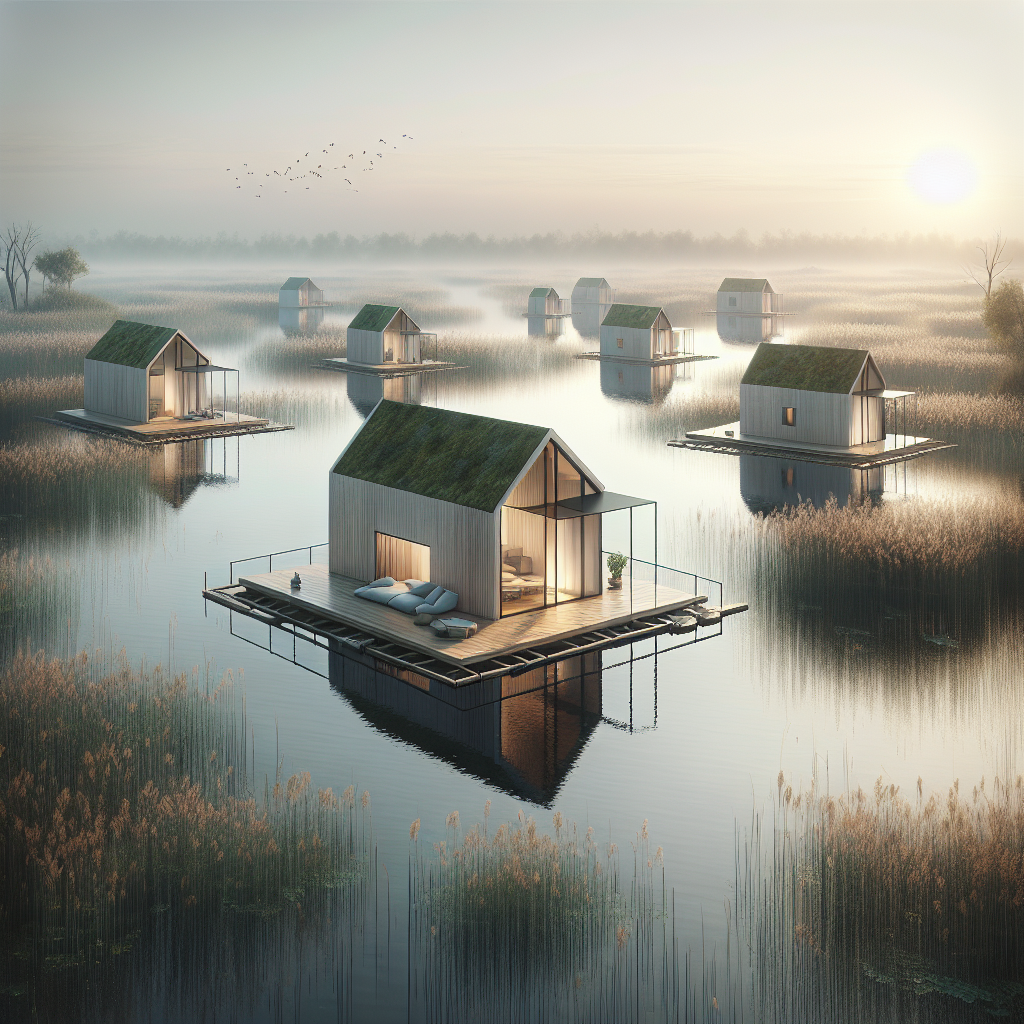
Amphibious architecture differs from conventional flood-resistant design. Instead of resisting water, it embraces it. Foundations are engineered to rest lightly on the land, often using buoyant platforms or flexible anchoring systems that allow structures to lift during floods and settle back as waters recede. This symbiotic relationship between architecture and environment has given rise to projects that blur the boundary between land and water, permanence and impermanence.
Minimalism Meets Ecology
Minimalism has long been associated with clarity, simplicity, and reduction. In the context of marshland architecture, it becomes a tool for environmental sensitivity. The stripped-back aesthetic—clean lines, muted palettes, and restrained materiality—mirrors the serenity of wetland landscapes. Yet, beneath this calm exterior lies a sophisticated ecological intelligence.
Designers are increasingly using locally sourced, low-impact materials such as bamboo, reclaimed timber, and recycled steel. In some cases, bio-based composites derived from reeds or algae are integrated into façades, echoing the surrounding flora. The result is architecture that feels rooted in place, both visually and ecologically. This ethos resonates with the growing movement toward biophilic design, which emphasizes human connection to nature through spatial and material harmony.
Case Studies: Floating Futures
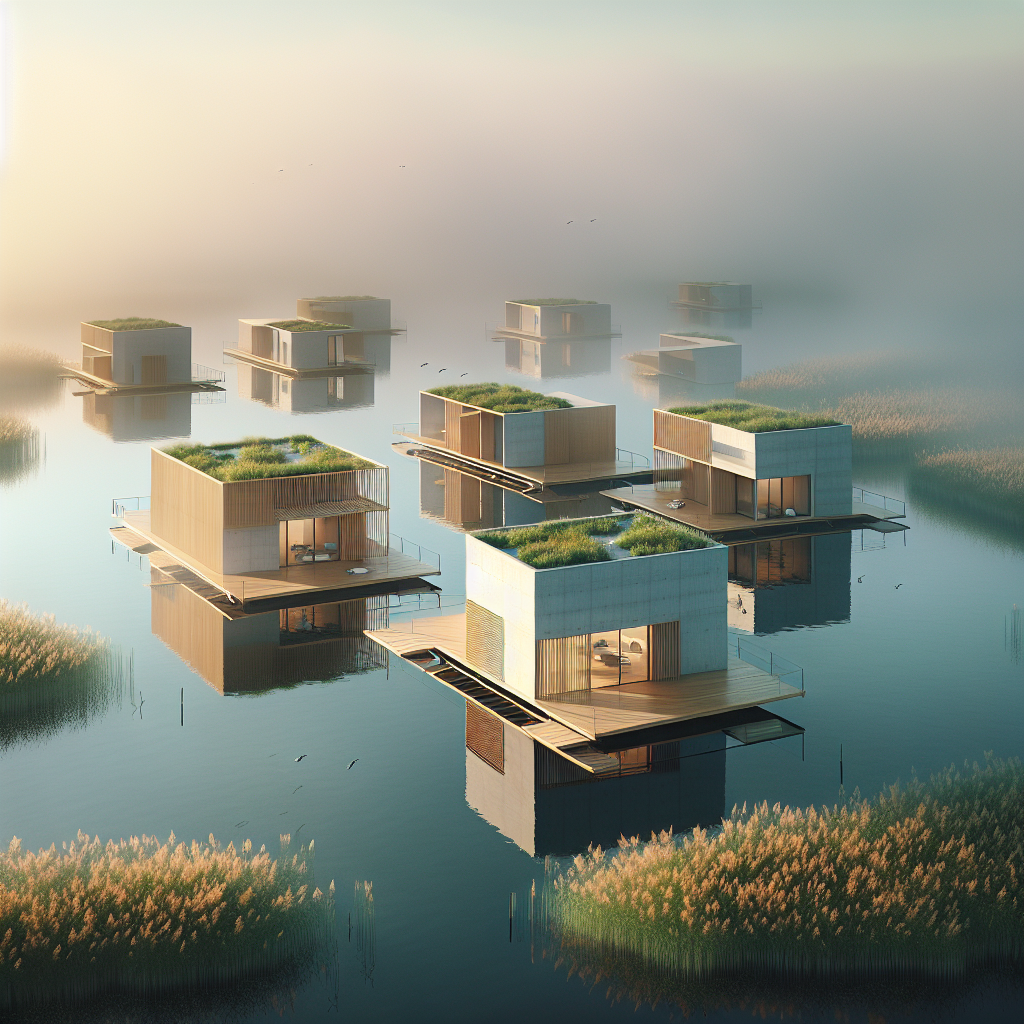
In the Netherlands, where over a quarter of the land lies below sea level, amphibious housing has evolved from necessity to artistry. The Maasbommel Floating Houses by Factor Architecten exemplify this evolution. Resting on hollow concrete pontoons, these homes rise gently with the water during floods, maintaining stability through vertical guideposts. Their minimalist geometry—flat roofs, pale timber cladding, and panoramic glazing—creates a serene dialogue with the rippling landscape.
In Southeast Asia, where monsoon cycles define life, local architects are adapting traditional stilt-house typologies into contemporary amphibious forms. In Vietnam’s Mekong Delta, the Floating Bamboo School by H&P Architects employs interlocking bamboo frames and recycled oil drums for buoyancy. The structure’s modularity allows it to be replicated across flood-prone regions, demonstrating how vernacular intelligence can inform modern sustainability.
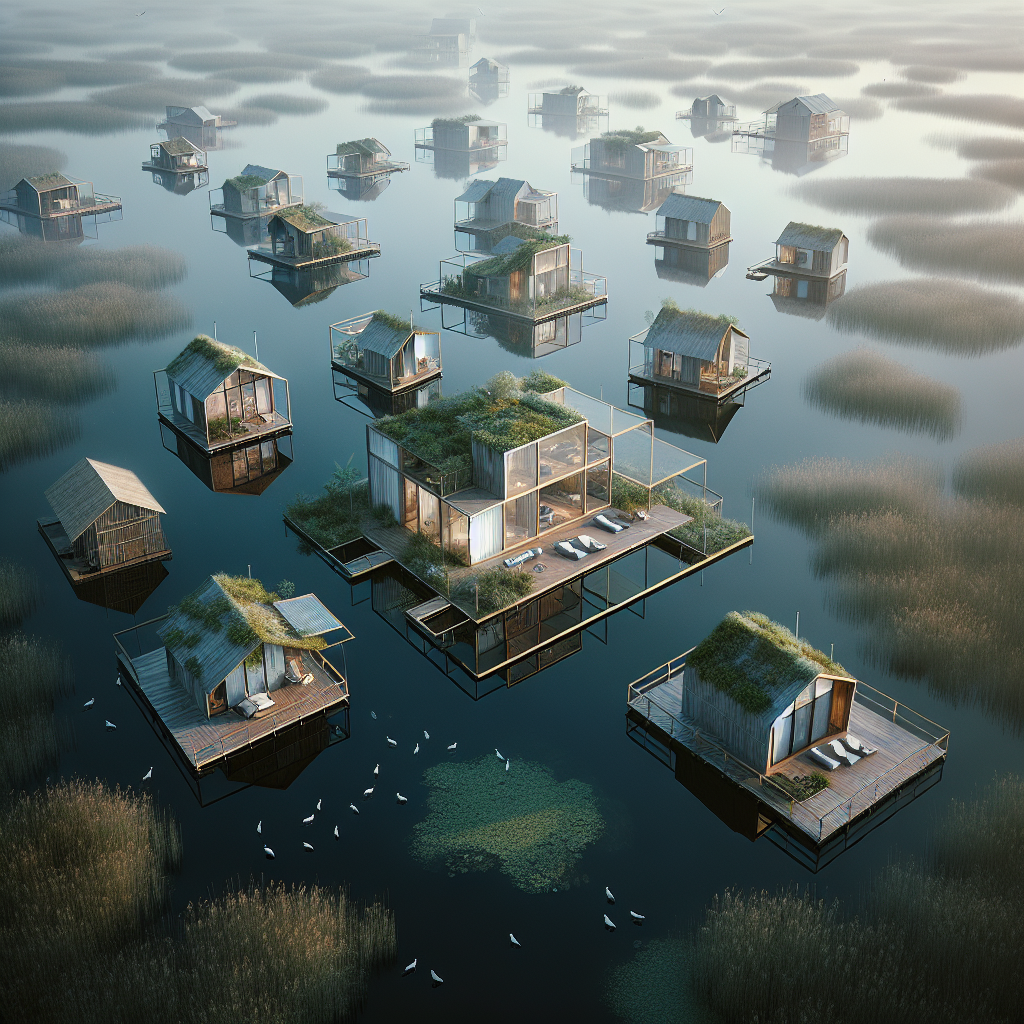
Similarly, in Louisiana’s Atchafalaya Basin, a research initiative led by Louisiana State University explores amphibious prototypes that protect both human habitation and wetland biodiversity. These experimental dwellings use flexible mooring systems and rainwater harvesting roofs, integrating living with hydrological cycles rather than fighting them. Such designs echo the adaptive spirit seen in floating architecture projects worldwide, from Bangkok to Rotterdam.
Material Innovation and Ecological Integration
Material experimentation lies at the heart of marshland minimalism. Architects are turning to innovations that balance durability with biodegradability. For instance, cross-laminated timber (CLT) and laminated bamboo panels offer structural strength while maintaining a low carbon footprint. Some projects incorporate biodegradable architecture principles, allowing components to decompose harmlessly at the end of their lifecycle.
Advances in biomimicry have also inspired designs that replicate natural wetland systems. Permeable façades mimic mangrove roots, filtering water and providing habitats for aquatic species. Roof gardens and vertical wetlands act as living filters, improving air quality and biodiversity. The interplay of light and shadow across these organic surfaces creates interiors that shift with the rhythm of the environment—an architectural choreography that feels alive.
Designing for Coexistence
Beyond aesthetics and technology, marshland minimalism represents a philosophical shift. It challenges the anthropocentric notion of architecture as dominion over nature. Instead, it proposes a model of mutual adaptation. In this paradigm, the building becomes an organism—responsive, porous, and transient.
Interiors in amphibious structures often mirror this ethos. Spaces are open and flexible, designed to accommodate seasonal changes. Natural ventilation replaces mechanical systems, while elevated decks and floating walkways blur indoor-outdoor boundaries. Textures are tactile yet understated: brushed concrete floors, untreated wood beams, and woven reed panels evoke the tactile calm of the landscape. This approach aligns with the contemplative restraint found in minimalist interior design, yet its purpose extends beyond visual purity—it’s about fostering awareness of one’s ecological footprint.
Urban Wetlands and the Future of Resilient Cities
As urbanization encroaches on natural habitats, integrating wetlands into city planning is becoming essential. Urban wetlands not only mitigate flooding but also provide cooling effects and recreational spaces. Cities like Singapore and Copenhagen are pioneering “blue-green infrastructure,” where water systems and vegetation are woven into the urban fabric. Amphibious pavilions, floating parks, and adaptive waterfront housing are redefining how cities coexist with their aquatic surroundings.
In this context, marshland minimalism serves as both a design language and a resilience strategy. It encourages architects to think in gradients rather than boundaries—to design for fluctuation, not fixity. This mindset is echoed in the emerging discipline of resilient urbanism, which prioritizes adaptability in the face of climate uncertainty.
Ethics, Aesthetics, and the New Frontier
What distinguishes marshland minimalism from other sustainable movements is its quiet radicalism. It doesn’t rely on spectacle or futuristic forms but on restraint, humility, and contextual intelligence. Its beauty lies in subtlety—the reflection of a timber façade in still water, the gentle rise of a floating platform at dawn, the seamless blending of architecture and ecology.
As the climate crisis intensifies, the role of design is evolving from problem-solving to stewardship. Architects are no longer merely shaping skylines; they are shaping relationships—between humans, materials, and ecosystems. The amphibious home, the floating research station, the tidal pavilion: these are not utopian fantasies but tangible prototypes of a more balanced future.
In many ways, marshland minimalism is the architectural embodiment of a broader cultural shift toward symbiosis. It asks us to reconsider what permanence means in an age of flux. It reminds us that resilience can be graceful, and that minimalism, when rooted in ecology, can be profoundly generous.
Conclusion: Designing with the Tide
Marshland minimalism is more than a trend—it’s a manifesto for coexistence. By merging the clarity of minimalism with the adaptability of amphibious design, architects are crafting spaces that protect wetlands while redefining the aesthetics of sustainability. These designs are not just built on water; they are built on respect—for the land, the tide, and the delicate equilibrium that sustains life.
As we navigate an era of environmental volatility, the future of architecture may well depend on our ability to design with, rather than against, nature’s rhythms. In the stillness of a floating home or the quiet reflection of a marshland pavilion, we glimpse a new architectural ideal: one that rises and falls with the world it seeks to preserve.