
Magnetic levitation décor: floating shelves powered by hidden magnets
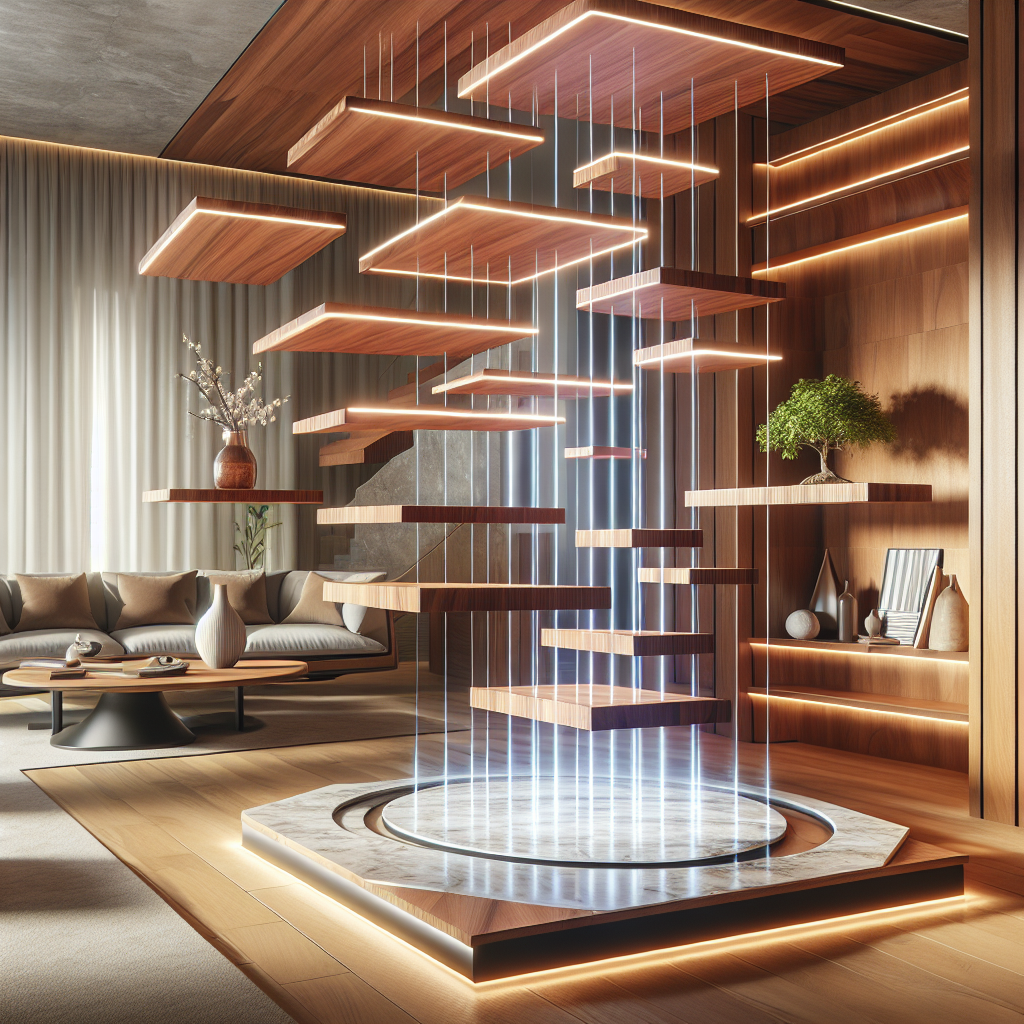
Magnetic Levitation Décor: Floating Shelves Powered by Hidden Magnets
In the ever-evolving world of interior design, where technology meets artistry, a new phenomenon is quietly reshaping how we perceive storage and display: magnetic levitation décor. Once confined to the realm of science exhibitions and luxury gadgets, floating shelves powered by hidden magnets are now entering the vocabulary of high-end interiors. They embody a seamless blend of engineering precision and minimalist aesthetics—objects that appear to defy gravity while offering a refined sense of calm and sophistication.
The Science Behind the Illusion
At the heart of magnetic levitation décor lies a principle that has fascinated scientists for over a century: magnetic levitation. By using opposing magnetic fields, designers can suspend objects in mid-air without physical contact. In décor applications, this is achieved through carefully calibrated neodymium magnets—the strongest type of permanent magnet—concealed within walls or shelf bases. The result is a piece that seems to float effortlessly, creating a visual experience that is both serene and futuristic.
Unlike traditional shelving, which relies on visible brackets or anchors, levitating shelves depend on a balance of magnetic repulsion and stabilization systems. Some advanced models even integrate electromagnetic feedback loops that adjust in real time to maintain perfect alignment. The technology, while complex, is rendered invisible—leaving only the poetry of suspension.
From Science Fiction to Living Spaces
The aesthetic of levitation has long captivated the design imagination. From the floating monoliths of cinematic futurism to the ethereal installations of contemporary art galleries, the notion of weightlessness evokes progress, purity, and transcendence. Today, this visual language is finding its way into domestic and commercial interiors, where designers are using magnetic levitation shelves to introduce a sense of quiet wonder.
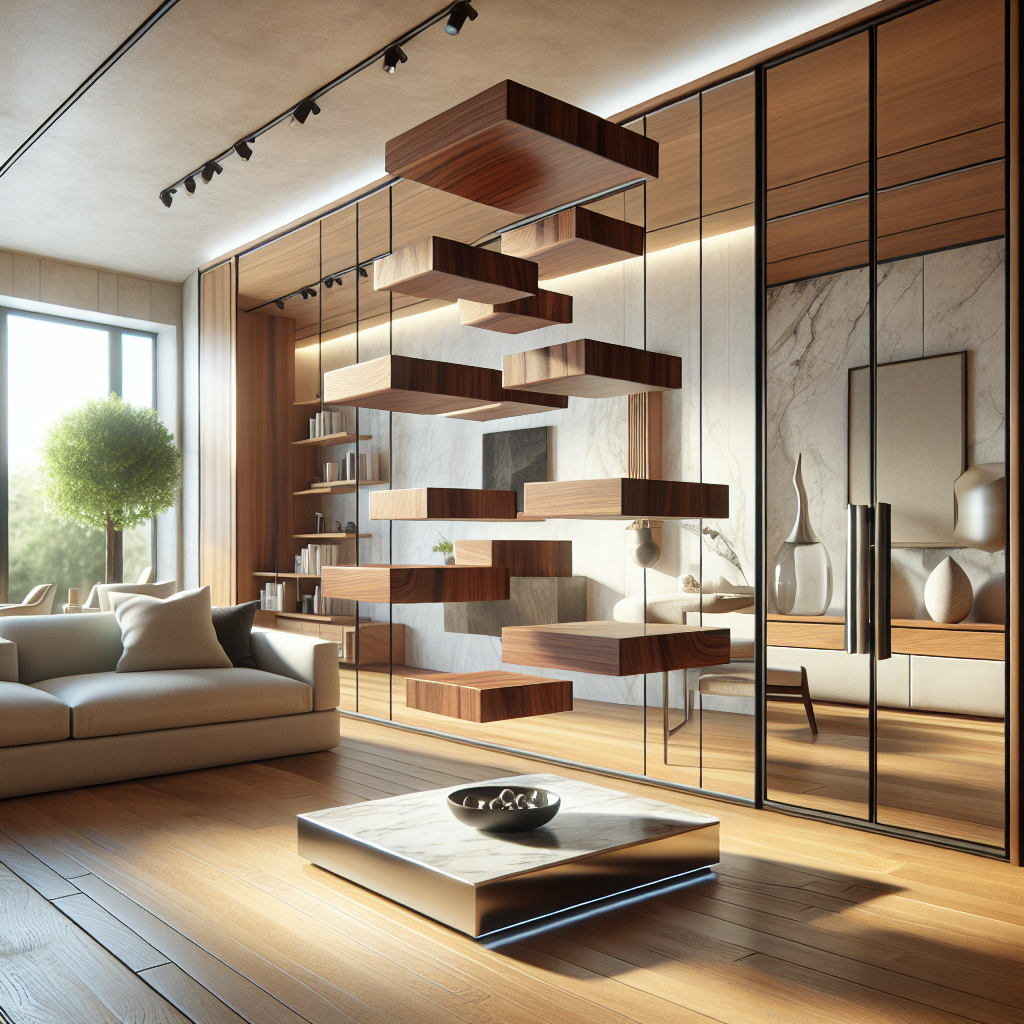
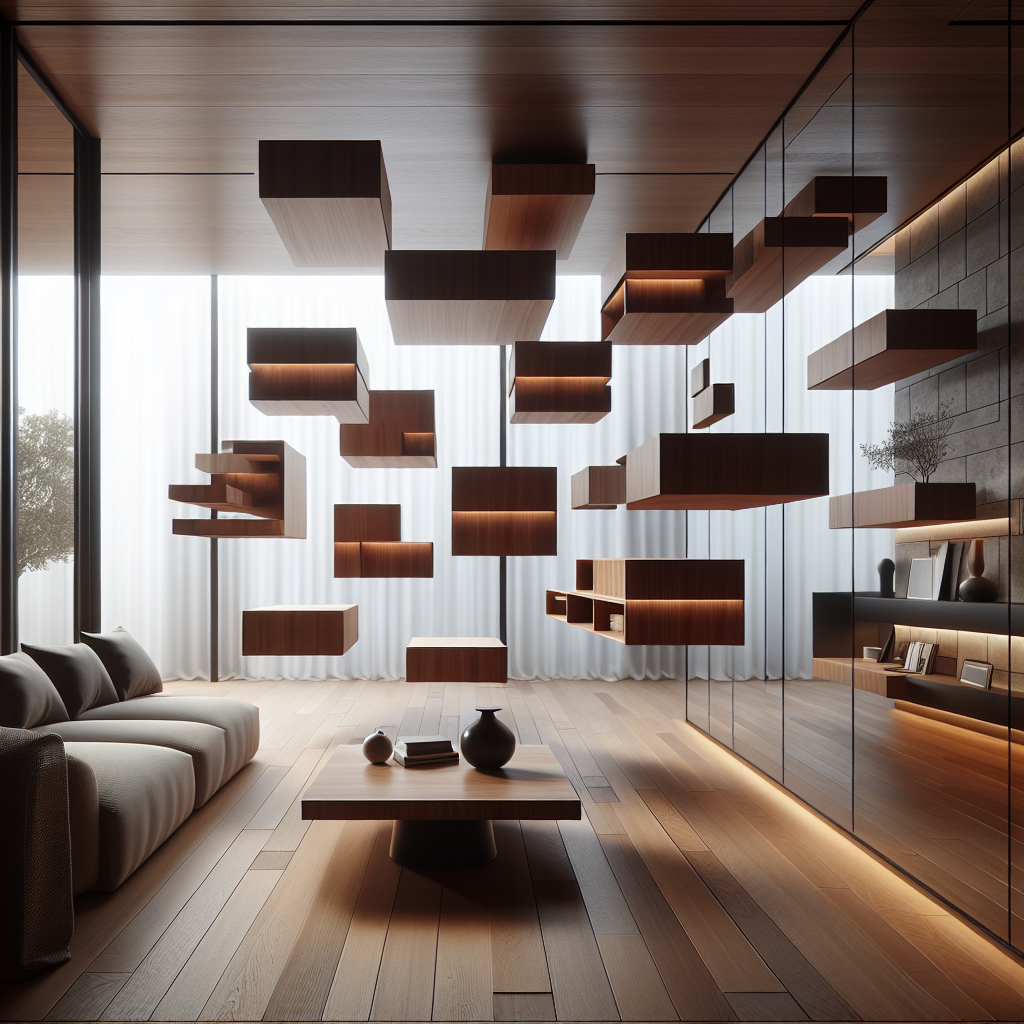
In a Parisian apartment designed by Atelier Lune, for instance, a series of walnut shelves appear to hover along a plaster wall, illuminated by concealed LED strips. The absence of visible supports amplifies the tactile richness of the wood grain, transforming a simple storage solution into a sculptural gesture. Similarly, in Tokyo’s Shibuya district, the boutique studio Nendo has experimented with levitating display plinths for jewelry, allowing objects to “breathe” in mid-air, unencumbered by traditional frames or pedestals.
Minimalism Elevated—Literally
For the modern minimalist, levitating décor represents the ultimate expression of restraint. It strips away the unnecessary, leaving only form, function, and the void between. The floating shelf becomes a metaphor for contemporary living—light, adaptable, and technologically attuned. This aligns closely with the minimalist chic movement, which values clarity and balance over ornamentation.
Designers are also embracing the psychological impact of levitation. According to a 2025 study by the International Association of Interior Psychology, visual lightness in interiors—achieved through suspended or floating elements—can reduce perceived clutter and enhance cognitive calm. In a world increasingly defined by sensory overload, the appeal of weightless design lies in its ability to create mental spaciousness.
Engineering the Invisible
Behind the serene appearance of a floating shelf lies a complex interplay of physics and craftsmanship. Each installation demands precise calibration: the magnets must be positioned at exact distances to ensure equilibrium, while materials like glass, acrylic, or engineered wood must be chosen for their non-magnetic properties. The hidden infrastructure—metal plates, stabilizing sensors, and power sources—is often embedded within walls or cabinetry, requiring collaboration between architects, engineers, and interior designers.
Some studios are taking the concept further by integrating smart-home connectivity. Shelves can now adjust their levitation height or lighting intensity via mobile apps, merging seamlessly with the broader ecosystem of smart home technology. The result is décor that not only floats but also responds—an intelligent furnishing that adapts to its environment.
Applications Beyond the Living Room
While magnetic levitation décor first gained traction in residential interiors, its applications are rapidly expanding. In retail environments, floating displays create an aura of exclusivity, allowing products to appear as if suspended in time. Luxury watchmakers and perfume brands have adopted levitating platforms to dramatize craftsmanship and precision. In hospitality design, levitating bedside tables and lamps introduce a futuristic calm, echoing the growing trend toward sustainable innovation and sensory refinement.
Architectural studios are also exploring the integration of levitation into larger-scale installations. Imagine a lobby where planters hover subtly above the floor, or a museum where artifacts float within transparent vitrines. These concepts challenge traditional spatial hierarchies, inviting visitors to engage with objects from new perspectives—both literally and metaphorically.
Materiality and Aesthetic Dialogue
Material selection plays a crucial role in the success of magnetic levitation décor. Designers often juxtapose warm natural textures—such as oak, marble, or cork—with the technological precision of magnetism. This dialogue between nature and innovation mirrors the principles of biophilic design, where the organic and the engineered coexist harmoniously.
In recent projects, levitating shelves have been crafted from translucent resins that refract light, creating a halo effect that enhances the illusion of suspension. Others use mirrored finishes to dissolve the boundaries between object and environment, transforming the shelf into a reflective plane that interacts dynamically with its surroundings. The visual effect is both poetic and performative—a quiet spectacle of balance and luminosity.
Challenges and Considerations
Despite their elegance, levitating shelves are not without challenges. Magnetic fields must be carefully shielded to prevent interference with electronic devices, and the installation process requires technical expertise. Weight limitations also remain a consideration; while small decorative objects can be safely displayed, heavier items may compromise stability. Yet as magnet technology advances—driven by research in transportation and renewable energy—these constraints are gradually diminishing.
Cost, too, is evolving. What was once an experimental luxury is becoming increasingly accessible as manufacturing processes improve. By 2026, several European design houses have introduced modular levitation systems that can be integrated into standard wall units, signaling a shift from novelty to mainstream adoption.
The Future of Floating Design
Magnetic levitation décor represents more than a technological curiosity—it signals a broader movement toward weightless architecture. As designers continue to explore how objects interact with gravity, we may soon see entire interiors conceived around the principle of suspension. From levitating seating systems to floating partitions, the possibilities extend far beyond shelving.
In this sense, magnetic levitation is not merely a decorative innovation but a philosophical one. It invites us to reconsider the relationship between matter and space, between the visible and the unseen. In a world where design increasingly serves as both function and metaphor, the floating shelf becomes a quiet manifesto: a symbol of lightness, balance, and the invisible forces that hold our environments together.
As we move deeper into an era defined by technological subtlety and experiential design, magnetic levitation décor stands as a testament to the beauty of precision and the poetry of restraint. It reminds us that the future of design may not always be about adding more—but about making things appear to weigh less.
For those seeking to create interiors that challenge perception and celebrate innovation, magnetic levitation décor offers a glimpse into the next frontier of spatial imagination—where gravity becomes optional, and design, quite literally, takes flight.