
Liquid Glass Homes: Architecture That Looks Like It’s Melting
Liquid Glass Homes: Architecture That Looks Like It’s Melting
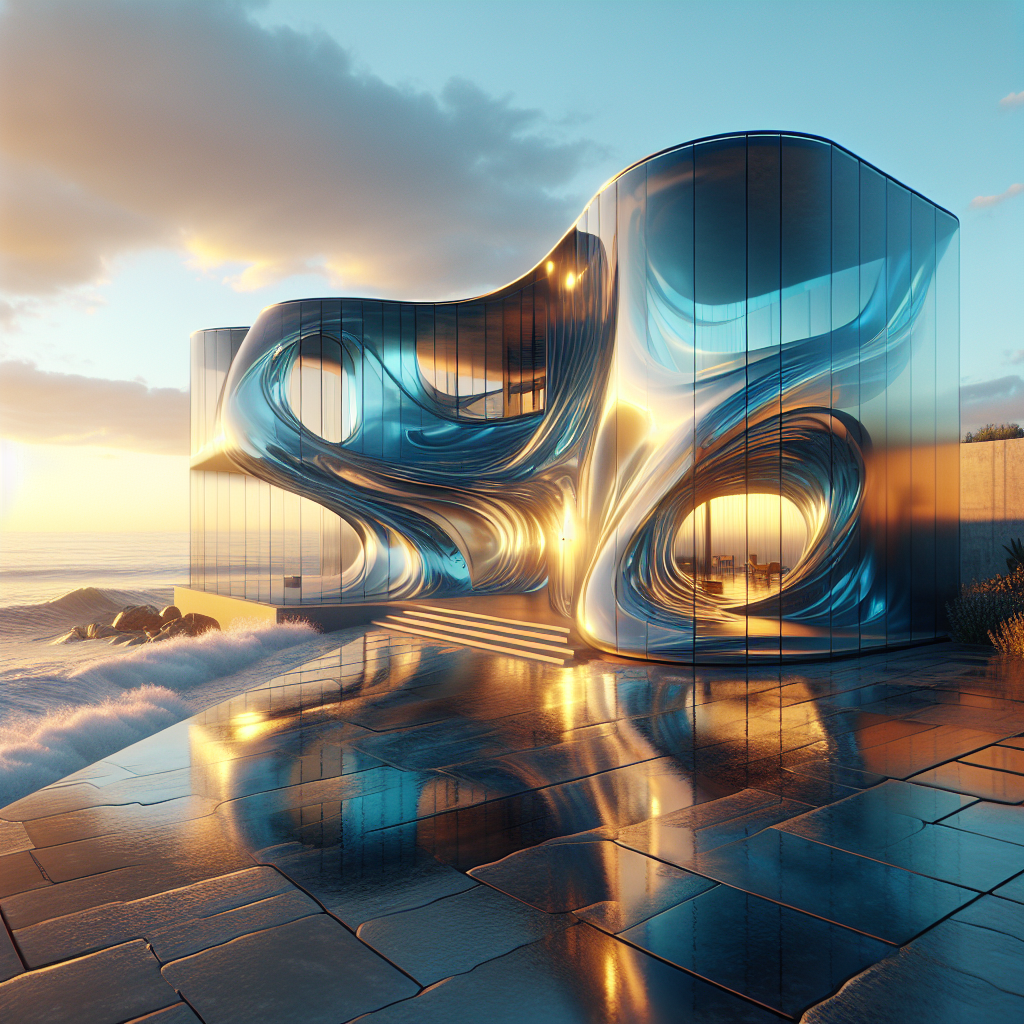
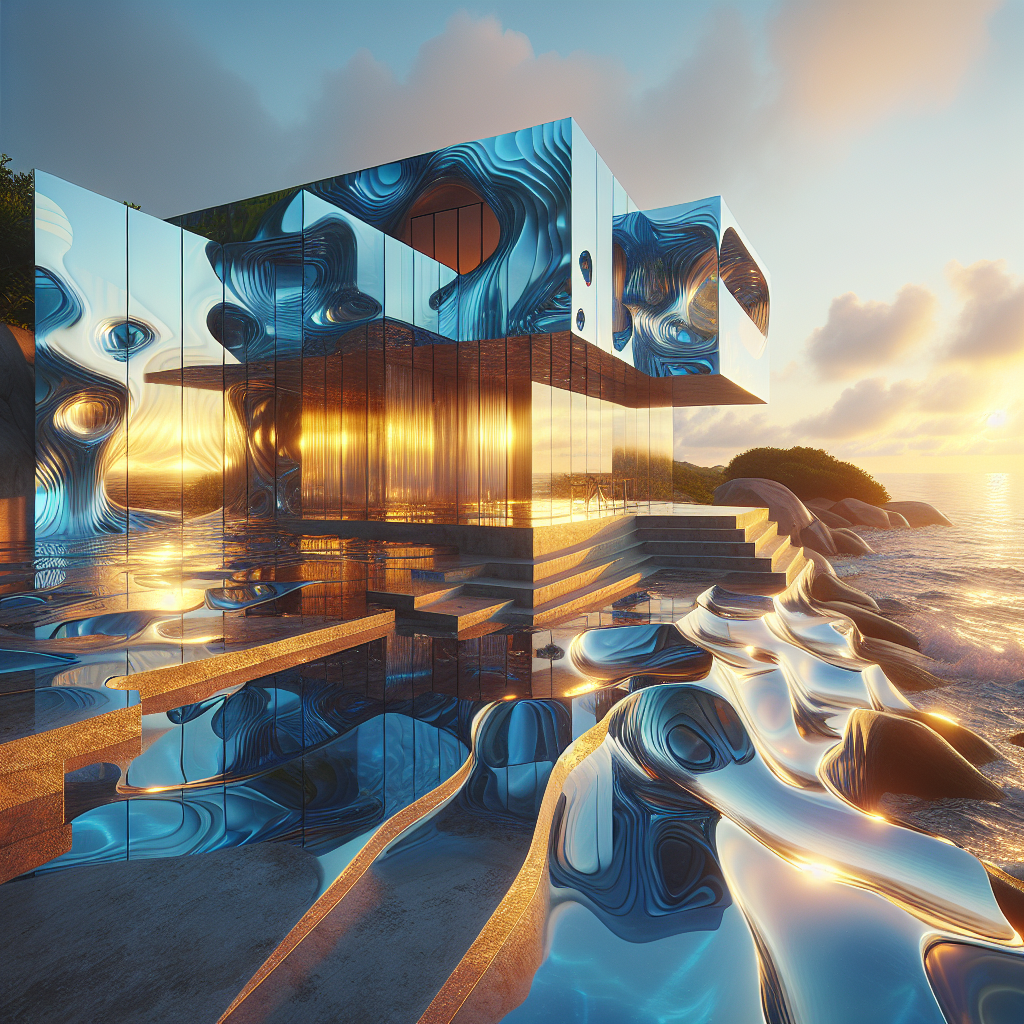
In the shifting landscape of contemporary architecture, a new visual language is emerging—one that seems to defy gravity, solidity, and even time. “Liquid glass” architecture, as it’s come to be known, is the art of making buildings appear as though they are melting, flowing, or dissolving into their surroundings. These structures blur the line between the built and the ephemeral, offering a glimpse into a future where transparency, reflection, and fluidity become the cornerstones of spatial experience.
The Allure of the Melt
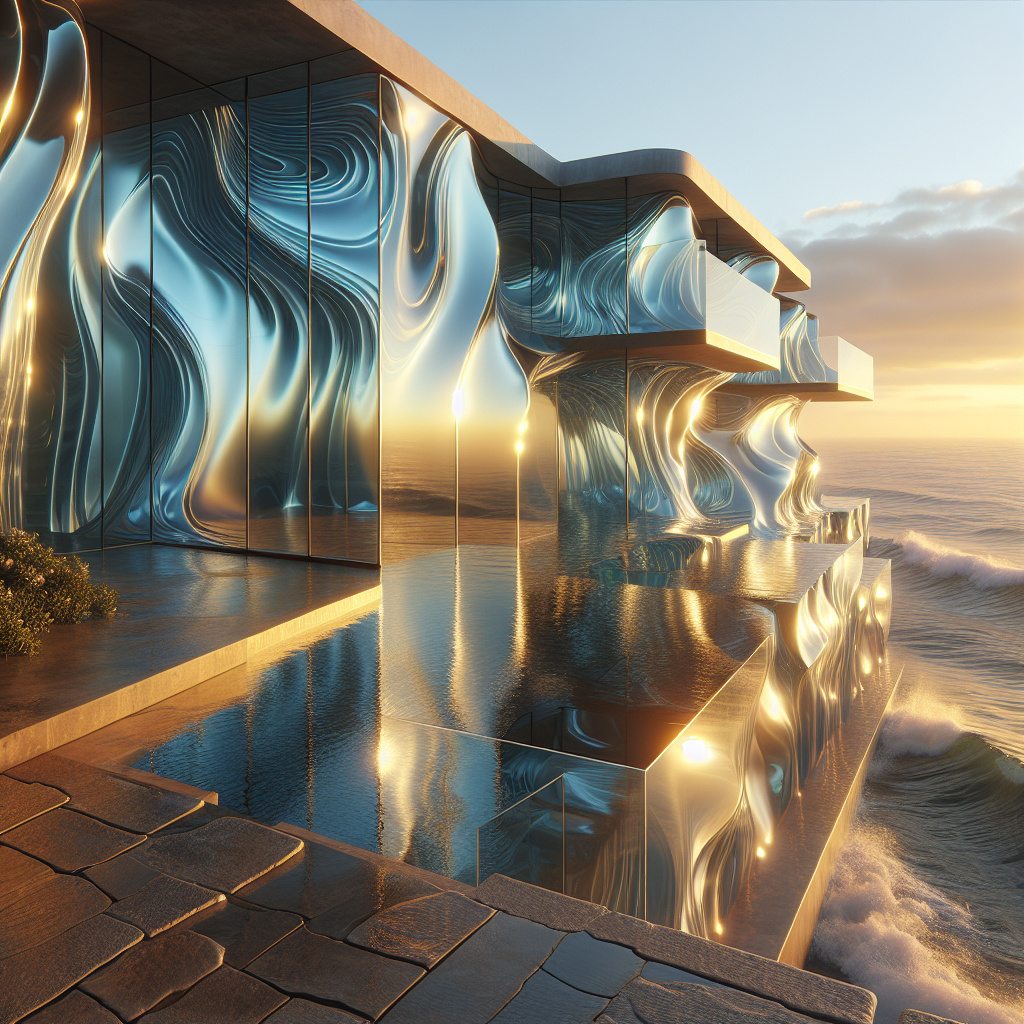
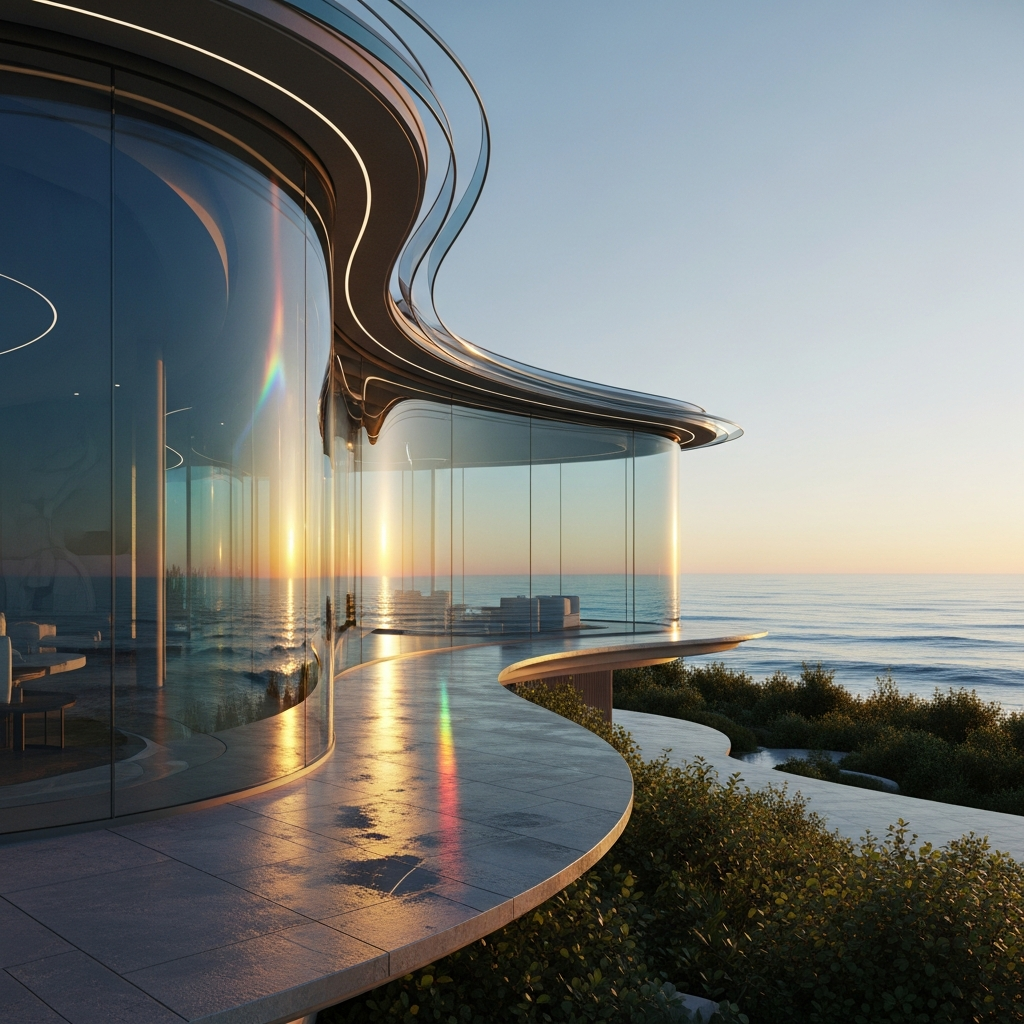
Liquid glass homes challenge our understanding of material permanence. Their façades ripple like water, refracting sunlight into prismatic patterns that dance across interiors. The effect is at once surreal and deeply sensual—architecture that seems alive, in motion, perpetually transforming. This aesthetic draws inspiration from both the digital realm and the natural world, echoing the organic dynamism of glaciers, lava flows, and the slow erosion of stone.
Advances in glass engineering have made this illusion possible. According to the ArchDaily database, innovations in structural glazing and liquid polymer coatings now allow architects to manipulate transparency and curvature with unprecedented precision. The result: façades that bend light like liquid, creating a visual softness that belies their structural strength.
Material Alchemy: The Science Behind the Flow
Behind the aesthetic spectacle lies a remarkable feat of material science. Liquid glass architecture relies on hybrid composites—glass fused with resin, silica aerogels, and metallic oxides—to achieve its signature fluidity. These materials are not merely decorative; they regulate temperature, filter UV radiation, and even generate solar energy through embedded photovoltaic films.
Research from the Materials Today Journal highlights how adaptive glass can shift opacity in response to heat or light, creating dynamic façades that respond to environmental conditions. This technology resonates with the broader movement toward responsive design, where architecture evolves in real time to suit its inhabitants and surroundings.
Fluid Forms in Context
Liquid glass homes are not confined to experimental studios or concept renderings—they are materializing across the globe. In coastal Portugal, a residence by Aires Mateus features undulating glass walls that seem to dissolve into the Atlantic horizon. In Tokyo, SANAA’s residential prototypes use curved transparent panels to soften the boundary between interior and exterior, producing an atmosphere of perpetual dawn.
These projects echo the cinematic futurism explored in Blade Runner 2049’s urban design, where reflective surfaces and luminous façades evoke both beauty and unease. The “melting” aesthetic, in this sense, becomes a metaphor for modernity itself—fluid, unstable, and endlessly refracted through technology.
Environmental Resonance
Beyond visual spectacle, liquid glass architecture embodies a profound ecological logic. By maximizing natural light and integrating passive cooling systems, these homes reduce energy consumption while maintaining comfort. The reflective properties of glass also mitigate urban heat island effects, an increasingly critical concern in dense metropolitan areas.
Architectural institutions such as the Royal Institute of British Architects Journal have noted the growing synergy between aesthetics and sustainability. This aligns with the ethos explored in biodegradable architecture—a movement that prioritizes materials capable of returning gracefully to the earth. Liquid glass, while synthetic, aspires to a similar harmony: a surface that reflects nature rather than conceals it.
Inside the Melt: Living in Transparency
Stepping inside a liquid glass home is an experience of immersion. Walls shimmer with ambient reflections, ceilings appear to dissolve, and boundaries between rooms fade into translucence. Privacy, traditionally achieved through opacity, is reimagined through layering, tinting, and light modulation. The result is a domestic environment that feels both intimate and infinite.
Designers are increasingly integrating biophilic principles into these spaces, allowing greenery to interact with glass in unexpected ways. Vines trace across transparent walls, their shadows creating living murals that shift with the sun. This interplay recalls the philosophy behind biophilic design, where human well-being is enhanced through connection with natural forms and rhythms.
Crafting the Future: From Concept to Construction
While the visual poetry of liquid glass homes captivates, their construction demands extraordinary precision. Each panel must be engineered to withstand thermal expansion, seismic movement, and structural load without compromising optical clarity. Digital fabrication tools—parametric modeling, robotic glazing, and laser calibration—play a crucial role in realizing these fluid geometries.
In this sense, liquid glass architecture continues the lineage of experimental modernism, from the crystalline utopias of Bruno Taut to the mirrored minimalism of Philip Johnson. Yet unlike their predecessors, today’s architects wield technology not as a symbol of control, but as a medium of transformation. The home becomes a living organism—breathing, reflecting, and adapting.
The Cultural Psychology of Melting Architecture
There is something profoundly psychological about the appeal of melting forms. They suggest impermanence, vulnerability, and renewal—qualities often absent in the rigid geometries of modernist design. In an age defined by climate anxiety and digital overload, the softness of liquid glass offers a visual antidote: a reminder that even architecture can yield, flow, and evolve.
Some theorists link this aesthetic to the broader cultural fascination with “liquidity,” a term popularized by sociologist Zygmunt Bauman to describe the fluidity of contemporary life. In this context, the melting home becomes both a reflection and critique of our times—beautifully unstable, endlessly mutable, and deeply human.
Conclusion: The Future Is Fluid
Liquid glass homes mark a pivotal moment in architectural evolution. They merge art, science, and sustainability into a single, shimmering gesture. Their surfaces, alive with reflection, remind us that architecture need not be static—it can flow, breathe, and respond. As we move deeper into an era of environmental and technological convergence, the allure of the melt may well define the next chapter of design.
In the end, the architecture that looks like it’s melting is not about decay—it’s about transformation. It’s about embracing impermanence as beauty, transparency as strength, and motion as the new foundation of home.
###ARTICLE_END### { “seo_title”: “Liquid Glass Homes: Architecture That Looks Like It’s Melting”, “meta_description”: “Explore liquid glass homes—architecture that looks like it’s melting, blending transparency, sustainability, and futuristic design.”, “excerpt”: “Discover the rise of liquid glass homes—fluid, reflective architecture that redefines transparency and sustainability in modern design.”, “focus_keyphrase”: “liquid glass homes” } **AI Image Prompts** 1. **Prompt:** Photorealistic image of a futuristic coastal home with a rippling glass façade that appears to melt into the ocean horizon, captured on a Hasselblad H6D, golden hour lighting, ultra-high resolution. **Alt text:** Futuristic liquid glass home with melting façade overlooking the sea. **Caption:** A coastal residence where architecture and ocean merge in reflective harmony. 2. **Prompt:** Interior of a liquid glass home with translucent walls and soft refracted light patterns, lush indoor plants casting organic shadows, shot on Hasselblad X2D, morning light. **Alt text:** Interior of a liquid glass home with refracted sunlight and greenery. **Caption:** Inside the melt—where light, glass, and nature intertwine. 3. **Prompt:** Urban townhouse with curved glass exterior reflecting city lights, appearing fluid and semi-transparent, night shot on Hasselblad H6D, long exposure. **Alt text:** Curved glass townhouse reflecting city lights in a melting effect. **Caption:** The city reflected—liquid glass architecture reimagines urban transparency. 4. **Prompt:** Detail shot of molten-like glass panels with embedded solar films, photographed in daylight on Hasselblad X1D, emphasizing texture and light distortion. **Alt text:** Close-up of molten glass panels with embedded solar technology. **Caption:** Material alchemy—where energy and aesthetics flow as one. — **Instagram Strategy** **Main Post Caption:** What if your home could shimmer, breathe, and flow like water? 💧 Liquid glass homes are redefining architecture—turning solid walls into living reflections. Explore