
Inflatable Facades: The Rise of ‘Puffy Architecture’ in Urban Skylines
Inflatable Facades: The Rise of ‘Puffy Architecture’ in Urban Skylines
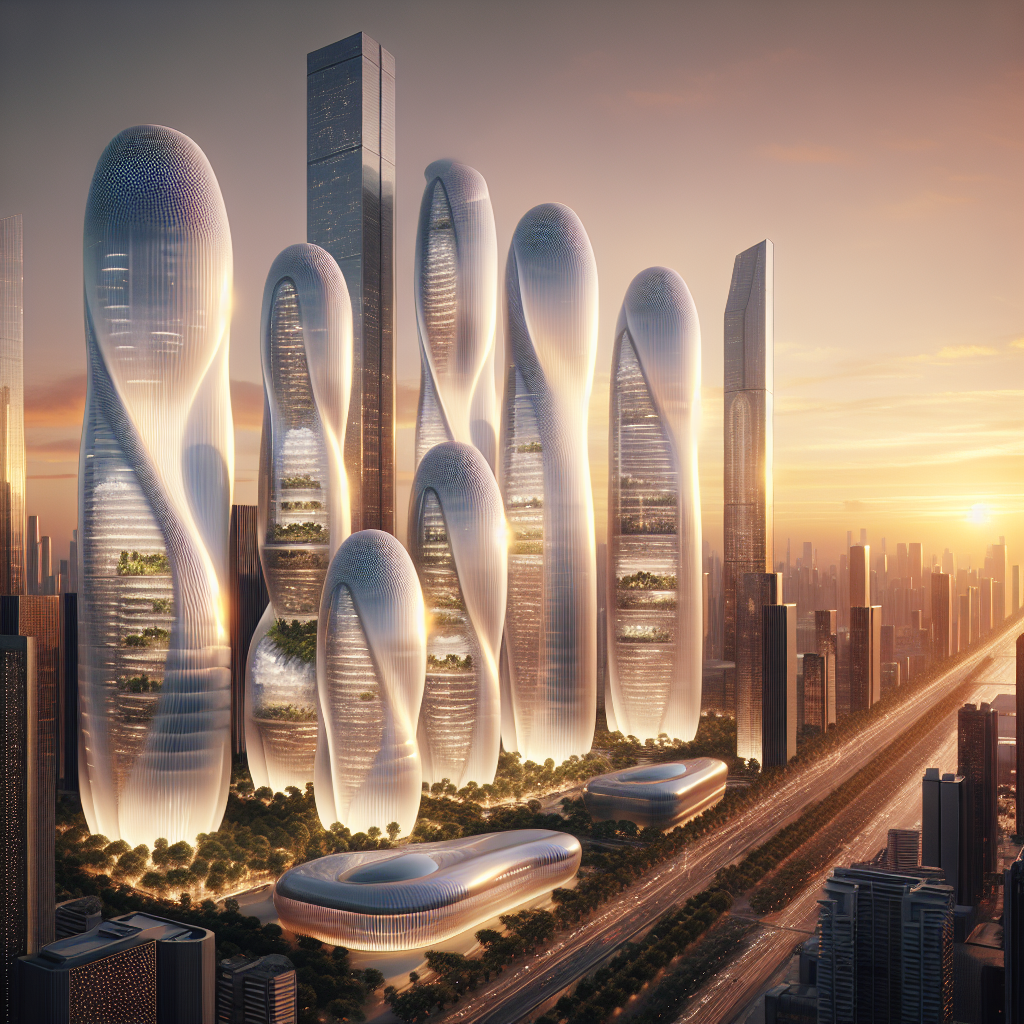
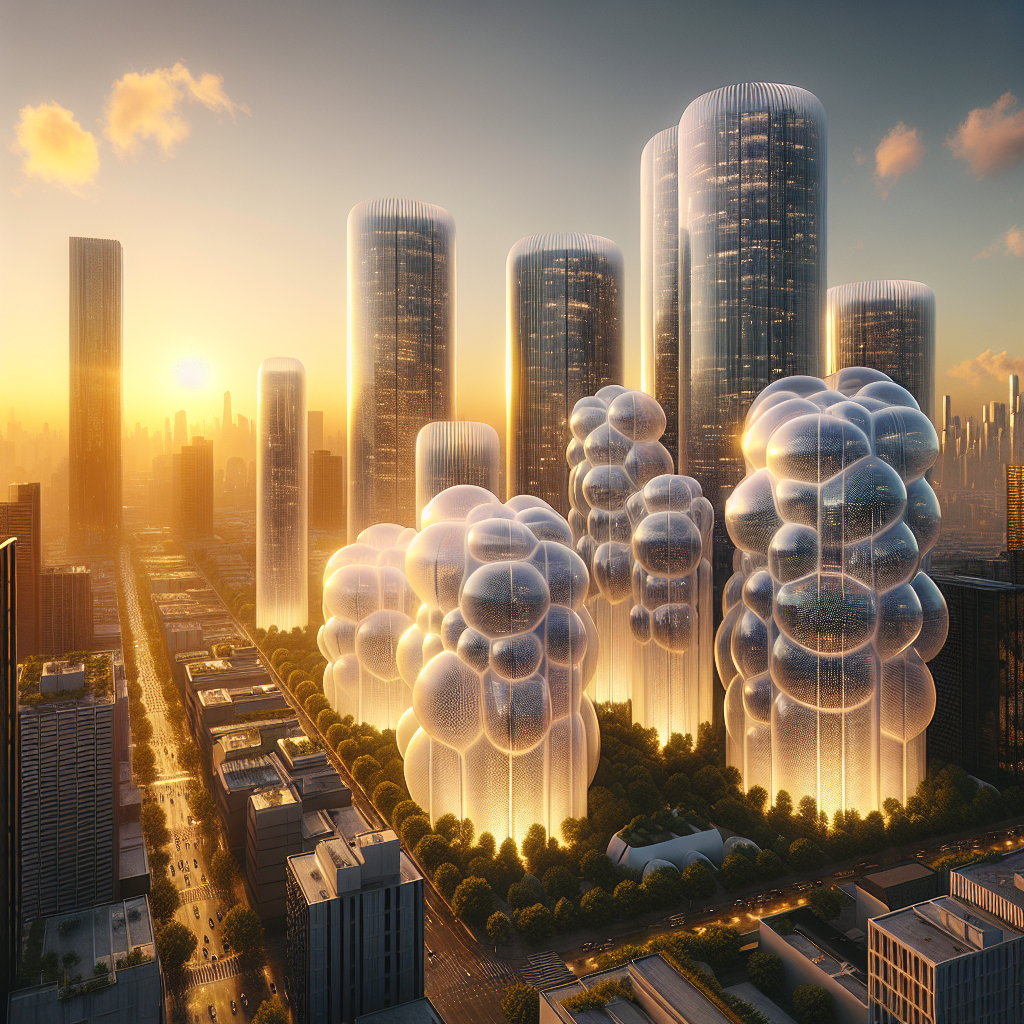
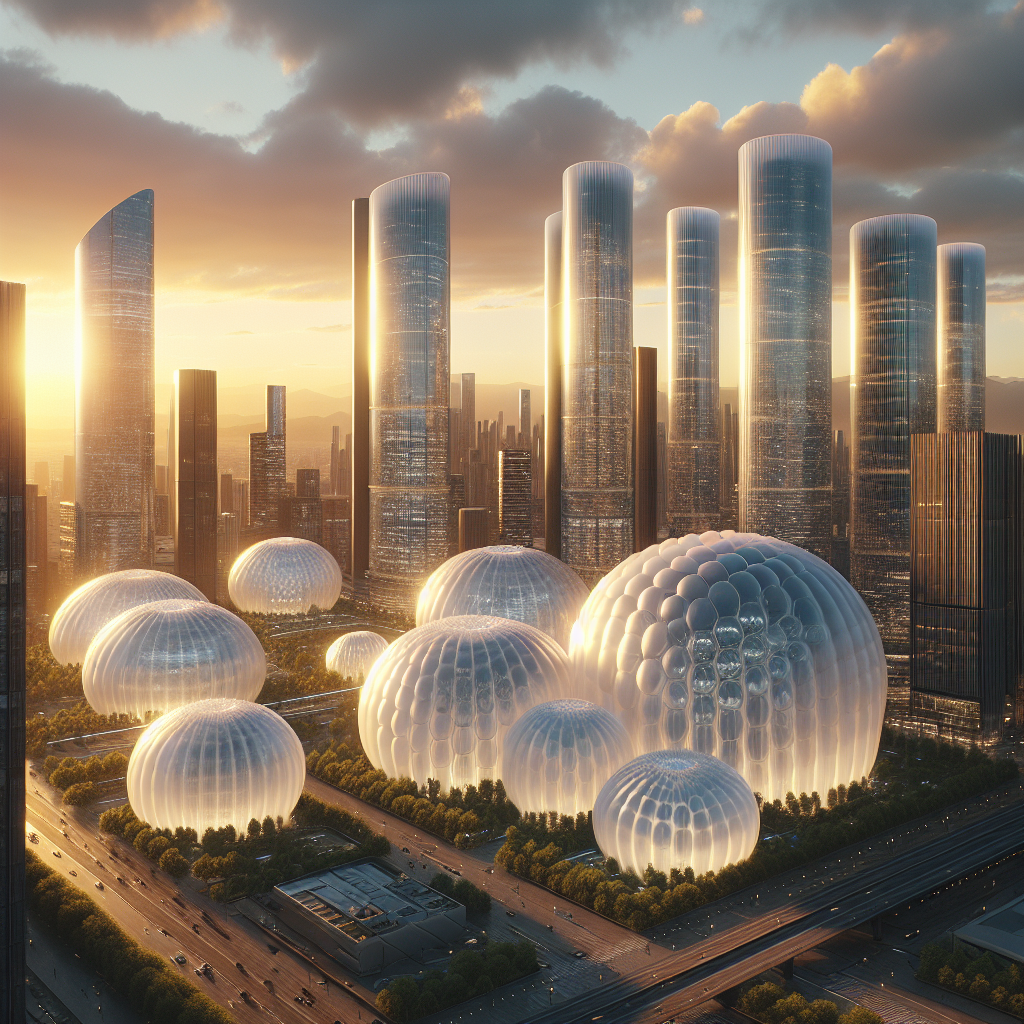
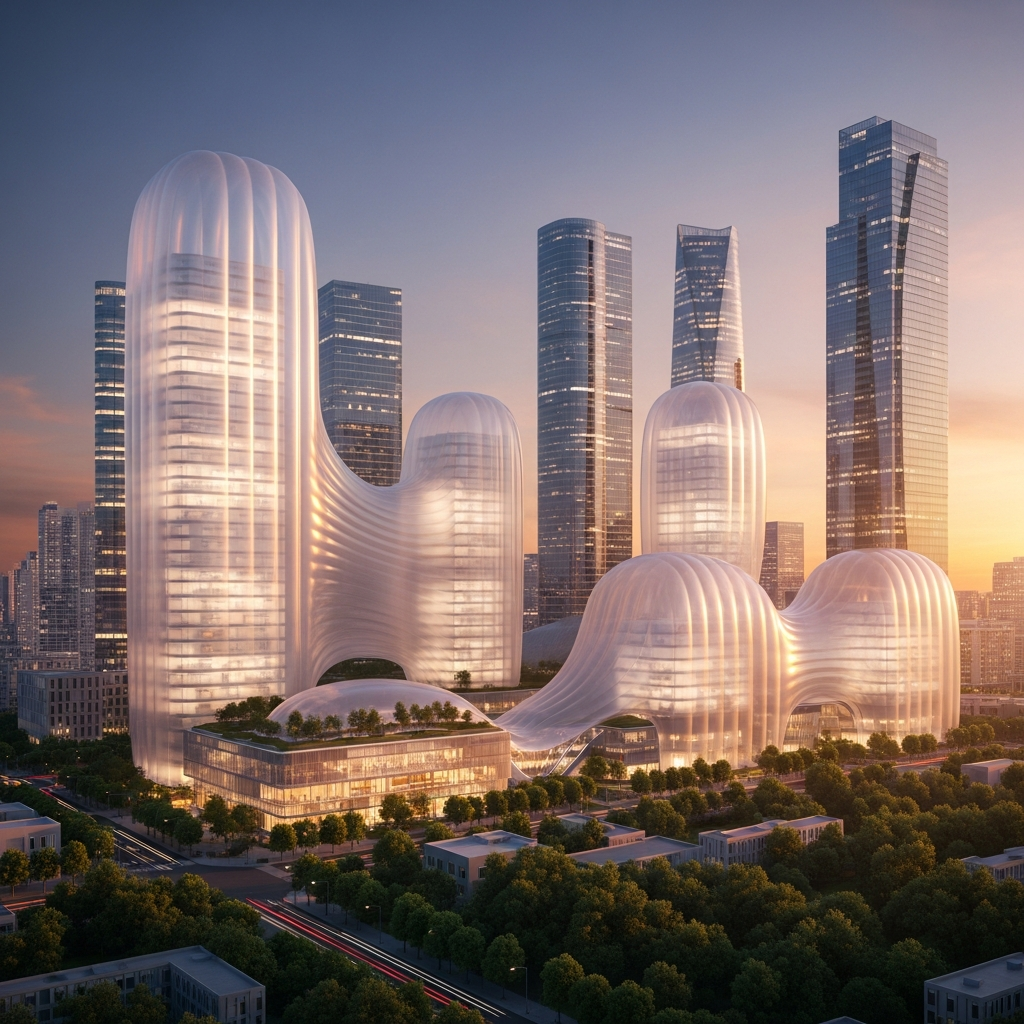
Once confined to temporary pavilions and art installations, inflatable architecture has drifted into the mainstream of urban design. The notion of “puffy architecture” — structures defined by air-filled membranes, translucent skins, and bulbous geometries — is no longer a novelty. It’s a legitimate architectural language reshaping skylines from Tokyo to Toronto. On January 30, 2026, as cities grapple with sustainability, adaptability, and aesthetic fatigue, inflatable facades are emerging as a poetic and pragmatic response to the built environment’s rigid conventions.
The Soft Revolution in Architecture
Inflatable architecture’s lineage can be traced back to the radical experiments of the 1960s — think Archigram’s visionary pods or Haus-Rucker-Co’s air-filled interventions. Yet, today’s iteration is far more technologically sophisticated. Advanced polymers, nanofiber membranes, and self-regulating pressure systems have transformed what was once ephemeral into something enduring. The result: facades that breathe, flex, and even heal themselves.
According to the Architects’ Journal, recent innovations in ETFE (ethylene tetrafluoroethylene) and TPU (thermoplastic polyurethane) have allowed designers to craft lightweight envelopes that rival glass in transparency but outperform it in thermal efficiency. These materials are not just aesthetic flourishes; they are part of a broader ecological agenda — one that aligns with the principles of biodegradable architecture and circular design thinking.
Breathing Buildings: The Technology Behind the Air
At the heart of inflatable facades lies a deceptively simple principle: air as structure. By manipulating internal pressure, architects can create dynamic surfaces that expand or contract in response to environmental stimuli. This is not unlike the adaptive mechanisms seen in responsive design — only here, the entire building envelope participates in the choreography.
Recent research from the Materials Today Journal highlights how embedded sensors within inflatable membranes can monitor air quality, temperature, and UV exposure, adjusting internal pressure accordingly. This allows buildings to “breathe” — expanding during heatwaves to increase shading or contracting in cold weather to conserve warmth. The result is a living architecture that behaves less like a static shell and more like a biological organism.
Urban Playfulness Meets Sustainability
There’s an undeniable playfulness to puffy architecture. Its rounded contours and soft edges stand in stark contrast to the rectilinear severity of most cityscapes. Yet, this softness is not merely visual. Inflatable facades are inherently energy-efficient. They require fewer materials, can be prefabricated off-site, and are easily transportable — a crucial advantage in a world where construction waste accounts for nearly 40% of global landfill volume, according to the UN Environment Programme.
Architects are leveraging this duality — whimsy and efficiency — to create structures that are both emotionally resonant and environmentally sound. The “AirHouse” pavilion in Rotterdam, for instance, uses double-layered ETFE cushions that filter daylight into a soft, diffused glow, reducing the need for artificial lighting. Similarly, the “Cloud Campus” in Seoul employs pneumatic walls that inflate during peak pollution hours, acting as air filters for the interior environment.
From Temporary to Permanent: A Shift in Perception
Historically, inflatable structures were synonymous with impermanence — pop-up galleries, festival domes, or emergency shelters. But as material science evolves, permanence is no longer off-limits. The latest generation of inflatable facades can withstand wind loads comparable to traditional cladding systems. Moreover, they can be repaired, replaced, or reconfigured with minimal disruption — a concept that dovetails with the ethos of adaptive reuse.
In Paris, the “Maison d’Air” prototype by Atelier Nomade integrates inflatable modules into a 19th-century masonry building, demonstrating how heritage and innovation can coexist. The juxtaposition of stone and air creates a dialogue between weight and lightness, permanence and ephemerality — a metaphor for the evolving identity of cities themselves.
Inflatable Urbanism: Designing for the Anthropocene
In the context of climate volatility, inflatable facades offer more than aesthetic novelty; they provide resilience. Their flexibility allows them to absorb impact, resist seismic vibrations, and adapt to fluctuating environmental conditions. Some experimental projects even explore self-inflating systems powered by solar energy, merging pneumatic engineering with renewable technology.
“We’re witnessing the birth of a new typology,” says Dr. Elena Varga, a researcher at the Institute for Lightweight Structures in Stuttgart. “Inflatable architecture is not about spectacle anymore — it’s about survival.” Her team’s ongoing work on pneumatic flood barriers and floating facades underscores the potential of air-based systems in coastal resilience planning.
The Future Is Soft
As cities continue to densify, the need for adaptable, lightweight, and sustainable structures becomes ever more urgent. Inflatable facades, with their minimal material footprint and maximal spatial impact, may well define the next chapter of urban architecture. They embody a shift from solidity to suppleness, from permanence to performance.
In a world where design increasingly mirrors biological systems, puffy architecture stands as a symbol of humility — a recognition that buildings, like organisms, must learn to breathe, flex, and evolve. The skyline of the future may not be a forest of glass and steel, but a cloudscape of air-filled forms — buoyant, translucent, and alive.
Conclusion: Air as the New Concrete
Inflatable facades challenge our deepest architectural assumptions. They ask: what if lightness, not mass, defined strength? What if softness, not rigidity, became the measure of endurance? As architects experiment with pneumatic systems, they are not just designing buildings — they are designing atmospheres. The rise of puffy architecture signals a profound cultural shift: from building against nature to building with it.
In this sense, inflatable architecture is more than a trend. It’s a manifesto for the 21st century — one that aligns with the ecological consciousness explored in biophilic design and the adaptive intelligence of responsive urban systems. Air, once invisible, has become architecture’s most expressive material.
###ARTICLE_END### { “seo_title”: “Inflatable Facades: The Rise of Puffy Architecture”, “meta_description”: “Explore how inflatable facades and puffy architecture are reshaping urban skylines with sustainable, adaptive design innovations.”, “excerpt”: “Inflatable facades are redefining city skylines with lightweight, sustainable, and adaptive design — a soft revolution in modern architecture.”, “focus_keyphrase”: “inflatable facades” } **AI Image Prompts** 1. **Prompt:** Photorealistic image of a futuristic city skyline featuring several buildings with translucent inflatable facades, glowing softly at dusk. Shot on a Hasselblad H6D with a 50mm lens, high dynamic range, cinematic lighting. **Alt text:** Futuristic city skyline with glowing inflatable facades at sunset. **Caption:** Air-filled facades transform the cityscape into a luminous, breathable environment. 2. **Prompt:** Close-up of an ETFE inflatable panel on a modern building, showing reflections of clouds and urban surroundings. Shot on a Hasselblad X2D, macro focus, natural daylight. **Alt text:** Detail of ETFE inflatable facade reflecting clouds. **Caption:** ETFE membranes blur the boundary between structure and sky. 3. **Prompt:** Interior view of a public pavilion with inflatable walls filtering sunlight, people walking through softly lit corridors. Shot on a Hasselblad H6D, 35mm lens, ambient lighting. **Alt text:** Interior of inflatable pavilion with diffused natural light. **Caption:** Inside the “AirHouse,” daylight becomes a tactile experience. 4. **Prompt:** Aerial shot of a riverside cultural center with modular inflatable roof structures, surrounded by greenery. Shot on a Hasselblad drone camera, golden hour. **Alt text:** Aerial view of cultural center with inflatable roof modules. **Caption:** Inflatable roofs redefine flexibility in public architecture. — **Instagram Strategy** **Main Post Caption:** What if buildings could breathe? 🌬️ Discover how inflatable facades — the “puffy architecture” movement — are reshaping our cities with softness, sustainability, and surprising strength. Tap the link in bio to explore how air is becoming the new concrete. **Hashtags:** #InflatableArchitecture #PuffyDesign #UrbanInnovation