
Indigo revival intense: blue accents shaping modern bohemian vibes
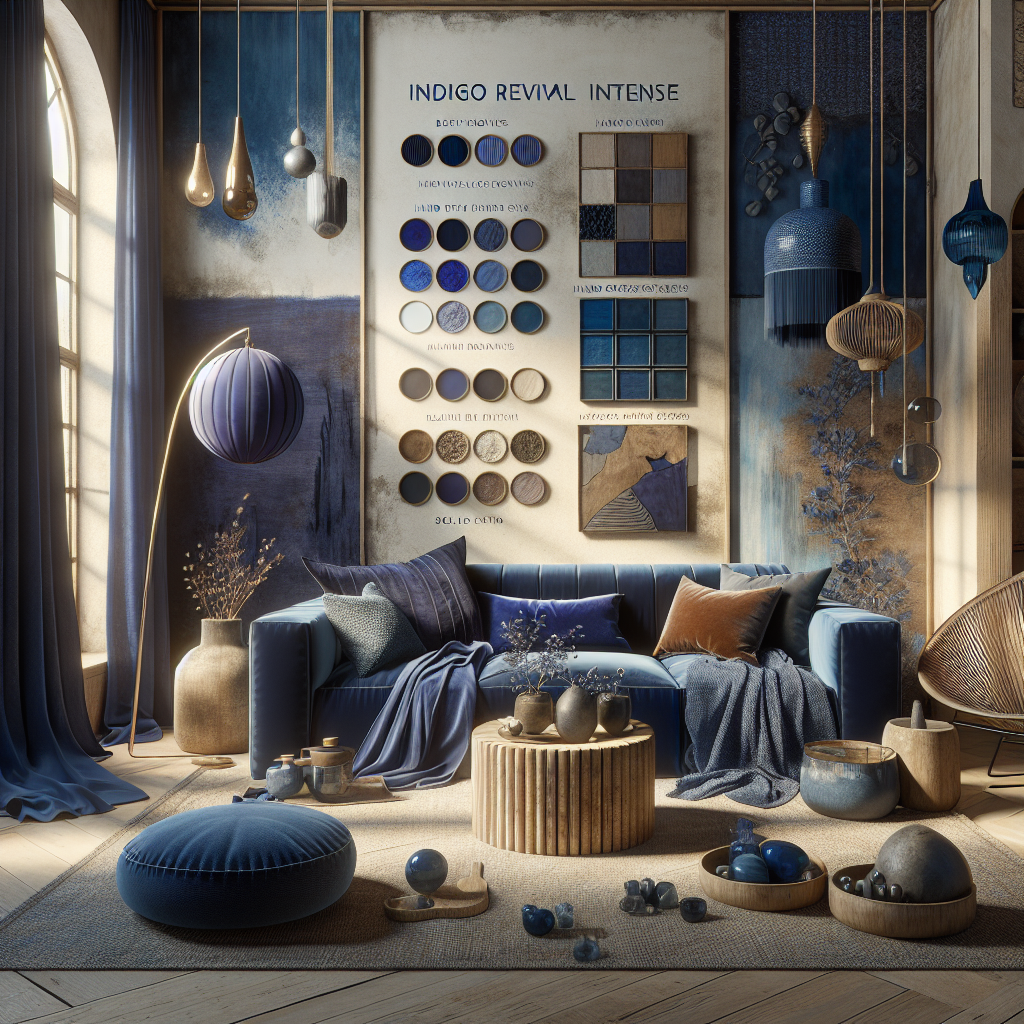
Indigo Revival Intense: Blue Accents Shaping Modern Bohemian Vibes
In the evolving lexicon of interior design, indigo has reemerged as a chromatic protagonist—an anchor of serenity and depth amid the flux of maximalist expression and sustainable restraint. Once associated with ancient dyeing rituals and artisanal craftsmanship, this profound shade of blue is now being reinterpreted by contemporary designers to evoke modern bohemian sophistication. The “indigo revival” marks not merely a color trend but a cultural recalibration—an embrace of tactile authenticity, global influences, and mindful living within design narratives that value imperfection and individuality.
The Chromatic Renaissance of Indigo
Historically, indigo has been a symbol of both artistry and identity. From the ancient indigo dye of India and West Africa to the Japanese aizome tradition, this pigment’s journey through time is steeped in symbolism and ritual. In the 21st century, its revival signals a yearning for connection—to heritage, to craft, and to the sensory tactility of the handmade. Unlike the digital neons or sterile whites that dominated the last decade, indigo offers a visual grounding, a hue that feels simultaneously ancient and avant-garde.
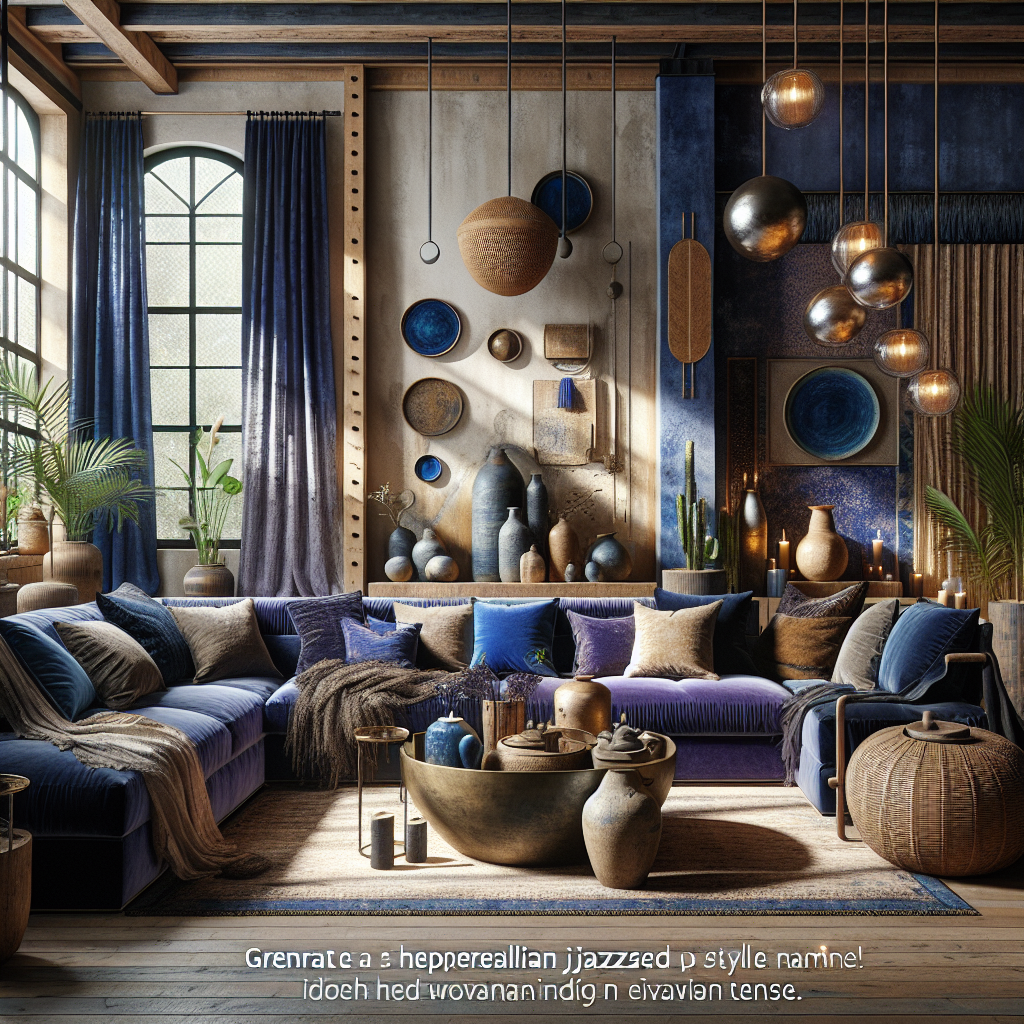
Designers are leveraging indigo’s versatility across a spectrum of tones—from the smoky dusk of denim blue to the electric pulse of ultramarine. In the latest interiors showcased at Maison&Objet Paris 2025, indigo appeared as a unifying thread: on raw linen drapes, glazed ceramics, and textured wall plasters that capture light like the surface of deep water. This chromatic layering creates a sense of immersion—spaces that feel contemplative yet alive.
Modern Bohemianism: A Shift Toward Emotional Spaces
The modern bohemian aesthetic has matured beyond its eclectic roots. Today’s iteration is less about cluttered expression and more about intentional eclecticism—a dialogue between cultural craftsmanship and architectural restraint. Indigo, with its rich historical resonance, fits seamlessly into this ethos. It introduces depth without heaviness, mood without melancholy.
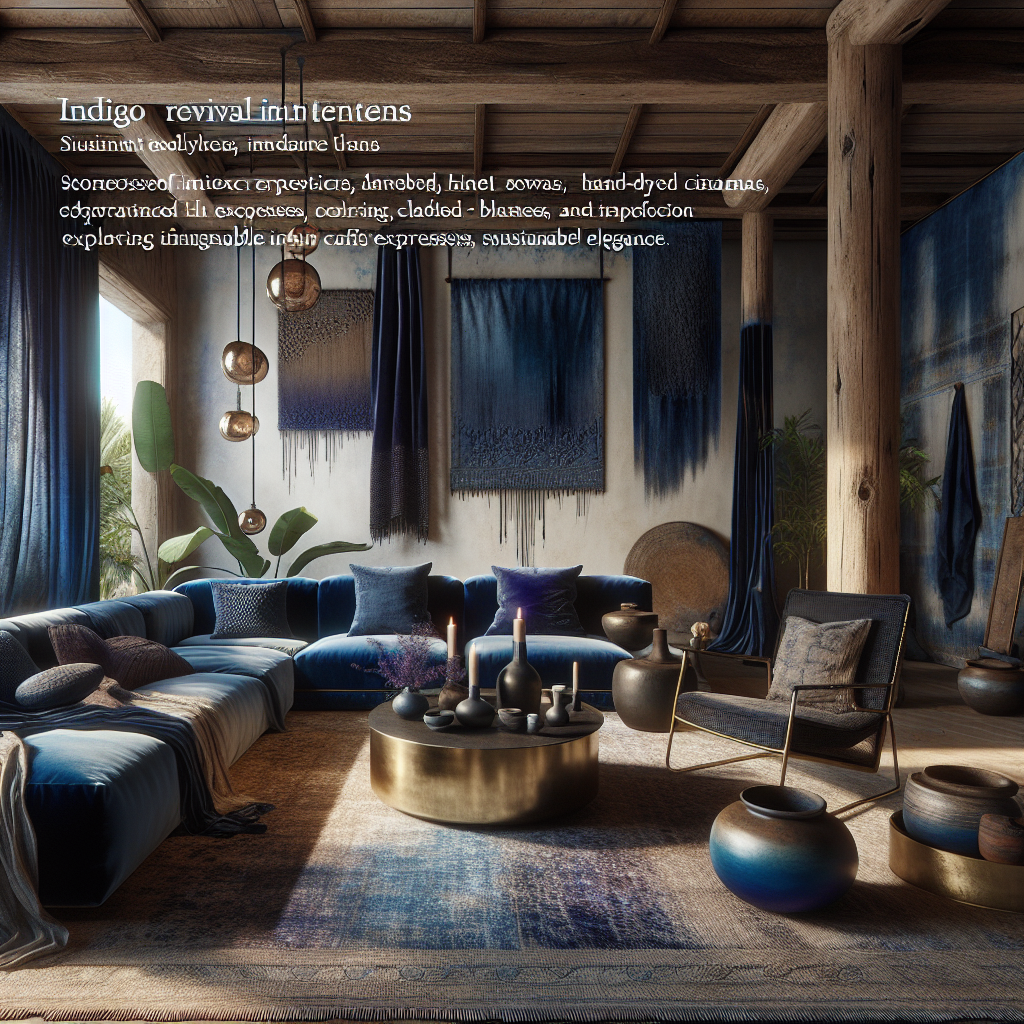
In residential design, indigo accents are being used to articulate zones of calm within open-plan layouts. A velvet indigo sofa anchors a sunlit living room; a hand-dyed wall tapestry introduces organic irregularity against minimalist geometry. These gestures echo the wabi-sabi aesthetic—celebrating imperfection and the passage of time—while infusing interiors with emotional texture.
Architectural studios such as Studiopepe and Apparatus have explored indigo’s potential as a narrative device. Their recent collections feature deep blue patinas juxtaposed with brass and stone, evoking the patinated surfaces of Mediterranean architecture. The result is a visual rhythm that feels both artisanal and cosmopolitan—a perfect articulation of the modern bohemian spirit.
Materiality and Craft: The Return of the Hand-Touched Surface
One of the defining characteristics of the indigo revival is its alliance with craftsmanship. As the design world pivots toward sustainability and authenticity, hand-dyed textiles, indigo-glazed ceramics, and pigment-washed plasters are gaining renewed prominence. These materials embody the human touch—a counterpoint to the algorithmic precision of digital fabrication.
In this context, indigo becomes more than a color; it becomes a material language. Artisans in Kyoto, Oaxaca, and Marrakech are collaborating with contemporary designers to reinterpret traditional dyeing techniques for modern applications. The resulting works—ranging from indigo-stained timber panels to ombré concrete tiles—bridge the gap between heritage craftsmanship and contemporary architecture.
According to a 2025 report by the Global Color Institute, blue-based hues are forecast to dominate the next design cycle, with indigo leading the palette due to its psychological associations with trust, introspection, and stability. In commercial spaces, indigo’s calming influence is being harnessed to counterbalance overstimulation—an antidote to the hyperconnectivity of urban life.
Spatial Narratives: Indigo as an Architectural Accent
Architecturally, indigo is being used to define spatial identity. In boutique hotels and cultural pavilions, designers are experimenting with indigo-tinted glass, oxidized steel panels, and light installations that shift from sapphire to midnight blue throughout the day. This chromatic dynamism mirrors the fluidity of modern lifestyles—spaces that adapt, breathe, and transform.
At the Casa Azul Reimagined project in Lisbon, architect Inês Lobo employed indigo-washed lime plaster to create a façade that subtly changes tone with humidity and sunlight. The result is a living surface that blurs the boundary between architecture and atmosphere, echoing the principles of biophilic design—where color and texture evoke emotional well-being.
Similarly, in urban apartments, indigo accents are redefining spatial hierarchy. A cobalt-painted ceiling draws the eye upward, expanding perceived height; indigo ceramic tiles in kitchens introduce artisanal warmth to otherwise minimalist spaces. These interventions demonstrate how color psychology can be a tool of spatial manipulation—transforming perception without altering structure.
Global Inspirations and Cultural Continuity
The indigo revival also underscores a broader cultural movement: the revaluation of global craft traditions within contemporary design. As designers seek authenticity and narrative depth, they are turning to ancient techniques that carry ecological and symbolic significance. The Japanese shibori method, the West African adire cloth, and Indian ajrak printing all share a meditative approach to making—an ethos that resonates deeply with today’s slow design philosophy.
In Milan’s Brera Design District, several ateliers have integrated indigo-dyed textiles into modular furniture systems, merging craft with technology. This hybridization recalls the principles of parametric design, where algorithmic precision meets organic imperfection. The interplay between the hand-made and the digitally generated is giving rise to a new aesthetic language—one that is both tactile and futuristic.
Indigo and Sustainability: A Conscious Chromatic Choice
Beyond its aesthetic allure, indigo aligns with the sustainability narrative shaping the design industry. Natural indigo dye, derived from the Indigofera tinctoria plant, offers an eco-friendly alternative to synthetic pigments. Designers committed to circular design are revisiting plant-based dyeing processes that minimize chemical waste and water consumption.
In architectural finishes, indigo-tinted lime plasters and clay paints are gaining traction for their low VOC emissions and breathable qualities. These materials not only contribute to healthier indoor environments but also embody a visual sustainability—a palette that feels enduring rather than trend-driven. The color’s natural variability ensures that no two surfaces are identical, reinforcing the authenticity that luxury consumers increasingly seek.
The Emotional Resonance of Blue
Psychologically, blue is associated with calm, introspection, and trust—qualities that have become central to post-pandemic design thinking. In the age of overstimulation, indigo’s depth offers a visual sanctuary. It absorbs light rather than reflecting it, creating spaces that invite pause and contemplation. This aligns with the broader movement toward restorative environments—homes and public spaces designed to nurture mental well-being.
Designers are exploring this emotional resonance through multisensory design. Indigo rooms are often paired with natural textures—linen, clay, rattan—and diffused lighting that enhances the pigment’s subtle undertones. The result is an atmosphere that feels immersive yet intimate, modern yet timeless.
From Trend to Timelessness
The indigo revival is not a fleeting fashion; it represents a return to depth—both chromatic and conceptual. It bridges the poetic and the practical, the global and the local, the ancient and the avant-garde. In an era where design is increasingly about storytelling, indigo serves as a narrative anchor—a color that carries memory, emotion, and material truth.
As architects and designers continue to explore the boundaries of sustainable expression, indigo stands as a reminder that innovation often begins with rediscovery. It is the color of twilight and ink, of oceans and archives—a hue that