
Immersive ephemeral lighting: drone-based luminescent sculptures
Immersive Ephemeral Lighting: Drone-Based Luminescent Sculptures
In the evolving landscape of contemporary design and architecture, light has transcended its utilitarian role to become a medium of emotion, narrative, and spatial transformation. The latest frontier in this evolution—drone-based luminescent sculptures—is redefining how we perceive light as both an architectural and performative element. These aerial choreographies of illumination merge technology, art, and environmental awareness into a fleeting yet unforgettable spectacle, blurring the boundaries between built form and atmospheric experience.
The Rise of Ephemeral Architecture
Ephemeral architecture has long fascinated designers for its ability to exist in a state of impermanence—structures that live briefly, yet leave a lasting imprint on memory. From the temporary pavilions of world expos to the light-based installations of interactive art environments, the concept of transience has evolved into a sophisticated design language. Today, drones—autonomous, programmable, and agile—have become the new instruments of this language, enabling light to sculpt space dynamically and sustainably.
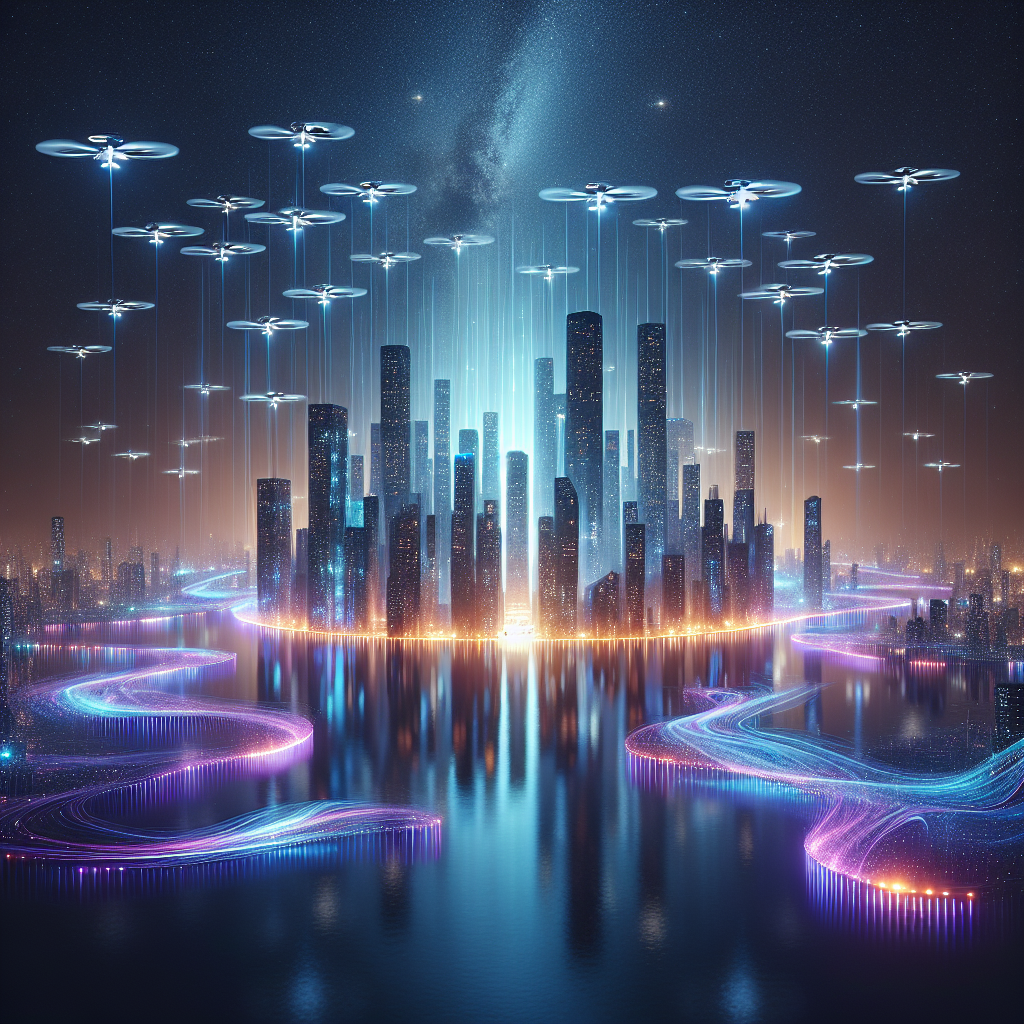
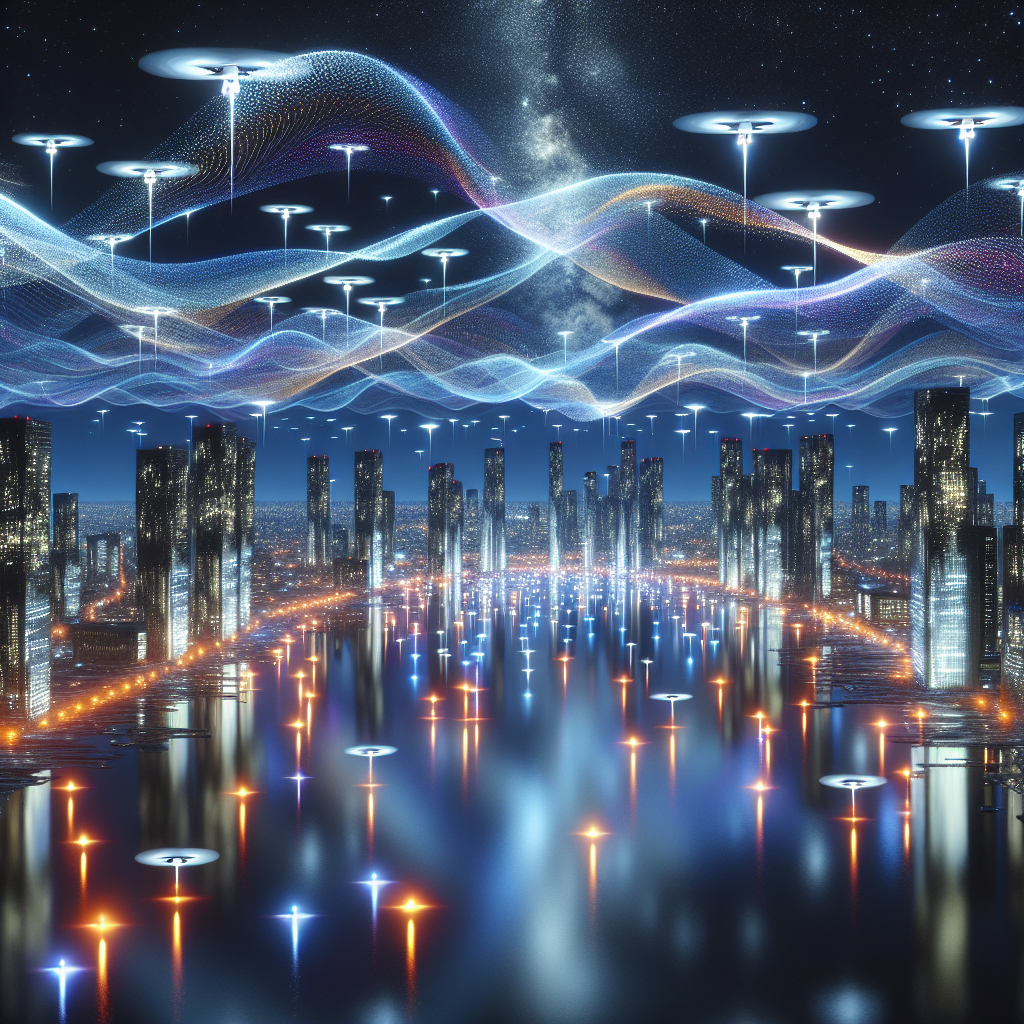
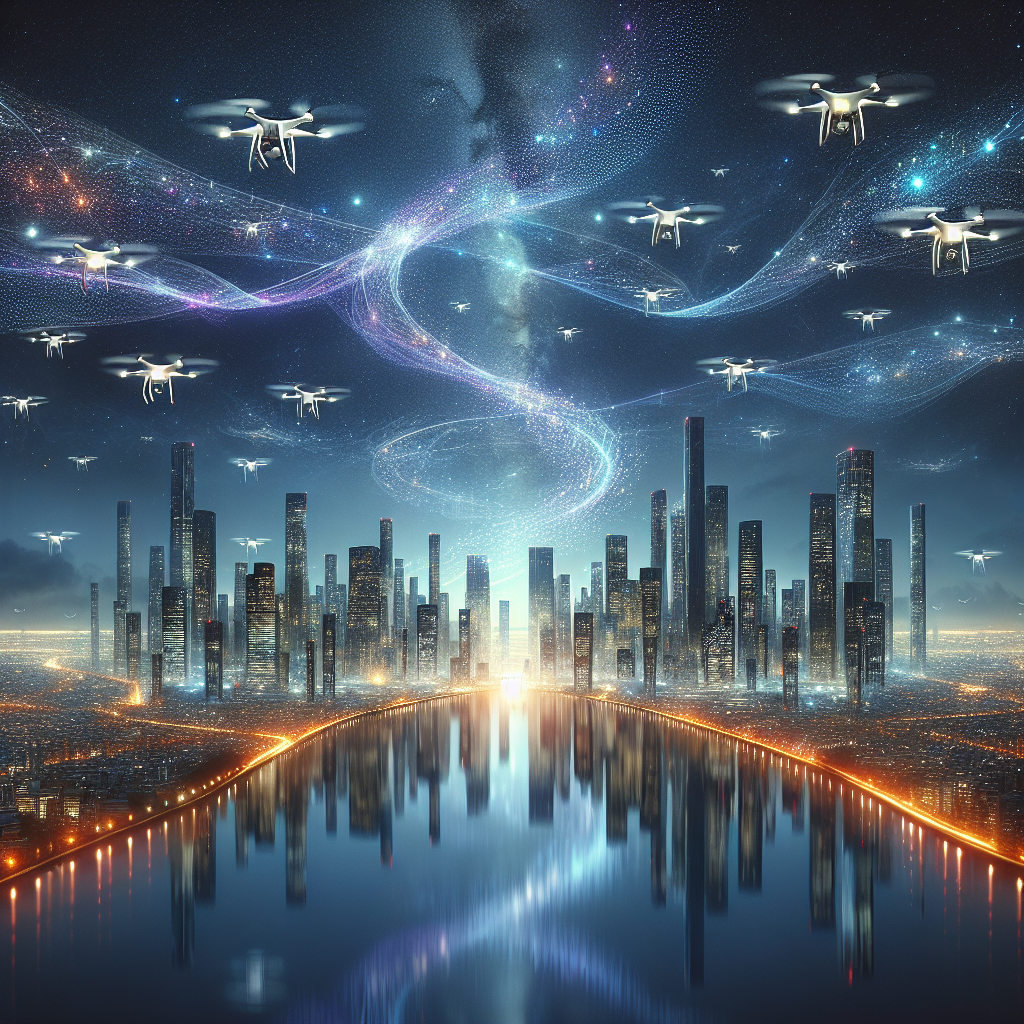
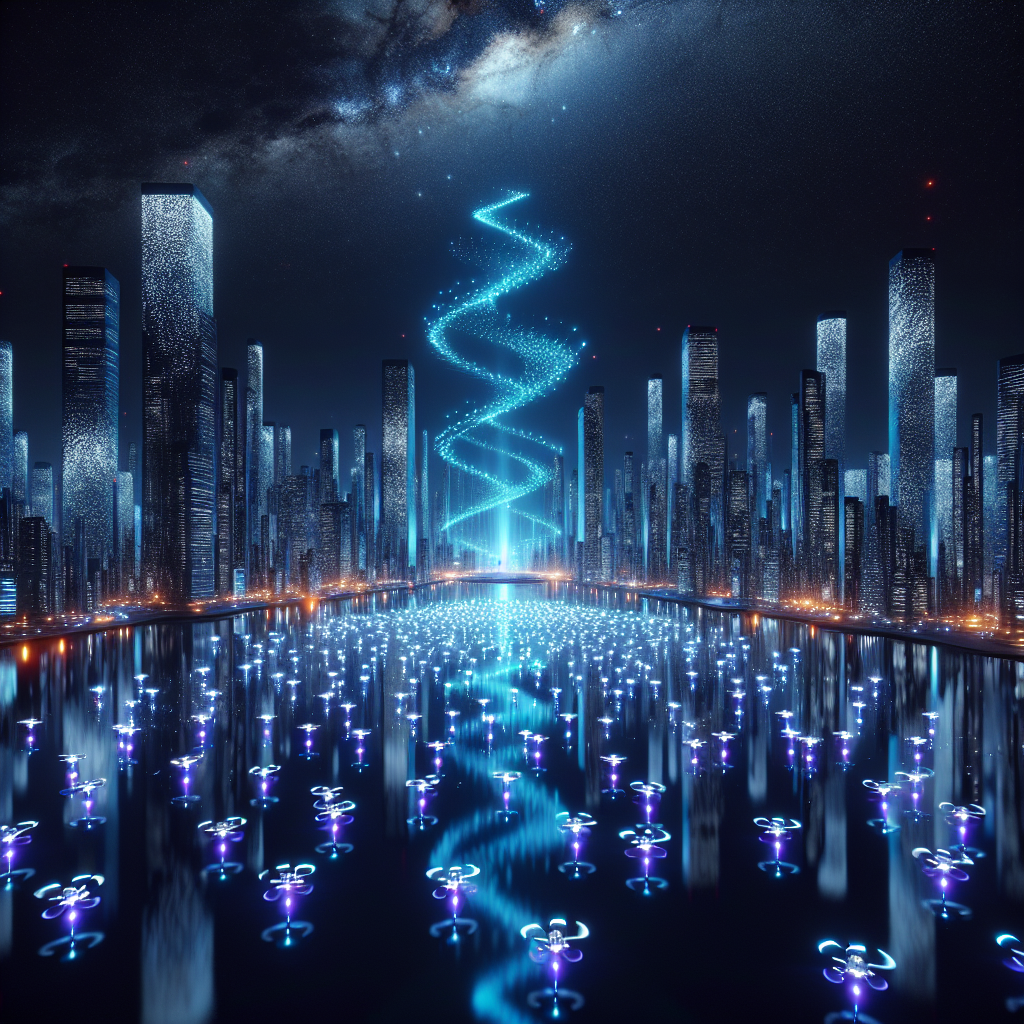
Unlike static lighting installations, drone-based luminescent sculptures introduce motion, rhythm, and narrative. Hundreds of synchronized drones, each equipped with LED modules, trace patterns across the night sky, forming glowing geometries that shift and dissolve in real time. The result is a kind of digital calligraphy in the air—fluid, precise, and profoundly human in its expressiveness.
Technology Meets Atmosphere
At the core of these aerial spectacles lies a confluence of disciplines: robotics, lighting design, and spatial choreography. Each drone acts as a pixel in a three-dimensional canvas, controlled through advanced algorithms that dictate flight paths, color transitions, and intensity gradients. The effect is not merely visual; it is immersive. Viewers often describe the sensation as standing inside a living sculpture of light and motion.
Recent advancements in swarm robotics have made such experiences increasingly precise and safe. Drones can now communicate with each other in real time, maintaining formation even in unpredictable weather conditions. The lighting technology itself has evolved toward energy-efficient micro-LEDs, capable of producing millions of color variations while consuming minimal power. This convergence of sustainability and spectacle reflects a broader trend in design—where technological innovation aligns with ecological responsibility, as explored in net-zero architecture.
Light as a Sculptural Medium
Light has always been central to architectural experience—from the stained glass of Gothic cathedrals to the filtered daylight of Tadao Ando’s concrete sanctuaries. Yet drone-based lighting introduces a new dimension: volumetric light. It occupies space not through reflection or diffusion, but through physical presence. The air itself becomes the stage, and the choreography of light becomes the architecture.
In Tokyo, the collective SkyForm recently unveiled “Luminous Currents,” a performance in which 500 drones formed a glowing river above the Sumida River, mirroring the water’s flow below. The installation was ephemeral—lasting only 20 minutes—but its impact was profound. The piece redefined the relationship between city, nature, and technology, echoing the same sensibility found in bioluminescent lighting design, where light becomes a living, breathing organism within the built environment.
Urban Skies as Canvases
As cities increasingly embrace digital art and immersive experiences, drone-based lighting has emerged as a tool for urban storytelling. Municipalities from Seoul to Paris are experimenting with aerial light performances as part of cultural festivals and civic celebrations. The 2024 Paris Olympics, for instance, integrated drone-based displays into its opening ceremony, projecting dynamic constellations above the Seine—a moment that underscored how ephemeral design interventions can redefine a city’s identity, even if only for a night.
These installations are not mere entertainment; they are urban-scale experiments in perception. By transforming the sky into a programmable surface, designers are effectively expanding the architectural envelope beyond physical boundaries. The skyline becomes a responsive, data-driven canvas—one that can reflect collective emotion, commemorate events, or visualize environmental data in real time.
Designing the Ephemeral: A New Discipline
Creating drone-based luminescent sculptures requires a unique synthesis of design thinking. Architects and lighting designers collaborate with software engineers, aeronautical experts, and choreographers to craft experiences that are both technically feasible and emotionally resonant. The process begins with a conceptual narrative—often inspired by natural phenomena such as auroras, bioluminescence, or migratory patterns—and evolves through iterative simulations that translate story into spatial form.
Unlike traditional architecture, where permanence and materiality dominate, ephemeral lighting design thrives on temporality and sensation. It invites designers to think not in terms of walls and floors, but of atmospheric volumes—how light, sound, and movement can construct a sense of place without physical structure. This approach resonates with the growing interest in immersive art and experiential environments, where the boundaries between observer and space dissolve.
Sustainability and the Future of Aerial Art
While drone-based installations are inherently temporary, their environmental footprint is surprisingly low compared to traditional fireworks or large-scale light shows. Drones can be recharged, reprogrammed, and reused, and their LED systems emit no harmful particulates. This shift toward sustainable spectacle aligns with the broader movement toward eco-conscious design, as seen in initiatives like biodegradable architecture and circular construction practices.
Moreover, the data-driven nature of drone performances allows for precise energy management. Designers can calculate the exact wattage required for each sequence, optimizing brightness and duration to minimize waste. In an era where cities are striving to reduce light pollution and carbon emissions, drone-based lighting offers a poetic yet pragmatic solution—a way to celebrate without consuming.
From Performance to Architecture
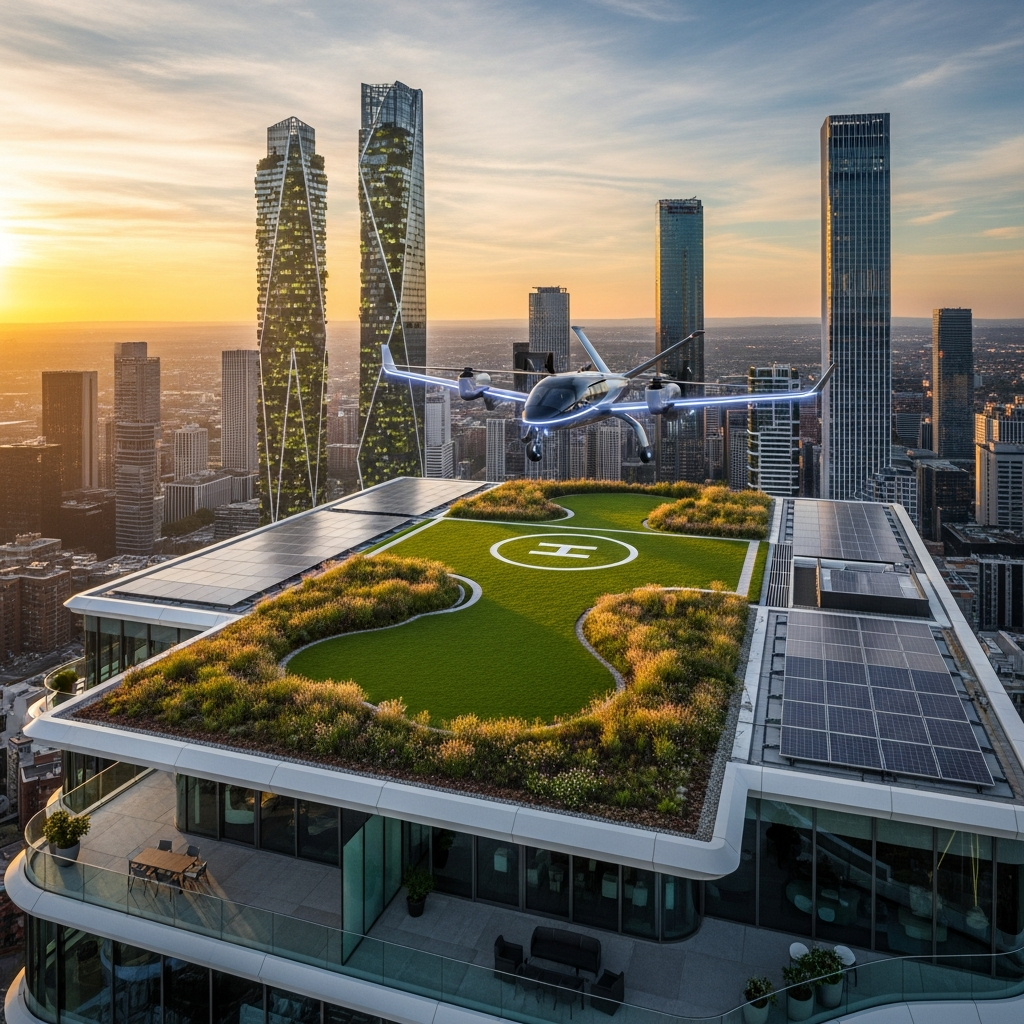
As drone technology becomes more integrated into urban infrastructure, its potential extends beyond art and entertainment. Imagine façades that interact with aerial light formations, or parks where drone-based lighting replaces static lampposts, adapting to pedestrian movement and ambient conditions. The concept of responsive architecture—spaces that adapt to human behavior and environmental cues—is already being explored in projects like adaptive design systems. Drone-based illumination could be the next logical step, bringing fluidity and interactivity to the very fabric of the city.
Architects are beginning to envision buildings designed with drone interaction in mind—structures that frame, reflect, or even launch light formations. The result is a new typology of hybrid environments, where architecture and atmosphere are co-authors of experience. This convergence of physical and digital, permanent and ephemeral, marks a paradigm shift in how we conceive spatial design.
The Poetics of Impermanence
At its core, the allure of drone-based luminescent sculptures lies in their impermanence. They remind us that beauty need not be eternal to be meaningful. Like a sunrise or a passing storm, their power resides in the moment—an experience shared collectively, yet impossible to replicate. In this sense, they echo the philosophy of wabi-sabi, the Japanese aesthetic that finds grace in transience and imperfection.
For architects and designers, this shift toward the ephemeral is not a departure from the discipline’s essence but an expansion of it. It challenges the notion that architecture must always be built from concrete, steel, or glass. Instead, it invites us to build with light, time, and emotion—to design experiences that live in memory rather than in matter.
Conclusion: The Sky as the New Gallery
As we look toward the next decade of design innovation, drone-based luminescent sculptures stand as a testament to the creative potential of technology when guided by artistry and purpose. They transform the sky into a gallery, the city into a stage, and the spectator into a participant. In doing so, they redefine what it means to inhabit space—not through walls and roofs, but through light, rhythm, and collective wonder.
In the lineage of architectural experimentation—from the kinetic façades of the 20th century to today’s virtual design environments—these aerial illuminations represent a new form of