
Hyper-Solarpunk: When Vertical Farms Look Like Sci-Fi Palaces
Hyper-Solarpunk: When Vertical Farms Look Like Sci-Fi Palaces
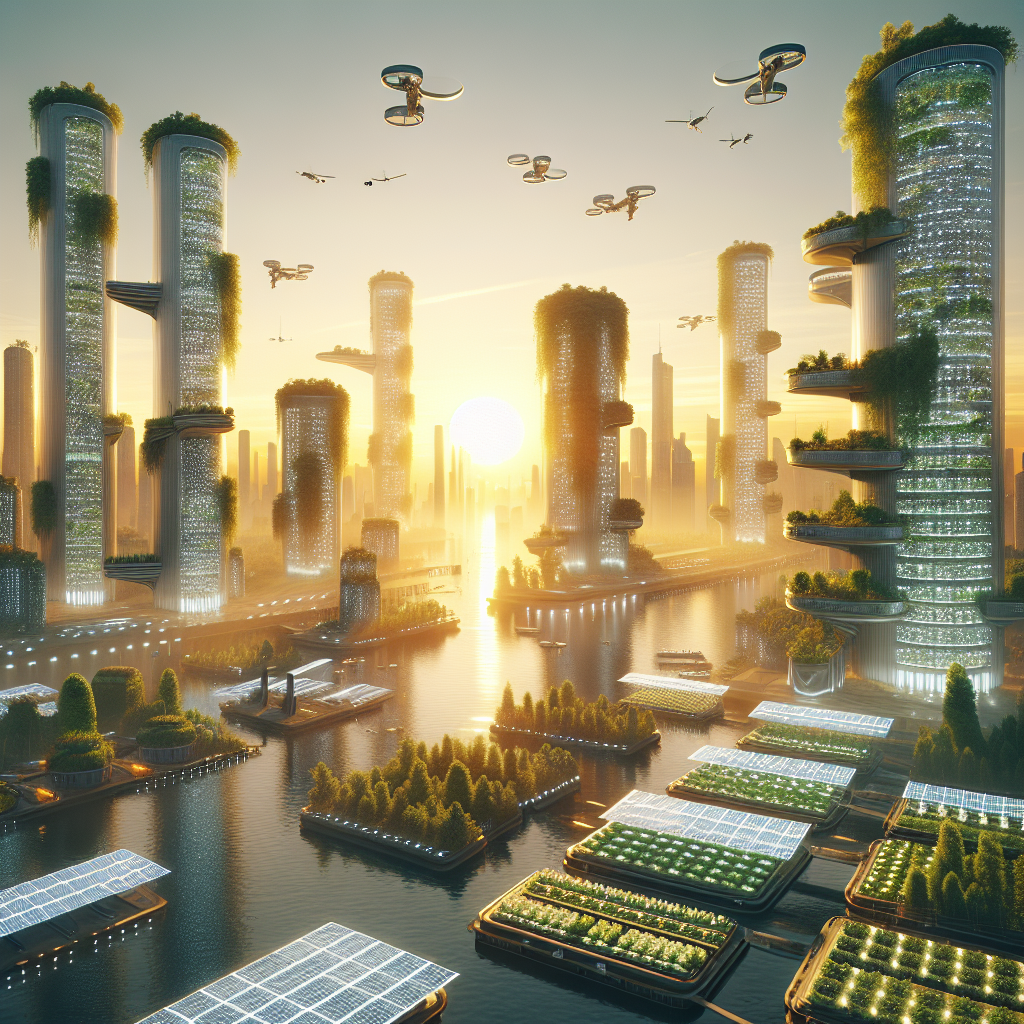
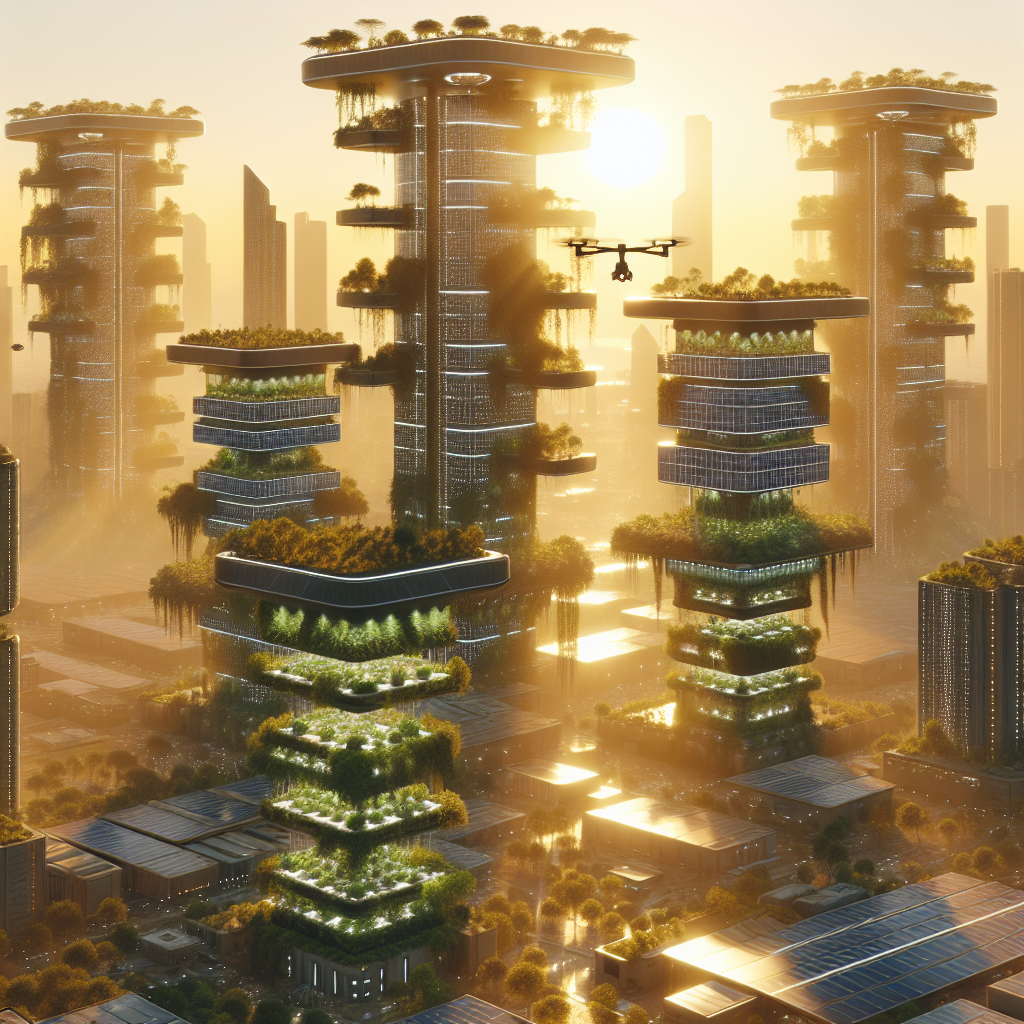
Imagine a skyline where glass towers shimmer not with corporate logos but with chlorophyll. Where sunlight refracts through hydroponic panels, and the hum of drones replaces the roar of delivery trucks. This is the vision of Hyper-Solarpunk—a design movement that merges ecological utopianism with high-tech aesthetics, creating vertical farms that resemble palaces from a science fiction dreamscape. As cities grapple with climate change, food insecurity, and the psychological toll of urban density, these architectural hybrids offer both sustenance and serenity.
The Aesthetic of Abundance
Unlike the gritty dystopias of cinematic lore, Hyper-Solarpunk thrives on optimism. It reimagines the urban fabric as a living organism—one that breathes, grows, and heals. The facades of these futuristic farms are not ornamental; they are functional ecosystems. Layers of photovoltaic glass harvest energy, while algae bioreactors filter air and produce biofuel. Inside, tiered gardens glow under adaptive LED lighting calibrated to mimic natural circadian rhythms.
Architects are drawing inspiration from both nature and speculative fiction. Projects like Singapore’s Sky Greens and Tokyo’s Pasona Urban Farm hint at what’s possible, but Hyper-Solarpunk pushes further. It fuses the self-sufficiency of vertical farming with the aesthetic ambition of contemporary art installations. The result is architecture that feels alive—literally and symbolically.
From Blade Runner to Biophilia
To understand Hyper-Solarpunk’s ethos, one must first acknowledge its counterpoint: the neon-drenched dystopia of cyberpunk. In films like Blade Runner 2049, cities are vertical but lifeless, technological yet toxic. Hyper-Solarpunk inverts that narrative. It borrows the same vertical ambition but infuses it with ecological empathy. Think less smog, more moss.
This philosophy aligns closely with the principles of biophilic design, which integrates natural systems into built environments to enhance human well-being. The Hyper-Solarpunk tower becomes a sensory experience: the scent of basil wafting through corridors, the soft murmur of recycled water trickling through transparent pipes, the visual calm of cascading greenery against mirrored steel.
Engineering the Living Tower
At the core of these designs lies a convergence of material science, robotics, and environmental engineering. Structural systems are increasingly lightweight yet resilient, often employing bio-based composites or cross-laminated timber. The rise of timber in high-rise construction has already demonstrated that natural materials can rival steel in strength while drastically reducing carbon footprints.
According to research published by the Royal Institute of British Architects, integrating plant-based systems into structural design can reduce building energy consumption by up to 30%. Meanwhile, the Journal of Cleaner Production reports that urban agriculture integrated into architecture can offset up to 15% of a city’s food imports. These are not decorative gestures—they are systemic shifts.
Hyper-Solarpunk as Urban Infrastructure
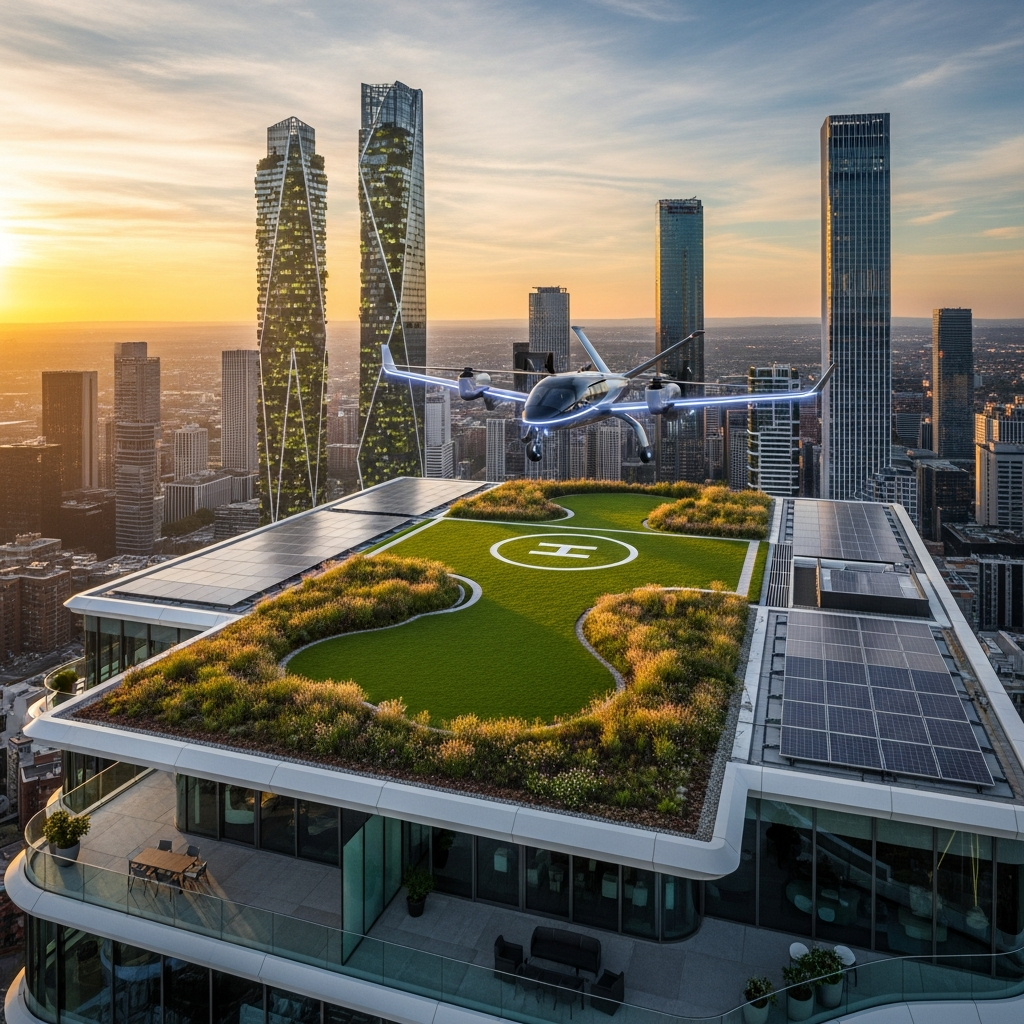
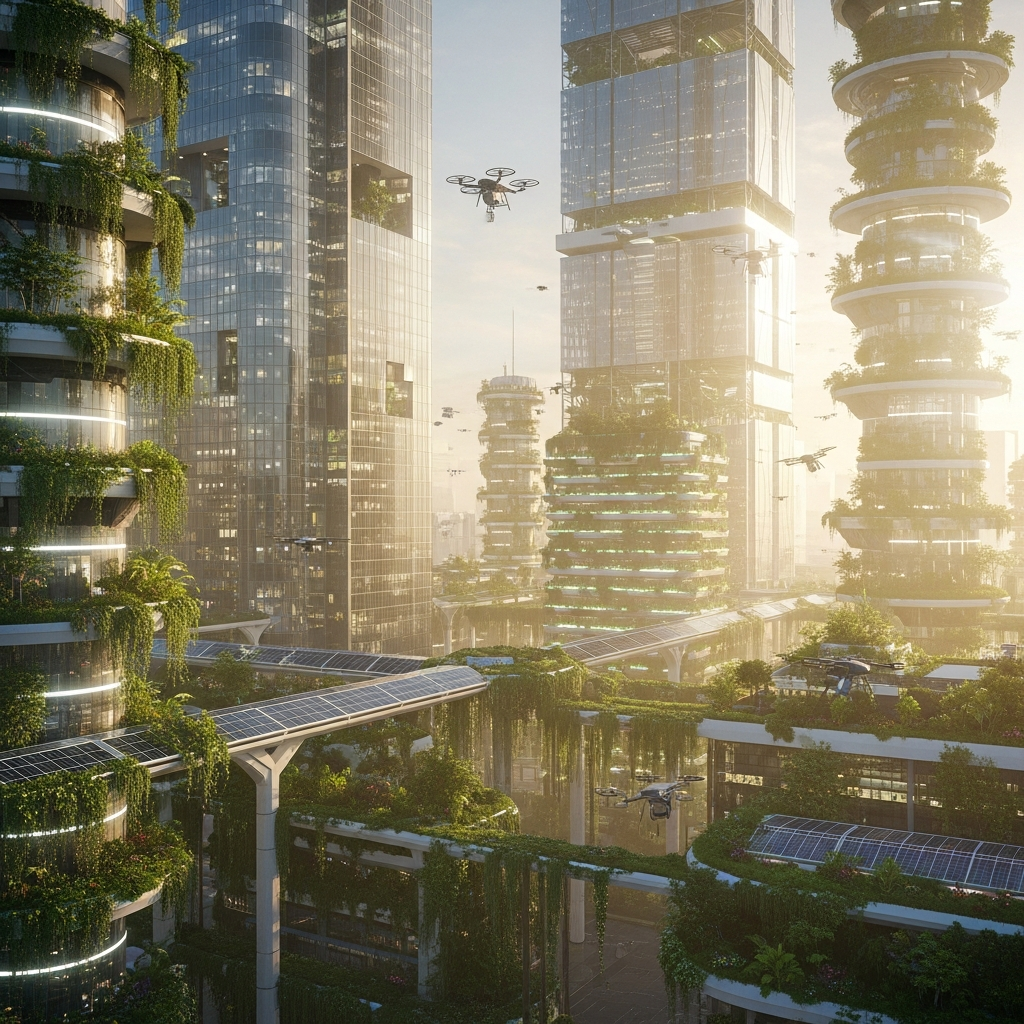
Beyond individual buildings, Hyper-Solarpunk envisions a networked ecosystem of green infrastructure. Imagine entire districts powered by solar façades, cooled by vertical wetlands, and nourished by rooftop orchards. These interconnected systems redefine what sustainability means in dense urban contexts. The architecture itself becomes a form of civic agriculture—a shared resource rather than a private luxury.
Some of the most ambitious proposals integrate autonomous logistics, where robotic pollinators and drone-based harvesters maintain crops across multiple towers. This synergy of automation and ecology recalls the ethos of net-zero design, but with a poetic twist: machines serve nature, not the other way around.
Emotional Sustainability
There’s also a psychological dimension to Hyper-Solarpunk. In an era of digital overload, these verdant structures offer sensory relief. Studies from the American Institute of Architects emphasize that exposure to greenery can lower stress levels and improve cognitive performance. Hyper-Solarpunk environments, with their immersive blend of light, scent, and organic texture, are designed to nurture emotional resilience as much as environmental health.
These spaces invite participation. Residents can harvest herbs from communal terraces, attend workshops on hydroponic cultivation, or simply enjoy the spectacle of a city that grows its own food. The architecture becomes an act of storytelling—each vine, each reflective panel, a chapter in the narrative of urban renewal.
Designing for the Next Century
As climate volatility accelerates, the need for self-sustaining urban ecosystems becomes existential. Hyper-Solarpunk offers a roadmap for resilience that is both technological and cultural. It’s not just about feeding cities but about redefining what cities are for. They become habitats for all species, not just humans.
From the perspective of design evolution, this movement stands at the intersection of aesthetics and ethics. It’s a natural progression from the eco-modernism of the 2010s and the biophilic wave of the 2020s. By 2026, the architectural conversation has matured: sustainability is no longer a feature—it’s the foundation.
The Future is Already Climbing the Walls
Across Europe and Asia, prototypes are already sprouting. In Copenhagen, architects are experimenting with algae-based façades that glow at night, creating luminous vertical gardens. In Seoul, a new district integrates hydroponic farms into residential towers, turning balconies into micro-orchards. These projects blur the line between infrastructure and art, between agriculture and architecture.
Hyper-Solarpunk is not a fantasy; it’s a forecast. It envisions a world where every square meter of the city contributes to ecological balance. Where buildings are not inert monuments but living participants in the biosphere. And perhaps most importantly, where design rekindles a sense of wonder—a reminder that progress and beauty need not be at odds.
{
  "seo_title": "Hyper-Solarpunk: Vertical Farms of the Future",
  "meta_description": "Explore Hyper-Solarpunk, where vertical farms merge sci-fi aesthetics with sustainable architecture and biophilic design.",
  "excerpt": "Could our future skylines bloom with life? Hyper-Solarpunk envisions vertical farms as luminous eco-palaces reshaping urban living.",
  "focus_keyphrase": "Hyper-Solarpunk vertical farms"
}
AI Image Prompts
- Prompt: Photorealistic image of a futuristic vertical farm tower in a dense cityscape, covered in lush greenery and solar glass panels, captured on a Hasselblad H6D at sunrise.
Alt text: Hyper-Solarpunk vertical farm tower glowing at sunrise.
Caption: A Hyper-Solarpunk tower rises above the city, merging agriculture and architecture into one living structure. - Prompt: Interior view of a vertical hydroponic garden inside a glass atrium, with natural light filtering through biophilic patterns, shot on a Hasselblad X2D.
Alt text: Interior of a biophilic vertical farm atrium.
Caption: Inside the Hyper-Solarpunk palace, light and life intertwine in perfect architectural harmony. - Prompt: Aerial shot of interconnected rooftop farms and solar-powered walkways linking multiple eco-towers, photographed mid-day with a Hasselblad drone camera.
Alt text: Network of rooftop farms connecting eco-towers.
Caption: A network of rooftop ecosystems forms the green infrastructure of tomorrow’s cities. - Prompt: Nighttime cityscape with bioluminescent algae façades and reflective water channels, captured on a Hasselblad X1D II 50C.
Alt text: Bioluminescent façades illuminating a futuristic eco-city.
Caption: At night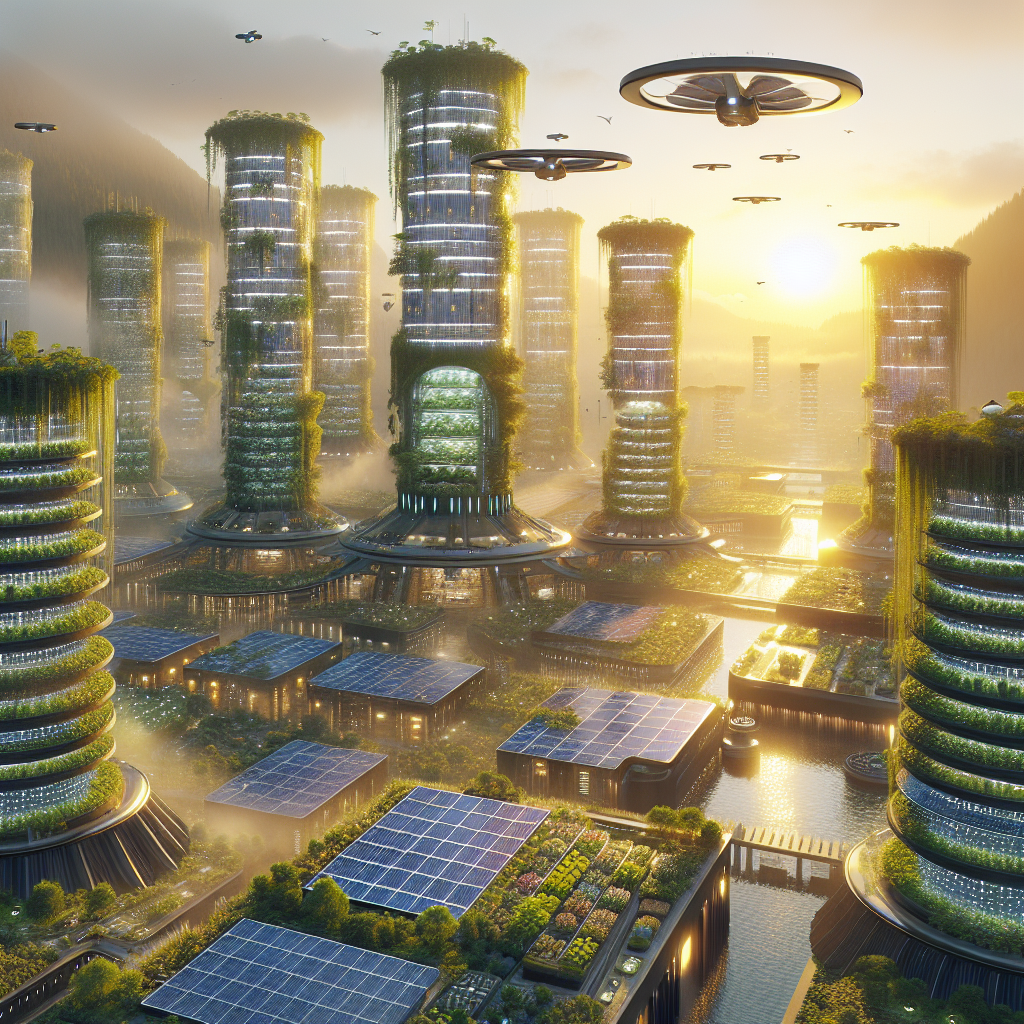
 ×
×❮ ❯