
Holistic home hubs: integrated mental-wellness corners and mindfulness tech

Holistic Home Hubs: Integrated Mental-Wellness Corners and Mindfulness Tech
In the evolving lexicon of contemporary architecture and interior design, the home is no longer a static shelter—it is a responsive ecosystem. As the global conversation around mental wellness intensifies, architects and designers are reimagining domestic environments as holistic sanctuaries that nurture emotional equilibrium as much as aesthetic pleasure. The rise of holistic home hubs—spaces that seamlessly integrate mindfulness technology with sensory design—marks a profound shift in how we conceive, inhabit, and interact with our interiors.
The Architecture of Calm: From Function to Feeling
Over the past decade, the design industry has witnessed a pivot from purely functional minimalism to emotionally intelligent design. According to a 2025 report by the Global Wellness Institute, the wellness real estate market surpassed $500 billion, with mental health-oriented design emerging as a key growth driver. Homes are now being designed not just to impress, but to heal.
Architects are drawing from principles of biophilic design—integrating natural light, organic materials, and greenery—to create environments that reduce stress and enhance cognitive function. Yet, the new frontier extends beyond nature-inspired aesthetics. It lies in the subtle choreography of light, sound, scent, and technology to create mindful micro-environments within the home.
Designing the Mindful Corner: A New Domestic Typology
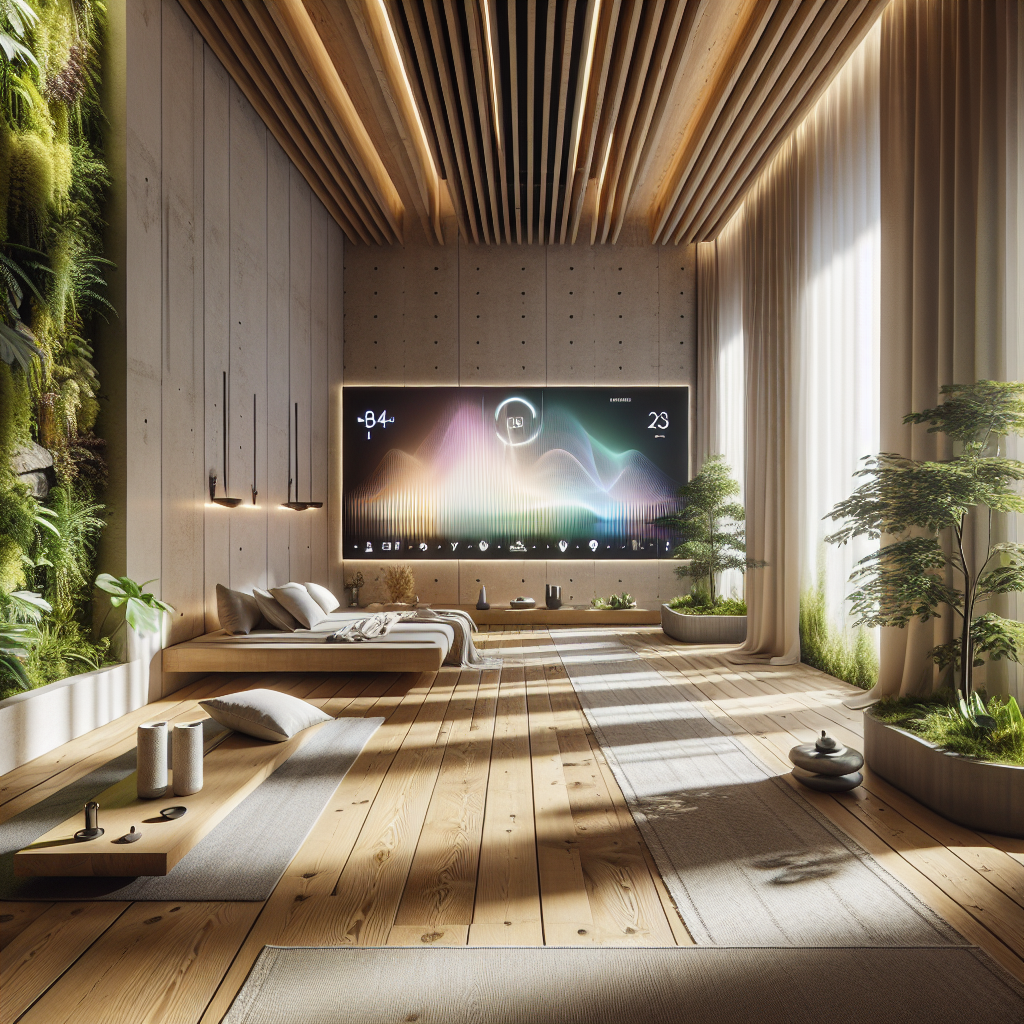
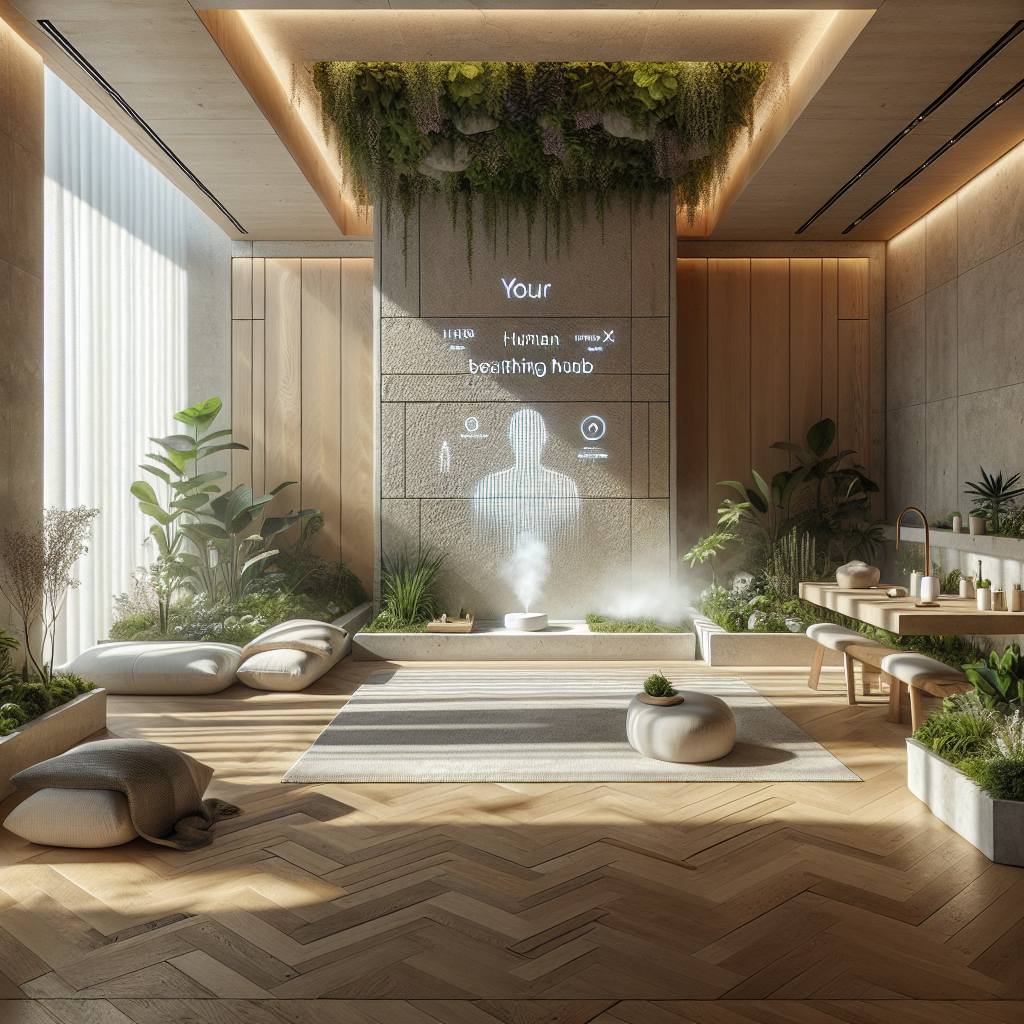
The wellness corner—a dedicated space for meditation, breathwork, or digital detox—is fast becoming a staple in high-end residential projects. Unlike traditional home gyms or spas, these zones are intimate, introspective, and technologically attuned. They often occupy transitional spaces: a sunlit alcove near a window, a recessed niche beneath a staircase, or a softly lit corner framed by acoustic panels.
Materiality plays a pivotal role. Designers are favoring tactile minimalism—limewashed walls, linen drapery, and reclaimed timber floors that absorb rather than reflect light. In one Tokyo apartment by Nendo, a meditation alcove is defined by a cocoon of pale ash wood and concealed LED strips that mimic the rhythm of breathing. The result is a space that feels both ancient and futuristic, analog and digital.
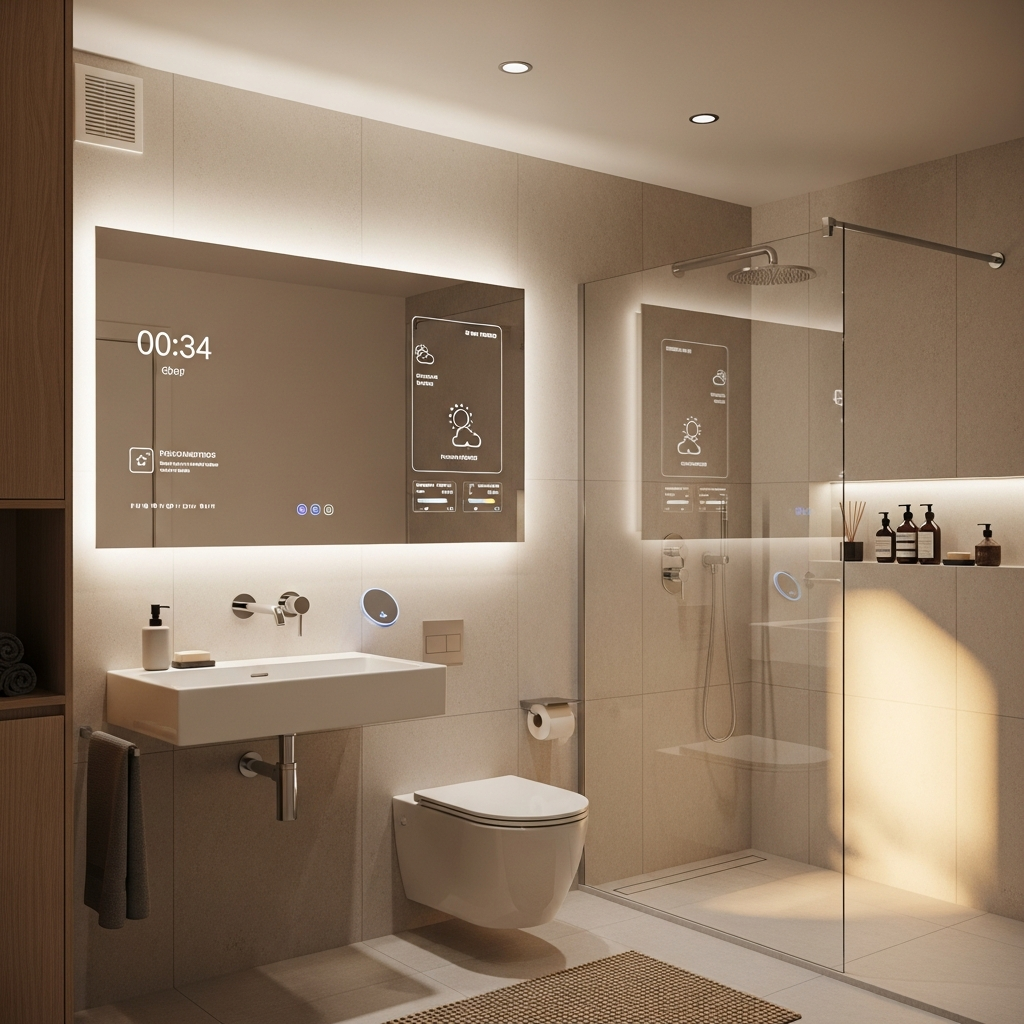
In parallel, architects are experimenting with responsive design systems that adjust environmental conditions in real time. Smart sensors track heart rate variability or ambient noise levels, subtly altering lighting temperature or soundscapes to maintain a state of calm. The boundary between architecture and biofeedback is dissolving.
Mindfulness Tech: The Digital Nervous System of the Home
Mindfulness technology has evolved far beyond smartphone meditation apps. The latest generation of smart home wellness systems integrates biometric data, environmental sensors, and AI-driven personalization. These systems transform the home into a living organism that listens, learns, and responds to its inhabitants’ emotional states.
Take, for instance, the emergence of neuroadaptive lighting. Using circadian algorithms, these systems adjust hue and intensity to synchronize with the body’s natural rhythms, promoting alertness during the day and serenity at night. Meanwhile, sound-responsive architecture—as explored in projects like sonic architecture—uses acoustic mapping to create environments that “breathe” with the user’s movements and mood.
In wellness-oriented homes, AI-powered scent diffusers release calming essential oils when stress biomarkers spike, while haptic flooring provides gentle vibrations to guide breathing exercises. The home becomes a multisensory feedback loop—an empathetic companion rather than a passive container.
Case Studies: Where Architecture Meets Neuroscience
In Copenhagen, the design studio Norm Architects has pioneered what it calls “soft minimalism,” merging Scandinavian restraint with sensory warmth. Their interiors use muted palettes, diffused daylight, and tactile surfaces to evoke psychological safety. Similarly, in Los Angeles, the wellness tech startup MindSpace collaborated with interior designer Kelly Wearstler to create an apartment where EEG headbands communicate with ambient lighting systems, visually mirroring the user’s meditative state.
These examples underscore a broader trend: the convergence of neuroscience and spatial design. Studies published in the Journal of Environmental Psychology confirm that environments with controlled acoustics, natural materials, and variable lighting significantly reduce cortisol levels. Architects are increasingly collaborating with cognitive scientists to quantify the emotional impact of spatial decisions—a practice once reserved for healthcare design but now permeating residential architecture.
From Smart Homes to Sentient Spaces
The notion of the “smart home” is evolving into what some theorists call the sentient home—a dwelling that anticipates and adapts to human emotion. This paradigm shift echoes earlier explorations of AI in architecture, where machine learning was applied to optimize energy use or spatial efficiency. Today, the same intelligence is being redirected toward emotional sustainability.
Designers are embedding empathic algorithms into furniture and fixtures. A meditation bench may warm slightly as one sits, simulating human touch. A wall-mounted panel might display abstract visualizations of one’s breath. These subtle cues reinforce mindfulness through interaction, creating a dialogue between user and environment.
As homes become more responsive, privacy and ethical design are paramount. The challenge lies in balancing technological intimacy with personal autonomy—ensuring that wellness data remains private, and that the home’s intelligence enhances rather than dictates human behavior.
Biophilia 2.0: The Fusion of Nature and Neural Networks
While the roots of wellness design lie in biophilia, the latest iteration—Biophilia 2.0—integrates natural systems with digital intelligence. Living walls now feature embedded humidity sensors that adjust irrigation based on plant health and indoor air quality. Artificial skylights replicate the shifting color temperature of the sun, while virtual windows project real-time forest imagery captured by drones.
This synthesis of organic and digital elements recalls the speculative urban ecologies explored in futuristic city design. Yet within the domestic sphere, the effect is intimate rather than cinematic. The goal is not to simulate nature, but to restore a sensory dialogue between human and habitat.
The Future of Wellness-Oriented Living
By 2026, the wellness home has matured from a niche luxury to a mainstream aspiration. Developers are incorporating meditation pods, soundproofed “quiet rooms,” and AI-integrated lighting systems into new residential complexes. Furniture brands are experimenting with bio-sensing textiles that monitor posture and respiration, while architects are designing layouts that encourage slow circulation and contemplative pauses.
In this new domestic paradigm, the home is both a retreat and a teacher—a space that cultivates awareness through design. The holistic home hub represents more than a trend; it is a blueprint for living architecture that aligns mental well-being with spatial intelligence.
As we move deeper into an era defined by sensory overload and digital fatigue, the integration of mindfulness technology into the built environment offers a quiet revolution. It reaffirms the architect’s role not merely as a creator of form, but as a curator of feeling—a designer of inner worlds as much as outer ones.
In the end, the most advanced home may not be the one that thinks for us, but the one that helps us think with clarity.
Keywords: holistic home hubs, mindfulness technology, wellness architecture, biophilic design, smart home wellness, emotional sustainability, neuroarchitecture
Related reading: explore mindful design in urban spaces and smart home technology innovations shaping the next generation of domestic architecture.
External references: learn more about biophilic design and the principles of mindfulness shaping modern living environments.