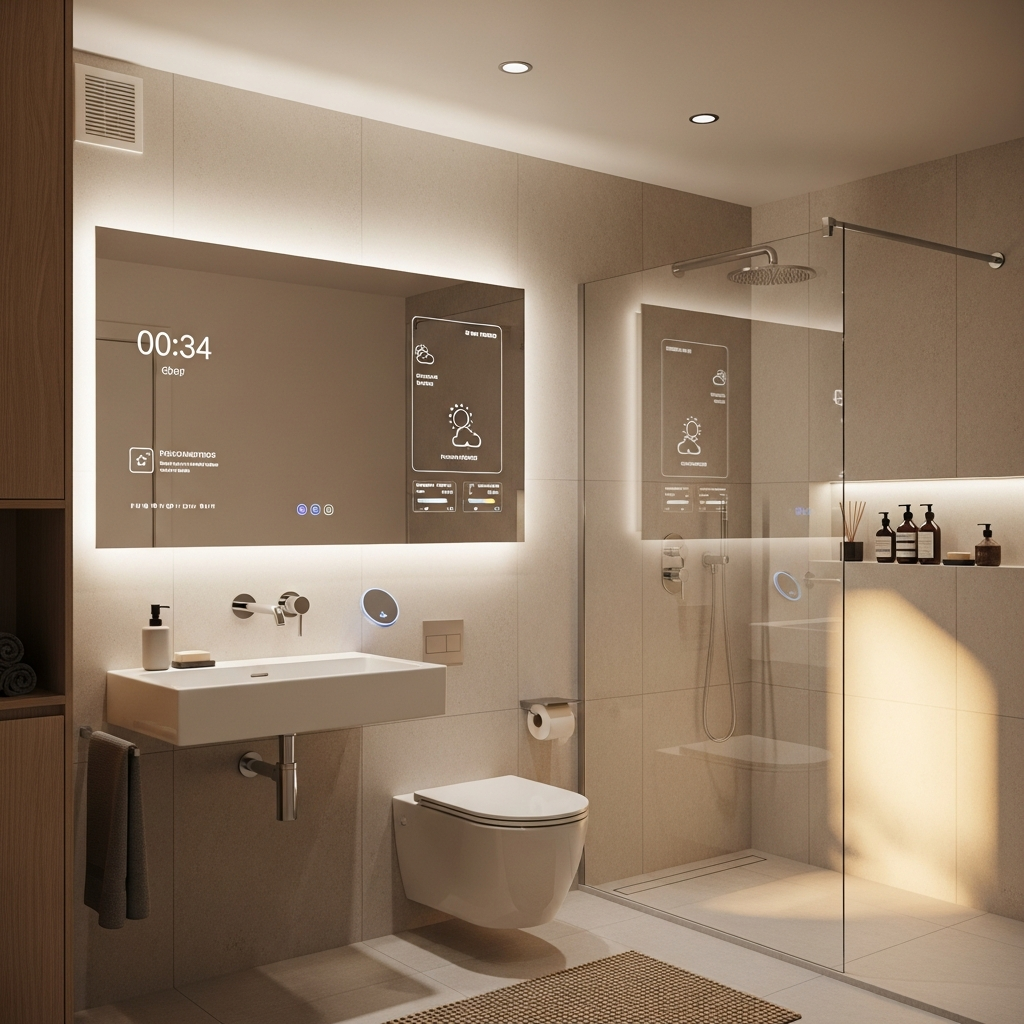

Haptic Interiors: Touch-Sensitive Design for Multi-Sensory Spaces
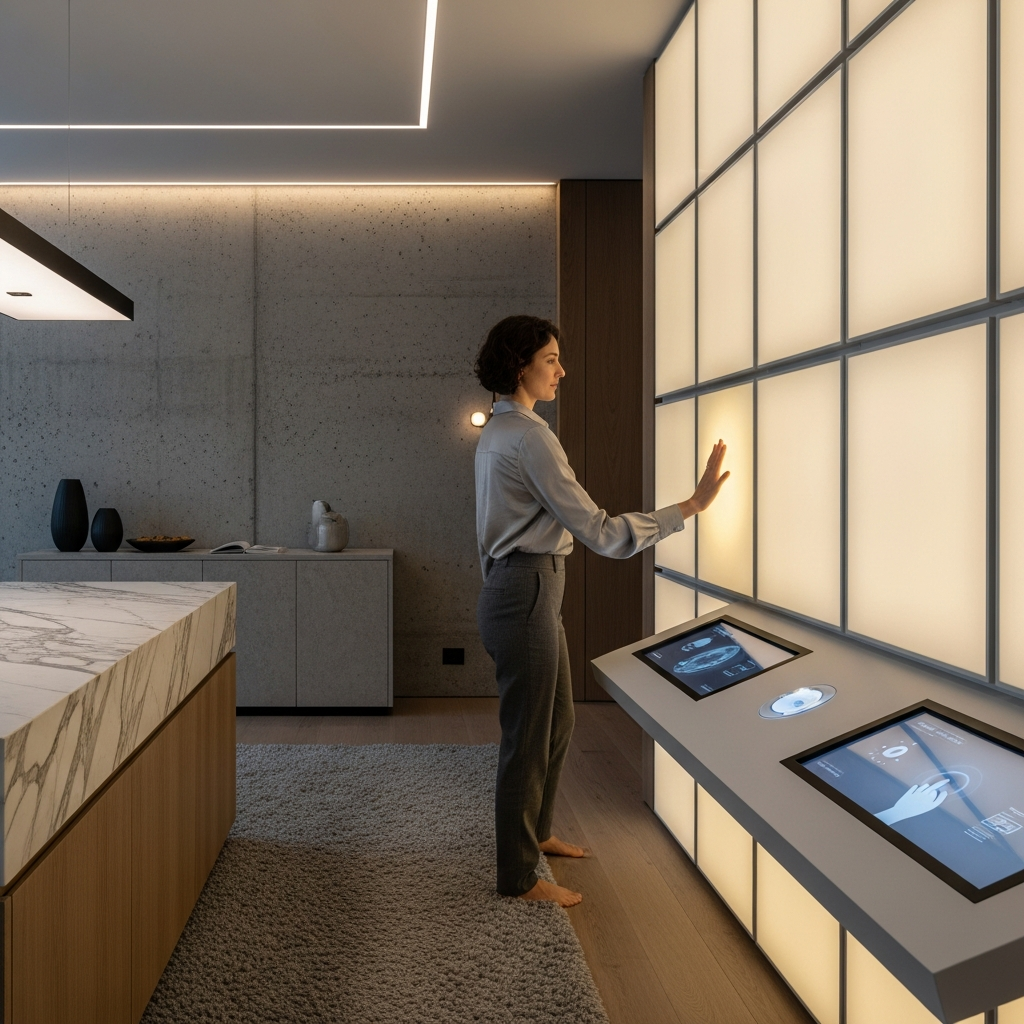
Haptic Interiors: Touch-Sensitive Design for Multi-Sensory Spaces
In the evolving lexicon of contemporary design, haptic interiors have emerged as a profound response to an increasingly digital and visually saturated world. Where sight once dominated the architectural experience, touch is reclaiming its primacy. Designers and architects are now crafting spaces that don’t just look exquisite—they feel alive. Through tactile materials, responsive technologies, and sensorial layering, haptic design transforms interiors into immersive environments that engage the body as much as the mind.
The Rise of Haptic Awareness in Design
In the early 21st century, the dominance of screens and virtual interfaces led to what scholars termed “the tyranny of the visual.” Yet, as our lives became more mediated by digital surfaces, the craving for physical connection intensified. This shift has catalyzed a new design movement—one that values tactility, texture, and embodied experience as central to spatial storytelling.
According to a 2025 report by the World Design Organization, over 60% of global design studios have integrated sensory or haptic principles into their projects. This is not a fleeting aesthetic trend but a deeper philosophical realignment: a recognition that architecture and interiors are multisensory art forms. The haptic turn aligns with broader movements such as biophilic design and responsive architecture, both of which prioritize human perception and emotional resonance.
Defining Haptic Interiors
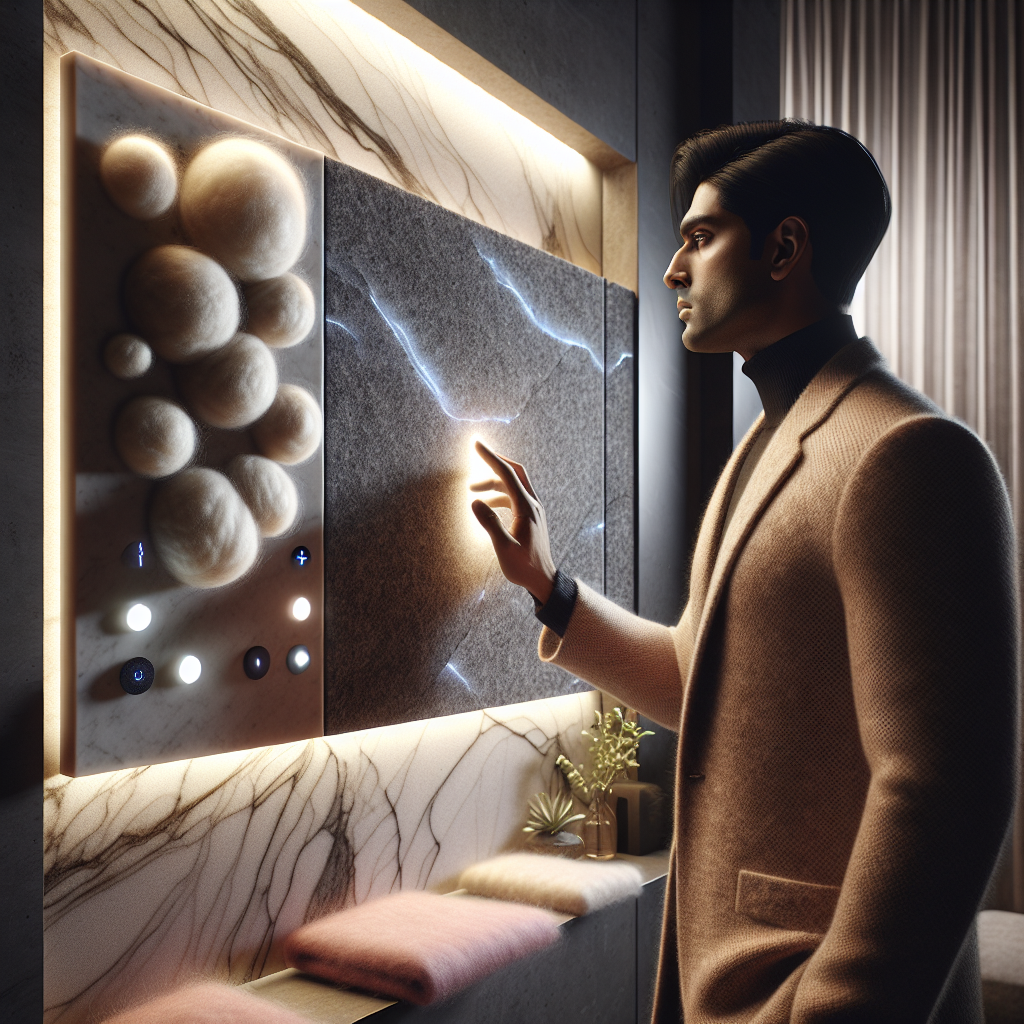
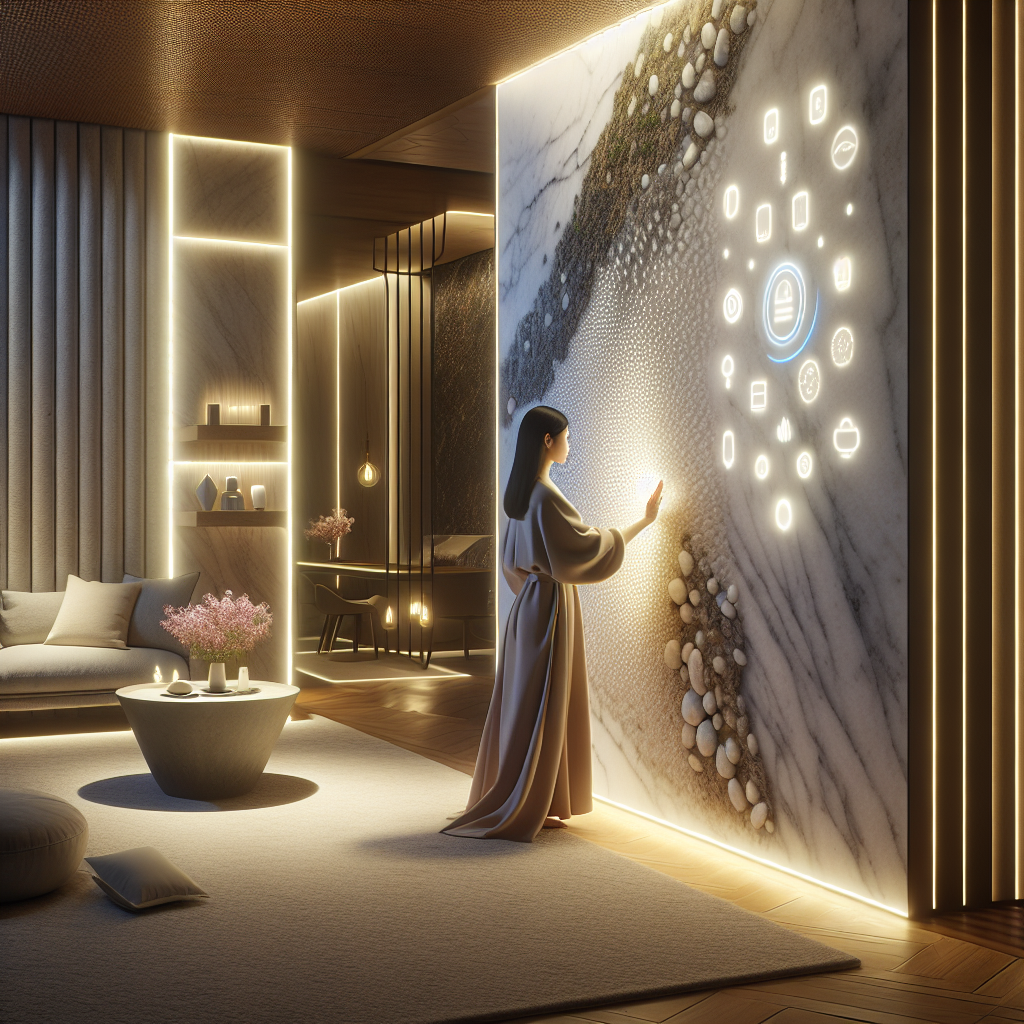
Haptic interiors are spaces designed to stimulate the sense of touch—both directly, through material contact, and indirectly, through atmospheric cues. They are defined by tactile diversity: rough meets smooth, warm meets cool, matte meets reflective. But beyond materiality, haptic design often integrates touch-sensitive technologies that allow environments to respond to human presence. Floors that vibrate subtly underfoot, walls that glow upon contact, and textiles that adjust temperature in response to body heat—all exemplify the fusion of sensory design and smart innovation.
In essence, haptic interiors invite participation. They transform passive occupants into active explorers, encouraging curiosity and engagement. As the architect Juhani Pallasmaa famously argued in The Eyes of the Skin, “The door handle is the handshake of the building.” Today, that handshake has evolved into a full-bodied embrace.
Material Intelligence: The Language of Touch
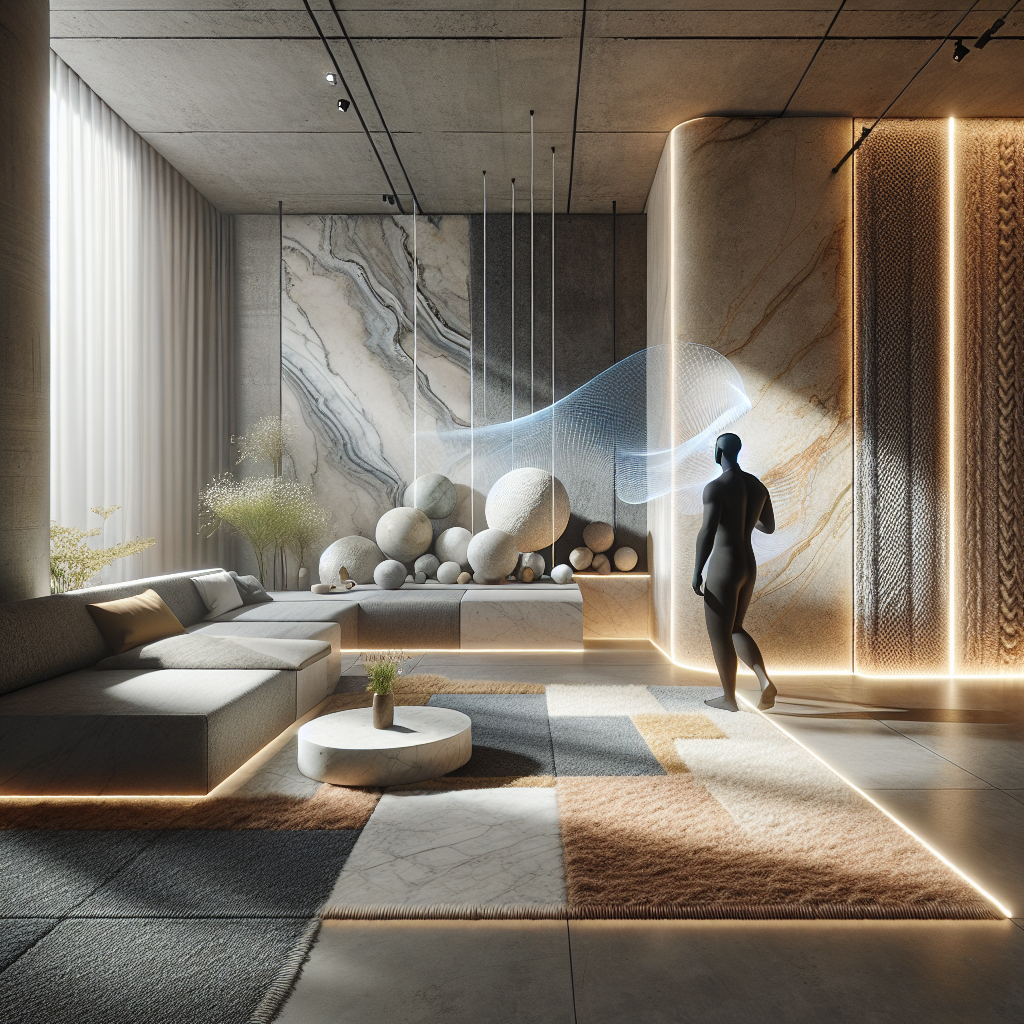
At the heart of haptic design lies material intelligence—the thoughtful selection and juxtaposition of surfaces that evoke emotional and physical responses. Consider the cool smoothness of honed marble against the fibrous warmth of handwoven wool, or the grainy resistance of raw concrete juxtaposed with the silken glide of brushed metal. These contrasts are not merely decorative; they choreograph the way we move through and inhabit space.
In luxury hospitality, for instance, designers are increasingly using micro-textured wall panels and sensor-embedded fabrics to create environments that subtly react to guests’ gestures. The Aman Kyoto resort, for example, integrates cedarwood panels that release scent when touched, merging olfactory and tactile sensations into a unified experience. Similarly, experimental studios like London’s Loop.pH are developing e-textile installations that pulse gently when brushed, transforming walls into living membranes.
This interplay between organic and synthetic echoes the ethos of sustainable innovation—a balance between sensory richness and environmental responsibility. Many haptic materials, such as cork, clay, and mycelium composites, are both biodegradable and deeply tactile, offering designers a palette that is as ethical as it is evocative.
Technology Meets Tactility: The Digital Haptic Frontier
While haptic design often celebrates the analog, it is increasingly intertwined with digital technology. The emergence of touch-responsive surfaces and interactive materials has expanded the boundaries of what interiors can do. Companies like Philips and Panasonic are developing conductive paints and pressure-sensitive polymers that transform walls into interactive canvases. Imagine a living room where a light turns on with a gentle tap on the wall, or a museum where visitors navigate exhibits through tactile gestures rather than screens.
In this context, haptic feedback systems—long used in gaming and robotics—are migrating into architectural applications. Floors that respond to footsteps with subtle vibrations can guide users through space without signage. Furniture embedded with biosensors can adjust ergonomics based on body temperature or heart rate. Such innovations not only enhance comfort but also redefine the relationship between humans and their built environment.
Projects like the “Tactile City” installation at the 2025 Milan Design Week showcased how urban environments could become responsive ecosystems. Pavements that glow under pressure, benches that hum softly when occupied, and facades that ripple in response to wind or touch—all suggest a future where architecture communicates through sensation rather than spectacle.
Emotional Resonance and the Psychology of Touch
Touch is the first sense we develop and the last we lose. It is deeply tied to memory, emotion, and well-being. Neuroscientific studies have shown that tactile stimulation can reduce stress, enhance focus, and foster a sense of belonging. In design terms, this translates into interiors that nurture both body and psyche.
Haptic design is particularly relevant in wellness architecture and therapeutic environments. Hospitals and care facilities are adopting textured wall finishes and soft, natural materials to create calming atmospheres. In workplaces, tactile zoning—using distinct materials to define areas of focus, collaboration, or relaxation—has been shown to improve cognitive performance and emotional balance.
These findings align with the principles of environmental psychology, which emphasizes the multisensory nature of human perception. When design engages touch, it fosters a deeper, more empathetic connection between people and place.
Case Studies: Spaces That Speak Through Touch
One striking example is the “Soft Brutalism” movement, which reinterprets the raw tactility of concrete through plush, fabric-lined interiors. In projects like Tokyo’s Nendo-designed retail spaces, concrete walls are softened with suede panels and curved edges, creating a dialogue between hardness and intimacy. Similarly, the “Sonic Bubble” installations by Studio Roosegaarde use air pressure and vibration to make sound visible and tangible, blurring the line between architecture and performance.
In residential design, haptic principles are redefining luxury. High-end apartments in Copenhagen and Seoul now feature temperature-reactive surfaces that warm under touch, or micro-textured flooring that subtly guides movement. These innovations reflect a broader cultural shift: from ostentatious display to sensory depth, from visual excess to experiential refinement.
The Future of Multi-Sensory Spaces
As we move deeper into the era of multi-sensory design, the boundaries between architecture, art, and technology continue to dissolve. The next frontier lies in haptic data integration—spaces that learn from human interaction and adapt accordingly. Imagine a co-working studio that senses collective stress levels and adjusts lighting and texture to promote calm, or a home that recognizes its inhabitants through touch patterns rather than facial recognition.
These developments echo the ambitions of AI-driven architecture, where data is not merely visualized but felt. The ultimate goal is not to create reactive spaces for their own sake, but to cultivate environments that are emotionally intelligent—spaces that listen, respond, and comfort through touch.
A New Sensory Ethos
Haptic interiors signal a paradigm shift in design thinking. They remind us that architecture is not only about form and function but about feeling. In an age of digital abstraction, the return to touch represents a profound act of reconnection—with materials, with space, and with ourselves. As designers continue to explore the potential of haptic technologies and tactile storytelling, interiors will no longer be silent backdrops to life but active participants in it—whispering, pulsing, and responding to every gesture.
In the end, the future of design may not be about what we see, but about what we feel.
Keywords: