
Frutiger Aero Interiors: Why We Are Obsessed with the Early 2000s Future
Frutiger Aero Interiors: Why We Are Obsessed with the Early 2000s Future
The Return of a Digital Dream
There’s a peculiar nostalgia in the air—one that smells faintly of brushed aluminum, ozone, and optimism. The design world is rediscovering the *Frutiger Aero* aesthetic: that early-2000s vision of the future where glass, gradients, and gloss promised a seamless tomorrow. It’s the visual language of Windows XP wallpapers, translucent iPods, and airport wayfinding systems. Today, this aesthetic is reemerging—not as kitsch, but as a blueprint for interiors that balance digital clarity with tactile comfort. The resurgence of Frutiger Aero interiors speaks to a longing for optimism in design. After years of muted minimalism and beige wellness palettes, designers are embracing transparency, light, and motion once again. Spaces now shimmer with reflective surfaces, aquatic hues, and ambient illumination that feels both nostalgic and strangely futuristic.What Defines the Frutiger Aero Interior?
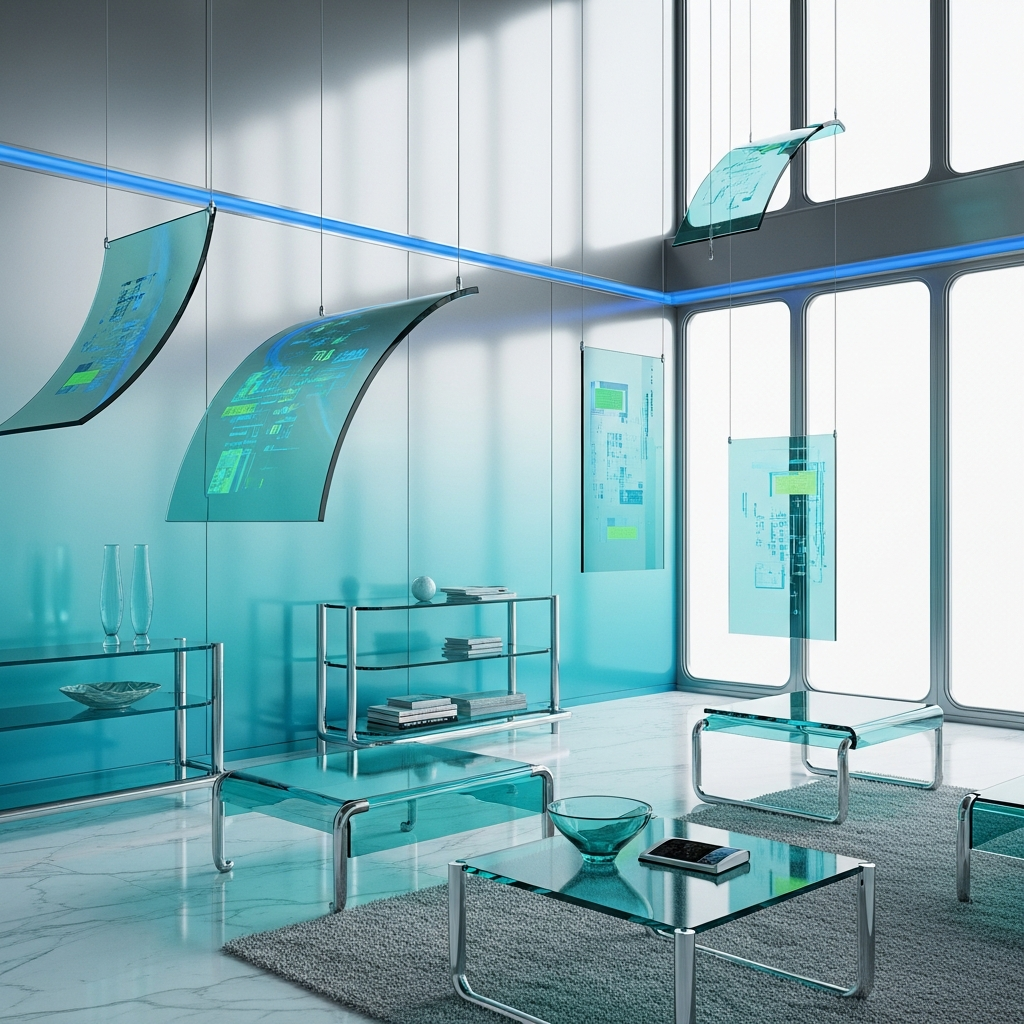
At its core, Frutiger Aero is about clarity—both visual and conceptual. The aesthetic takes its name from the typeface that guided travelers through airports and from the sleek, aerodynamic forms of early-2000s tech design. Think glass-topped desks, chrome fixtures, and floating panels that seem to defy gravity. In interiors, this translates into fluid spatial arrangements, diffused lighting, and materials that refract rather than absorb. Designers are reinterpreting these elements with a sustainable twist. Instead of synthetic plastics, they’re using recycled glass composites and biopolymers. Transparent dividers double as acoustic panels; curved LED walls mimic the glow of CRT monitors without the energy waste. The result is a hybrid environment—half digital nostalgia, half ecological consciousness. This aesthetic evolution parallels the growing interest in *retro-futurism*, where past visions of the future become templates for new optimism. It’s a cultural loop: we revisit the design codes of the early millennium not to replicate them, but to reinterpret their sense of hope.From Airports to Living Rooms
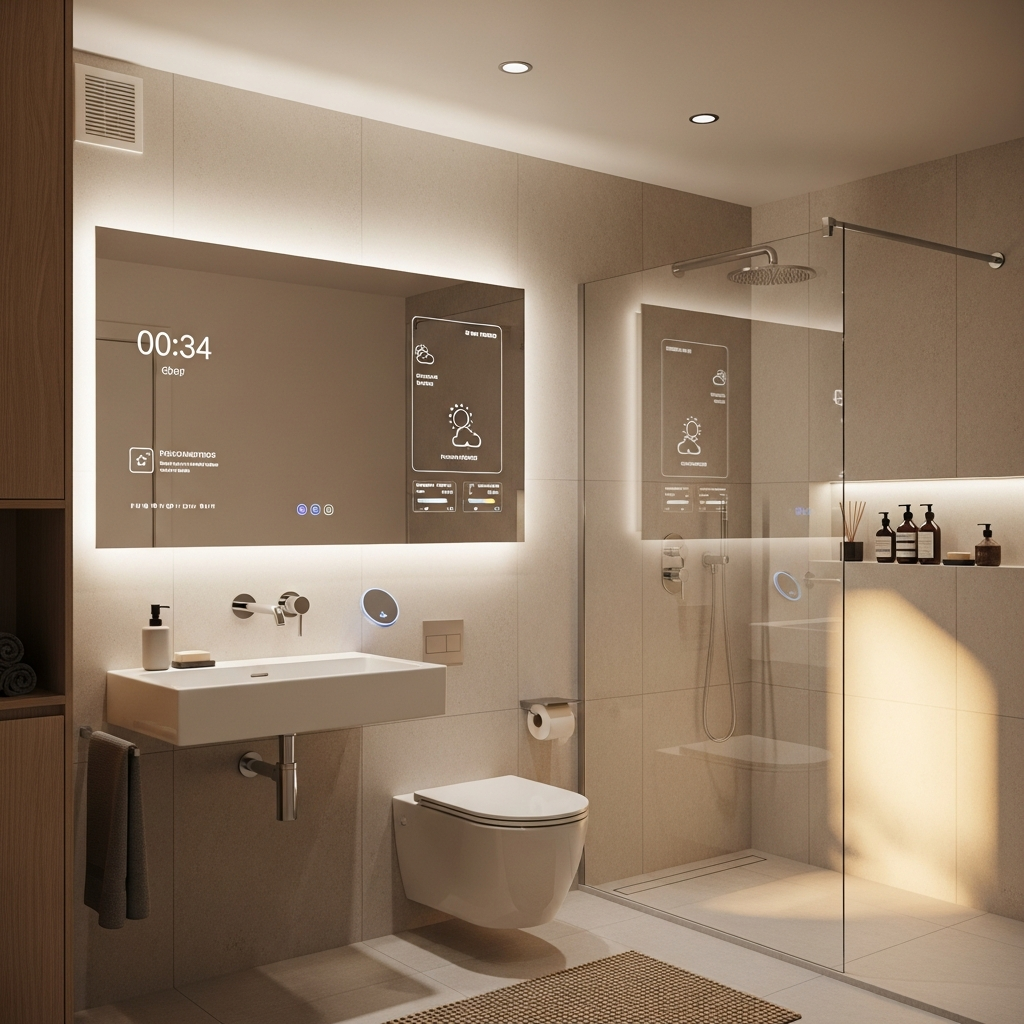
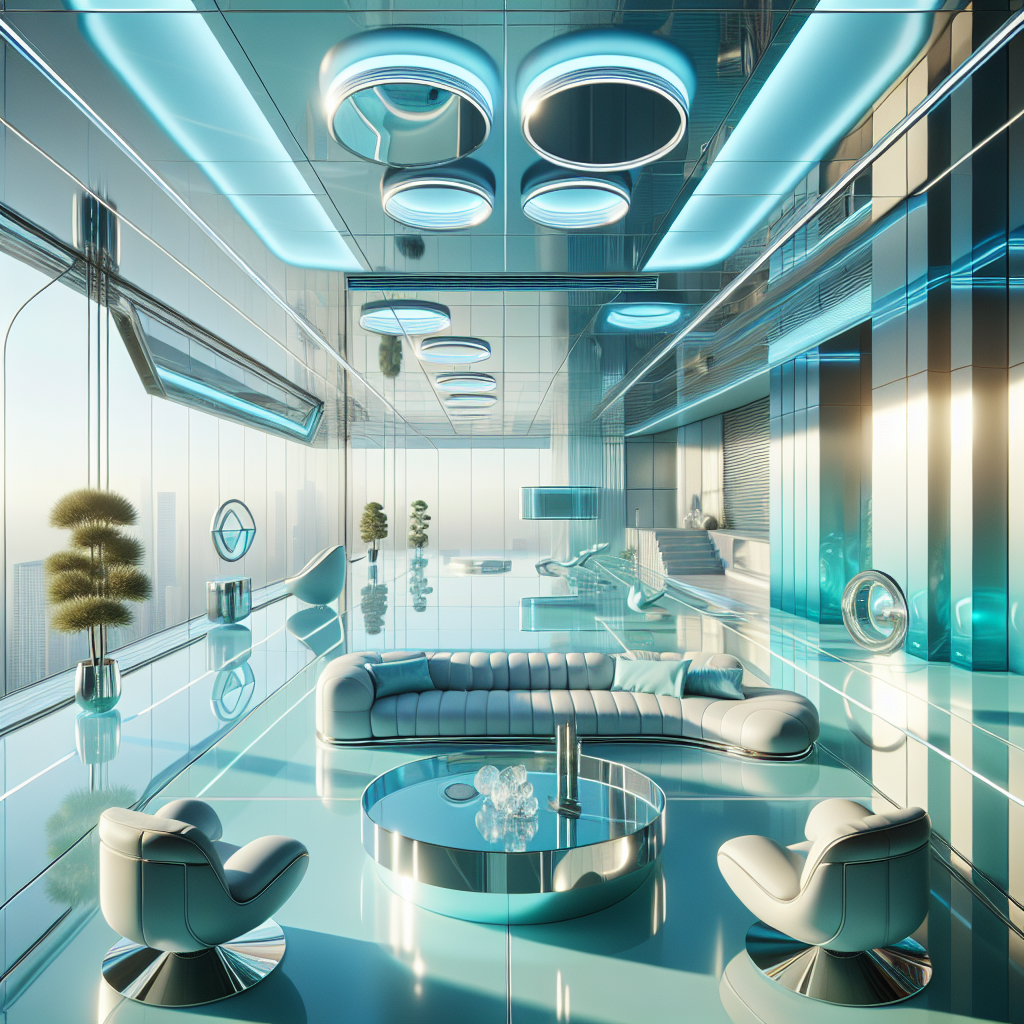
The early 2000s were obsessed with flow—of air, of data, of people. Frutiger Aero interiors bring that ethos into domestic spaces. Living rooms are arranged like terminals, with modular seating that encourages movement and interaction. Kitchens gleam with translucent cabinetry and softly glowing surfaces. Bathrooms resemble wellness pods, their mirrors embedded with subtle digital displays. This fascination with transparency also echoes the rise of *smart home technology*, where the boundary between object and interface dissolves. As seen in the article on smart home design, today’s interiors are not just about aesthetics—they’re about responsiveness. The Frutiger Aero revival aligns perfectly with this ethos: it’s design that looks light, feels intuitive, and behaves intelligently.The Psychology of Transparency
Why does this aesthetic resonate so deeply now? The answer lies in emotional design. The early 2000s promised connection through technology; the 2020s demand calm through clarity. Transparent materials and fluid forms create a sense of openness that counters digital fatigue. They invite daylight, reflection, and a feeling of infinite space—qualities essential for mental well-being. This aligns with principles explored in biophilic design, where natural light and organic forms improve cognitive function and mood. Frutiger Aero interiors extend that logic into the digital realm, merging nature’s serenity with technology’s precision. According to research from the *Journal of Environmental Psychology*, environments that balance transparency and texture can reduce stress and enhance focus. It’s no coincidence that corporate offices and creative studios are adopting glass partitions, gradient lighting, and air-inspired color palettes. The aesthetic is more than a style—it’s a strategy for cognitive clarity.Material Futures: The New Transparency
If the early 2000s celebrated synthetic shine, today’s designers are finding ways to make transparency sustainable. Recycled acrylics, algae-based resins, and low-emission glass panels are redefining what “aero” means in the age of climate consciousness. This approach parallels the innovations seen in zero-waste architecture, where material reuse and modularity are central to design thinking. According to the *American Institute of Architects (AIA)*, the next decade will see a surge in “translucent sustainability”—a design movement where light and material efficiency converge. In practice, this means interiors that appear weightless but are grounded in responsible sourcing. The shimmer of the Frutiger Aero palette is no longer a symbol of excess; it’s a statement of refined restraint.Designing the New Optimism
Frutiger Aero interiors are not a nostalgic indulgence—they’re a manifesto for optimism. They remind us that the future once looked bright, and that design can still embody that belief. In a world saturated with irony and minimalism, the return of color gradients and glassy reflections feels radical. It’s an aesthetic that dares to be sincere. Architects and interior designers are translating this into spatial poetry: floating staircases, liquid metal finishes, and furniture that seems to hover. The influence of early Apple stores and airport lounges is unmistakable, yet the tone is warmer, more human. It’s the future we were promised—updated for a planet that demands accountability.Beyond Aesthetic: The Cultural Loop
The Frutiger Aero revival also reveals something about our collective psyche. We are living in a time of technological saturation, yet we yearn for the simplicity of early digital optimism. This aesthetic bridges that gap. It allows us to inhabit a world that feels futuristic without being alienating. The *Design Museum* in London recently highlighted this trend in its “Retro-Futures” exhibition, noting how early-2000s visual codes are being reinterpreted across fashion, product design, and architecture. From translucent sneakers to gradient-lit interiors, the language of clarity is back—and it’s speaking louder than ever.Conclusion: The Future, Refracted
Frutiger Aero interiors are not about nostalgia—they’re about re-enchantment. They reintroduce a sense of wonder into spaces that had grown too pragmatic. They remind us that design can be both rational and emotional, efficient and ethereal. As the world redefines its relationship with technology, this aesthetic offers a new equilibrium: a future that glows softly, breathes lightly, and feels human again. —{
"seo_title": "Frutiger Aero Interiors Revival",
"meta_description": "Explore the Frutiger Aero interiors trend and why early 2000s futuristic design is captivating modern spaces.",
"excerpt": "Could the optimism of early 2000s design return to redefine our interiors? Discover how Frutiger Aero aesthetics blend nostalgia with sustainability.",
"focus_keyphrase": "Frutiger Aero interiors"
}
AI Image Prompts
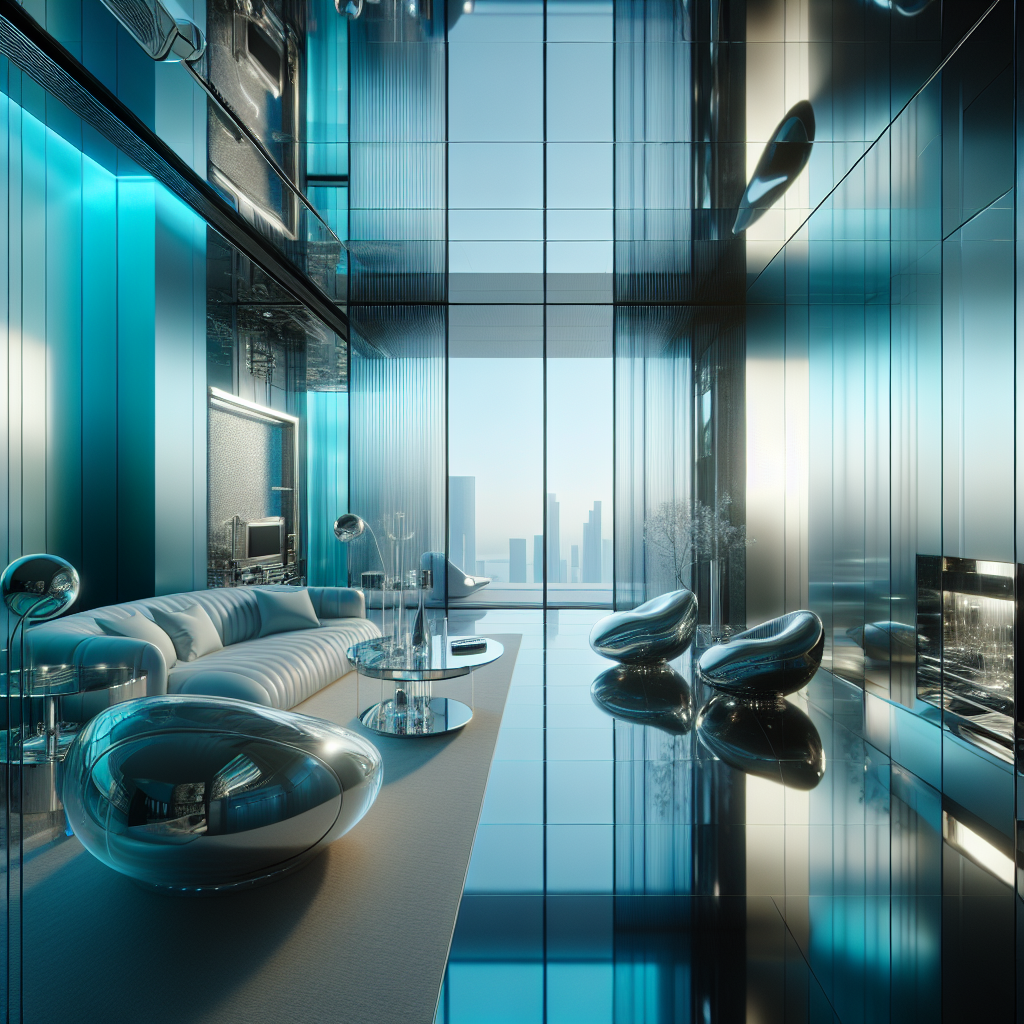
- Prompt: Photorealistic interior of a living room inspired by early 2000s Frutiger Aero design, featuring translucent furniture, gradient glass walls, and ambient blue lighting, shot on a Hasselblad H6D. Alt text: “Frutiger Aero-inspired living room with glass furniture and blue gradient lighting.” Caption: A living room that channels the optimism of the early digital age through transparency and light.
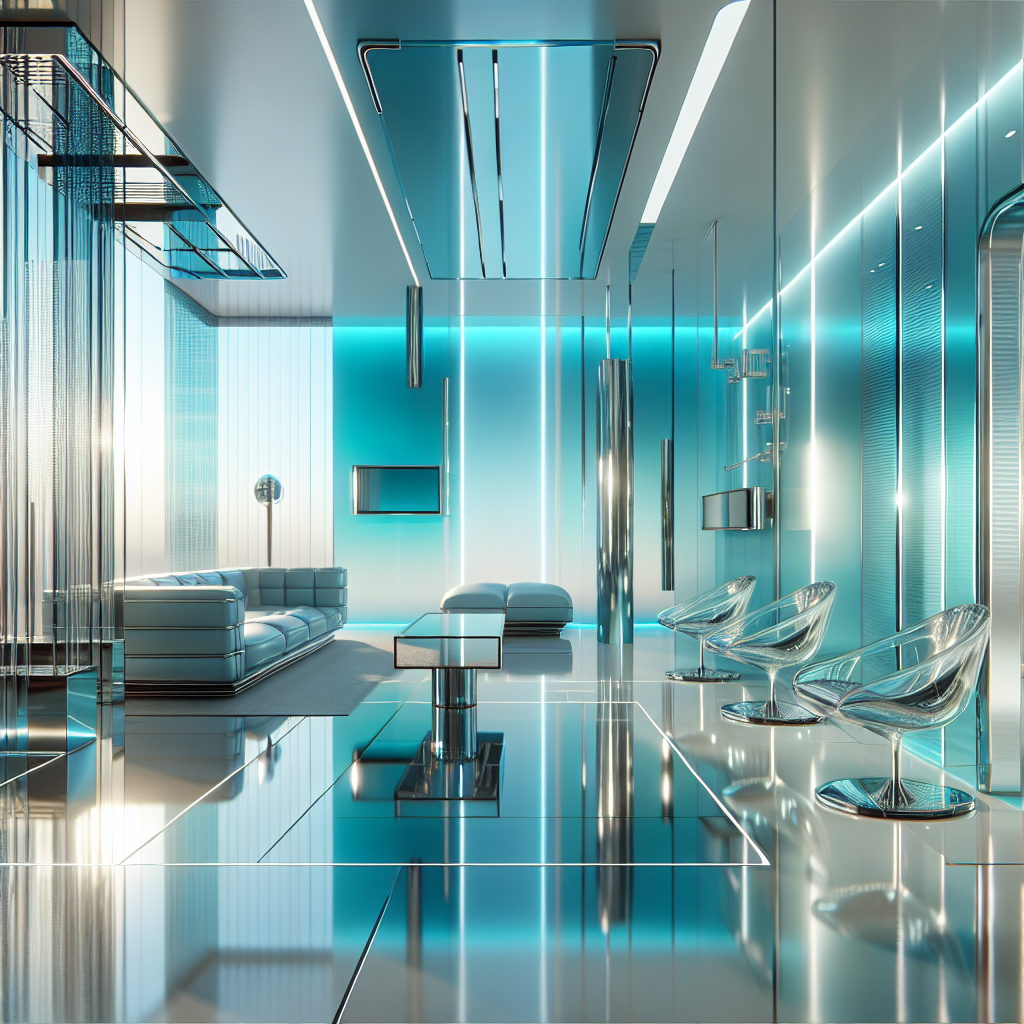
- Prompt: Futuristic office space with curved glass partitions, floating desks, and chrome details, bathed in soft aqua light, captured on a Hasselblad medium format camera. Alt text: “Futuristic office with curved glass walls and chrome accents.” Caption: The modern workspace reimagined through the clarity and fluidity of Frutiger Aero design.
- Prompt: Minimalist bathroom with translucent resin panels, white LED underlighting, and a floating mirror interface, photographed with natural daylight tones. Alt text: “Translucent bathroom interior with floating mirror and LED lighting.” Caption: A serene bathroom where technology and transparency merge into calm precision.
- Prompt: Urban apartment kitchen with reflective surfaces, glass cabinetry, and a panoramic window overlooking a city skyline, shot on a Hasselblad X2D. Alt text: “Frutiger Aero kitchen with glass cabinetry and city view.” Caption: A kitchen that embodies the early-2000s dream of seamless living in a connected world.
Social Media Strategy
×
![Imatge ampliada]() ❮
❯
❮
❯