
Fractal-inspired skyscrapers self-repeating: patterns for climate resilience
Fractal-Inspired Skyscrapers: Self-Repeating Patterns for Climate Resilience
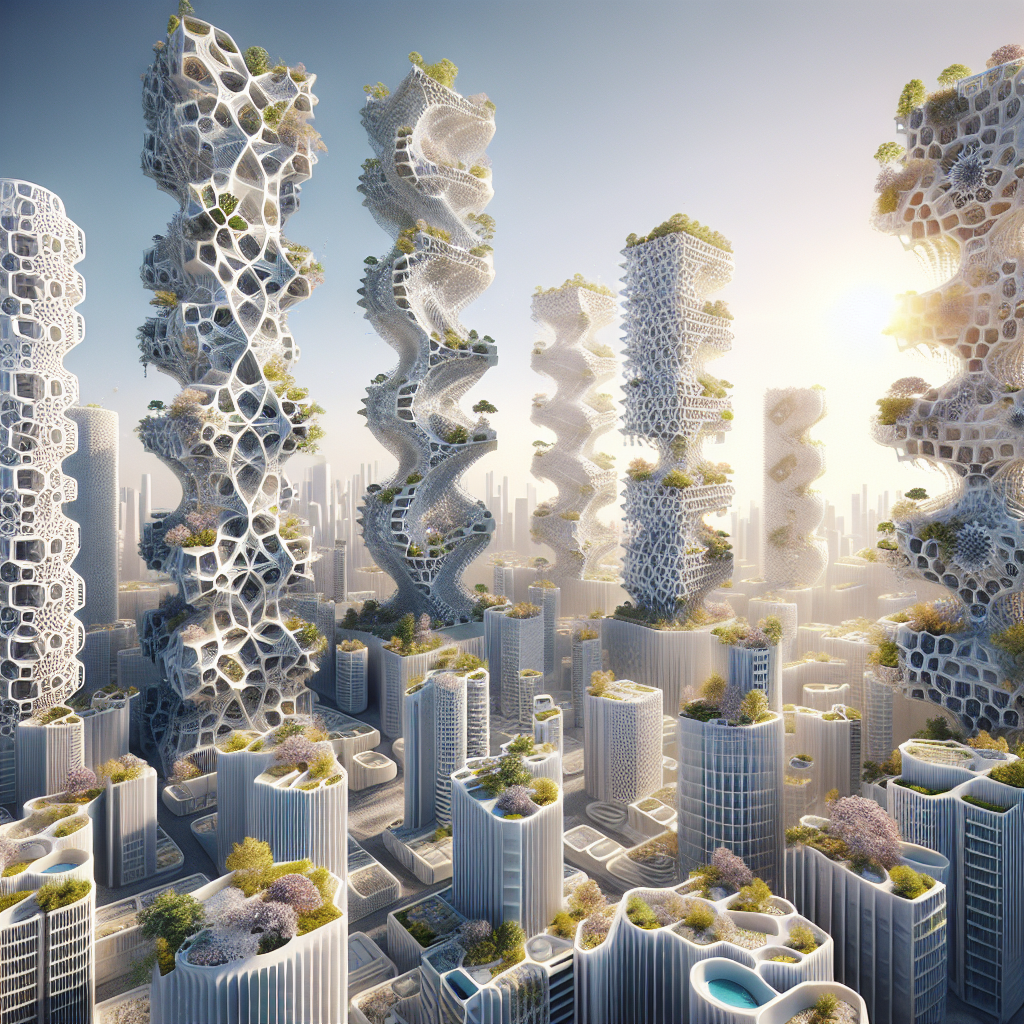
In the evolving dialogue between architecture and ecology, a new design philosophy is emerging—one that borrows its logic not from machines, but from nature’s own code. Fractal-inspired skyscrapers—towers that echo the self-repeating geometries of trees, coastlines, and snowflakes—are redefining how vertical architecture can respond to the planet’s most pressing challenge: climate resilience. These buildings, with their recursive forms and adaptive skins, are more than aesthetic marvels; they are complex systems engineered to thrive in a changing environment.
The Geometry of Resilience
Fractals, as defined by mathematician Benoît Mandelbrot, are patterns that repeat at every scale. From the branching of rivers to the veins of a leaf, fractal geometry is nature’s blueprint for efficiency and adaptability. When applied to architecture, this principle allows buildings to mimic natural systems—self-similar structures that can manage airflow, distribute light, and regulate temperature with remarkable precision.
Architects and engineers are increasingly turning to fractal algorithms to design façades that self-optimize environmental performance. These patterns can diffuse solar radiation, channel wind, and harvest rainwater, all while maintaining structural harmony. The result is a building that behaves less like a static object and more like a living organism—responsive, efficient, and resilient.
Fractals Meet the Vertical City
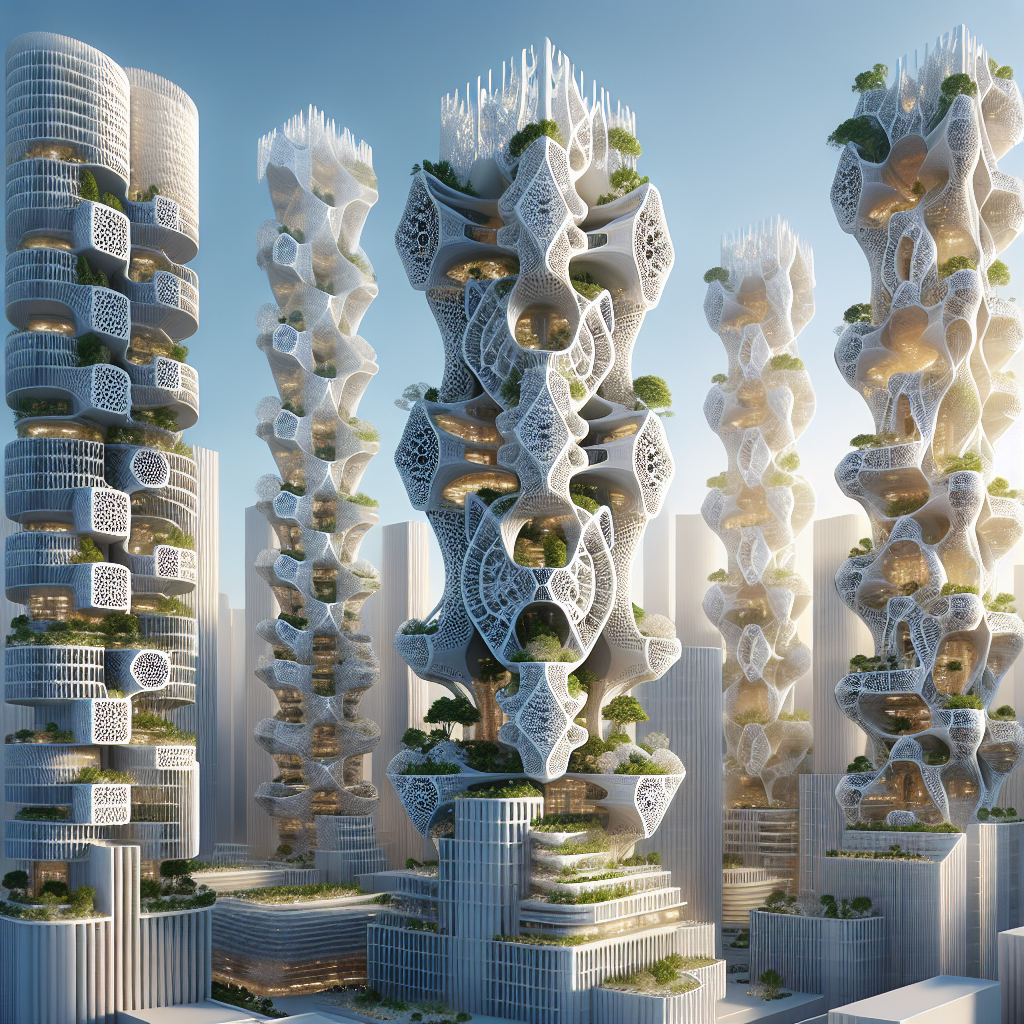
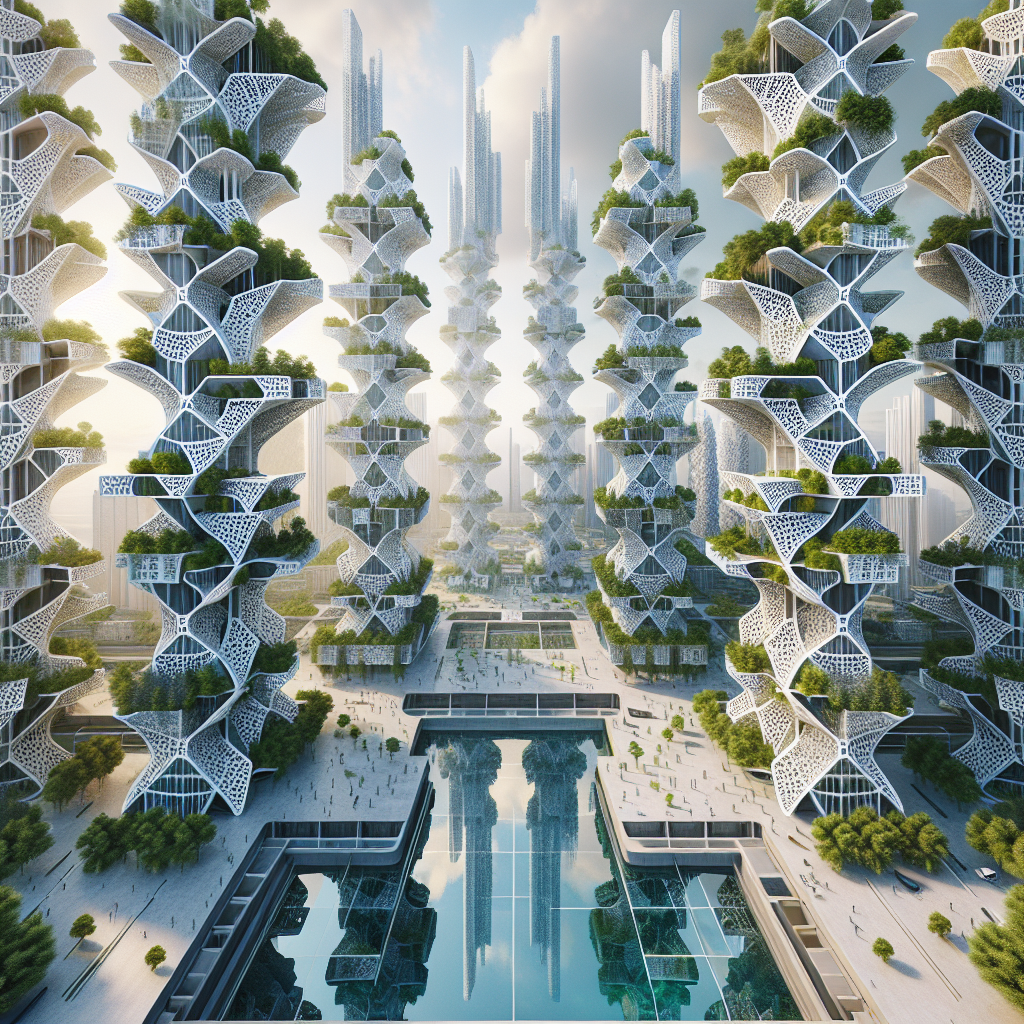
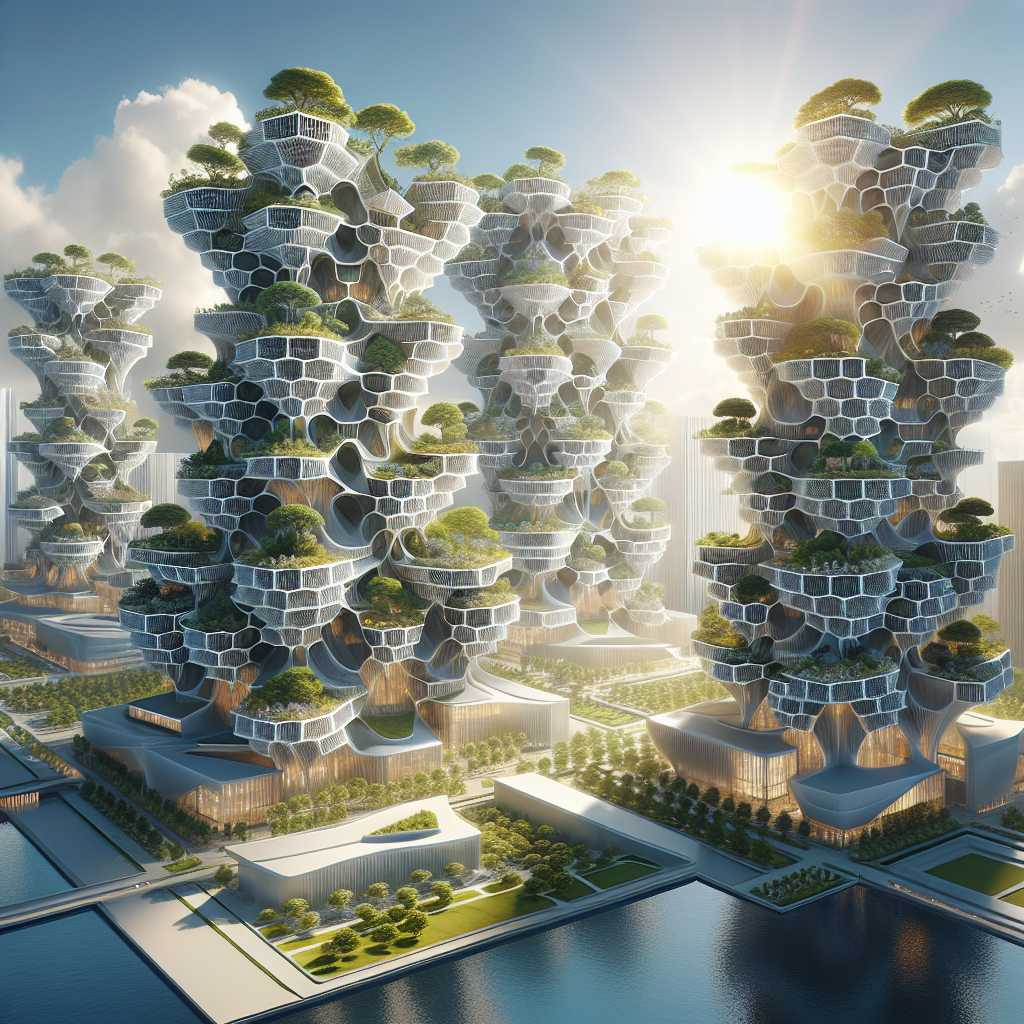
In the context of high-rise design, fractal logic offers a radical departure from the glass-and-steel monoliths of the 20th century. Instead of smooth, reflective façades that trap heat and repel biodiversity, fractal-inspired skyscrapers feature layered, porous envelopes that breathe. These surfaces are composed of repeating geometric modules—triangles, hexagons, or branching lattices—that create microclimates within the structure.
One of the most striking examples is the conceptual “Urban Canopy Tower” by Singapore-based firm WOHA. Its façade resembles a vertical forest canopy, with fractal modules that host vegetation, shade terraces, and natural ventilation shafts. The building’s self-similar geometry allows it to scale greenery upward, transforming each floor into a micro-ecosystem. This approach aligns with the principles of biophilic design, where architecture becomes a conduit for reconnecting urban dwellers with nature.
Mathematics as a Climate Strategy
Fractal architecture is not merely decorative; it is a data-driven response to climate volatility. Computational design tools now allow architects to simulate how fractal geometries interact with environmental forces. These models reveal that self-repeating structures distribute stress and heat more evenly than conventional designs, reducing energy consumption and material fatigue.
According to a 2024 study by the Massachusetts Institute of Technology, fractal façades can reduce solar gain by up to 30% compared to flat surfaces, while maintaining daylight penetration. The implications for urban heat mitigation are profound, particularly in megacities where temperatures are rising due to the urban heat island effect. By breaking down large surfaces into smaller, repeating units, these buildings create self-shading zones that cool naturally, minimizing reliance on mechanical systems.
Case Study: The Infinite Tower, Dubai
In Dubai’s financial district, a new landmark is redefining the skyline—the “Infinite Tower,” designed by Zaha Hadid Architects in collaboration with environmental engineers from Arup. The tower’s façade is composed of a fractal lattice derived from coral growth patterns. Each module is 3D-printed using recycled aluminum and functions as both a structural brace and a shading device. The building’s form appears to ripple upward, its geometry repeating in diminishing scales that mirror the Fibonacci sequence.
Beyond its visual poetry, the Infinite Tower’s design reduces wind load by 25% and energy use by 40%. Its fractal geometry channels air through vertical atria, creating a natural cooling effect reminiscent of ancient wind towers. This synthesis of mathematics, ecology, and technology exemplifies how parametric design can serve sustainability rather than spectacle—a theme explored in depth in Mainifesto’s analysis of algorithmic architecture.
Adaptive Skins and Living Systems
Fractal-inspired façades are increasingly integrated with responsive materials—smart membranes that adjust porosity, reflectivity, or transparency in real time. These “living skins” are embedded with sensors that read environmental data and recalibrate accordingly. When temperatures rise, panels expand to increase shading; when humidity drops, they open to enhance ventilation. The result is a dynamic equilibrium between the building and its surroundings.
In Tokyo, the Shibuya Nexus Tower employs a fractal-patterned ETFE membrane that shifts opacity based on solar intensity. The design was informed by the branching patterns of Japanese maple leaves, creating a façade that feels organic yet algorithmically precise. This interplay between technology and nature echoes the principles of biomimicry in architecture, where natural systems inspire functional design solutions.
Fractals as Cultural Expression
Beyond their environmental performance, fractal geometries carry profound cultural resonance. Many traditional architectures—from African tribal compounds to Islamic mosaics—are inherently fractal in nature. The repetition of patterns at multiple scales reflects a worldview that sees harmony between the micro and the macro, the human and the cosmic. Contemporary architects are rediscovering this ancient logic, translating it into a language of sustainability and identity.
In Lagos, Nigerian architect Kunlé Adeyemi’s “Makoko Tower” prototype uses fractal stacking to echo the spatial logic of local stilt villages. Each modular unit replicates the geometry of the one below, allowing the structure to expand vertically without losing stability. The result is a scalable, flood-resilient housing model that adapts to rising sea levels—an idea that resonates with the adaptive ethos of floating architecture.
From Aesthetic Complexity to Ecological Intelligence
Fractal-inspired skyscrapers represent a shift from the pursuit of visual complexity to the cultivation of ecological intelligence. Their self-repeating geometries are not ornamental excesses but functional necessities—forms that embody the feedback loops of living systems. In an era of climate uncertainty, this recursive logic offers a new architectural ethic: one that values adaptability over permanence, pattern over power.
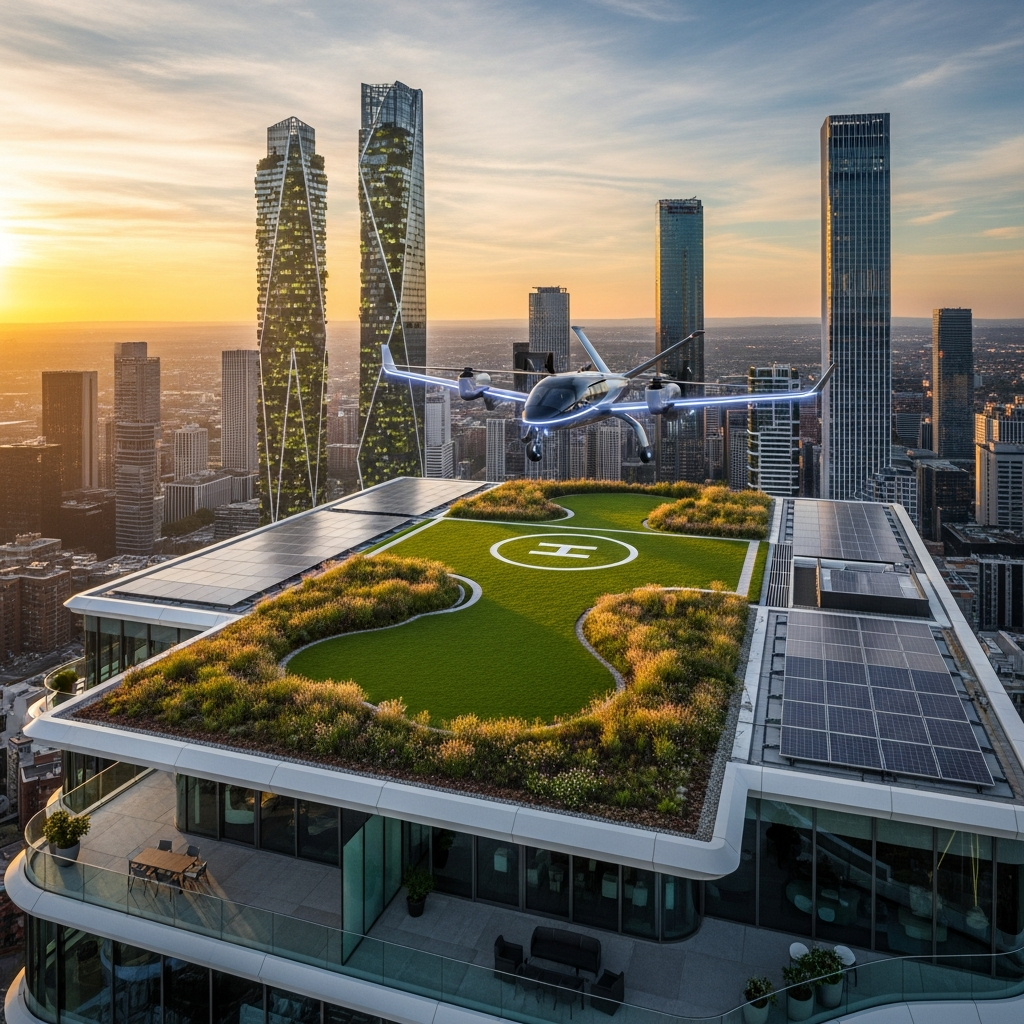
As cities grow denser and climates more volatile, the future of vertical architecture may well depend on its ability to learn from nature’s fractal code. The skyscraper of tomorrow will not be a sealed monument of glass and steel, but a porous, evolving organism—an architecture that breathes, adapts, and endures.
In the end, fractal-inspired design is less about mathematics than about mindfulness. It reminds us that resilience is not built through domination of nature, but through alignment with its patterns. The self-repeating tower, shimmering with geometric rhythm, stands as both a technological triumph and a philosophical statement: that the path to survival lies in the art of repetition, reflection, and renewal.
Keywords: fractal architecture, climate resilience, sustainable skyscrapers, biomimicry, parametric design, adaptive façades, vertical ecosystems
Published on: 12/19/2025