
Emotional Architecture: Can a Building Understand How You Feel?

Emotional Architecture: Can a Building Understand How You Feel?
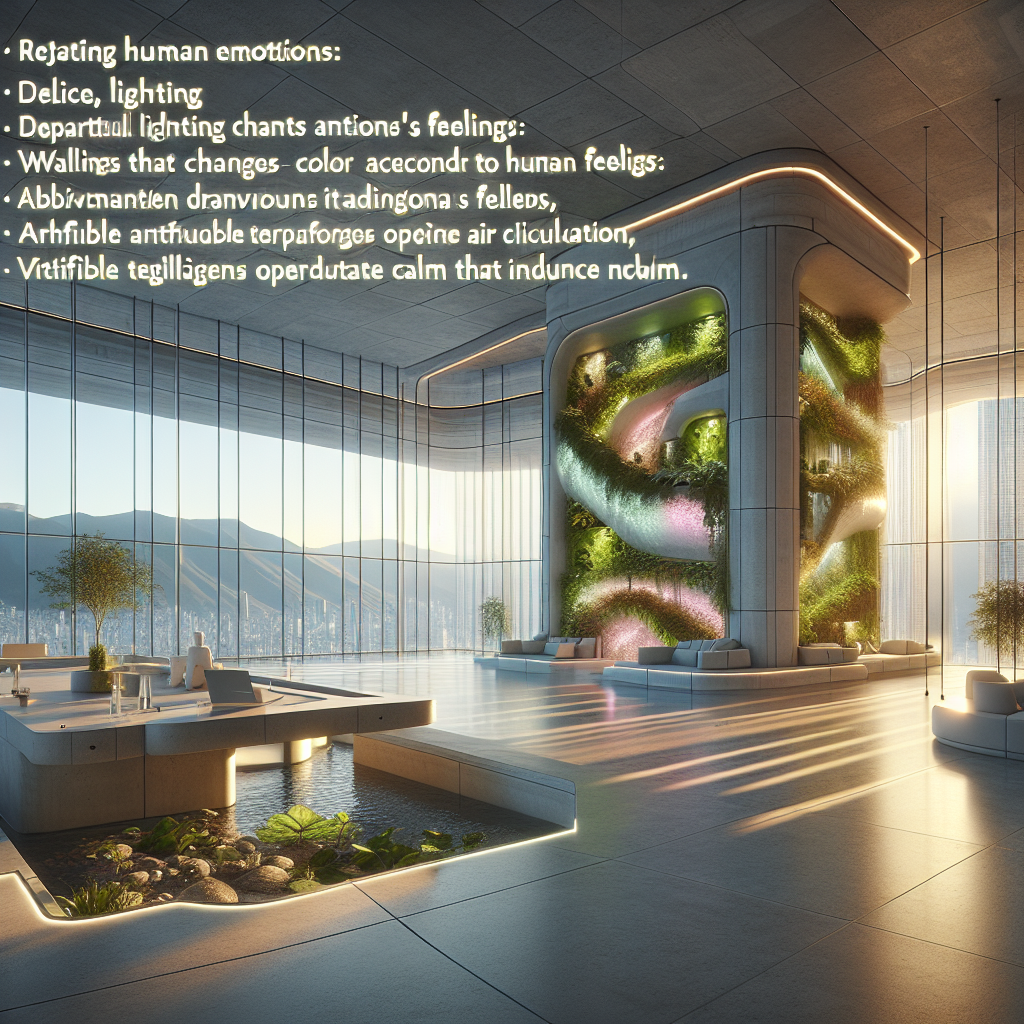
Imagine walking into a space that seems to know you. The lighting softens as your heart rate rises. The walls subtly shift hue to calm your nerves. The air temperature adjusts to your comfort level. This is not a distant fantasy—it’s the emerging frontier of emotional architecture, where design meets neuroscience, data, and empathy. The question that now defines the cutting edge of architectural innovation is no longer just how a building looks or functions, but how it feels—and how it makes you feel.
The Rise of Emotionally Intelligent Design
Architecture has always been emotional. From the soaring vaults of Gothic cathedrals to the serene geometry of Japanese teahouses, built environments have long shaped human experience. Yet today, the field is entering a new era—one defined by sensor-driven, adaptive, and emotionally responsive architecture. Buildings are beginning to interpret biometric data, behavioral cues, and environmental feedback to create spaces that actively respond to human emotion.
According to a 2025 report by the World Economic Forum, over 60% of new smart building projects in major cities integrate some form of emotion recognition or affective computing technology. These systems analyze facial expressions, body language, or physiological signals to infer mood, allowing spaces to adjust in real time. This shift aligns with the broader trend of responsive design—a movement that seeks to make architecture as dynamic and intuitive as the people who inhabit it.
From Smart Buildings to Empathic Environments
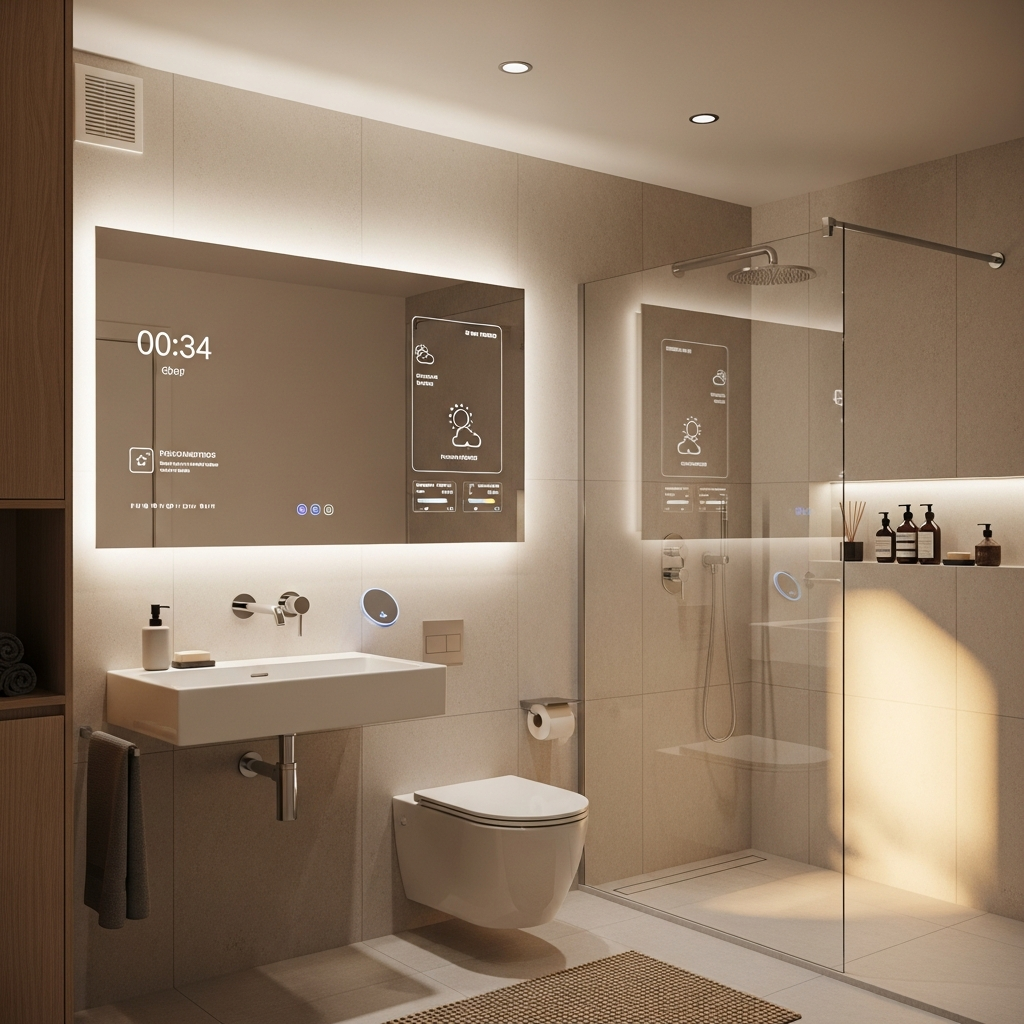
Smart homes have already accustomed us to environments that anticipate our needs—lights that dim automatically, thermostats that learn our routines, and voice assistants that manage daily tasks. Yet emotional architecture extends beyond convenience. It’s about empathy. The goal is to design spaces that recognize emotional states and support them, whether by reducing stress, enhancing focus, or fostering social connection.
In healthcare, for instance, architects are collaborating with neuroscientists to create hospitals that reduce patient anxiety through adaptive lighting and soundscapes. In workplaces, mood-responsive systems are being tested to enhance creativity and collaboration. A 2024 pilot project in Copenhagen’s BLOXHUB innovation hub used biometric sensors to monitor stress levels, adjusting environmental factors such as air quality and acoustic comfort to maintain cognitive balance. The results were striking: participants reported a 25% increase in perceived well-being and focus.
The Science Behind Emotional Architecture
At its core, emotional architecture draws from the principles of environmental psychology—the study of how physical surroundings influence behavior and emotion. But it also integrates advances in artificial intelligence, neuroscience, and data analytics. AI algorithms process vast streams of sensory data—from wearable devices, cameras, and environmental sensors—to infer emotional states and trigger spatial responses.
For example, an emotionally aware office might detect elevated stress levels through subtle physiological indicators and respond by dimming overhead lighting, introducing cooler color temperatures, or activating gentle airflow. Similarly, a residential space could adjust its ambient music and scent diffusion based on a resident’s mood, creating a personalized sanctuary of calm. These concepts build upon the foundations of AI in architecture, where machine learning enhances both the design process and the lived experience.
Case Studies: When Buildings Begin to Feel
One of the most compelling examples of emotional architecture is the “Mood Tower” concept developed by the design studio UNStudio in collaboration with Philips Lighting. The building’s façade acts as a massive emotional barometer, changing color gradients based on aggregated emotional data from its occupants. The goal is not surveillance, but collective empathy—an architectural expression of shared human emotion rendered in light.
Similarly, the “Living Light Pavilion” in Seoul uses biofeedback sensors to measure visitors’ emotional responses. As participants move through the installation, their physiological data—heart rate, skin temperature, and galvanic response—triggers changes in the pavilion’s lighting and sound environment. The result is a constantly evolving, participatory space that mirrors the emotional landscape of its users.
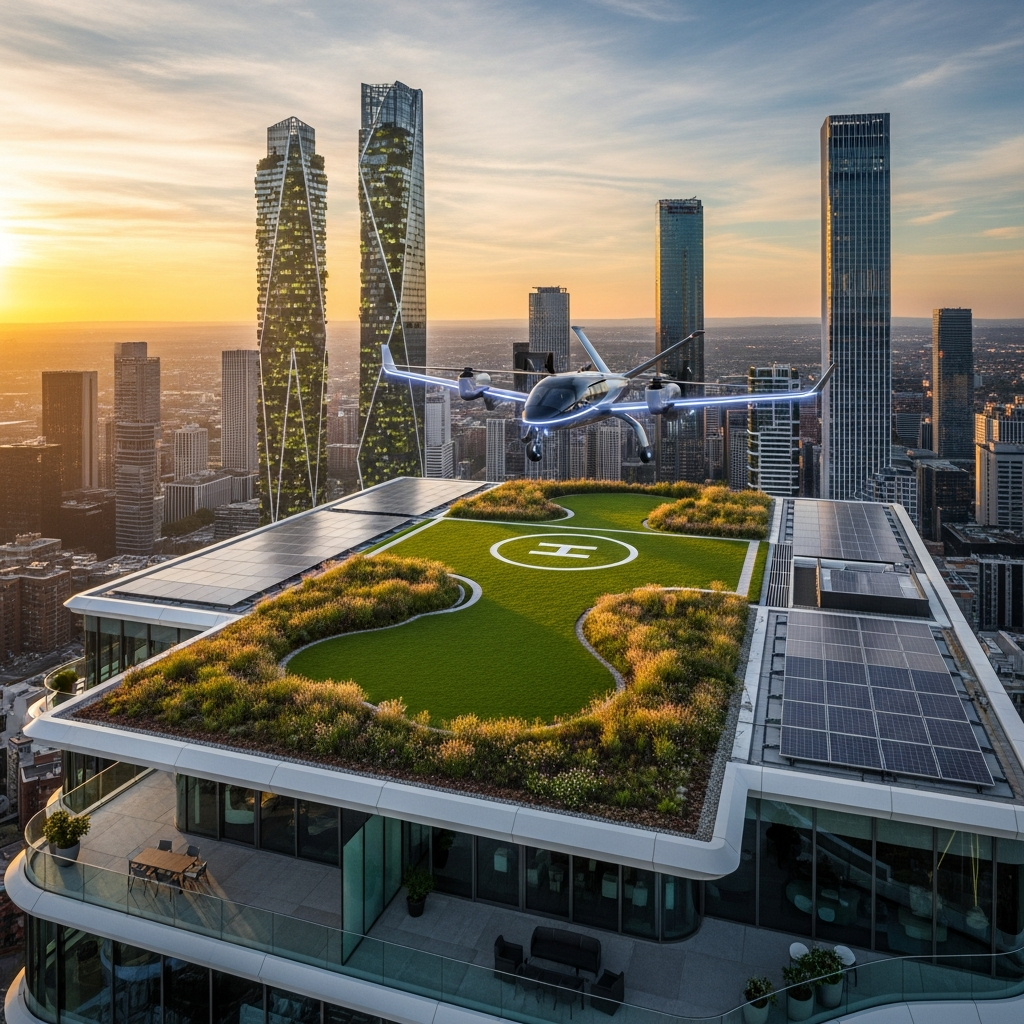
These projects echo the spirit of multisensory architecture, where light, sound, texture, and scent converge to craft immersive emotional experiences. They also signal a shift toward what some theorists call “affective urbanism”—cities designed not just for efficiency, but for emotional resonance.
Biophilia, Neuroscience, and the Emotional Brain
While technology plays a central role, emotional architecture also reconnects with nature. The resurgence of biophilic design—which integrates natural elements like light, greenery, and organic materials—has demonstrated measurable effects on mental health. Studies from the University of Exeter show that exposure to natural materials and patterns can reduce cortisol levels by up to 15% within minutes. Architects are now combining these findings with AI-driven environmental systems to create spaces that not only look natural but feel emotionally restorative.
Neuroscientist Colin Ellard, author of Places of the Heart, argues that our brains are hardwired to respond emotionally to spatial cues—curves, symmetry, scale, and texture all trigger instinctive reactions. Emotional architecture, therefore, is not about replacing intuition with data, but amplifying it through intelligent feedback loops. It’s a fusion of art and algorithm, where the built environment becomes a living interface between human emotion and material form.
Ethics, Privacy, and the Human Element
As with any technology that interprets human emotion, ethical questions abound. Who owns the emotional data collected by a building? How can architects ensure that responsive systems enhance well-being without infringing on privacy? These concerns echo broader debates in AI ethics and digital design. Emotional architecture must tread carefully between personalization and intrusion, ensuring that empathy does not become surveillance.
Some firms are addressing this by designing “opt-in” emotional interfaces, where users control how much data they share. Others advocate for anonymized, aggregated systems that respond to collective mood patterns rather than individual data. The goal is to preserve human agency while still allowing architecture to adapt intelligently and compassionately.
The Future: From Responsive to Reflective Spaces
As emotional architecture matures, its ambitions are expanding beyond reaction to reflection. Future buildings may not only respond to our emotions but help us understand them. Imagine a home that visualizes your daily emotional patterns through subtle shifts in light or texture, encouraging mindfulness and self-awareness. Or an urban plaza that dynamically reflects the collective mood of its visitors, transforming public space into a living emotional tapestry.
These ideas align with the growing movement toward cognitive architecture—design that integrates perception, memory, and emotion into spatial intelligence. In this paradigm, architecture becomes not just a container for human experience, but an active participant in it.
Designing Empathy: The Architect’s New Role
For architects and designers, the rise of emotional architecture signals a profound shift in creative responsibility. The challenge is no longer to design static monuments, but to choreograph dynamic experiences that evolve with human emotion. It demands fluency not only in form and material but in psychology, data ethics, and human-centered technology.
In this sense, emotional architecture represents a return to the discipline’s most ancient impulse: to build spaces that move us. Yet it does so with tools that would have seemed unimaginable even a decade ago—biosensors, neural networks, adaptive façades. The architect of tomorrow may be as much a coder and neuroscientist as a sculptor of space.
As the boundaries between technology and emotion blur, one truth remains constant: architecture is, and always has been, a mirror of the human condition. The difference now is that the mirror can finally look back.
Keywords: emotional architecture, empathic design, responsive architecture, affective computing, smart buildings, biophilic design, cognitive architecture, AI in architecture, multisensory design.