
Earth-sheltered serenity: blending subterranean bedrooms with natural landscapes
Earth-Sheltered Serenity: Blending Subterranean Bedrooms with Natural Landscapes
In an era where architecture increasingly seeks equilibrium between human comfort and environmental consciousness, the allure of earth-sheltered design has quietly resurfaced. Beneath rolling hills and sculpted dunes, architects are rediscovering the poetic potential of subterranean spaces—particularly in the realm of private sanctuaries. The subterranean bedroom has evolved from a pragmatic response to climate into a sophisticated expression of biophilic architecture, merging the tactile intimacy of earth with the serenity of natural landscapes.
The Return of the Underground Dwelling
Historically, earth-sheltered architecture has existed across civilizations—from the troglodyte homes of Cappadocia to the matmata dwellings of Tunisia. Today, its revival stems from both ecological necessity and a growing appetite for architectural introspection. As urban life accelerates, designers are turning to the ground itself as a source of calm, protection, and energy efficiency.
Modern subterranean architecture is no longer about concealment; it’s about integration. Architects such as Peter Vetsch in Switzerland and the late Malcolm Wells in the United States have long championed this typology, emphasizing its potential to harmonize with topography. Their influence resonates in contemporary projects that treat the earth not as a barrier but as a collaborator—an insulating, sculptural, and living material.
Designing for Silence and Stability
One of the most compelling attributes of subterranean bedrooms is their acoustic serenity. Shielded by layers of soil, these spaces offer a cocoon-like stillness that few above-ground rooms can replicate. The earth naturally dampens external noise, creating an atmosphere conducive to rest and reflection. In climates prone to temperature extremes, subterranean design also provides thermal stability, maintaining a consistent indoor climate with minimal mechanical intervention.
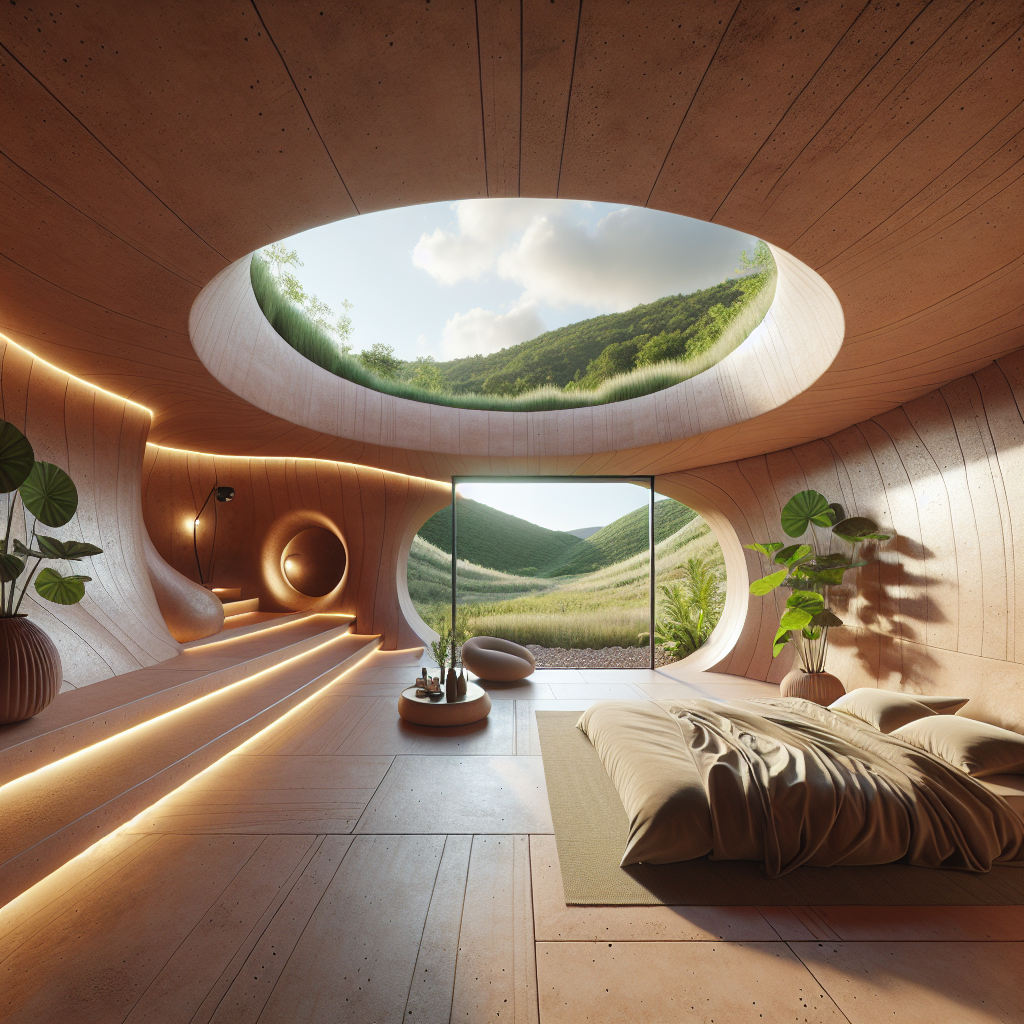
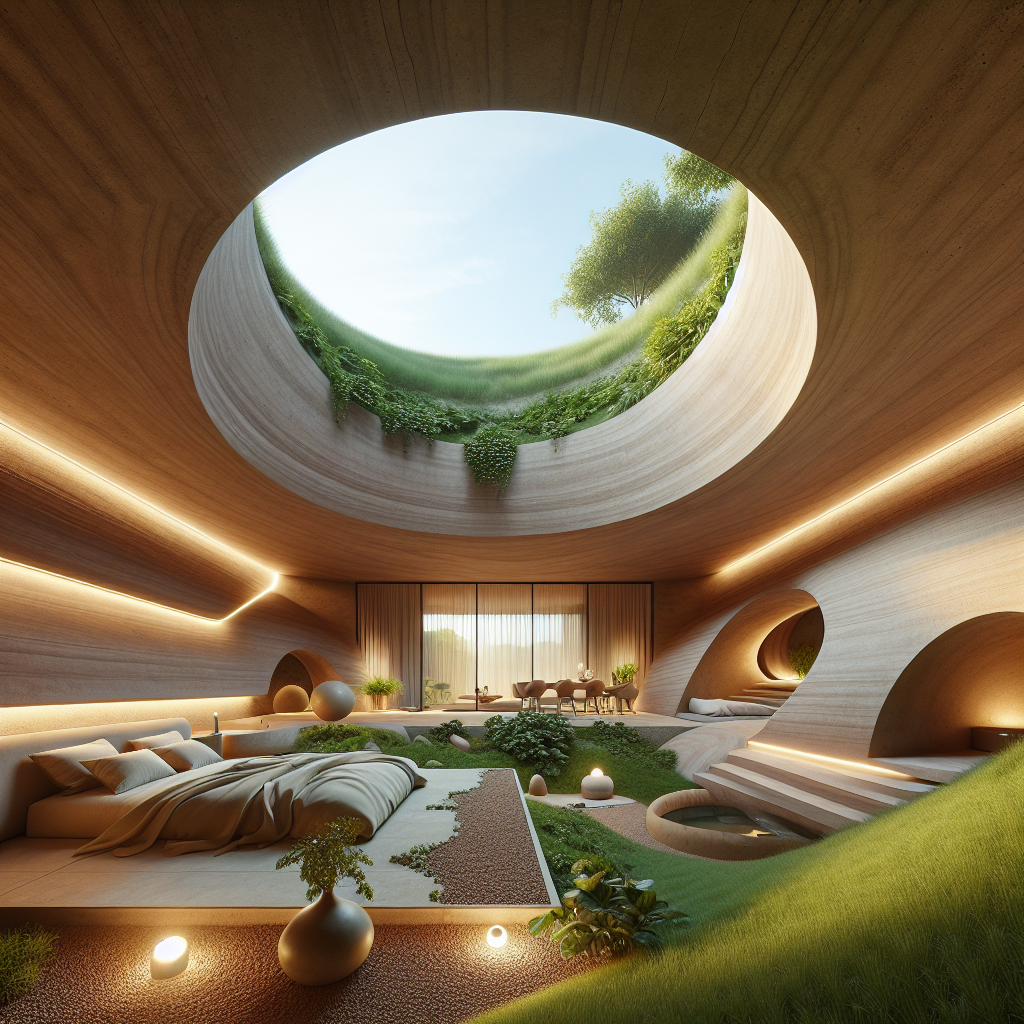
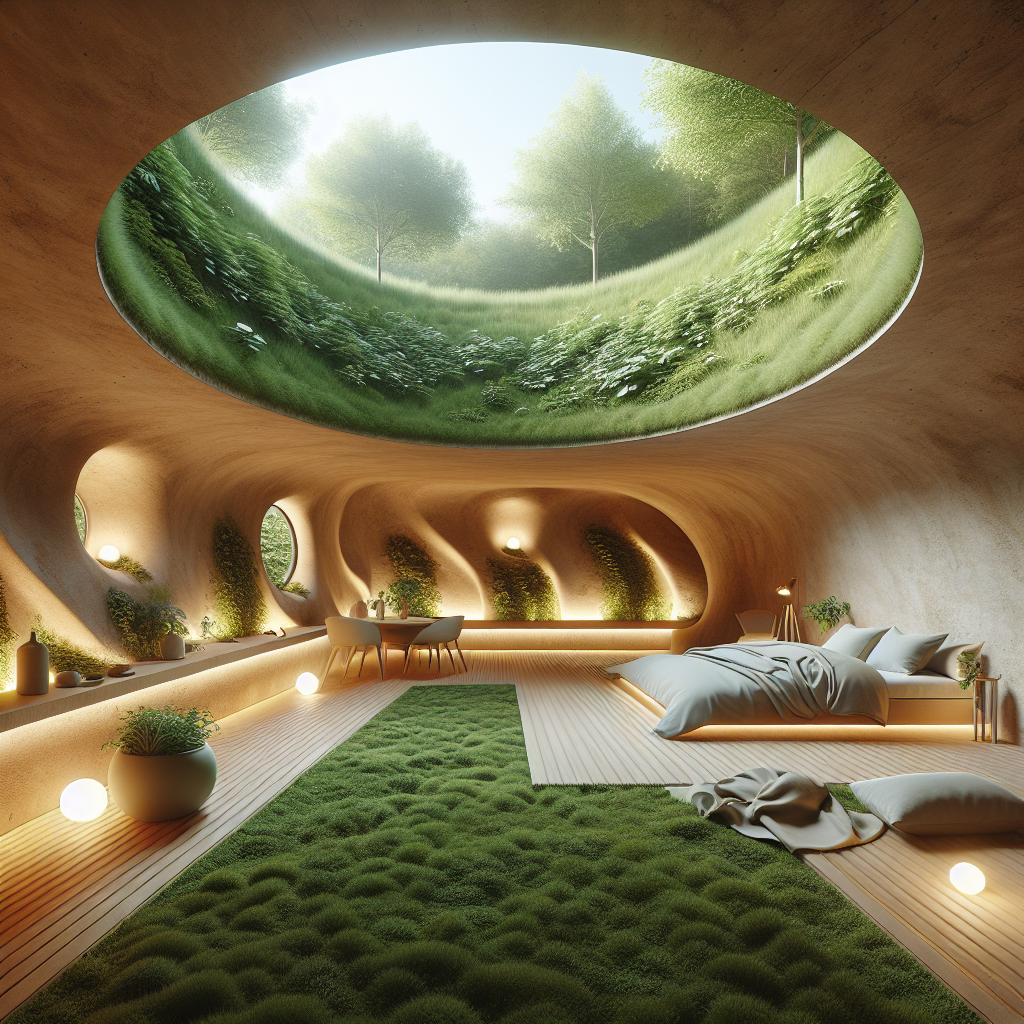
Architectural studios are leveraging this inherent stability to craft interiors that evoke timeless calm. Walls of rammed earth or exposed concrete, softly illuminated by concealed LED strips, generate a tactile dialogue between material and light. Textural contrasts—smooth clay plaster against rough-hewn stone—heighten sensory awareness, while carefully placed skylights or light wells introduce gentle shafts of daylight that shift with the sun’s trajectory.
Biophilic Connections Beneath the Surface
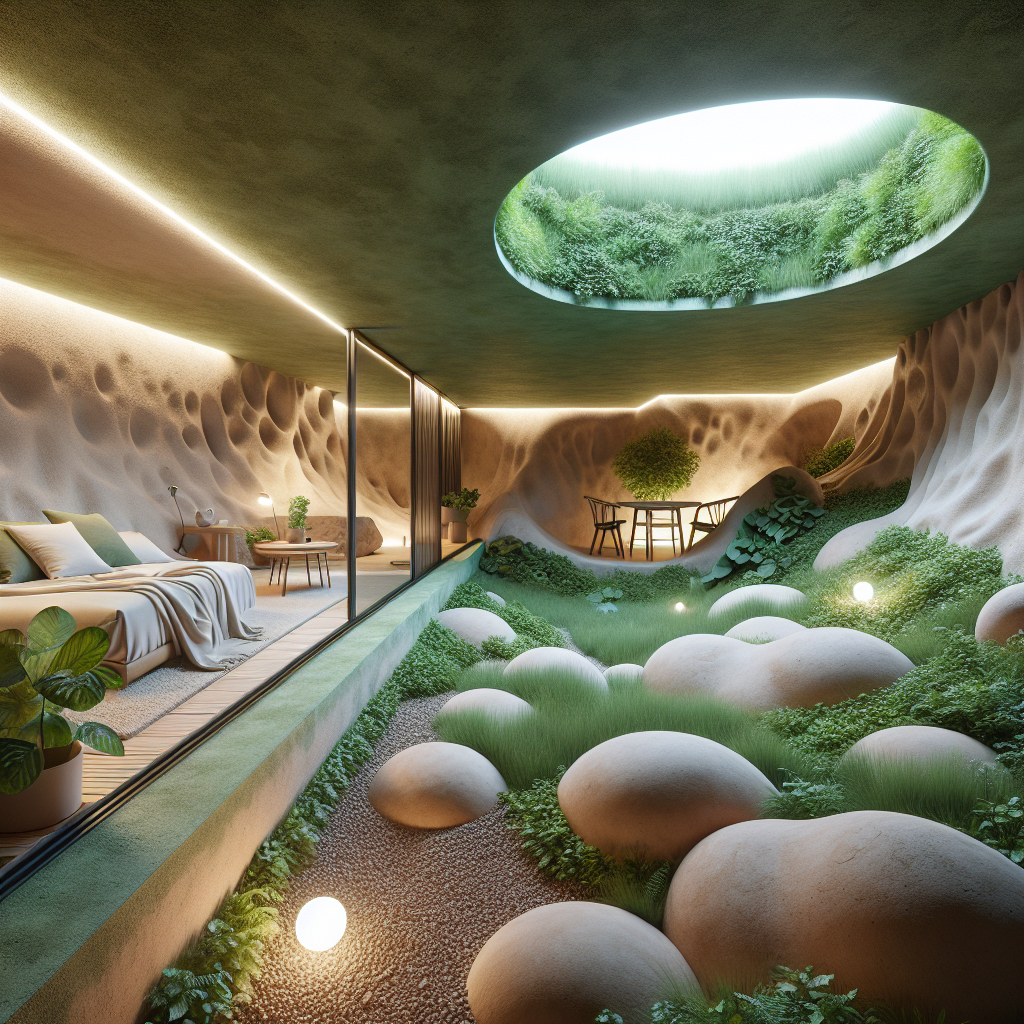
Contrary to assumptions, subterranean bedrooms need not feel enclosed. Advances in biophilic design—a concept explored in depth in this article on biophilic design and its impact on human health—have redefined how architects bring nature into enclosed environments. Through strategic apertures, reflective surfaces, and living materials, designers can simulate or even amplify the presence of the outdoors.
Consider the Icelandic retreat “The Hill House” by Studio Granda, where the bedroom’s glazed oculus opens directly to the sky, allowing occupants to fall asleep beneath the aurora borealis. In southern Spain, a reimagined cave residence by UMMO Estudio integrates native vegetation atop its roofline, blending the structure seamlessly into the Andalusian hillside. These examples illustrate how subterranean design can simultaneously embrace privacy and connection—a duality that defines much of contemporary sustainable architecture.
Materiality and the Language of the Earth
Material selection plays a crucial role in achieving the sensory balance that subterranean bedrooms demand. Earth-based materials—adobe, cob, and rammed earth—offer not only ecological benefits but also a profound aesthetic warmth. Their porous textures regulate humidity, while their chromatic variations echo the hues of the surrounding landscape. The result is a space that feels both ancient and avant-garde.
In Japan, the architect Tono Mirai’s “Earth House” demonstrates how clay and straw can be sculpted into fluid, organic interiors reminiscent of natural caverns. Similarly, in the American Southwest, contemporary desert villas employ compressed earth blocks to create bedrooms that seem carved from the terrain itself. These material strategies resonate with the ethos of ancient desert architecture, where building with the land ensured both sustainability and spiritual coherence.
Technology Meets Terrain
While the aesthetic of earth-sheltered living may evoke pre-industrial simplicity, its modern execution relies on advanced engineering and environmental technology. Sophisticated ventilation systems, geothermal heating, and moisture control membranes allow subterranean bedrooms to maintain comfort without compromising air quality. Smart sensors monitor humidity and CO₂ levels, while dynamic lighting systems mimic circadian rhythms to enhance well-being.
This convergence of technology and terrain reflects a broader architectural movement toward AI-assisted design and responsive environments. By simulating geological pressures and airflow patterns, architects can optimize subterranean structures for both performance and longevity. The result is a design language that is as much about data-driven precision as it is about emotional resonance.
Psychological Comfort and the Appeal of Depth
Beyond the technical, there is a psychological dimension to subterranean living that speaks to our primal instincts. The sense of enclosure, the muffled acoustics, and the absence of visual clutter evoke a feeling of security and introspection. According to environmental psychology studies published by the American Psychological Association, spaces that evoke natural sheltering forms—caves, canopies, or burrows—can reduce stress and improve sleep quality.
Designers are translating these findings into human-centric interiors that prioritize mental well-being. Rounded corners, soft gradients of light, and organic ceiling contours replace the rigid geometries of conventional bedrooms. The result is an architecture of emotional depth—a retreat not only from the city above but from the overstimulation of the digital age.
Case Study: The Swiss Earth House Estate
Perhaps the most emblematic example of earth-sheltered serenity is the Earth House Estate Lättenstrasse near Dietikon, Switzerland. Designed by Peter Vetsch, this cluster of domed residences is nestled within grassy mounds, each with skylit interiors and curved sleeping quarters that follow the contours of the land. The bedrooms, positioned partially underground, remain naturally cool in summer and warm in winter, requiring minimal energy input. The architecture dissolves the boundary between built form and landscape, creating a living environment that feels both futuristic and timeless.
Such projects underscore the potential of subterranean design to contribute to net-zero architecture, aligning with the principles discussed in this exploration of the path to net zero in design and architecture. By leveraging the earth’s thermal mass and reducing visual impact on the environment, these homes exemplify a quiet revolution in sustainable luxury.
Future Horizons: Subterranean Living as a Sustainable Luxury
As climate unpredictability intensifies, the architectural value of building into the earth becomes increasingly clear. Subterranean bedrooms offer a blueprint for resilient, low-impact living—spaces that remain comfortable regardless of external conditions. They also redefine luxury in an age of ecological awareness: not through excess, but through immersion, silence, and material honesty.
Architects are beginning to view the underground not as a constraint but as a canvas. Whether integrated into coastal cliffs, alpine slopes, or desert dunes, these designs celebrate the poetics of concealment—a beauty that lies in restraint, in the subtle dialogue between architecture and geology. In this sense, the subterranean bedroom becomes more than a sleeping space; it becomes a metaphor for a deeper, more grounded way of inhabiting the planet.
As the architectural world continues to explore the innovations of subterranean architecture, one truth emerges: serenity is not found in isolation from nature, but in symbiosis with it. Beneath the surface, architecture finds its quietest—and perhaps most profound—expression.