Dune Scrapers: Sustainable Vertical Living for the Deep Desert
Dune Scrapers: Sustainable Vertical Living for the Deep Desert
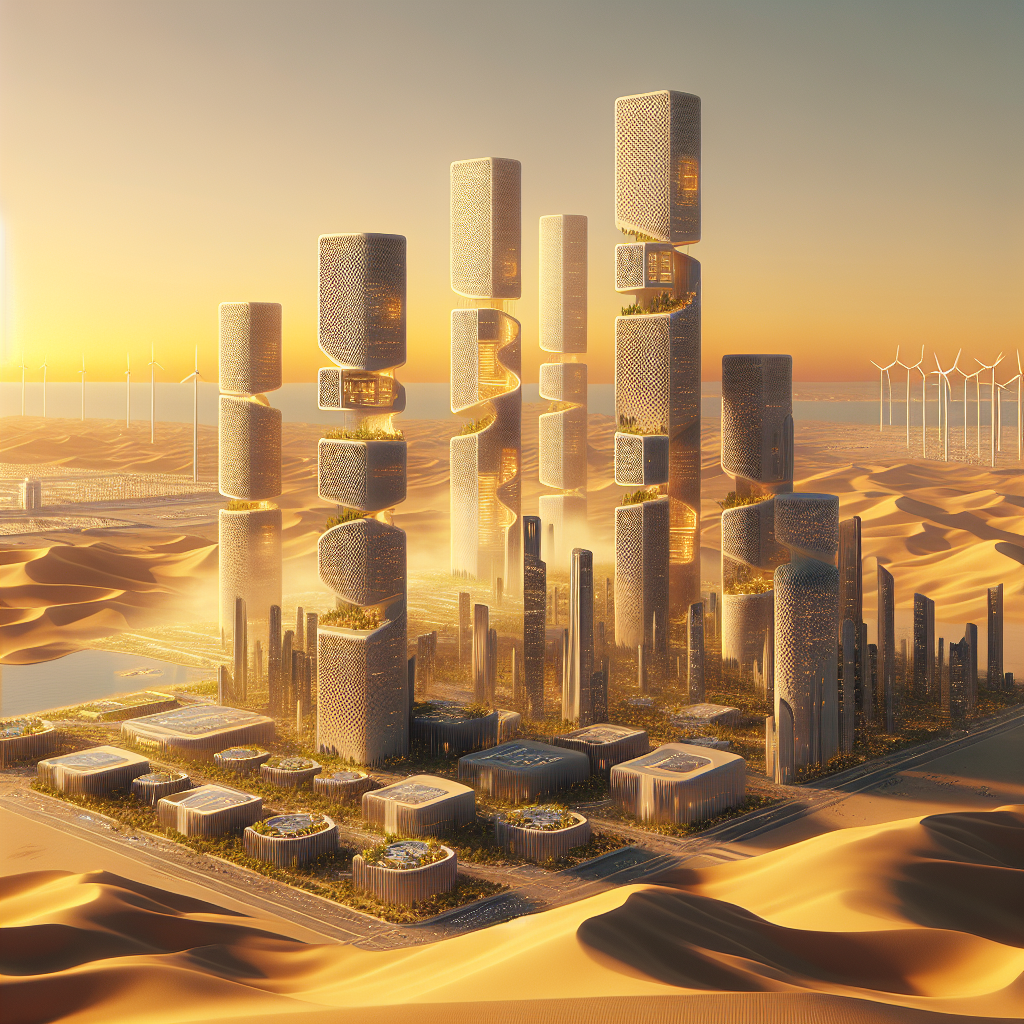
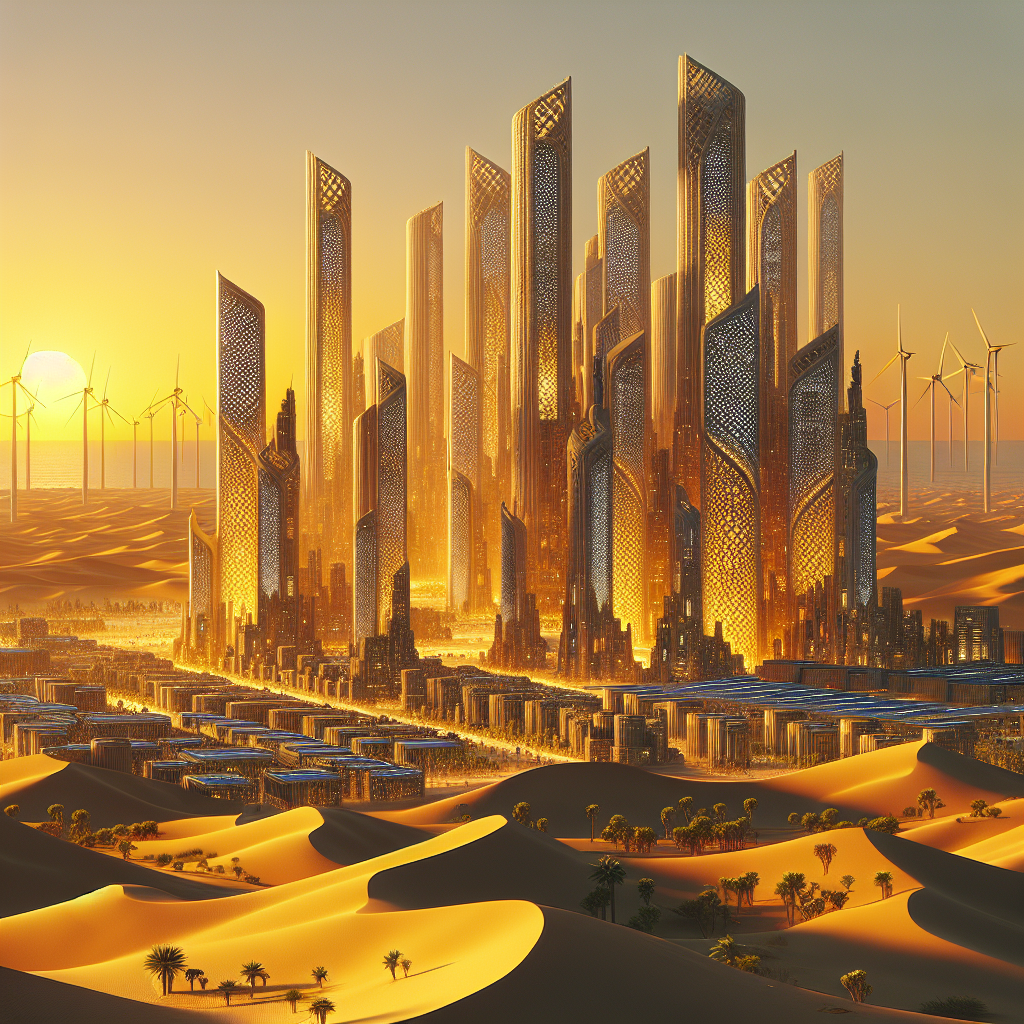
In the vast expanse of the world’s deserts—where the horizon shimmers and the air hums with heat—an architectural revolution is quietly rising. “Dune Scrapers,” as they are being called, are the next frontier in sustainable vertical living: self-sufficient, climate-adaptive towers designed to thrive where life was once thought impossible. These monumental structures reinterpret the skyscraper for an arid world, merging ancient desert wisdom with advanced environmental engineering.
Architecture Born from the Sand
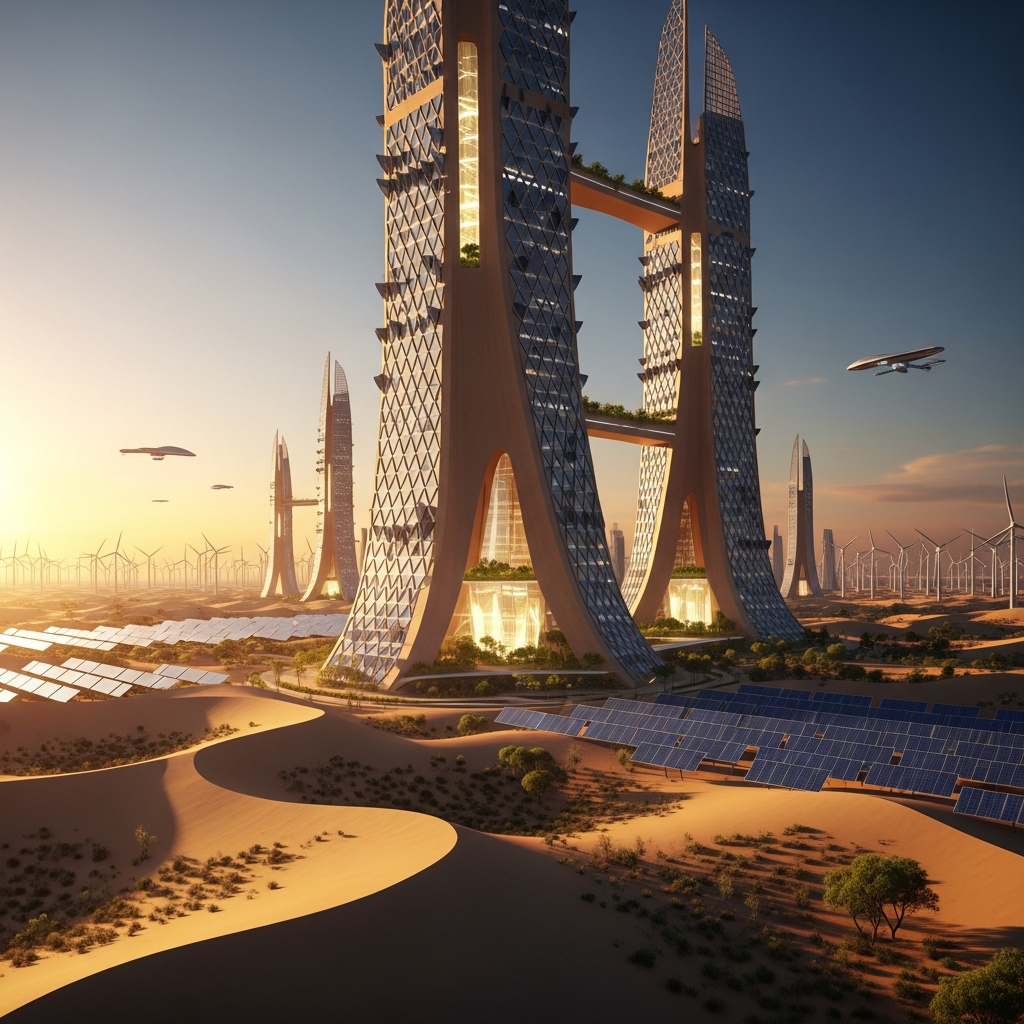
Unlike traditional glass-and-steel high-rises, Dune Scrapers are sculpted from the very material that defines their environment: sand. Through the use of advanced sand-printing technology, architects are now able to 3D-print structural components directly from desert silica, reducing transportation emissions and creating a material that naturally blends with its surroundings. The result is a seamless integration of architecture and landscape—a building that appears to have grown from the dunes themselves.
These structures are designed with thermal mass in mind. Their thick, porous walls absorb heat during the day and release it at night, echoing the passive cooling strategies of ancient desert architecture. This approach draws from centuries-old techniques, much like those explored in ancient desert architecture, where wind towers, courtyards, and shaded corridors shaped human comfort long before the advent of air conditioning.
Vertical Oases: The Biophilic Core
Inside, Dune Scrapers are envisioned as vertical oases. Central atriums host lush biophilic gardens that not only purify the air but also provide psychological relief from the starkness of the desert outside. Drawing inspiration from the principles of biophilic design, these green sanctuaries mimic the natural ecosystems of oases—complete with hydroponic systems, misting walls, and light wells that channel the sun through prismatic glass.
According to research by the Boston Society for Architecture, integrating vegetation into vertical structures can reduce internal temperatures by up to 7°C, a crucial advantage in regions where daytime heat regularly exceeds 45°C. The biophilic core also acts as a social condenser, encouraging interaction among residents while maintaining a sense of serenity and connection to nature.
Harnessing the Elements
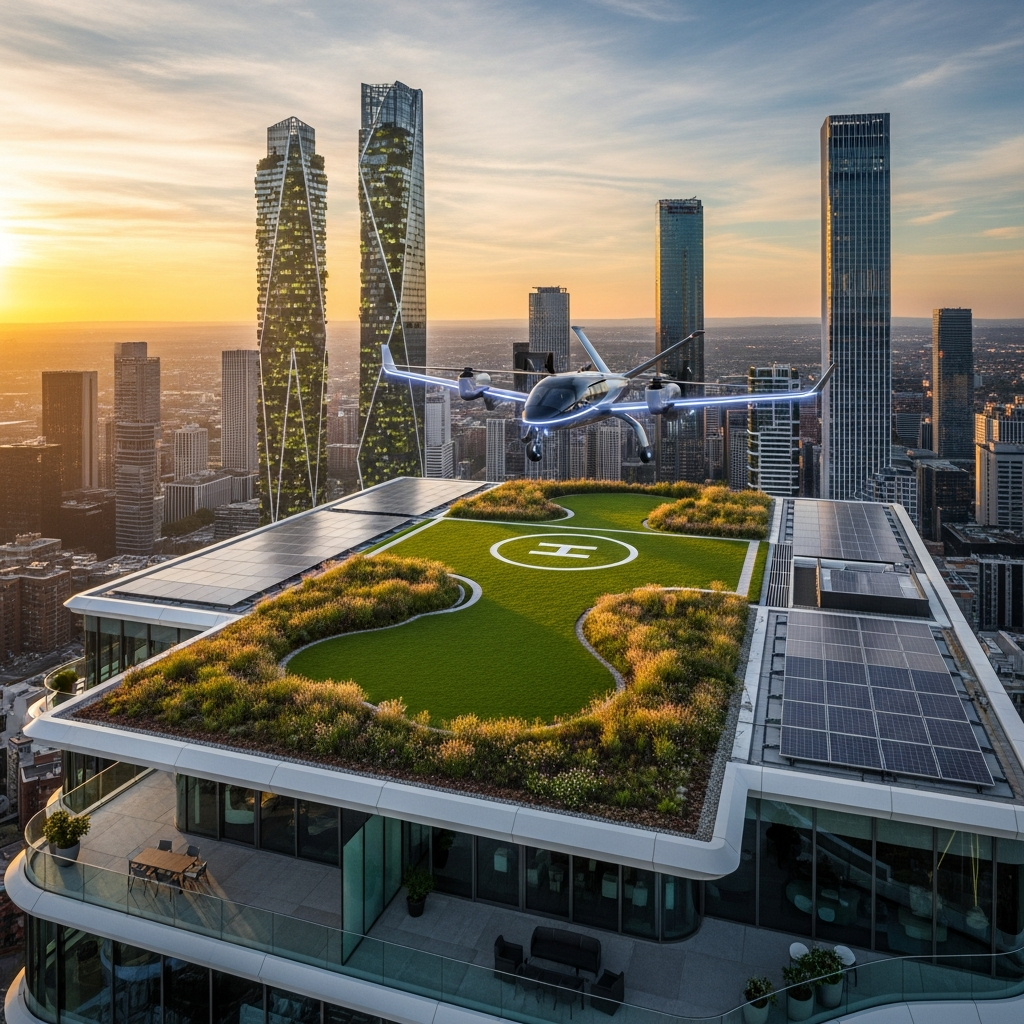
Energy generation in Dune Scrapers is as poetic as it is practical. The exteriors are clad in photovoltaic mosaics—solar panels arranged in tessellated patterns that resemble traditional desert motifs. At night, kinetic facades shift to capture wind currents, converting them into electricity through micro-turbines embedded within the building’s skin. The design philosophy mirrors that of solar-powered architecture but extends it into a fully integrated system where energy, water, and air flow are orchestrated symbiotically.
Water, the desert’s most precious resource, is harvested through atmospheric condensers that draw humidity from the air during cooler hours. These systems, developed in collaboration with researchers at the University of Manchester’s Department of Materials, utilize graphene-based membranes to extract moisture even in extremely arid conditions. The collected water is filtered, stored, and circulated through the building’s hydroponic gardens and cooling systems, ensuring near-total self-sufficiency.
Living in the Vertical Desert
Life inside a Dune Scraper is designed around adaptability. Modular living pods can expand or contract depending on occupancy, and communal terraces double as micro-farms, producing food through vertical agriculture. These self-contained ecosystems echo the principles of vertical farming, ensuring that residents can cultivate fresh produce year-round without external supply chains.
Lighting, too, follows the rhythm of the desert. Smart shading systems respond to solar intensity, while interior lighting mimics the warm gradient of sunset, supporting circadian health. The interplay of light and shadow is not merely aesthetic—it is a vital part of the building’s energy strategy, reducing artificial illumination by up to 60%.
Learning from the Past, Building for the Future
While the concept of Dune Scrapers feels futuristic, its philosophical roots are ancient. Desert civilizations—from the Nabataeans of Petra to the Berbers of North Africa—understood that survival in harsh climates required harmony with nature, not domination over it. The architects of Dune Scrapers have reinterpreted this ethos through technology, creating structures that breathe, shade, and evolve with their environment.
In many ways, this movement parallels the global shift toward biodegradable architecture and regenerative design. As cities expand into new frontiers, the desert offers both a challenge and an opportunity—a testing ground for architecture that must be self-reliant, adaptive, and deeply contextual.
Desert Urbanism: A New Typology
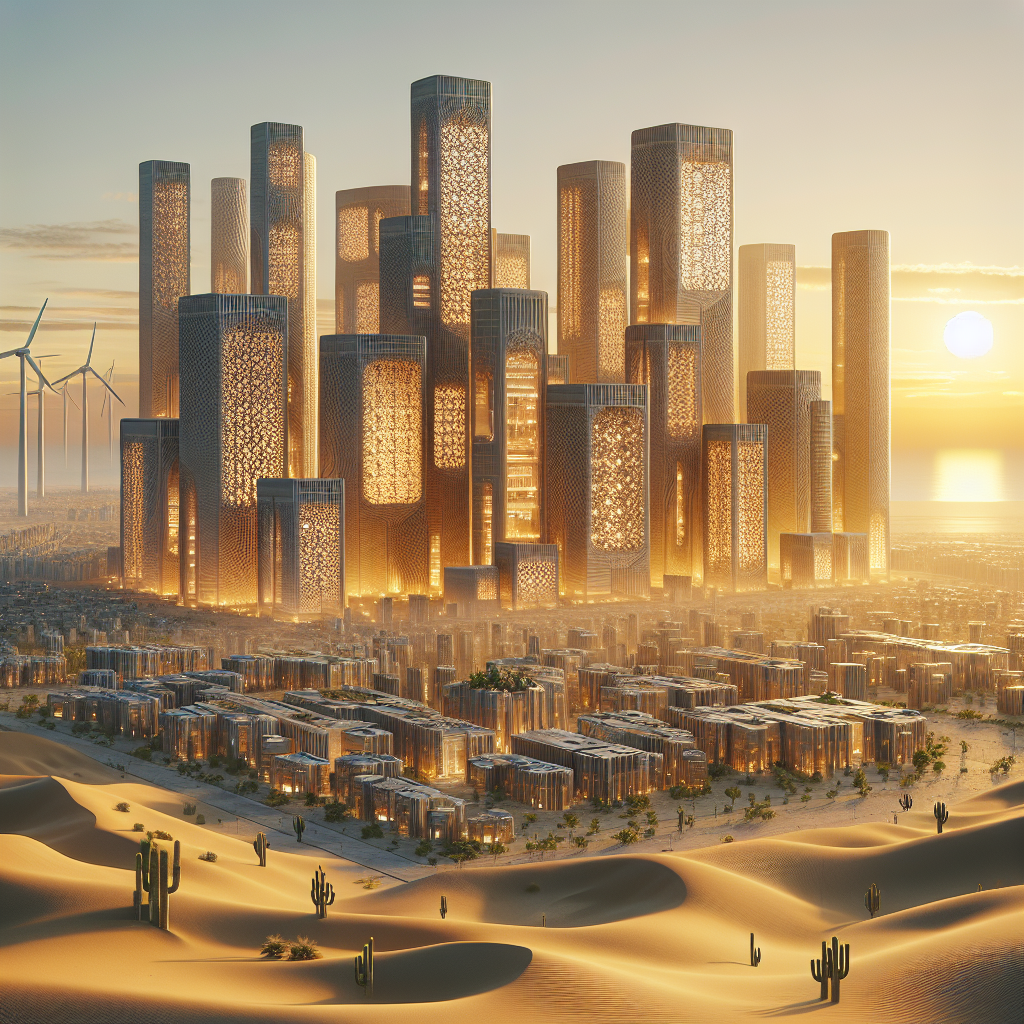
The rise of Dune Scrapers signals a broader rethinking of urbanism itself. Rather than sprawling horizontally, future desert cities may grow vertically, concentrating infrastructure and minimizing land disruption. This vertical density allows for shared energy systems, reduced transportation needs, and more efficient water management. The model could redefine how humanity inhabits extreme environments, from the Sahara to the Arabian Peninsula and beyond.
Architectural theorists at the American Institute of Architects suggest that these developments represent a new typology—“desert verticalism”—where the building is both a habitat and a climate machine. Each tower becomes a living organism, balancing human needs with ecological performance.
From Mirage to Reality
What once seemed like a mirage is now materializing through interdisciplinary collaboration. Engineers, environmental scientists, and designers are converging to create prototypes that could redefine sustainable living in the 21st century. The first experimental Dune Scraper projects are already underway in the Middle East and North Africa, blending cultural heritage with advanced fabrication techniques.
As climate change accelerates and habitable zones shift, the question is no longer whether we can build in the desert—but how we can do so responsibly. Dune Scrapers offer a compelling answer: architecture that is not imposed upon the landscape but emerges from it, like a dune shaped by the wind.
Conclusion: The Architecture of Resilience
In the deep desert, where silence reigns and the horizon blurs, Dune Scrapers stand as monuments to human adaptability. They are not symbols of conquest but of coexistence—structures that transform scarcity into abundance, isolation into community, and heat into energy. In their sculpted silhouettes, one can glimpse the future of sustainable architecture: resilient, poetic, and profoundly rooted in place.
As we continue to explore the boundaries of sustainable design, the Dune Scraper reminds us that the future of architecture may not lie in the cities we already know, but in the landscapes we have yet to fully understand.
###ARTICLE_END### { “seo_title”: “Dune Scrapers: Sustainable Vertical Living”, “meta_description”: “Explore Dune Scrapers—sustainable vertical living towers redefining architecture in the deep desert through sand-printing and biophilic design.”, “excerpt”: “Dune Scrapers reimagine desert living through sustainable, sand-printed towers that merge biophilic design with advanced environmental systems.”, “focus_keyphrase”: “Dune Scrapers sustainable vertical living” } **AI Image Prompts** 1. **Prompt:** Photorealistic image of a futuristic Dune Scraper emerging from golden desert dunes at sunrise, with sand-textured facades and integrated solar panels, shot on a Hasselblad H6D, ultra-high resolution. **Alt text:** Sustainable Dune Scraper tower rising from desert dunes at sunrise. **Caption:** A Dune Scraper blends seamlessly into the desert landscape, capturing the sun’s energy through its sand-printed skin. 2. **Prompt:** Interior view of a Dune Scraper’s biophilic atrium filled with lush greenery, cascading light through prismatic skylights, and residents walking along suspended walkways, shot on a Hasselblad X2D. **Alt text:** Biophilic atrium inside a Dune Scraper with greenery and natural light. **Caption:** The vertical oasis at the heart of each Dune Scraper fosters both community and ecological balance. 3. **Prompt:** Aerial view of multiple Dune Scrapers forming a futuristic desert city, surrounded by wind turbines and solar fields, photographed in warm twilight tones with a Hasselblad