
Dopamine Decor: Can AI-Designed Interiors Actually Cure Anxiety?
Dopamine Decor: Can AI-Designed Interiors Actually Cure Anxiety?
Published on February 12, 2026
There’s a new language emerging in interior design—one that speaks not only in color palettes and materials but in neurotransmitters. “Dopamine decor,” a term once confined to social media trends, has evolved into a serious design philosophy. It proposes that the spaces we inhabit can actively modulate our mood, energy, and even mental health. But as artificial intelligence begins to co-author our interiors, a provocative question arises: can an algorithm truly design happiness?
The Rise of Mood-Driven Design
Interior design has always been about emotion. From the hushed minimalism of a Japanese tea room to the exuberant geometry of a Memphis Milano apartment, spaces have long been mirrors of psychological states. What’s new is the precision. AI now parses biometric data, voice tone, and even facial micro-expressions to generate interiors tailored to an individual’s emotional profile. The goal? To create rooms that can elevate serotonin, calm cortisol, and trigger dopamine release.
According to a 2025 report by the Architects’ Journal, more than 40% of major design firms now integrate AI-driven emotional analytics into their residential projects. These systems learn from user behavior—how long one lingers near a window, the frequency of lighting adjustments, or the temperature preferences during stress peaks—and subtly recalibrate the environment in real time.
Color, Light, and the Algorithmic Mood Board
Color psychology is the cornerstone of dopamine decor. Yet AI’s interpretation of it goes beyond the traditional wheel of warm and cool tones. Machine learning models trained on datasets from neuroscience journals and behavioral studies can predict how specific hues interact with individual personalities. For instance, while coral pink may energize one person, it could overstimulate another. The algorithm learns, adapts, and refines.
Lighting, too, has become a dynamic instrument of mood regulation. Smart luminaires adjust their spectrum to mimic circadian rhythms, while AI-integrated systems analyze user fatigue through wearable data. This echoes the principles of biophilic design, where natural light and organic patterns are used to restore mental equilibrium. The difference is that now, the process is data-driven and personalized to the nanosecond.
From Biophilia to Neuroaesthetics
Neuroaesthetics—the study of how art and design affect the brain—has become the scientific backbone of dopamine decor. Research from the International Association of Empirical Aesthetics suggests that curved forms, symmetry, and natural textures can reduce anxiety by up to 30%. AI systems trained on such findings can now “prescribe” design interventions, much like a digital therapist.
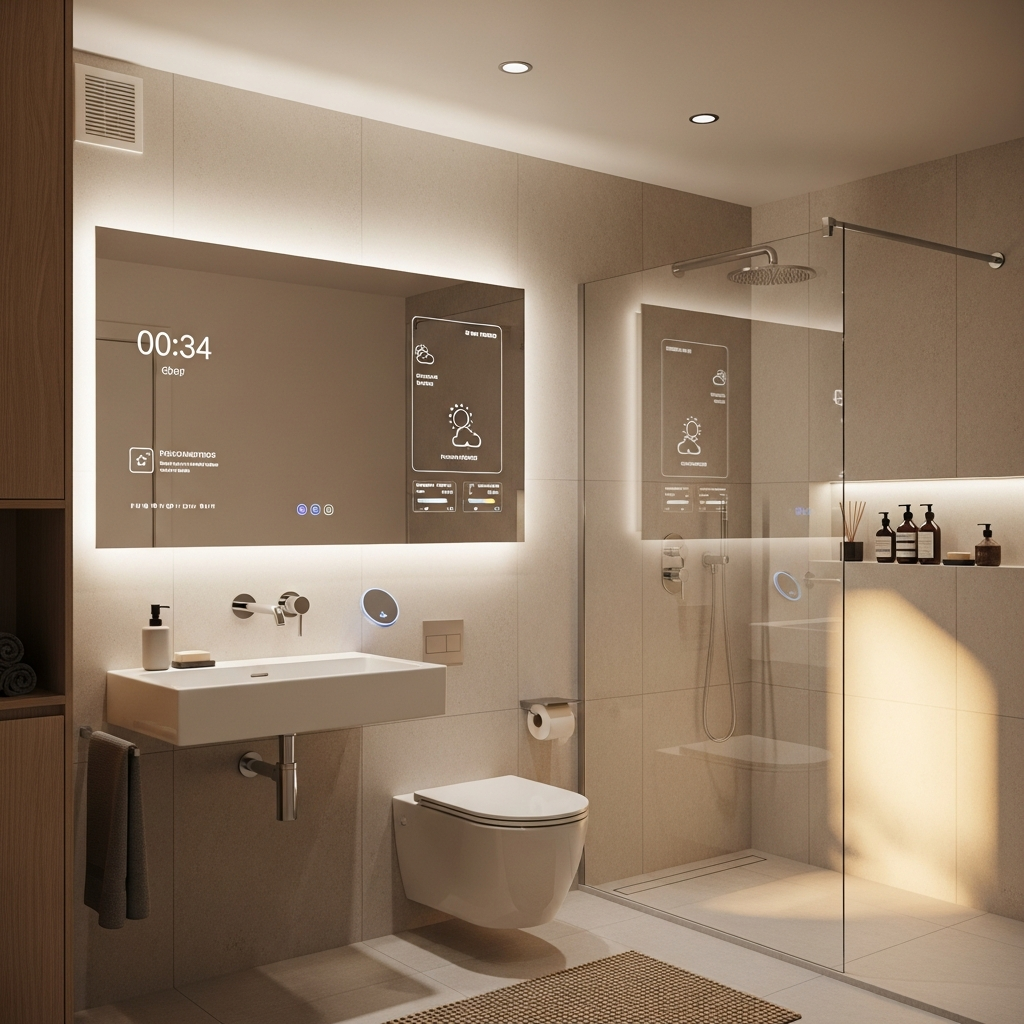
Imagine an apartment that senses rising stress levels through a smartwatch and responds by dimming overhead lights, diffusing lavender scent, and projecting a slow-moving gradient across the walls. This is not speculative fiction—it’s the emerging reality of responsive interiors. The convergence of AI and neuroaesthetics transforms design from static decoration into a living, empathetic organism.
The Ethical Palette: Manipulation or Mindfulness?
Yet, this new intimacy between mind and machine raises ethical questions. If AI can influence mood, where is the line between healing and manipulation? The integration of AI in architecture has already sparked debates about authorship and authenticity. Now, the concern extends to autonomy. Should an algorithm decide what happiness looks like?
Designers are responding by emphasizing transparency and co-creation. Instead of replacing human intuition, AI acts as a collaborator—suggesting, not dictating. The best dopamine-driven interiors are those that merge computational precision with human imperfection. A slightly uneven ceramic vase, a worn leather armchair, or a hand-painted mural introduces what the Japanese call wabi-sabi: the beauty of imperfection. It’s a reminder that serenity often resides in the irregular.
AI’s Role in the Future of Wellness Architecture
Wellness architecture is no longer confined to spas or retreats. It’s infiltrating urban apartments, offices, and even hospitals. AI’s predictive modeling can anticipate emotional fatigue in workspaces and recommend spatial adjustments—perhaps a shift in seating orientation toward natural light or a change in acoustic texture. These principles echo the broader movement toward responsive design, where environments evolve alongside their inhabitants.
In a post-pandemic world where anxiety has become a global epidemic, the idea of a home that “cares” for its occupant feels both timely and essential. Yet, designers caution against over-automation. “The goal isn’t to eliminate discomfort,” says Dr. Helena Ruiz, a cognitive architect at the University of Barcelona. “It’s to create spaces that help us process it. Emotional growth requires friction.”
Material Intelligence: Textures That Heal
AI’s influence extends beyond digital systems into the tactile realm. Through generative design tools, algorithms can propose material combinations that optimize sensory comfort. Soft, matte finishes paired with temperature-neutral surfaces, for instance, can lower tactile overstimulation. The result is a new form of “material intelligence,” where surfaces respond to touch, temperature, and emotional state.
Emerging materials like mycelium composites and bio-based textiles—once explored in biodegradable architecture—are now being reimagined for interior wellness. Their organic irregularities provide a visual antidote to the sterility of digital life. When paired with AI’s adaptive lighting and soundscapes, they create multisensory sanctuaries designed for psychological restoration.
Can Design Really Cure Anxiety?
“Cure” may be too strong a word. But design can certainly contribute to emotional regulation. A 2024 study published in the Frontiers in Psychology journal found that individuals exposed to personalized, adaptive interiors reported a 22% reduction in self-reported anxiety levels after four weeks. The key was not aesthetic perfection but emotional resonance—spaces that felt attuned, not imposed.
Ultimately, dopamine decor represents a shift from decoration to dialogue. It’s less about color trends and more about cognitive empathy. The home becomes a mirror, a mood board, and a silent therapist—an evolving interface between the human psyche and the algorithmic mind.
The Future: From Therapy Rooms to Everyday Living
As AI continues to refine its understanding of human emotion, dopamine decor may extend beyond interiors into urban planning. Imagine city districts designed to balance stimulation and calm, or public spaces that adjust lighting and sound to collective mood data. This vision aligns with the principles explored in mindful urban design, where architecture becomes a tool for collective mental health.
In the end, the promise of AI-designed interiors isn’t about replacing human intuition—it’s about amplifying it. The most successful spaces of tomorrow will not be those that merely look beautiful, but those that make us feel seen, understood, and gently restored.
{
  "seo_title": "Dopamine Decor and AI Interiors",
  "meta_description": "Explore how dopamine decor and AI-designed interiors use color, light, and neuroaesthetics to reduce anxiety and enhance well-being.",
  "excerpt": "Could your living room become your therapist? Discover how dopamine decor and AI-driven design are transforming interiors into emotional sanctuaries.",
  "focus_keyphrase": "dopamine decor"
}
AI Image Prompts
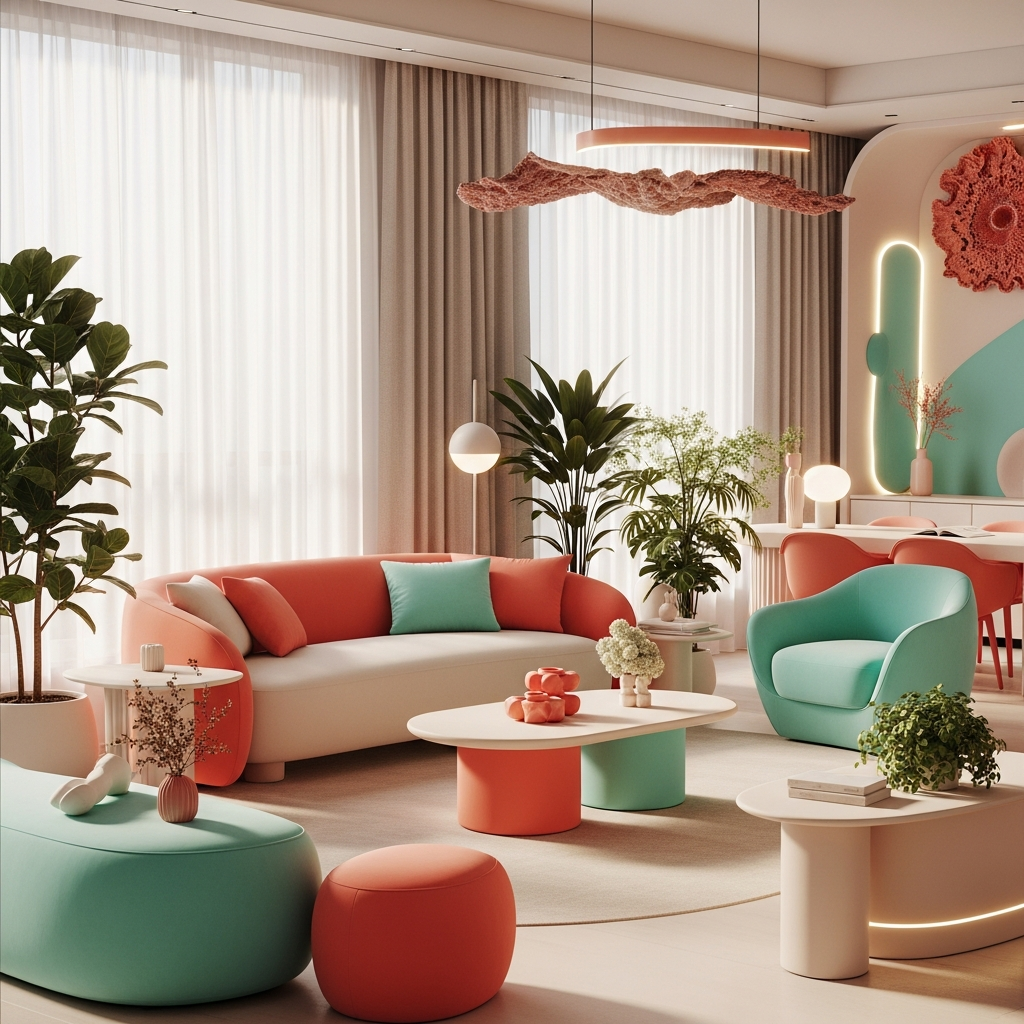
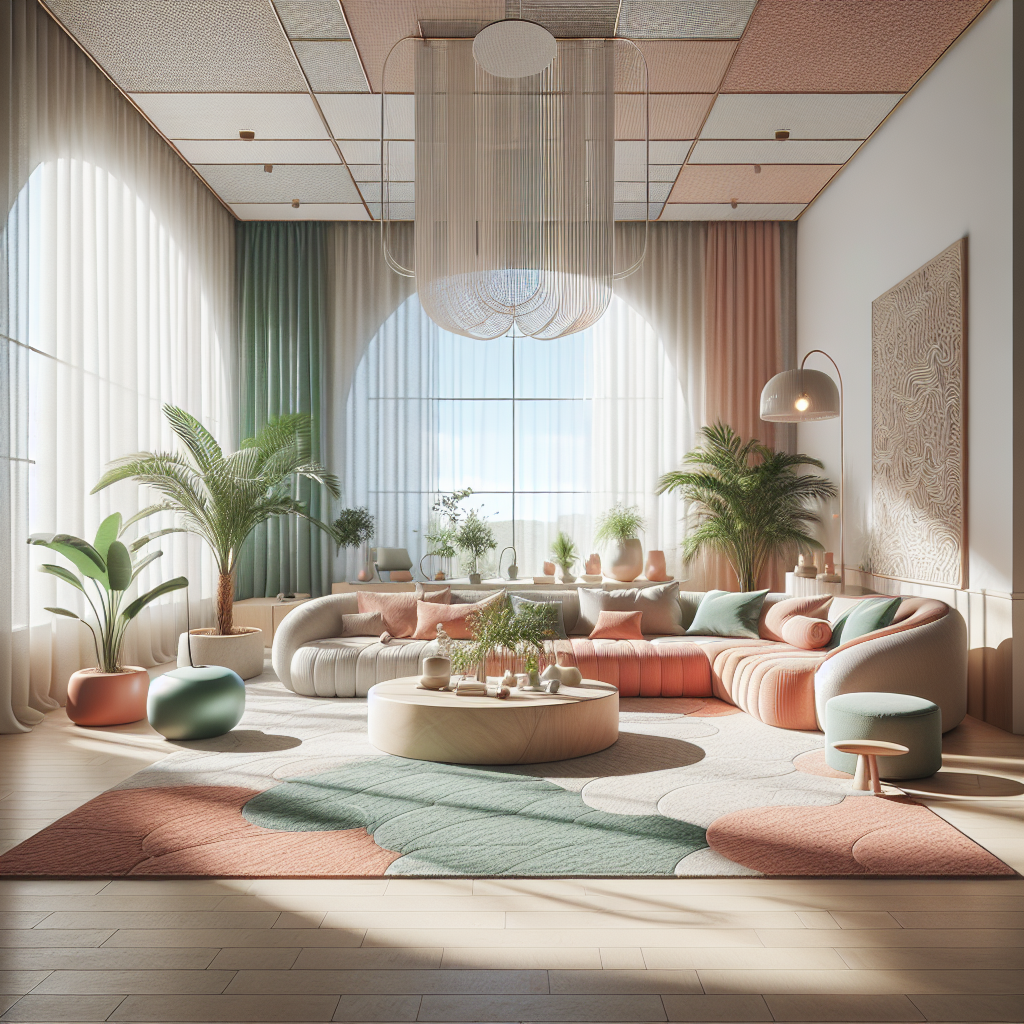
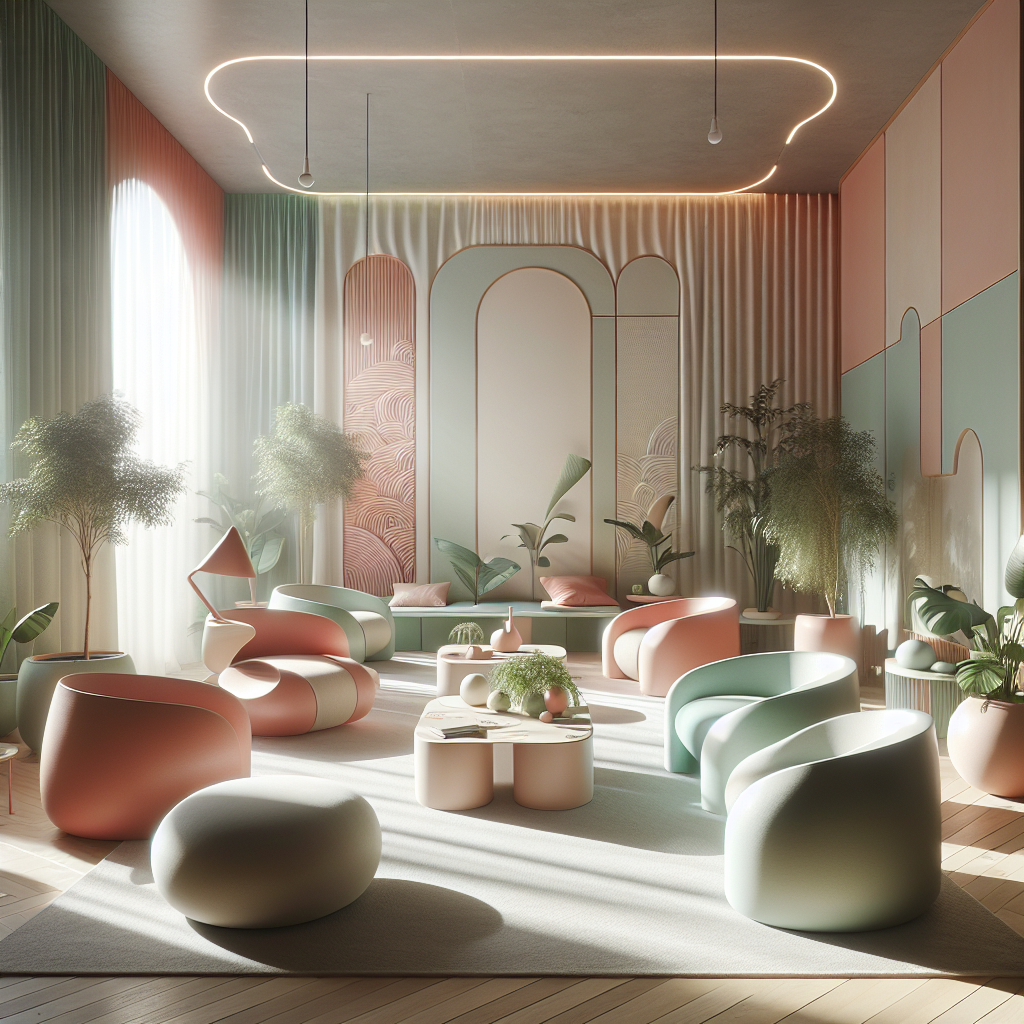
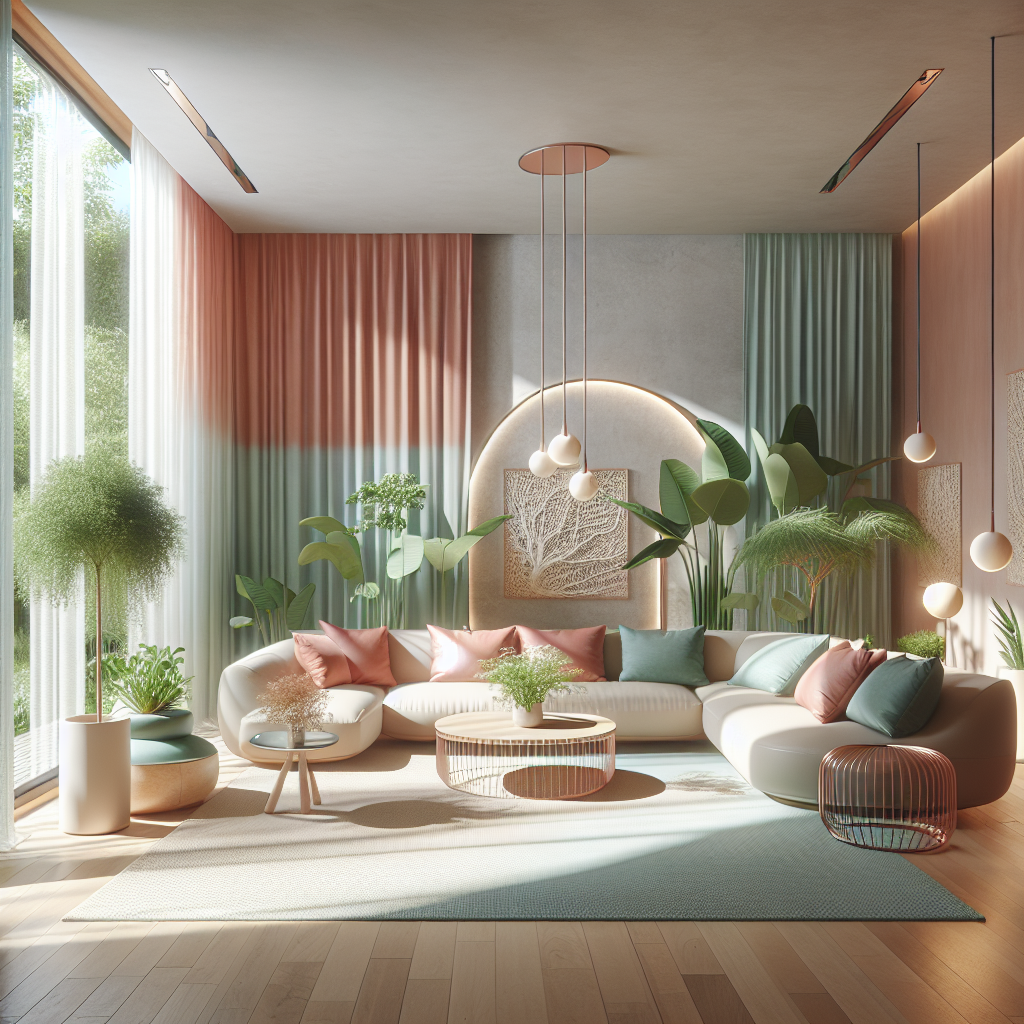
- Prompt: Photorealistic image of a minimalist living room designed with dopamine decor principles, featuring coral and mint hues, soft natural light, and curved furniture; shot on a Hasselblad H6D with 50mm lens.
Alt text: AI-designed dopamine decor living room with soft colors and natural light.
Caption: A dopamine-inspired living space where color and form work in harmony to calm the mind. - Prompt: High-resolution photo of a wellness-oriented home office with adaptive lighting and biophilic elements, showing a balance of technology and nature; shot on Hasselblad X2D.
Alt text: AI-integrated home office with biophilic design and adaptive lighting.
Caption: Technology meets tranquility in this AI-enhanced workspace designed for focus and calm. - Prompt: Phot
 ×
×❮ ❯