
Digital illusions in: negative space furniture highlighting emptiness
Digital Illusions in Design: Negative Space Furniture Highlighting Emptiness
In an era where the boundaries between the physical and digital dissolve, negative space furniture has emerged as a profound exploration of absence. It is not merely a stylistic exercise in minimalism but a philosophical inquiry into how emptiness can shape perception, emotion, and spatial experience. This movement—rooted in both minimalist art and digital design—redefines what it means to occupy space. The result is a new visual language that transforms interiors into immersive, almost meditative environments, where the void becomes the most expressive element of all.
The Aesthetics of Absence
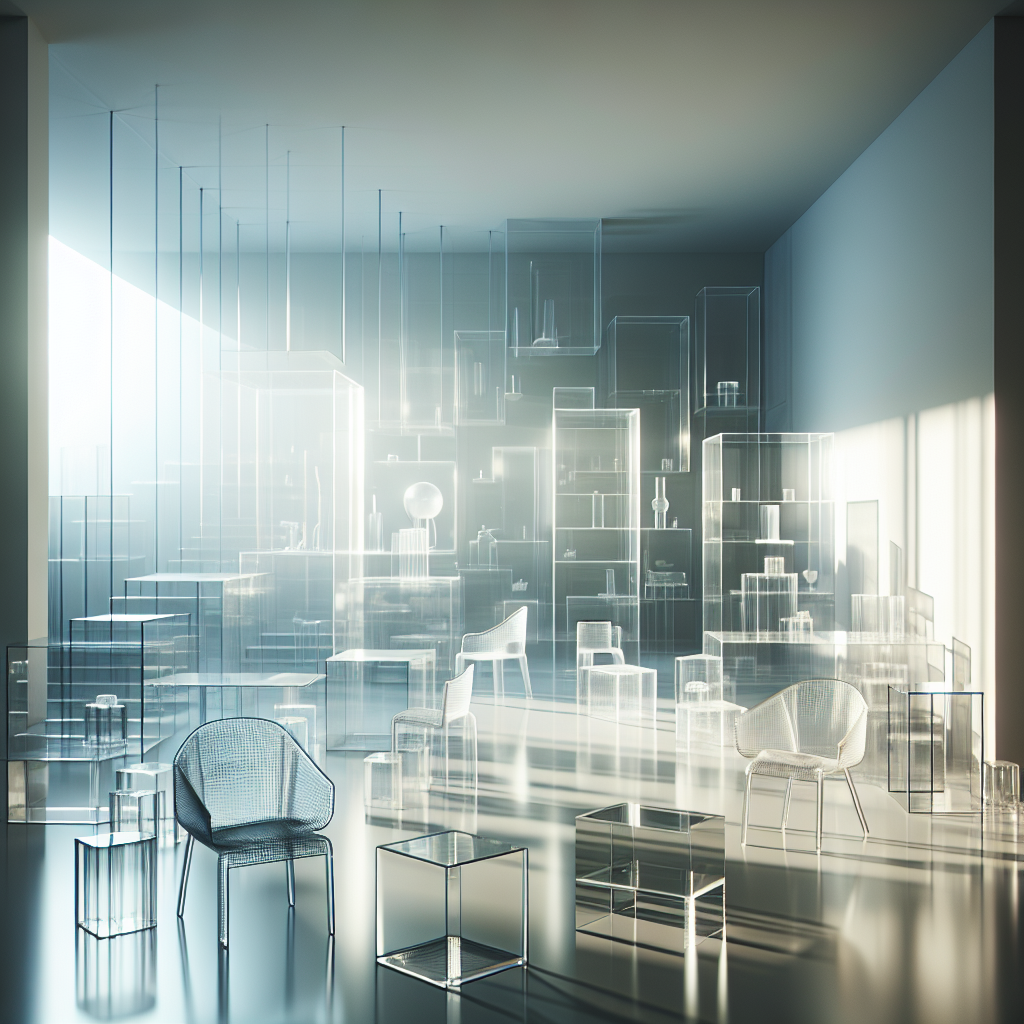
Negative space, long celebrated in painting and sculpture, is now being translated into three-dimensional design. In furniture, it manifests as voids, cutouts, and transparent volumes that invite light and air to become part of the composition. Designers are using these absences not as gaps to be filled but as integral components that give form its meaning. The Japanese concept of ma—the interval between things—finds renewed relevance here, offering a poetic framework for understanding how emptiness can evoke serenity and balance.
Pieces like Nendo’s “Ghost Chair” or Tokujin Yoshioka’s “Invisible Table” challenge our visual expectations. They appear to hover, dissolve, or flicker depending on the viewer’s angle and lighting. This play of perception—akin to trompe-l’œil in classical art—has become a defining feature of contemporary furniture that uses digital illusions to highlight negative space. What once was solid now feels spectral, and what once was functional now borders on the metaphysical.
Digital Craftsmanship: Designing the Invisible
Behind the ethereal simplicity of negative space furniture lies an extraordinary degree of technological sophistication. Advanced modeling tools and parametric design softwa
Digital illusions in: negative space furniture highlighting emptiness
re allow designers to sculpt voids with mathematical precision. The same algorithms that shape architectural facades or responsive installations—like those explored in parametric architecture—are now being miniaturized for furniture design.
Digital fabrication methods such as 3D printing and CNC milling enable the creation of intricate frames that appear impossibly thin yet structurally sound. These technologies allow designers to explore materials like acrylic, carbon fiber, and lightweight alloys in ways that were once unthinkable. The resulting pieces seem to dematerialize, echoing the virtual reality environments that inspired them. In essence, digital tools are not just shaping furniture—they are shaping the perception of reality itself.
Emptiness as a Medium of Expression
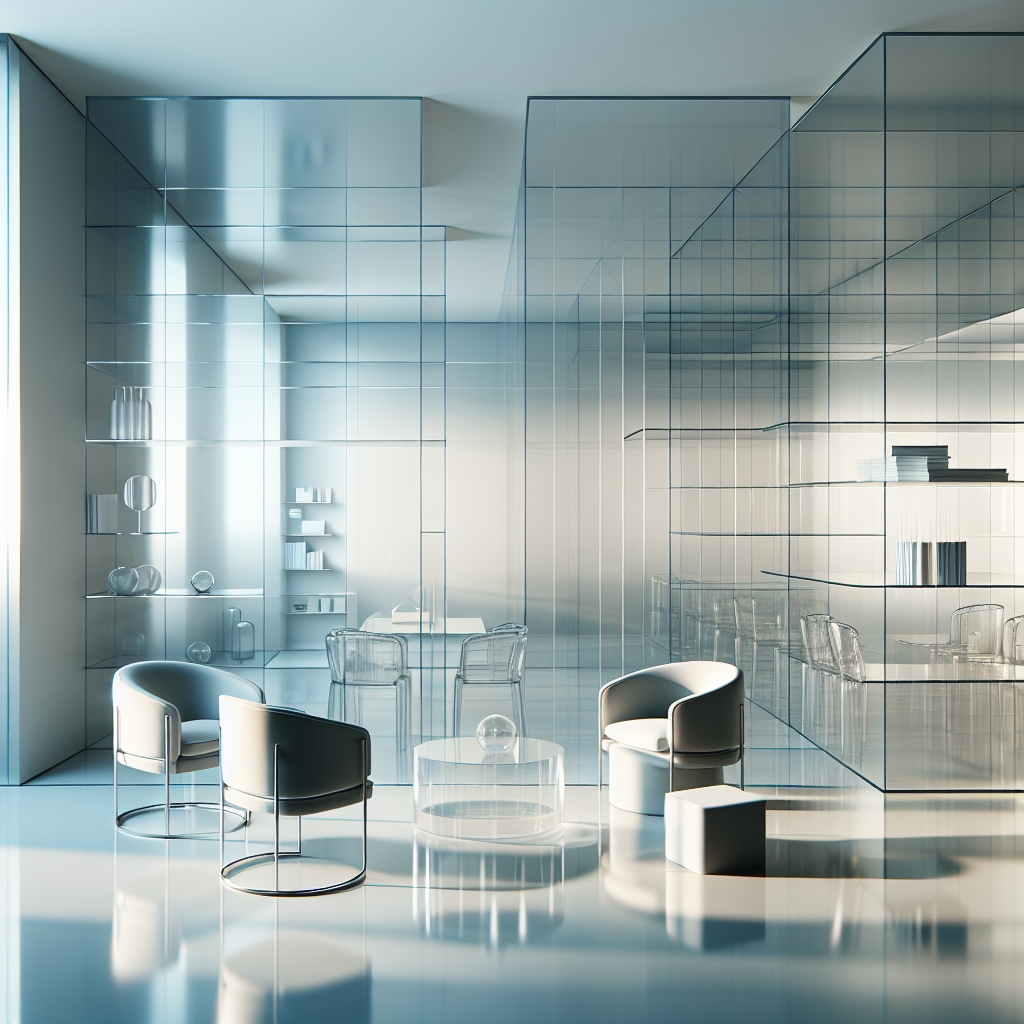
To design with emptiness is to design with restraint. It demands a deep understanding of how the human eye and mind interpret spatial relationships. Negative space furniture thrives on optical tension: the delicate balance between what is seen and what is suggested. A chair might appear incomplete until the viewer mentally reconstructs its missing parts. A shelving unit might rely on shadows to define its geometry. These illusions engage the observer as an active participant, transforming viewing into an act of co-creation.
In this sense, negative space furniture aligns with the psychological insights explored in the subconscious artistry of space. By emphasizing absence, designers tap into the viewer’s cognitive processes, inviting reflection, curiosity, and even introspection. The emptiness becomes a mirror for the mind—a digital illusion that reveals more about perception than about the object itself.
Material Transparency and the Play of Light
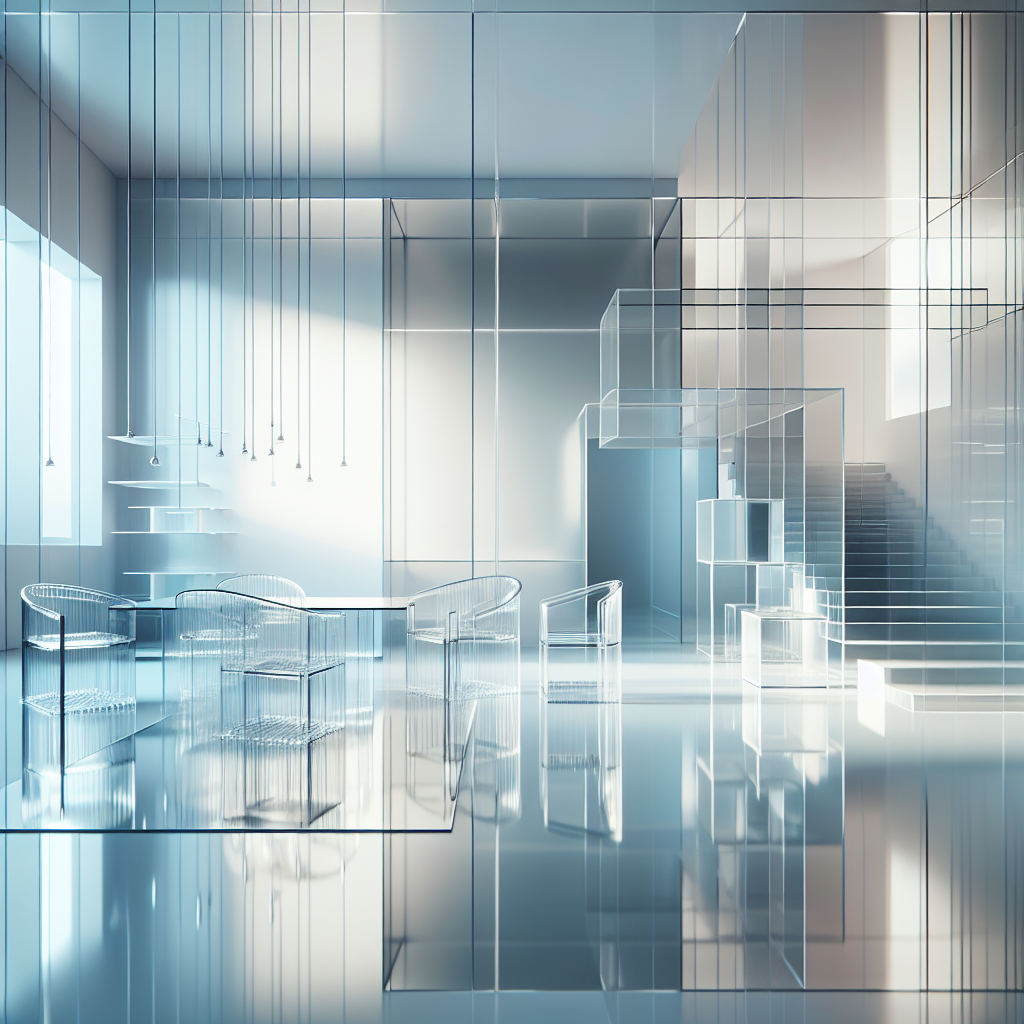
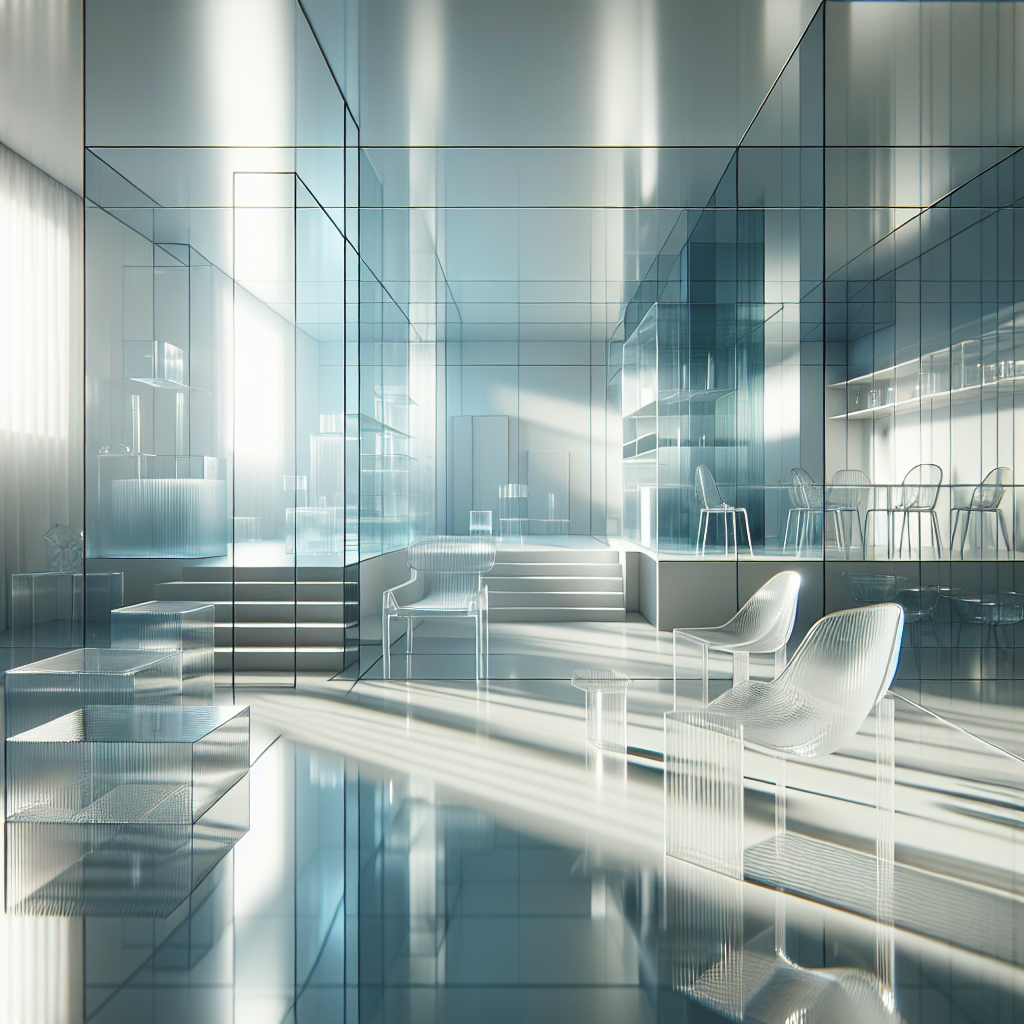
Transparency has become a crucial material metaphor in this movement. Glass, resin, and polycarbonate are used not for their solidity but for their ability to disappear. The way light refracts through these materials transforms static furniture into dynamic installations. Under shifting daylight or programmable LEDs, edges blur, surfaces shimmer, and silhouettes dissolve. The furniture becomes a living interface between light and shadow—a choreography of visibility.
Designers are increasingly integrating interactive lighting systems that respond to movement or ambient conditions. This creates a sense of digital illusion, where the void itself seems to breathe. The effect recalls the kinetic installations of artists like Olafur Eliasson, where perception becomes a performative act. In interiors, these illusions foster a heightened awareness of presence and absence, grounding the user in a state of contemplative stillness.
Philosophy Meets Function
Beyond aesthetics, negative space furniture carries a profound philosophical message. It questions the consumerist impulse to fill every corner of our homes and minds. In a world saturated with stimuli, emptiness becomes a form of luxury—a visual and mental detox. The trend aligns with the broader movement toward minimalist living and sustainable design, where less truly becomes more.
According to a 2025 report by the World Design Organization, over 60% of emerging furniture brands are prioritizing designs that emphasize lightness—both physical and visual. This shift reflects a growing desire for interiors that feel open, breathable, and psychologically restorative. The same ethos underpins the rise of biophilic design, which seeks harmony between built environments and natural rhythms. Negative space furniture, in its quiet way, achieves a similar equilibrium by allowing emptiness to speak.
Case Studies: From Concept to Experience
One striking example is the “Void Bench” by Dutch designer Sabine Marcelis, a monolithic resin piece that captures light like frozen air. Its edges glow softly, and its interior voids create a play of reflections that shift as one walks around it. The bench is less a seat than a spatial illusion—a tangible representation of digital aesthetics in physical form.
Similarly, the “Phantom Series” by Italian studio Calvi Brambilla uses mirrored stainless steel and transparent acrylic to construct silhouettes that vanish into their surroundings. These pieces redefine functionality as a sensory experience, blurring the line between furniture and installation art. Their presence is defined not by mass but by the absence of mass.
In retail and hospitality environments, such designs are being used to amplify spatial perception. A café in Seoul, for instance, employs floating acrylic tables that reflect the ceiling’s LED grid, creating an illusion of infinite depth. The effect is both futuristic and serene—a digital mirage rendered in physical space.
The Future of Digital Emptiness
As augmented and mixed reality technologies continue to evolve, the dialogue between digital and physical emptiness will only deepen. Designers are already experimenting with AR overlays that project virtual furniture into real rooms, allowing users to experience absence as presence. This convergence echoes the principles of augmented reality in design innovation, where perception becomes a customizable layer of experience.
In the coming years, we may see interiors that adapt dynamically—spaces where furniture can appear or vanish based on need, mood, or light. The ultimate goal is not to fill space but to orchestrate it, to choreograph the invisible. Negative space will no longer be a byproduct of design but its central narrative.
Embracing the Void
Negative space furniture represents a quiet revolution in how we perceive form, function, and digital illusion. It invites us to reconsider the role of emptiness—not as absence, but as a presence in its own right. In a world increasingly defined by noise and saturation, these designs offer a counterpoint: a visual silence that resonates deeply with the human need for clarity and calm.
As the line between tangible and virtual continues to blur, the art of designing emptiness may well become the most meaningful expression of our digital age. In the end, it is not what we see that defines beauty, but what we allow ourselves to imagine in the spaces between.
Keywords: negative space furniture, digital illusions, minimalist design, transparent materials, contemporary furniture design, spatial perception, design innovation
❮
❯