
Desert rose fantasies: architectural forms drawn from cactus geometry
Desert Rose Fantasies: Architectural Forms Drawn from Cactus Geometry
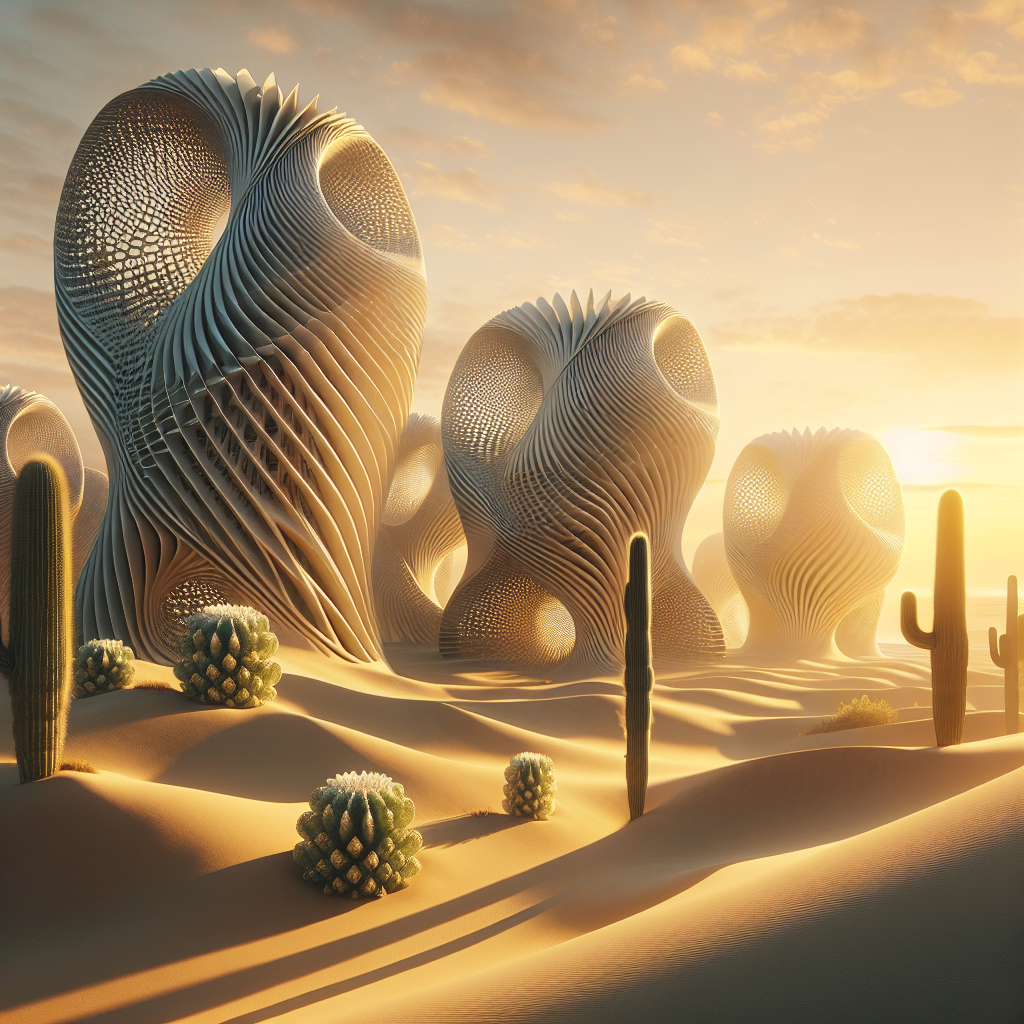
In the vast stillness of the desert, where light and shadow choreograph a daily ballet across sand and stone, a new architectural language is emerging—one that borrows its syntax from the resilient geometry of cacti. This aesthetic, rooted in biomimicry and ecological intelligence, is reshaping how architects and designers interpret arid landscapes. The cactus, long admired for its sculptural silhouette and adaptive genius, is now inspiring structures that fuse parametric design, sustainable engineering, and poetic form into one coherent vision.
The Geometry of Survival
Cacti are natural masters of environmental adaptation. Their ribbed surfaces expand and contract with hydration cycles, their spines diffuse sunlight, and their radial symmetry optimizes water collection. According to biomimicry principles, these traits embody a perfect balance between efficiency and beauty—qualities that architects are increasingly translating into built form. The result is a wave of designs that echo the mathematical precision and organic resilience of desert flora.
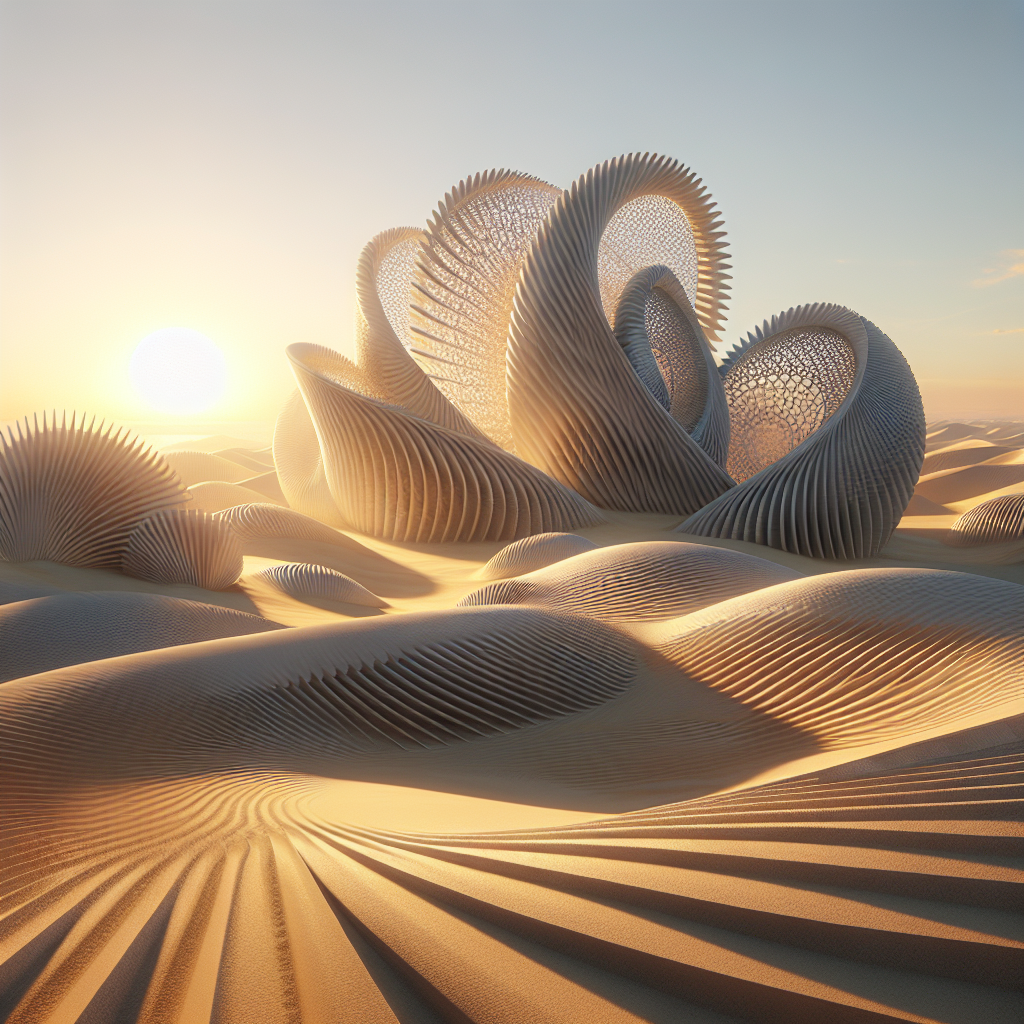
From the bulbous modularity of the saguaro to the crystalline spirals of the desert rose, these geometries offer a lexicon of forms that can be adapted to both macro and micro scales. The desert rose—a mineral formation resembling a blooming flower—has become a metaphor for architecture that grows from the earth rather than imposing upon it. Its layered petals of gypsum or barite inspire facades that seem to unfold with the same quiet logic of nature’s own algorithms.
From Biomimicry to Built Form
In contemporary architecture, cactus-inspired design is more than an aesthetic gesture—it’s a climate-responsive strategy. The biophilic design movement has long advocated for the integration of natural principles into the built environment, and cactus geometry represents a particularly potent expression of this ethos. The plant’s ribbed morphology, for instance, has inspired facades that self-shade and promote passive cooling.
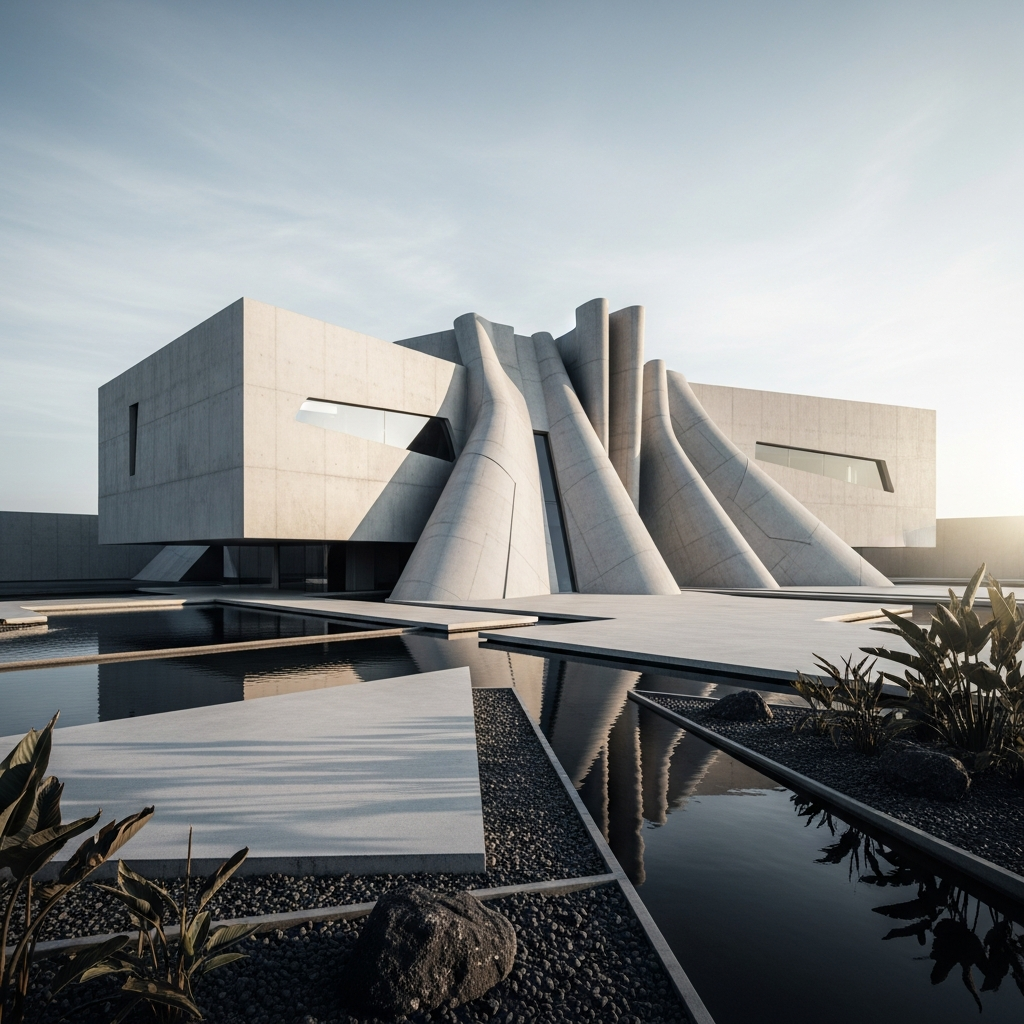
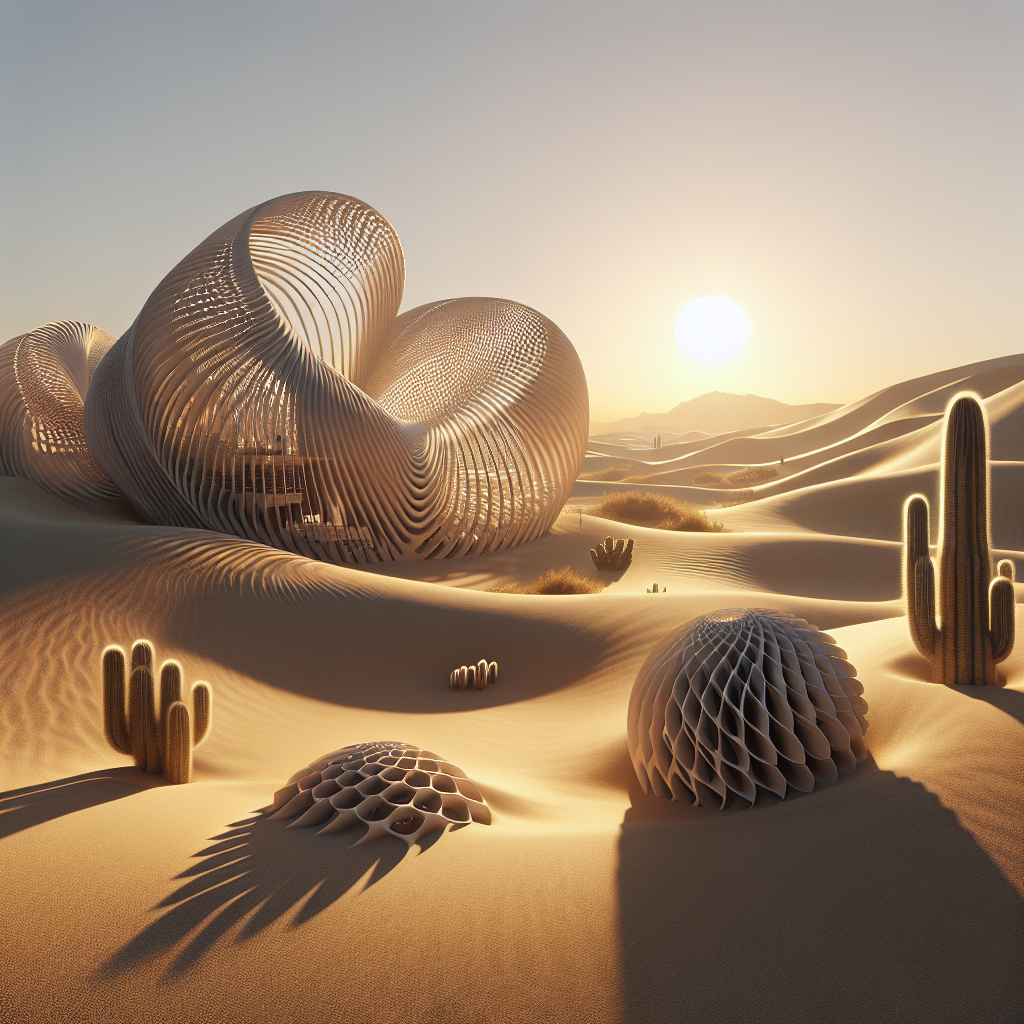
One striking example is the Qatar National Museum by Jean Nouvel, whose interlocking disks evoke the crystalline petals of a desert rose. The building’s complex geometry, modeled through advanced parametric software, creates a dynamic interplay of light and shadow while minimizing solar gain. Similarly, in the American Southwest, architects are experimenting with porous concrete shells and 3D-printed sand composites that mimic the cellular structure of cactus tissue—an approach aligned with emerging research into sand printing technology.
Parametric Design and the Desert Aesthetic
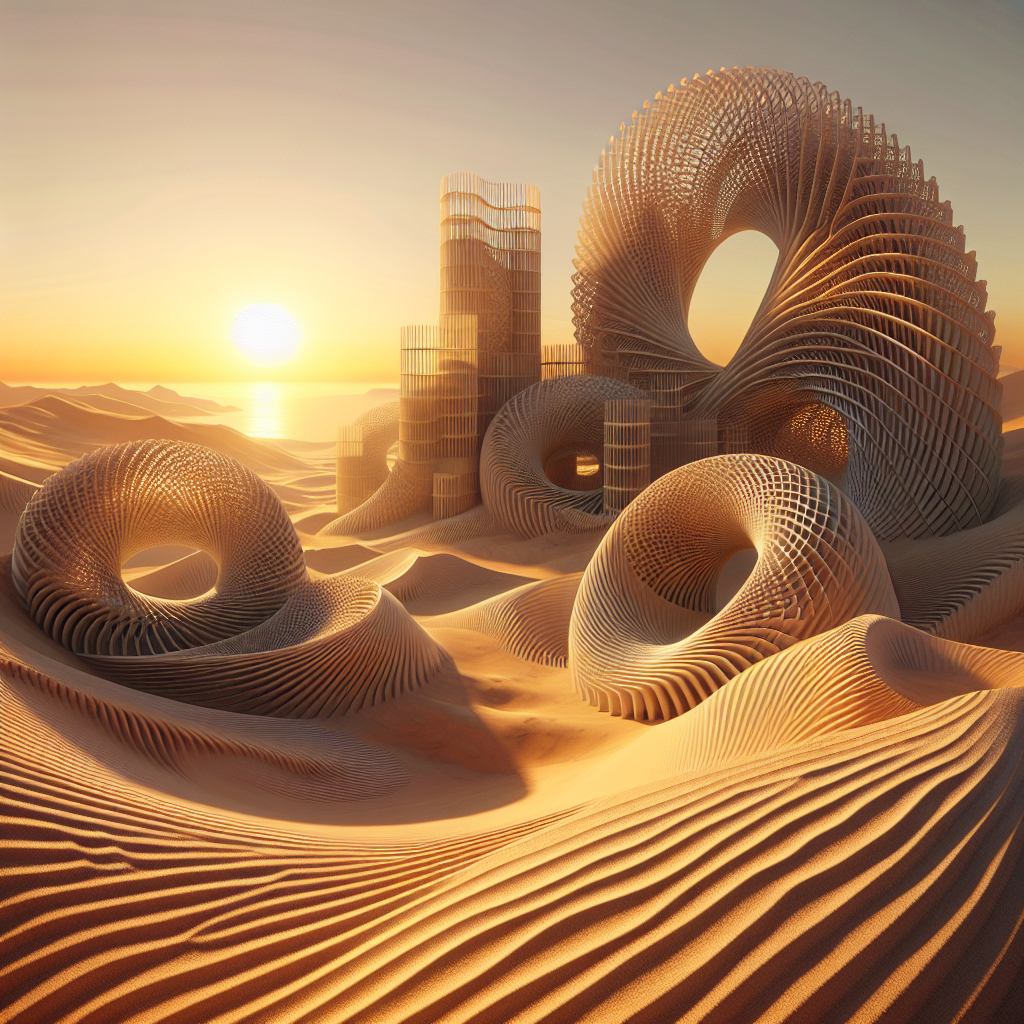
The digital revolution has made it possible to replicate the mathematical intricacies of cactus geometry with remarkable precision. Through parametric design, architects can simulate the fractal patterns, spirals, and surface textures found in desert flora, translating them into adaptive building skins and structural systems. These forms are not only visually compelling but also functionally optimized for heat regulation, airflow, and light diffusion.
For instance, a cactus’s ribbed profile—alternating between convex and concave folds—reduces direct solar exposure while maximizing surface area for thermal exchange. When applied to architecture, this principle can inform the design of facades that breathe, flex, and adapt to shifting environmental conditions. The result is a new typology of responsive architecture that merges computational logic with ecological intuition.
Material Innovation: From Clay to Composite
The desert’s palette—ochres, siennas, and muted greens—finds resonance in material experimentation. Architects are turning to locally sourced materials such as rammed earth, adobe, and bio-based composites to evoke the tactile essence of the landscape. These materials, when shaped through digital fabrication, yield forms that feel both ancient and futuristic.
In Mexico’s Baja California, for example, a series of boutique eco-lodges designed by Estudio ALA employ curved adobe shells that echo the contours of barrel cacti. The walls, thick and porous, act as thermal buffers, while their undulating surfaces catch the light in soft gradients reminiscent of desert dunes. This approach aligns with the principles discussed in ancient desert architecture, where passive cooling and material honesty were central to survival.
Elsewhere, architects are experimenting with biodegradable architecture—structures designed to decompose gracefully into the landscape. This concept, explored in depth in sustainable building research, resonates deeply with the cyclical nature of desert ecosystems, where decay and regeneration are inseparable.
Desert Rose Interiors: Sculptural Calm
The influence of cactus geometry extends beyond exteriors into interior design. Inside these structures, designers are embracing sculptural minimalism—spaces defined by curved walls, filtered light, and textural contrasts. Interiors often feature perforated screens inspired by cactus spines, casting intricate shadows that shift throughout the day. The result is an atmosphere of contemplative calm, where light becomes an architectural material in its own right.
Furniture and lighting designers are also translating these organic geometries into smaller scales. Ceramic lamps shaped like blooming succulents, ribbed plaster walls that mimic cactus pleats, and textiles woven in fractal patterns all echo the same natural logic. This sensibility aligns with the growing appreciation for biophilic interiors—spaces that nurture psychological well-being through tactile and visual connection to nature.
Climate Adaptation and Sustainability
The relevance of cactus-inspired architecture extends far beyond aesthetics. As global temperatures rise and arid zones expand, architects are rethinking how buildings can perform in extreme climates. The cactus, with its evolutionary mastery of water retention and heat management, offers a blueprint for climate-adaptive design. Its lessons are particularly vital for regions facing desertification and water scarcity.
Recent studies from the United Nations Environment Programme highlight that over 40% of the Earth’s land area is now classified as dryland. In response, architects are developing structures that emulate cactus physiology—using micro-perforated membranes for vapor control, capillary-inspired irrigation systems for green roofs, and ribbed facades that channel airflow. These innovations not only reduce energy consumption but also foster a deeper harmony between architecture and environment.
Desert Futures: Toward a New Organic Modernism
The cactus aesthetic signals a broader shift in architectural thinking—from object to organism, from monumentality to metabolism. This movement parallels the rise of biomorphic architecture, where form and function evolve through environmental feedback. In this context, the desert rose becomes more than a symbol; it becomes a paradigm for architecture that grows, adapts, and breathes.
Emerging studios across the Middle East, North Africa, and Australia are exploring this direction, merging computational design with indigenous knowledge. Their projects, often characterized by self-shading envelopes and porous skins, redefine what sustainable luxury can look like in arid environments. The aesthetic is raw yet refined, futuristic yet deeply rooted in the land’s geological memory.
The Poetics of Resilience
To design like a cactus is to embrace paradox: fragility and strength, stillness and dynamism, austerity and abundance. It is to recognize that architecture, like nature, thrives on constraint. In the desert, where every shadow counts and every droplet matters, design becomes an act of reverence.
As architects continue to draw inspiration from cactus geometry, they are not merely replicating form—they are channeling a philosophy of endurance. The desert rose, born of wind and mineral, teaches us that beauty can emerge from scarcity, and that geometry itself can be a form of survival. In this sense, the future of desert architecture may not lie in conquering the landscape, but in listening to it.
The cactus, once a silent sentinel of the desert, has become a muse for a new generation of designers seeking equilibrium between technology and ecology. Its geometry—at once mathematical and mystical—reminds us that the most advanced architecture may also be the most ancient in spirit.
Keywords: cactus-inspired architecture, desert rose design, biomimicry in architecture, parametric design, sustainable desert architecture, bi
❮
❯