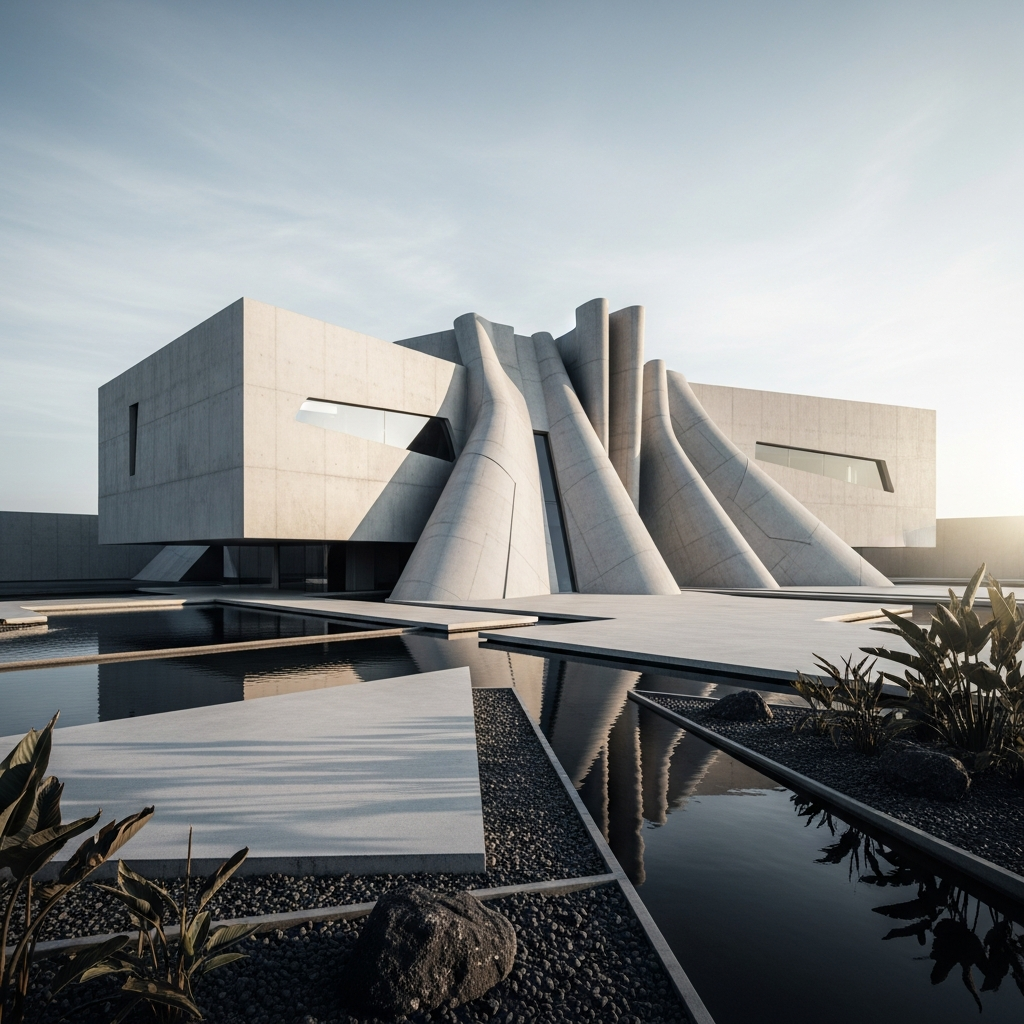

Climate-Adaptive Facades: Shapeshifting Exteriors for a Warming World
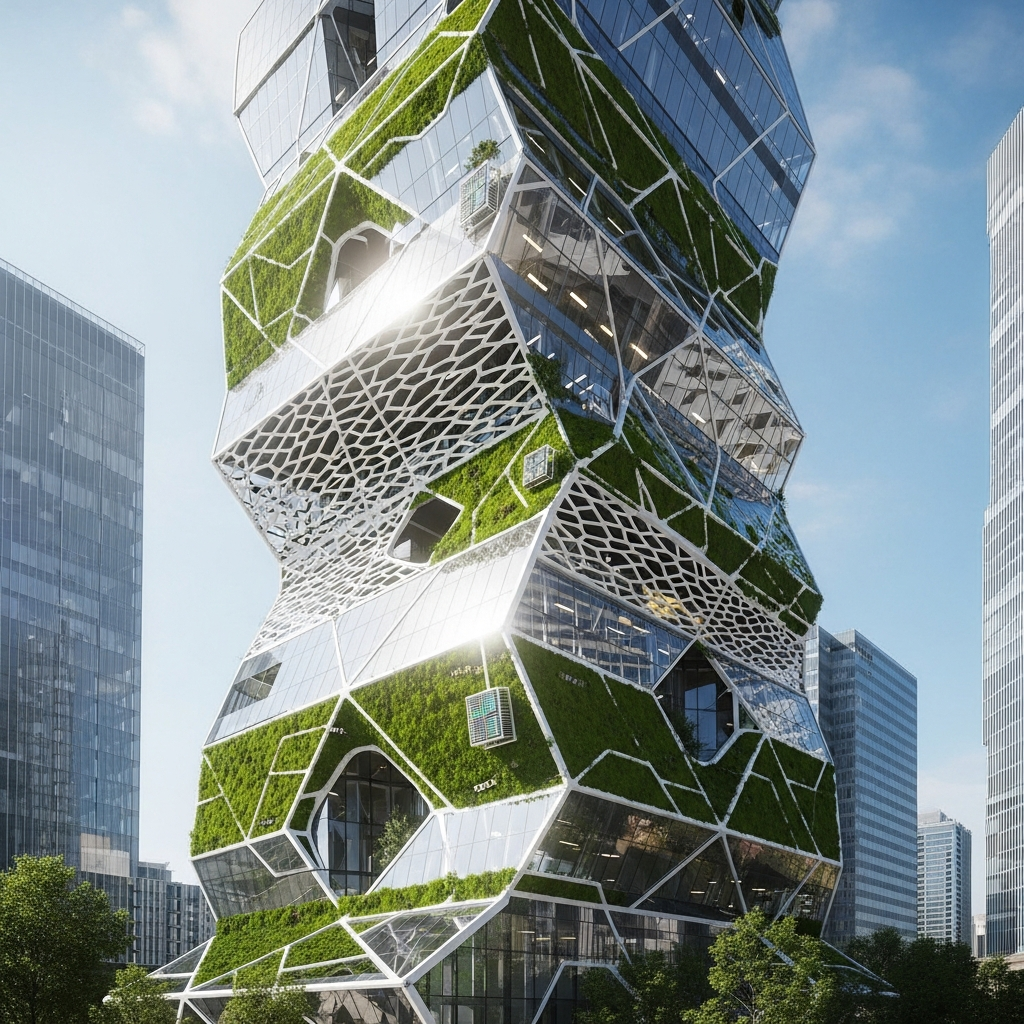
Climate-Adaptive Facades: Shapeshifting Exteriors for a Warming World
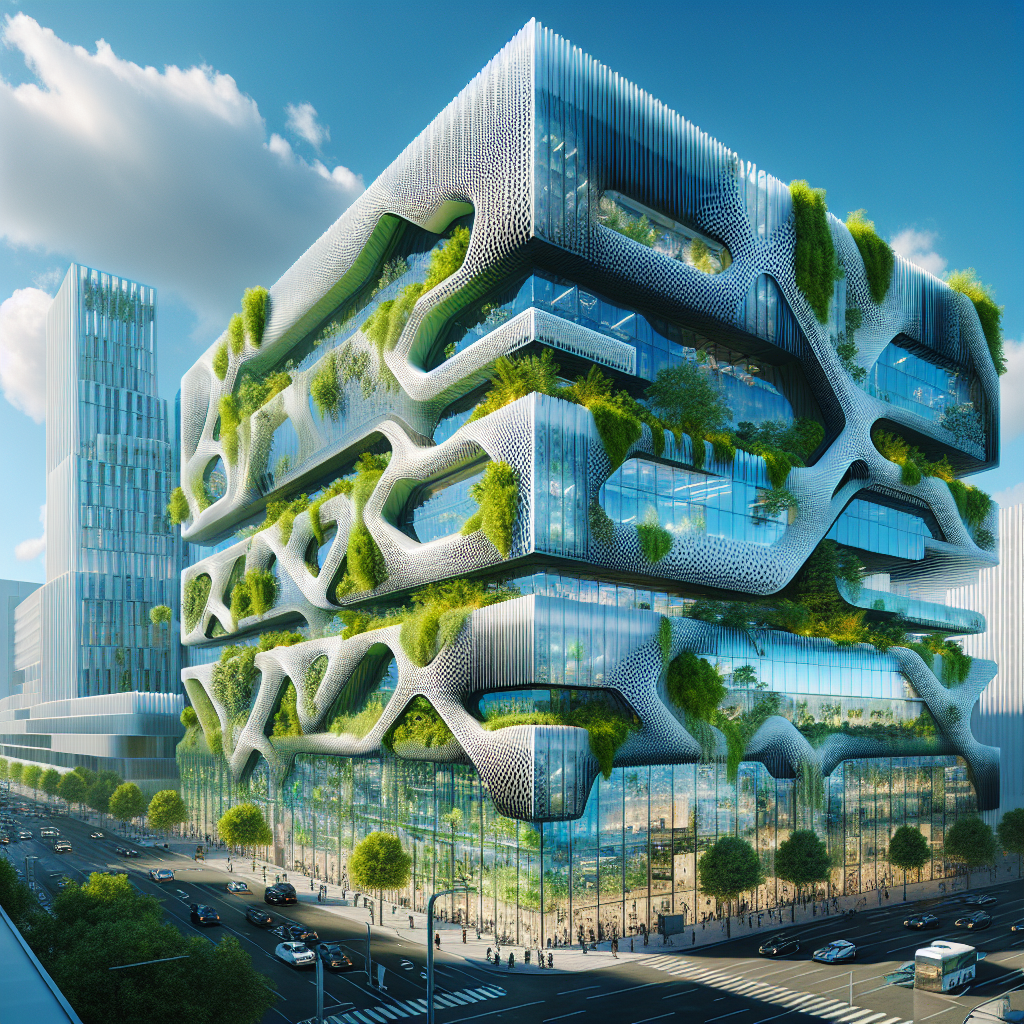
As global temperatures rise and cities grapple with intensifying heatwaves, climate-adaptive facades are emerging as the architectural world’s most dynamic response to environmental volatility. These intelligent, responsive exteriors—capable of adjusting to sunlight, humidity, and air quality—represent a radical evolution in how buildings interact with their surroundings. No longer static shells, facades are becoming living membranes: breathing, shading, and transforming in real time to maintain interior comfort and reduce energy consumption. In an era defined by climate urgency, they stand as both a technological marvel and a poetic gesture toward resilience.
The Rise of Responsive Architecture
The concept of responsive architecture has matured from speculative theory into tangible practice. Architects and engineers are now integrating sensors, actuators, and advanced materials into building envelopes, allowing them to respond autonomously to environmental stimuli. The shift is not merely aesthetic—it’s existential. According to the Intergovernmental Panel on Climate Change, urban areas will face temperature increases up to 4°C by mid-century, amplifying the need for adaptive cooling strategies that go beyond mechanical systems.
In this context, climate-adaptive facades serve as a building’s first line of defense. They regulate solar gain, optimize daylight, and facilitate natural ventilation—all while reducing reliance on artificial heating and cooling. The result is architecture that is not only sustainable but self-regulating, a form of environmental intelligence embedded in material form.
Material Intelligence: From Thermochromic Glass to Bio-Based Skins
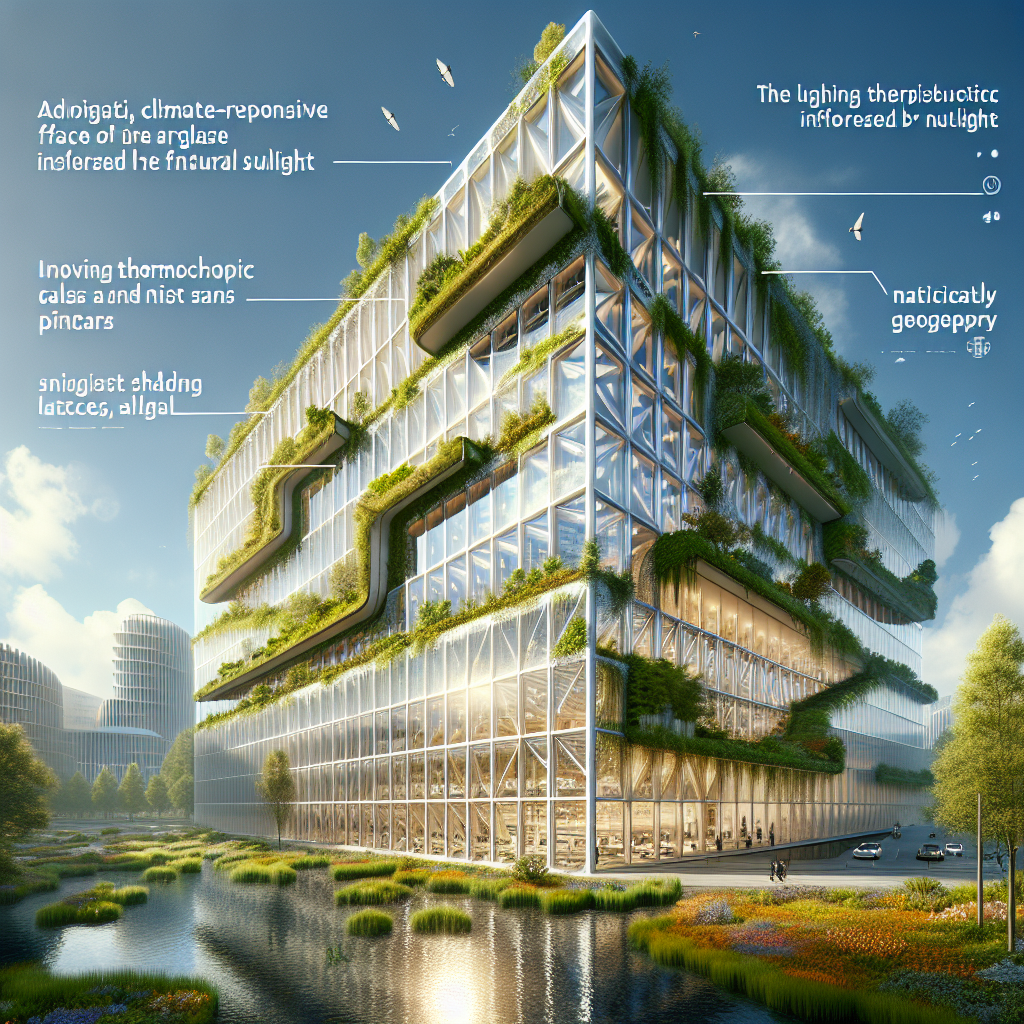
At the heart of these facades lies a new generation of smart materials. Thermochromic glass, for instance, shifts its opacity in response to temperature, reducing glare and heat ingress during peak sunlight hours. Similarly, phase-change materials (PCMs) absorb and release heat as they transition between solid and liquid states, effectively flattening temperature fluctuations throughout the day.
Some of the most intriguing innovations borrow directly from nature—a principle known as biomimicry in design. The Al Bahar Towers in Abu Dhabi, designed by Aedas, feature a mashrabiya-inspired lattice that opens and closes like a flower responding to the sun. The kinetic shading system reduces solar gain by over 50%, a testament to how traditional vernacular strategies can be reinterpreted through digital technology.
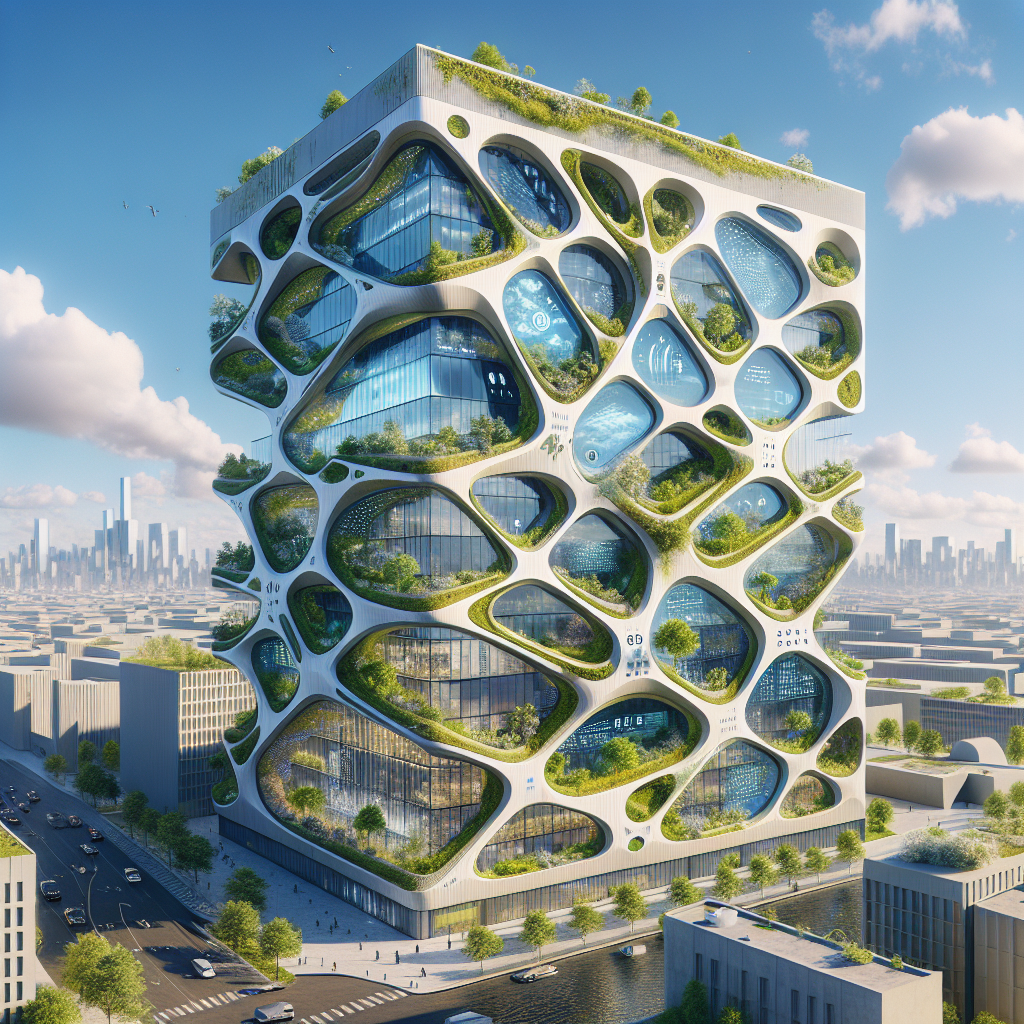
Elsewhere, researchers are experimenting with bio-based facades that literally grow and evolve. Living walls composed of algae or moss not only insulate but also purify the air and sequester carbon. These systems blur the line between architecture and ecology, suggesting a future where buildings are not passive consumers of resources but active participants in environmental regeneration.
Parametric Design and the Digital Climate Skin
The computational revolution has enabled architects to simulate and optimize facade performance with unprecedented precision. Through parametric design, complex geometries can be fine-tuned to local climatic conditions, creating facades that respond differently on each elevation depending on solar exposure, wind direction, and seasonal variation.
One striking example is the Media-TIC building in Barcelona by Enric Ruiz-Geli. Its ETFE cushion facade adjusts its air pressure based on solar intensity, functioning as a thermal buffer that reduces energy consumption by nearly 20%. The result is a lightweight, translucent envelope that glows like a living organism—an architectural skin that both performs and communicates.
Digital fabrication and advanced manufacturing techniques are further expanding the possibilities. 3D-printed shading panels, laser-cut metal screens, and responsive composites can now be produced with millimetric accuracy, allowing architects to craft facades that are both performative and expressive. These innovations are transforming the facade from a static barrier into a dynamic interface between the building and its environment.
Climate Adaptation Meets Cultural Expression
While technology drives the evolution of adaptive facades, cultural context remains equally vital. The most successful designs are those that merge performance with place, reinterpreting local traditions through a contemporary lens. In hot, arid regions, architects are revisiting the logic of ancient desert architecture—courtyards, wind towers, and perforated screens—integrating them with modern materials and control systems.
In Europe, adaptive facades are increasingly tied to heritage conservation and urban identity. The dynamic louvers of the Kiefer Technic Showroom in Austria, for example, create a constantly shifting visual rhythm that reflects both technological sophistication and artisanal craftsmanship. The interplay of movement and light transforms the building into a kinetic sculpture, demonstrating that sustainability and aesthetics need not be at odds.
Data-Driven Sustainability and Energy Performance
According to the International Energy Agency, buildings account for nearly 40% of global energy consumption. Adaptive facades offer a pathway to drastically reduce this footprint. By responding to real-time environmental data, they minimize the need for active climate control systems, cutting operational energy use by up to 30% in some cases.
Integration with smart building systems further enhances performance. Sensors monitor temperature, humidity, and occupancy, feeding data into algorithms that adjust shading, ventilation, and lighting. The result is a feedback loop between the building and its environment—a form of architectural cognition that anticipates rather than reacts.
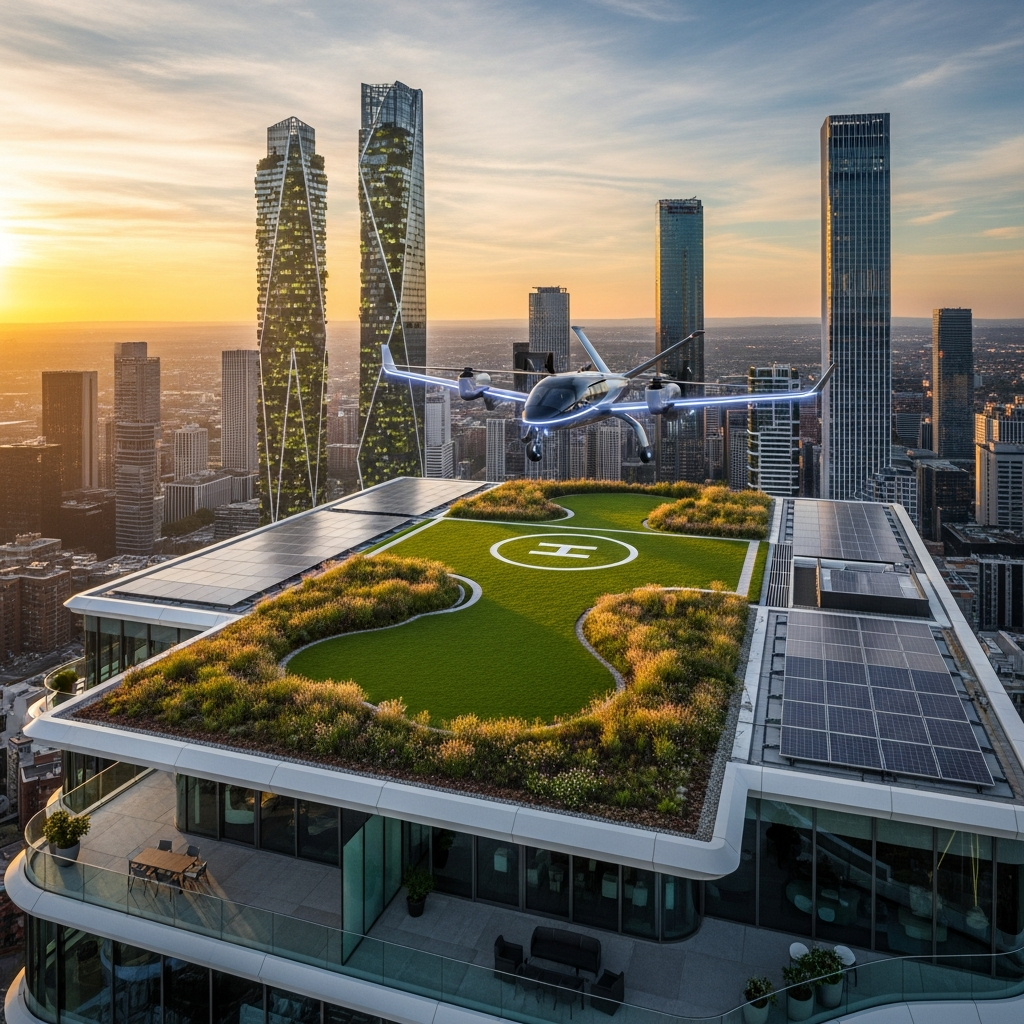
As cities pursue net-zero energy buildings, adaptive facades are becoming central to achieving these goals. They not only improve thermal efficiency but also support renewable integration, such as photovoltaic panels embedded within dynamic shading systems. This convergence of passive and active strategies marks a decisive step toward carbon-positive architecture.
Challenges and the Path Forward
Despite their promise, climate-adaptive facades face significant challenges. Cost remains a major barrier, as kinetic systems and smart materials often demand specialized fabrication and maintenance. Longevity and reliability are also concerns—moving parts can fail, and sensors require calibration. Yet as technologies mature and economies of scale develop, these systems are becoming increasingly viable for mainstream adoption.
More importantly, the conversation around adaptive facades is expanding beyond technology to include ethics and ecology. As explored in Mainifesto’s analysis of net-zero pathways, the design community is rethinking sustainability not as a checklist but as a creative philosophy. Climate-adaptive architecture exemplifies this shift: it’s not about minimizing harm but about designing systems that evolve in harmony with their ecosystems.
Architecture as a Living System
In the most visionary projects, adaptive facades are not simply mechanical devices but expressions of a new architectural paradigm—one that treats buildings as living systems. They inhale and exhale, open and close, glow and dim in response to the rhythms of nature. This sensibility aligns with the growing movement toward biophilic design, which seeks to reconnect human environments with natural processes.
As the climate crisis accelerates, architecture’s role is being redefined. The facade, once a symbol of permanence and protection, is now a site of negotiation—between technology and ecology, between human comfort and planetary limits. In this negotiation lies the future of design: adaptive, intelligent, and profoundly alive.
Climate-adaptive facades remind us that architecture need not resist change; it can embody it. They invite us to imagine cities that shimmer, breathe, and transform—urban ecosystems that adapt as gracefully as the natural world they seek to sustain.
Keywords: climate-adaptive facades, responsive architecture, kinetic facades, sustainable design, smart materials, parametric design, net-zero buildings, biophilic architecture