
Chromatic illusions in interior lighting: color-shifting LEDs for mood enhancement
Chromatic Illusions in Interior Lighting: Color-Shifting LEDs for Mood Enhancement
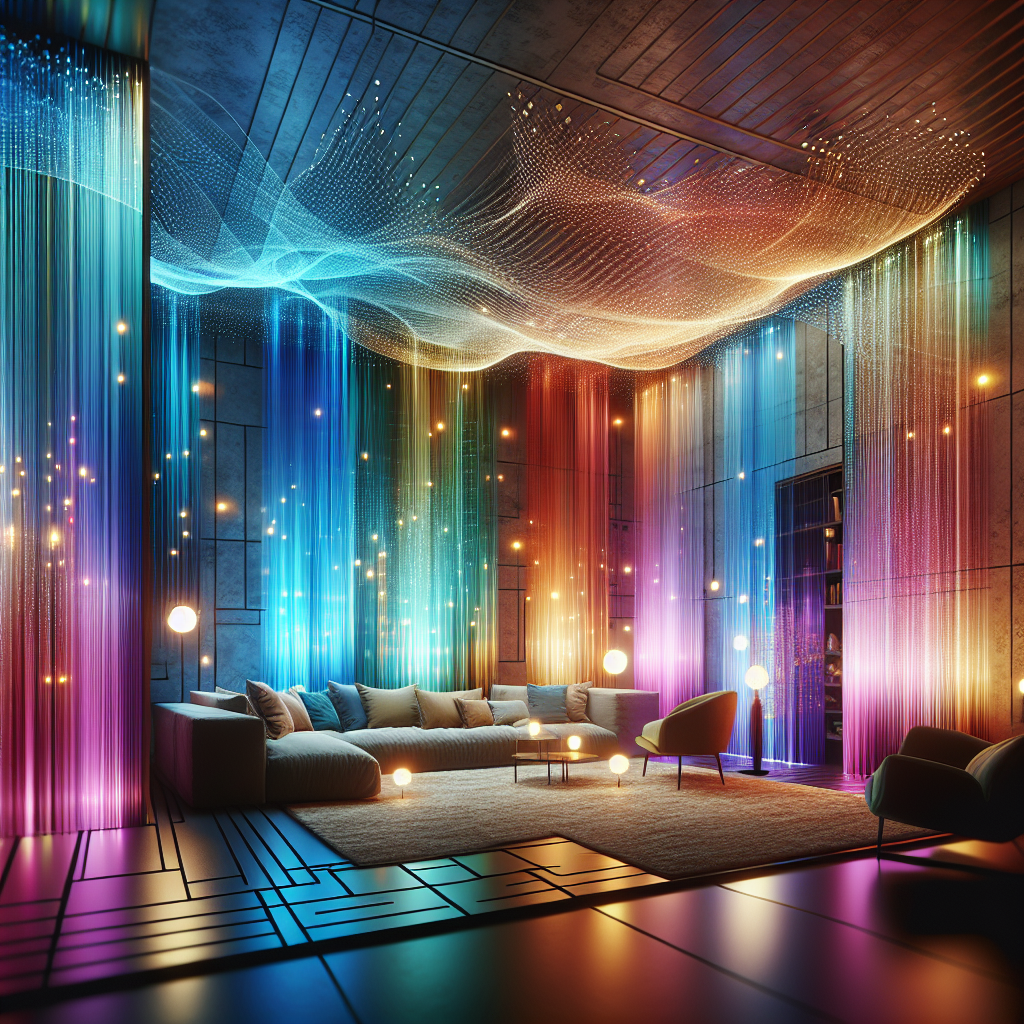
In the evolving landscape of interior design, light has transcended its utilitarian role to become a dynamic medium of expression, emotion, and psychological influence. Among the most captivating developments in this field is the rise of color-shifting LED lighting—a technology that merges science, art, and human perception to craft immersive, mood-enhancing environments. From boutique hotels and avant-garde galleries to residential sanctuaries, designers are harnessing the power of chromatic illusions to transform static interiors into living, breathing atmospheres that respond to emotion, time, and purpose.
The Science Behind Chromatic Illusions
At its core, a chromatic illusion is a perceptual phenomenon—our brains interpret color and light contextually, influenced by surrounding hues, brightness, and texture. This principle, long studied in the fields of color theory and optical illusion, is now being translated into architectural lighting systems. Through precise modulation of wavelength and intensity, LED technology allows designers to manipulate how colors are perceived, creating subtle shifts that evoke emotional responses or alter spatial perception.
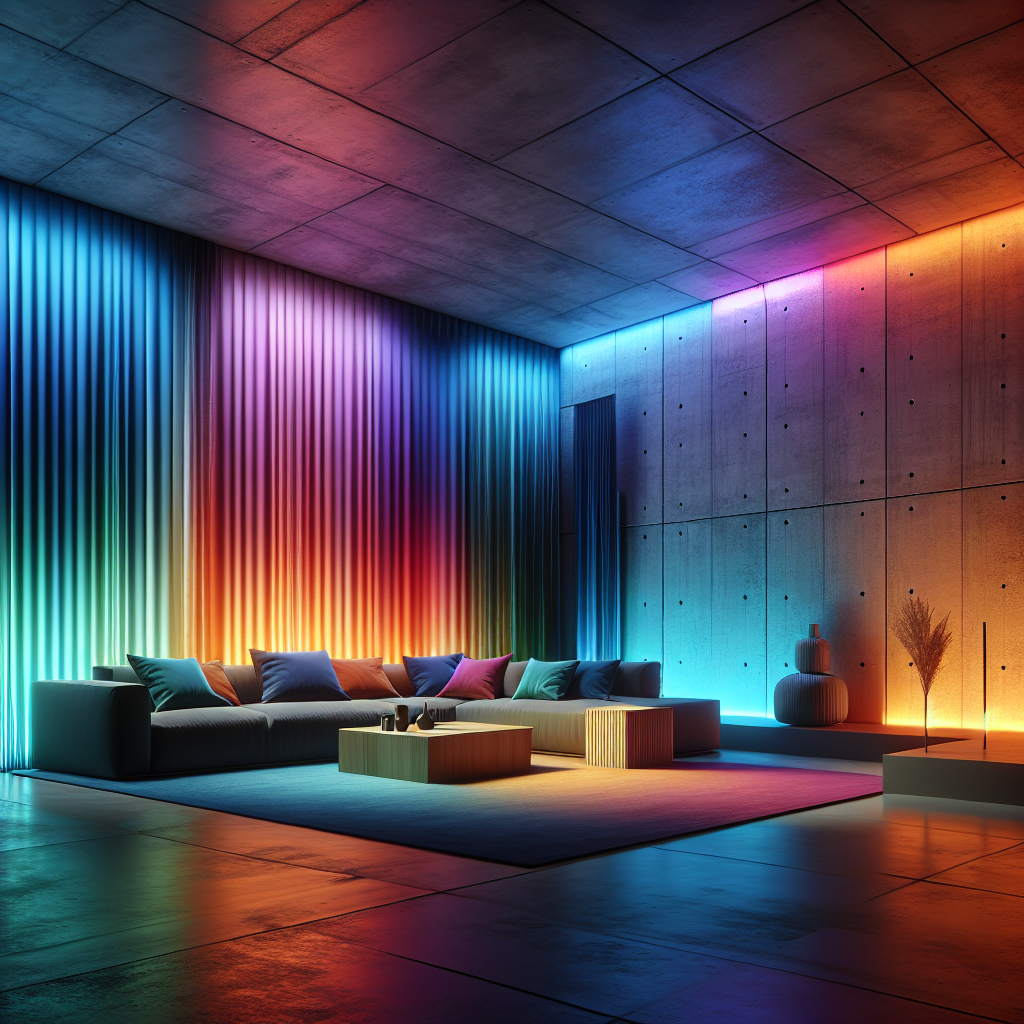
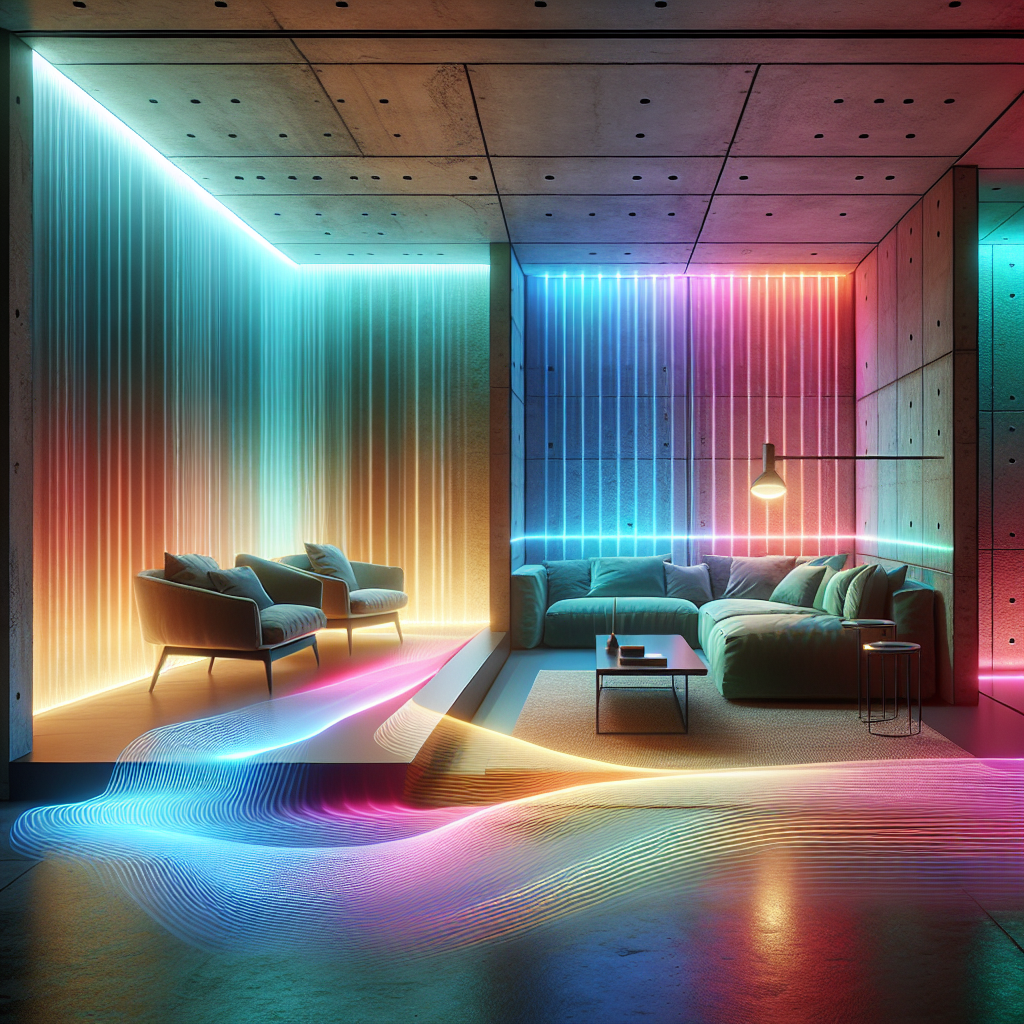
Unlike traditional lighting, which remains fixed in tone and temperature, RGB and tunable white LEDs can simulate the nuanced transitions of natural daylight or conjure surreal, otherworldly ambiances. A room bathed in soft amber may feel intimate and grounded, while a gradual transition to cool cyan can expand the perceived volume of space, evoking calm and clarity. This interplay between color and psychology has been central to the growing discipline of chromatic harmony in architectural design.
Lighting as Emotional Architecture
Designers have long recognized that lighting shapes mood as profoundly as form or material. Yet, with the advent of programmable, color-shifting LEDs, emotional design has entered a new dimension. Spaces can now respond—to circadian rhythms, to occupancy, even to biometric data. In wellness-oriented interiors, for instance, lighting systems may shift from energizing daylight tones in the morning to warm, restorative hues by evening, aligning with the body’s natural cycles.
Studies published by the Illuminating Engineering Society reveal that color temperature and saturation directly influence mood and cognitive performance. Designers are translating these findings into practical applications: hospitality environments use dynamic lighting to enhance relaxation or social engagement, while retail spaces employ chromatic transitions to guide attention and influence consumer behavior. The result is a choreography of light that subtly orchestrates human experience.
Case Studies: From Concept to Immersion
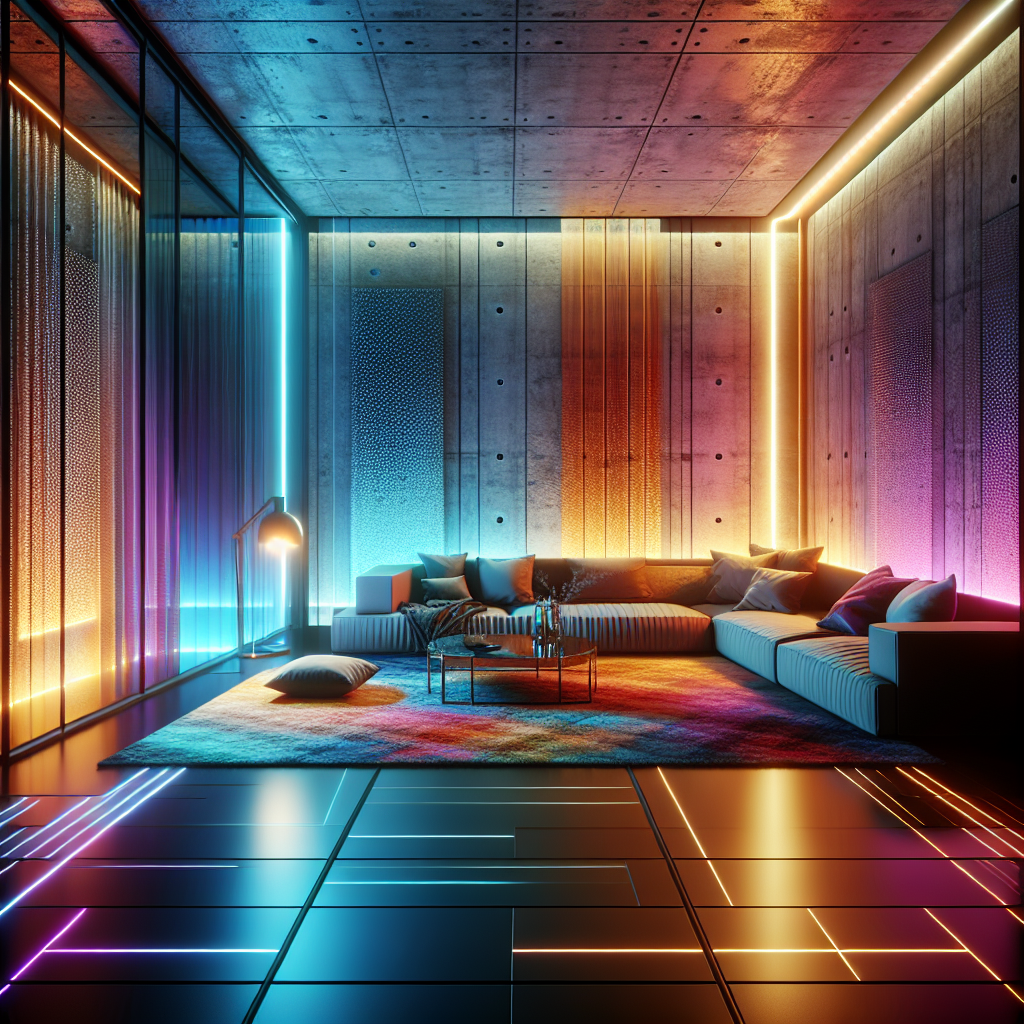
In Tokyo’s Aman Hotel, the lobby’s lighting installation shifts from a tranquil dawn palette to a deep indigo dusk, mirroring the city’s rhythm and immersing guests in a sensory narrative. Similarly, Milan’s boutique gallery Spazio Luce employs programmable LEDs embedded in frosted glass panels, creating a gradient that appears to breathe with the movement of visitors. The effect is not merely aesthetic—it redefines spatial boundaries, making walls seem porous and mutable.
Residential design has also embraced this technology. In high-end apartments overlooking the Seine, architects have integrated color-shifting ceiling coves that mimic the chromatic variations of natural light filtered through Parisian skies. The result is a living canvas—an interior that evolves throughout the day, fostering both serenity and stimulation. This approach resonates with the broader movement toward biophilic design, where lighting mimics natural phenomena to support human well-being.
Technology Meets Artistry
The sophistication of modern LED systems lies not only in their technical precision but in their ability to be choreographed like music. Designers now collaborate with lighting artists and digital engineers to create immersive compositions that blend architecture, light, and motion. Through DMX or DALI control systems, each luminaire can be individually programmed, allowing for intricate sequences that unfold over time—an architectural equivalent of a cinematic color grade.
One striking example is the “Chromatic Corridor” installation at the 2024 Euroluce fair, where a sequence of color gradients flowed seamlessly through a mirrored hallway, creating the illusion of infinite depth. The project exemplified how color-shifting LEDs can transcend decoration to become an experiential narrative—an evolving artwork that engages the body and mind simultaneously.
Psychological Resonance and Human-Centric Design
As lighting becomes increasingly interactive, the emphasis has shifted toward human-centric design. The goal is not merely to impress but to nurture emotional equilibrium. Research in environmental psychology indicates that exposure to dynamic, color-variable lighting can reduce stress, enhance focus, and even improve sleep quality. This aligns with the principles explored in responsive design, where architecture adapts fluidly to human needs.
In corporate environments, for instance, adaptive lighting systems can adjust hue and brightness based on time of day or task type—stimulating creativity during brainstorming sessions and promoting calm during focused work. In healthcare settings, chromatic lighting is being used to ease anxiety and support recovery, particularly in windowless rooms where natural light is scarce. The emotional resonance of color, when orchestrated with sensitivity, becomes a therapeutic tool as much as an aesthetic one.
Material Interplay and Spatial Perception
Beyond mood, chromatic illusions redefine spatial perception. When projected onto textured surfaces—brushed concrete, translucent resin, or rippled metal—color-shifting light creates kinetic depth. Walls appear to ripple, ceilings seem to float, and boundaries dissolve into gradients. This phenomenon has inspired a new wave of material experimentation, where designers select finishes specifically for their light-reactive qualities.
In contemporary galleries, reflective materials are often paired with programmable LEDs to create an ever-changing interplay of hue and shadow. The result is a space that resists permanence—a living organism that transforms with every shift in light. This sensorial dynamism echoes the philosophy behind bioluminescent lighting in architecture, where illumination becomes an integral, organic component of design rather than an afterthought.
Future Directions: Toward Emotional Sustainability
As the design industry moves toward sustainability, the conversation around lighting has expanded beyond energy efficiency to include emotional sustainability. The question is no longer just how to save watts, but how to create environments that sustain mental and emotional well-being. Color-shifting LEDs, with their low energy consumption and infinite adaptability, offer a compelling answer.
Emerging technologies—such as AI-driven lighting systems that learn user preferences—are pushing this frontier further. Imagine a home that senses your stress levels and subtly adjusts its chromatic palette to soothe you, or a restaurant that shifts its lighting tone to complement the flavor profile of each course. These are not distant fantasies but imminent realities, reflecting a broader cultural shift toward design that is both intelligent and empathetic.
Conclusion: The Poetics of Light
Chromatic illusions in interior lighting mark a profound evolution in how we inhabit space. They invite us to experience architecture not as static form but as a mutable, sensory continuum. Through the interplay of color, light, and perception, designers are crafting environments that speak to the subconscious—spaces that breathe, react, and heal.
In the coming years, as LED technology continues to merge with data-driven design and neuroscience, the boundary between architecture and emotion will blur even further. The future of interior lighting lies not in brightness or efficiency alone, but in its capacity to evoke feeling—to turn the simple act of illumination into an art of emotional resonance.
For architects and designers attuned to the subtleties of human experience, chromatic lighting is more than a trend—it is a new language of space, one that paints with photons and sculpts with perception.
Published on 12/24/2025