
Chromatic illusions in: façade design color-shifting extremes in city panoramas
Chromatic Illusions in Façade Design: Color-Shifting Extremes in City Panoramas
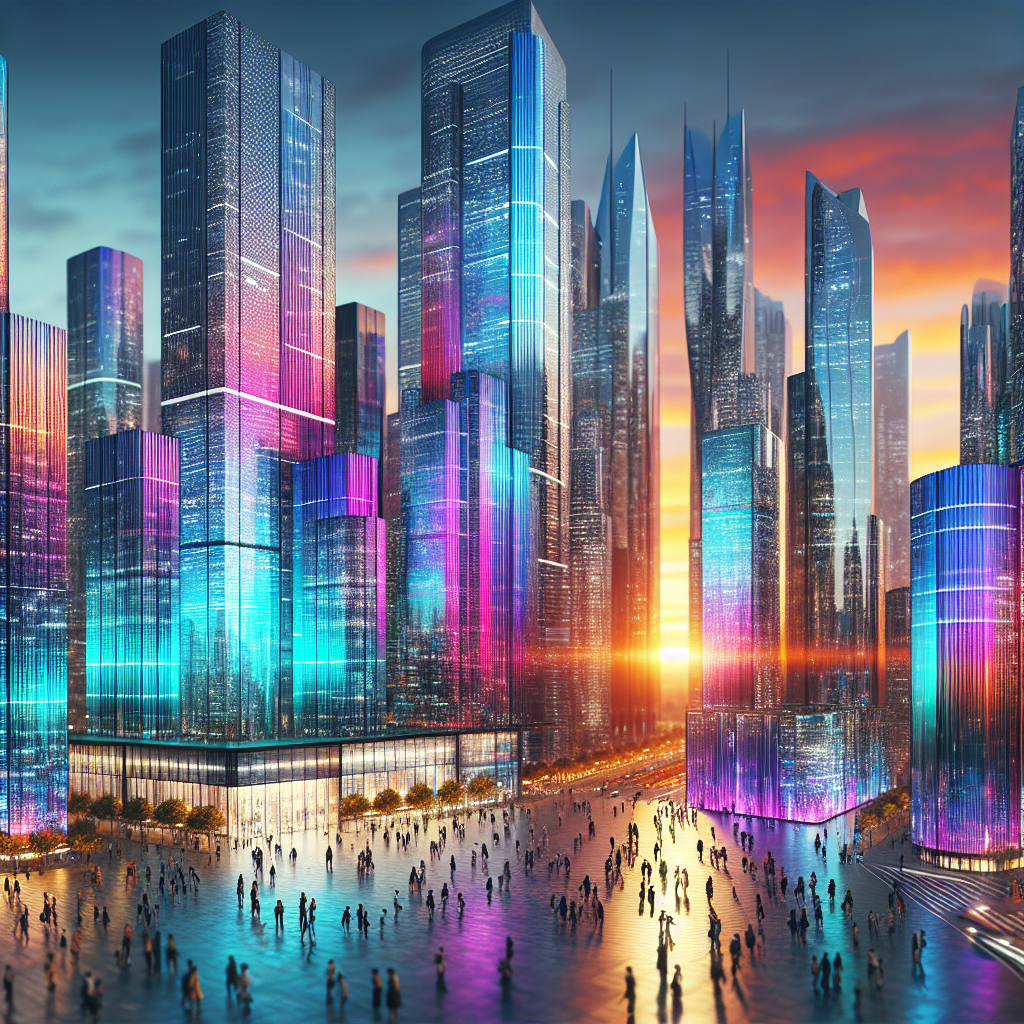
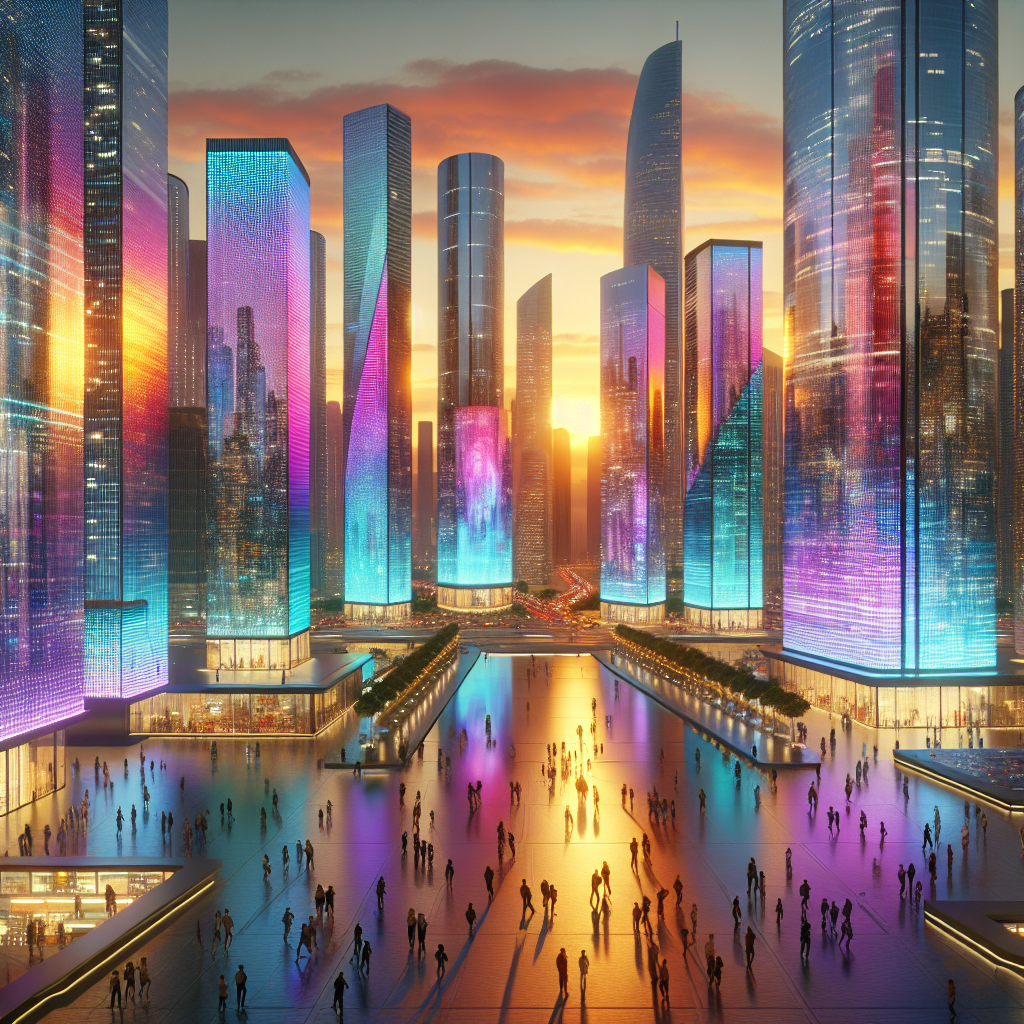
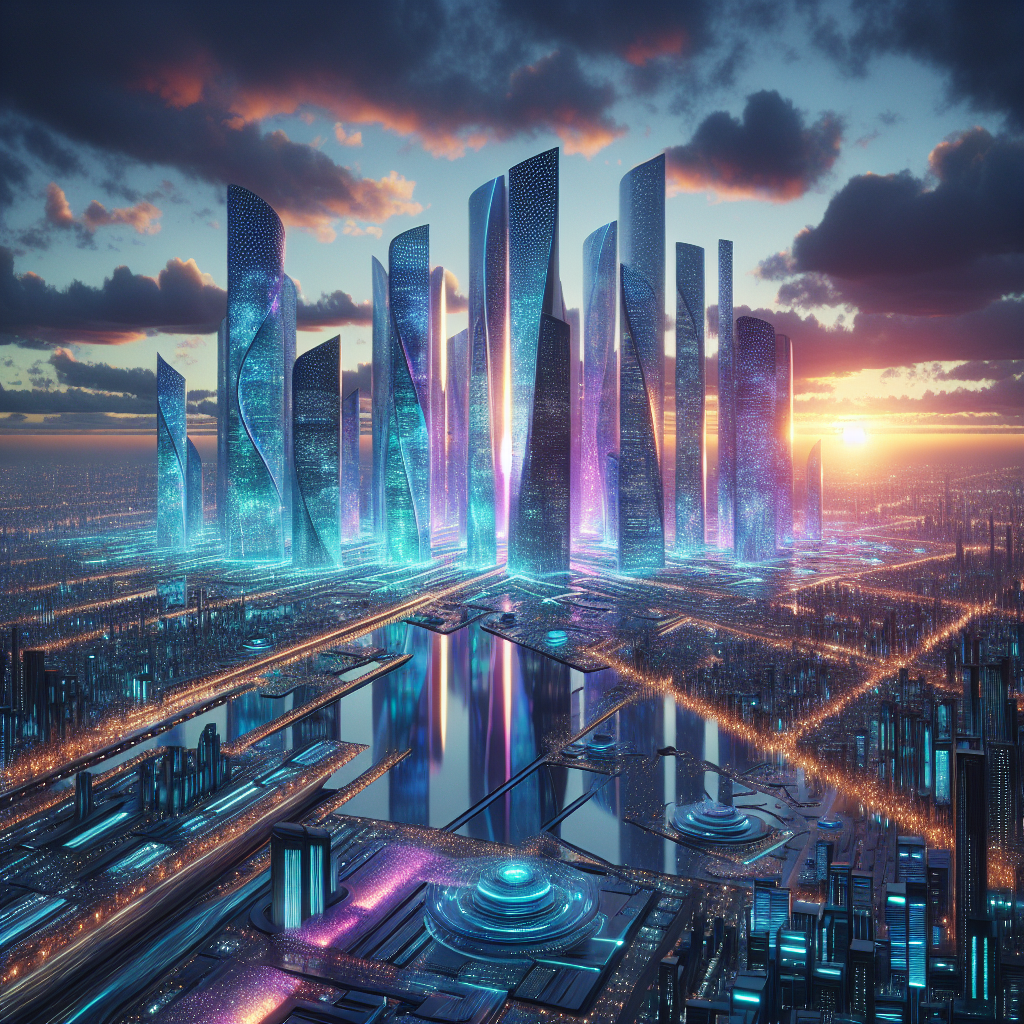
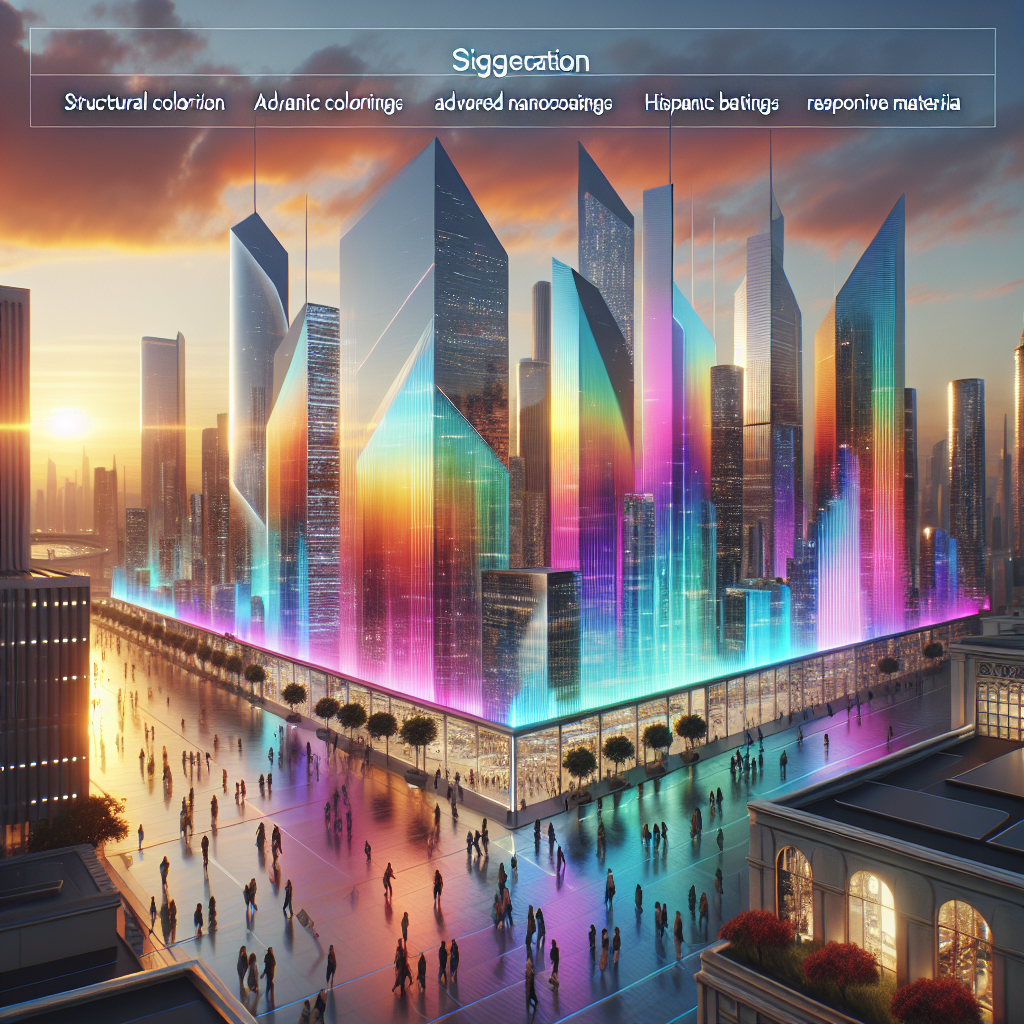
Across the world’s skylines, architecture is no longer content with static façades. The rise of chromatic illusions—surfaces that appear to shift color, depth, and texture depending on light, weather, or viewpoint—has redefined how cities are perceived. From the iridescent towers of Seoul to the prismatic cultural centers of Copenhagen, color has become an instrument of transformation, not mere decoration. These color-shifting façades challenge the boundaries between architecture, art, and perception, creating urban panoramas that evolve in real time.
The Science of Chromatic Illusion
At the heart of these façades lies a complex interplay of optics and material science. Iridescence, diffraction, and interference—phenomena once reserved for butterfly wings or soap bubbles—are now engineered into architectural skins. According to structural coloration research, microscopic surface structures can manipulate light wavelengths, producing hues that shift with the observer’s angle. Architects are increasingly collaborating with material scientists to embed these principles into coatings, films, and layered composites that transform under changing daylight.
This is not mere visual trickery. The chromatic façade acts as a dynamic environmental interface, responding to temperature, humidity, and solar exposure. In some cases, thermochromic or photochromic pigments—similar to those used in adaptive sunglasses—enable buildings to self-regulate heat absorption while offering a living, breathing visual experience. The result is architecture that feels alive, attuned to both climate and human movement.
Urban Identity Through Color Dynamics
In the 21st-century metropolis, identity is often built on visual memory. The skyline is a brand, and color has become its most expressive medium. Take the Harpa Concert Hall in Reykjavik, designed by Henning Larsen Architects and artist Olafur Eliasson. Its crystalline façade of dichroic glass panels refracts Iceland’s shifting light into kaleidoscopic reflections across the harbor. The building’s appearance morphs hourly—an architectural embodiment of the country’s volatile weather and luminous skies.
Similarly, the One Angel Square in Manchester uses a double-skin façade with metallic fins that shimmer from bronze to violet depending on sunlight intensity. These color gradients create a dialogue between structure and atmosphere, turning the building into a barometer of the city’s mood. In a world where digital screens dominate, such analog interactivity offers a more poetic form of engagement—one rooted in perception rather than pixels.
Material Innovation and Environmental Synergy
The technological leap enabling these façades stems from advancements in nanocoatings and reflective composites. Architects now work with materials that once belonged to aerospace or automotive industries. Titanium dioxide, for instance, not only produces iridescent effects but also contributes to photocatalytic self-cleaning surfaces, reducing maintenance costs and improving air quality.
Projects like the National Museum of Qatar by Jean Nouvel employ sand-toned panels that subtly shift under desert light, echoing the mirage effect. This visual dynamism is both aesthetic and ecological—reducing glare, diffusing heat, and integrating the building seamlessly into its environment. The concept resonates with the principles of biophilic design, where sensory connection to natural phenomena enhances human well-being.
Emerging materials such as thermochromic ceramics and interference-coated metals are pushing the limits further. They allow façades to adapt not only visually but functionally—reflecting more sunlight during peak heat and absorbing warmth in cooler conditions. The chromatic illusion thus becomes a tool for sustainability, aligning with the architectural shift toward net-zero energy buildings.
Perception, Psychology, and the Urban Spectacle
Color is never neutral. It influences mood, orientation, and memory. Studies in color psychology suggest that shifting hues can evoke emotional responses, from calmness to excitement. In urban design, this translates into façades that can subtly guide behavior—cool tones for contemplative spaces, warm gradients for social vibrancy.
Architects are increasingly aware of how chromatic illusions can alter the rhythm of a cityscape. A reflective tower that glows amber at sunset can soften the rigidity of a financial district; a museum that turns blue under overcast skies can mirror collective mood. This interplay between perception and architecture transforms the city into a living artwork—an idea reminiscent of color theory in architectural design, where hue and light orchestrate spatial emotion.
Case Studies: Cities in Motion
In Tokyo, the Tokyu Plaza Omotesando Harajuku employs mirrored panels that fragment and multiply reflections of the street below, creating a constantly shifting mosaic of urban life. In Sydney, the UTS Central Building by FJMT integrates glass fins coated with dichroic film, producing a façade that oscillates between turquoise and magenta. These designs demonstrate how chromatic illusions can redefine urban rhythm—transforming façades into performative surfaces.
Meanwhile, in Dubai, kinetic and color-reactive panels are being tested on high-rise façades to adapt to desert light conditions. The panels, inspired by butterfly wings, use micro-louver systems that adjust orientation based on solar angle, creating a shimmering effect visible across the skyline. This convergence of motion and color echoes the principles explored in kinetic façade design, where adaptability becomes both a visual and environmental strategy.
Digital Chromatics and the Future of Urban Perception
As digital technologies merge with material science, architects are experimenting with programmable pigments and LED-infused glass. These innovations enable façades to change color in response to data—air quality, traffic flow, or even social media sentiment. The result is a form of responsive architecture that communicates with its surroundings in real time.
In Seoul’s Dongdaemun Design Plaza, designed by Zaha Hadid Architects, the aluminum panels are illuminated by embedded LEDs that shift hue according to programmed sequences, turning the building into a living canvas. Similarly, the Media-TIC Building in Barcelona uses ethylene tetrafluoroethylene (ETFE) cushions filled with nitrogen, which alter transparency and color based on sunlight exposure. These façades are not static backdrops—they are dynamic storytellers.
The next frontier lies in integrating augmented reality overlays, allowing viewers to experience additional chromatic layers through digital devices. This fusion of physical and virtual perception aligns with the emerging discipline of augmented reality in design innovation, where architecture becomes both tangible and data-driven.
Philosophy of the Shifting City
Beyond technology, chromatic façades invite a philosophical reconsideration of permanence in architecture. They embody a shift from solidity to fluidity, from monumentality to momentariness. In an age defined by change, these façades reflect the transience of modern life—buildings that never look the same twice, cities that breathe and shimmer like living organisms.
For architects and designers, the challenge is to balance spectacle with substance. The most successful chromatic façades are not those that dazzle for novelty’s sake, but those that engage deeply with context—climate, culture, and community. They remind us that architecture is not only about form and function but also about perception and participation. The city, through color, becomes a shared experience of light and illusion.
As the boundaries between material and immaterial continue to blur, the chromatic façade stands as a symbol of architectural evolution—one that transforms not just buildings, but the very way we see our cities.
Published on 12/12/2025